
In the contemporary landscape of smart home technology and industrial engineering, the air purifier has transitioned from a niche medical peripheral to an essential consumer gadget. As urbanization increases and our understanding of indoor air quality (IAQ) deepens, these devices have become sophisticated pieces of hardware, blending advanced material science with cutting-edge software and Internet of Things (IoT) connectivity. At its core, an air purifier is a technological solution designed to remove contaminants from the air within a localized environment. However, the modern iteration of this device is far more complex than a simple fan and filter; it is a data-driven system optimized for health, efficiency, and environmental automation.
The Engineering Mechanics: Understanding Filtration Tech
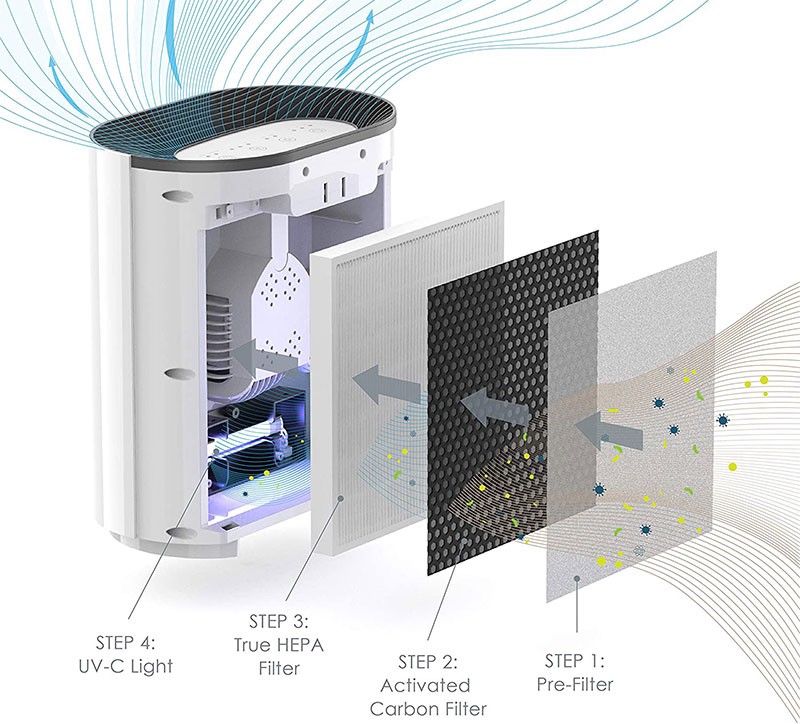
To understand what air purifiers are from a technical perspective, one must first examine the multi-layered hardware configurations that define their performance. Unlike standard HVAC systems, high-end air purifiers utilize a series of specialized filters designed to target specific particulate sizes and chemical compositions.
High-Efficiency Particulate Air (HEPA) Standards
The gold standard of air purification technology is the HEPA filter. From a technical standpoint, a true HEPA filter must be capable of capturing 99.97% of particles that are 0.3 microns in diameter. This specific size is known as the “most penetrating particle size” (MPPS), as particles both smaller and larger are actually easier to trap due to the physics of diffusion and interception. Modern tech enthusiasts often look for “H13” or “H14” medical-grade HEPA filters, which utilize dense mats of randomly arranged microscopic glass fibers to ensure that even the finest PM2.5 (particulate matter 2.5 micrometers or smaller) is effectively sequestered.
Activated Carbon and Molecular Adsorption
While HEPA filters handle solid particles, they are ineffective against gases, odors, and Volatile Organic Compounds (VOCs). For this, engineers integrate activated carbon filters. Through a process called adsorption (not absorption), the porous surface of the carbon chemically bonds with gaseous molecules. In high-tech purifiers, these carbon filters are often treated with catalysts to break down formaldehyde and other hazardous chemicals, transforming the device into a molecular-level cleaning station.
Ionization and Electrostatic Precipitation
Beyond mechanical filtration, some gadgets utilize electronic air purification. Ionizers release negatively charged ions into the air, which attach to positively charged particles, causing them to become heavy and fall out of the air or stick to surfaces. More advanced “electrostatic precipitators” use high-voltage wires to charge incoming particles, which are then collected on internal metal plates. While these technologies are efficient, they require precise engineering to ensure they do not produce ozone, a common byproduct of high-voltage electrical discharge.
The Evolution of Smart Sensors and Automation
The shift from “analog” air purifiers to “smart” air purifiers has been driven by the integration of laser-based sensors and real-time data processing. Modern devices are no longer “blind” machines running at a constant speed; they are reactive systems that adjust their performance based on environmental variables.
Laser Particle Counters and Real-Time Monitoring
The “brain” of a modern air purifier is its onboard sensor suite. High-end models from brands like Dyson, Blueair, and Coway utilize laser scattering technology to detect PM2.5 and PM10 levels. By reflecting a laser beam off particles in the air, the sensor can count individual specks of dust and smoke, providing a real-time digital readout of the Air Quality Index (AQI). This data is processed by onboard microchips that instantly adjust the fan motor speed—a feature known as “Auto Mode”—optimizing energy consumption while ensuring rapid air turnover during pollution spikes.
IoT Connectivity and Smart Ecosystem Integration
Today’s air purifiers are foundational components of the smart home ecosystem. Through Wi-Fi and Bluetooth connectivity, these devices interface with dedicated mobile apps, allowing users to monitor indoor air quality from anywhere in the world. Integration with platforms like Apple HomeKit, Amazon Alexa, and Google Assistant enables voice-controlled operation and complex automation. For example, a user can program a “Routine” where the air purifier ramps up to maximum speed when the smart stove is turned on or when the outdoor pollen count reaches a certain threshold according to local weather APIs.
Specialized Tech for Pathogen Neutralization
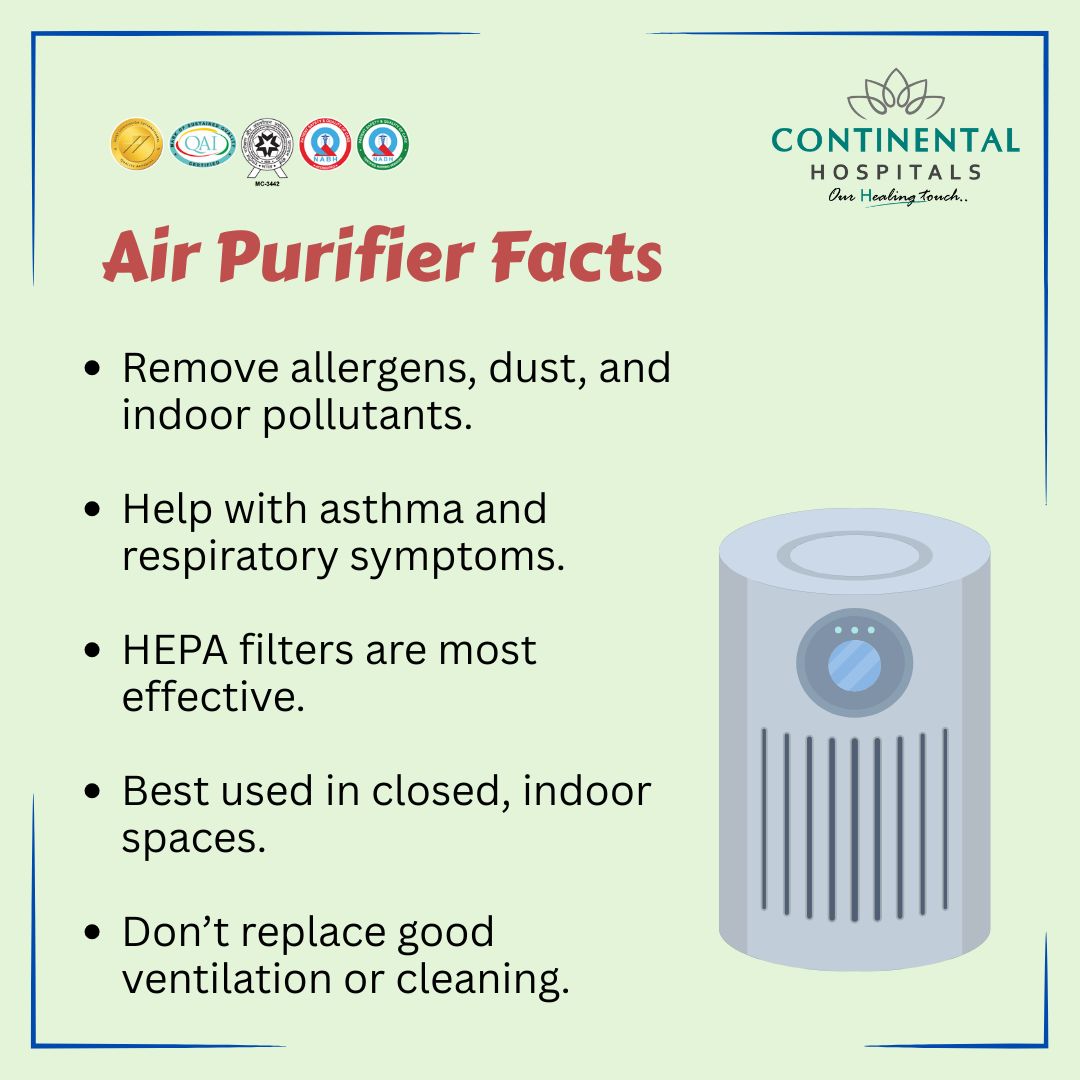
In the wake of global health concerns, the tech industry has pivoted toward air purifiers that do more than just trap dust. Advanced gadgets now incorporate biological neutralization technologies that target bacteria, viruses, and mold spores at a microscopic level.
UV-C Germicidal Irradiation (UVGI)
Some air purifiers are equipped with internal UV-C lamps. This technology uses short-wavelength ultraviolet light to disrupt the DNA and RNA of microorganisms, rendering them unable to replicate. From a technical design perspective, the challenge is ensuring sufficient “dwell time”—the amount of time the air is exposed to the light—and ensuring that the UV-C light is shielded so it does not escape the device and harm the user.
Photocatalytic Oxidation (PCO) and PECO
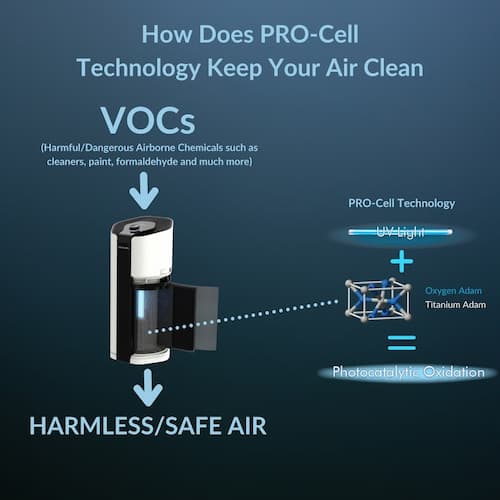
A more advanced frontier in air tech is Photocatalytic Oxidation. These devices use a UV light source combined with a catalyst (usually titanium dioxide) to create hydroxyl radicals. These radicals act as “molecular scissors,” breaking down organic pollutants into harmless carbon dioxide and water vapor. A proprietary variation known as Photo Electrochemical Oxidation (PECO) has gained traction for its ability to destroy pollutants that are 1,000 times smaller than what a standard HEPA filter can trap, representing the cutting edge of consumer-grade atmospheric hardware.
Evaluating Performance: CADR and Technical Specifications
When reviewing or selecting air purification hardware, tech-savvy consumers must look beyond the aesthetic design and focus on standardized performance metrics. The efficacy of an air purifier is measured by its ability to move and clean air simultaneously.
Clean Air Delivery Rate (CADR)
The primary metric used to benchmark air purifiers is the CADR, developed by the Association of Home Appliance Manufacturers (AHAM). This value represents the volume of filtered air a purifier delivers, measured in cubic feet per minute (CFM). There are typically three separate CADR ratings for smoke, dust, and pollen. A high-performance gadget should have a CADR that allows for at least 4.8 “Air Changes per Hour” (ACH) in the target room size, ensuring that the air is continuously cycled through the filtration media.
Motor Efficiency and Noise Decibel Management
Since air purifiers are designed to run 24/7, the engineering of the fan motor is critical. Brushless DC (BLDC) motors are preferred in high-end models because they are more energy-efficient and operate with significantly less friction than traditional AC motors. This allows for “Whisper-Quiet” modes, often operating below 25 decibels—quieter than a library—while still maintaining enough static pressure to push air through dense HEPA pleats.
The Future of Air Purification Tech
As we look toward the future of the gadget industry, air purifiers are becoming increasingly autonomous and sustainable. The next generation of devices is moving toward AI-driven environmental management and innovative material science.
AI-Driven Air Quality Forecasting
Artificial Intelligence is beginning to play a role in how purifiers manage energy. By analyzing historical data of air quality trends in a specific home and correlating it with outdoor weather patterns and user behavior, AI algorithms can predict when pollution levels will rise. Instead of reacting to poor air, future purifiers will preemptively increase filtration speed to maintain a steady baseline of clean air, maximizing filter life and minimizing power draw.
Sustainable and Regenerative Filter Tech
One of the major critiques of current air purifier technology is the waste generated by disposable HEPA filters. Tech startups are now experimenting with washable, permanent filters that use graphene-based meshes or ceramic substrates that can be “cleaned” by heat or UV light. Furthermore, the integration of “biophilic tech”—using genetically engineered plants combined with high-tech fans—is an emerging niche that seeks to blend biological carbon sequestration with mechanical air movement.
In summary, when we ask “what are air purifiers,” we are describing a sophisticated intersection of mechanical engineering, sensor data, and smart software. They have evolved from simple utility items into essential digital health tools that provide a invisible yet vital layer of security in our modern, technology-driven lives. Whether through the precision of HEPA filtration or the connectivity of IoT apps, these devices represent the pinnacle of indoor environmental control technology.
aViewFromTheCave is a participant in the Amazon Services LLC Associates Program, an affiliate advertising program designed to provide a means for sites to earn advertising fees by advertising and linking to Amazon.com. Amazon, the Amazon logo, AmazonSupply, and the AmazonSupply logo are trademarks of Amazon.com, Inc. or its affiliates. As an Amazon Associate we earn affiliate commissions from qualifying purchases.