
In the global race toward decarbonization and energy security, the conversation has shifted from purely renewable sources to a more diversified, high-tech energy mix. At the center of this transition is nuclear energy—a field that has seen a massive technological renaissance over the last decade. No longer defined solely by the massive cooling towers of the 20th century, modern nuclear energy represents the pinnacle of thermal engineering, materials science, and digital integration. As we look toward a future requiring massive amounts of reliable, carbon-free power to fuel everything from AI data centers to electric vehicle grids, the technological advantages of nuclear energy become increasingly clear.
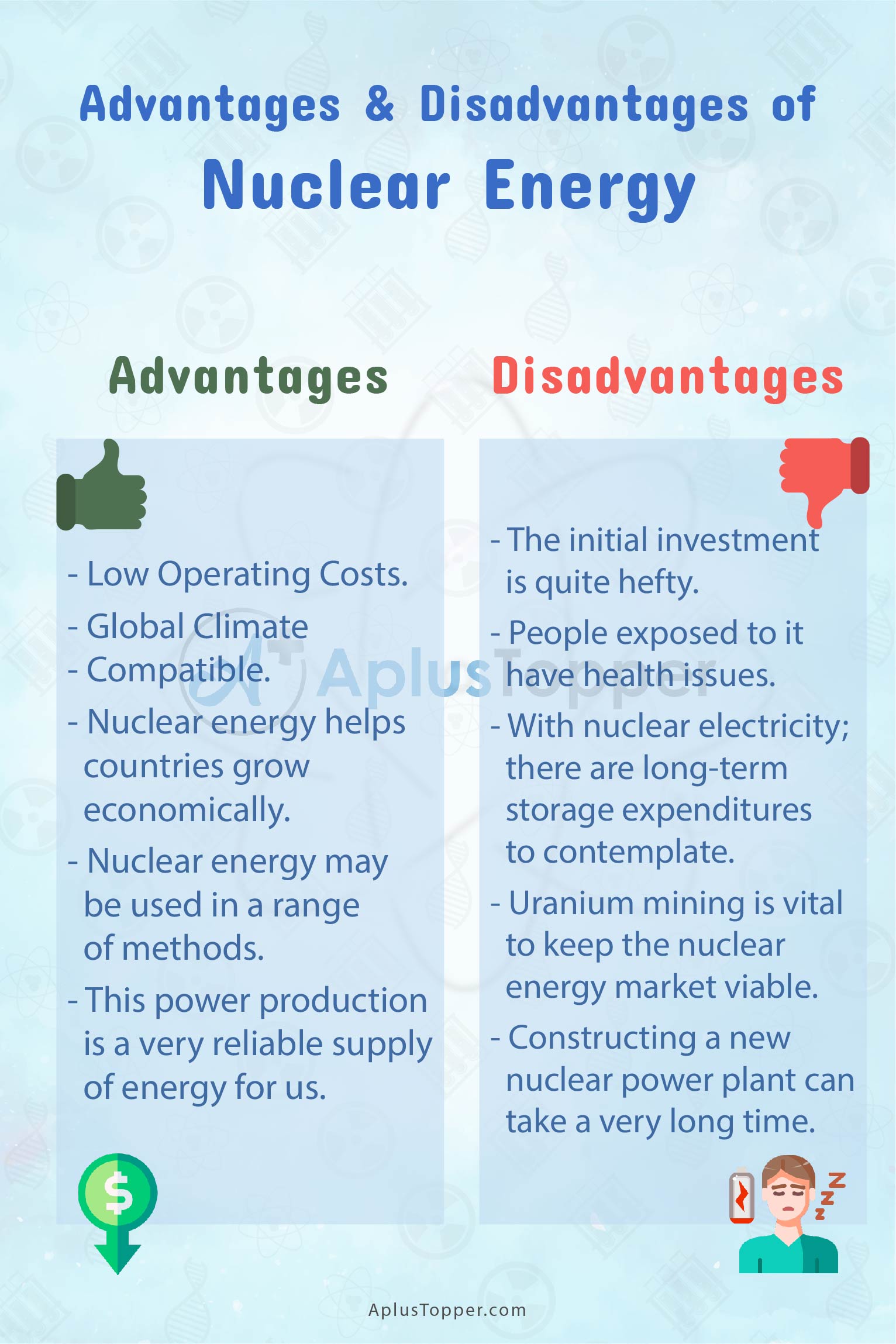
This article explores the technical advantages of nuclear energy through the lens of modern engineering, digital transformation, and next-generation reactor designs.
1. Unmatched Energy Density and Grid Stability
The primary technological advantage of nuclear energy lies in its sheer power density and the physics of the fission reaction. Unlike chemical reactions (such as burning coal or gas) or mechanical energy (wind), nuclear reactions operate on a subatomic level, releasing vast amounts of energy from a very small footprint.
High Capacity Factors and Thermal Efficiency
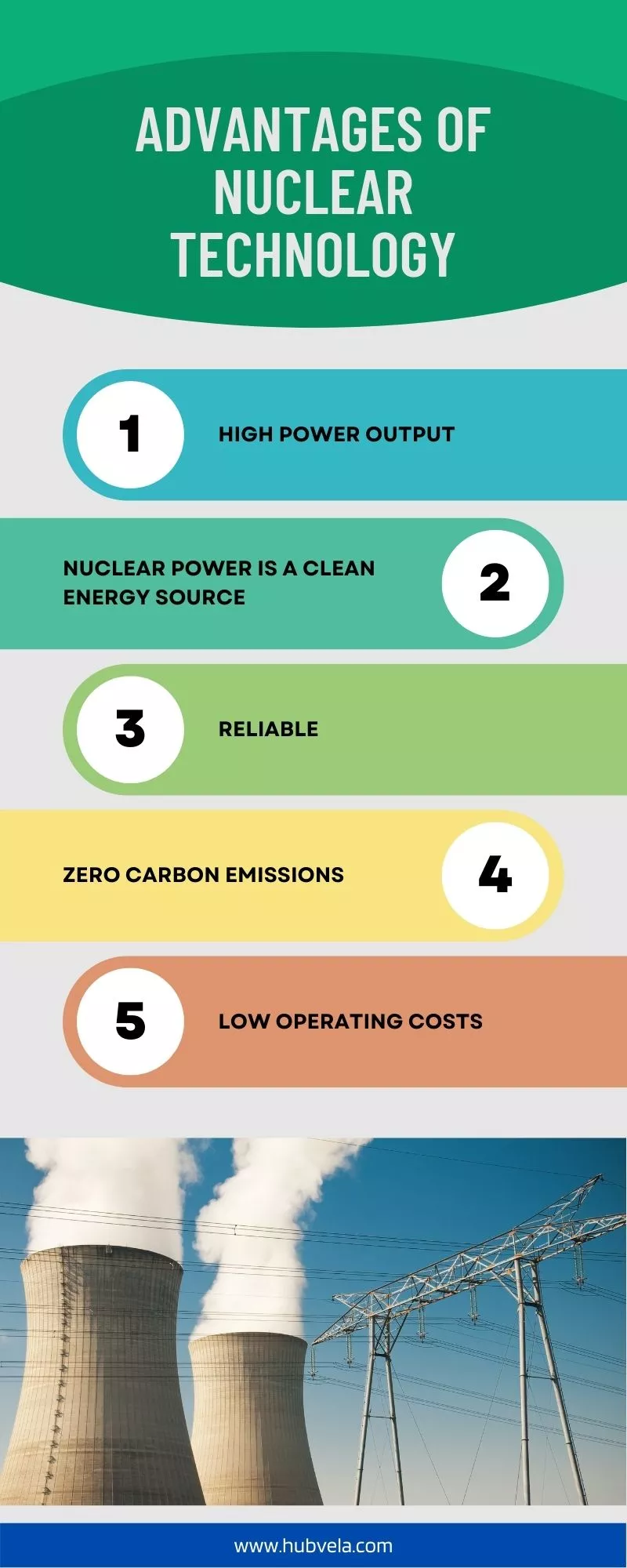
In the world of technology and infrastructure, “uptime” is a critical metric. Nuclear power plants boast the highest capacity factor of any energy source, typically operating at over 90% efficiency. This is a result of advanced fuel management systems and the ability of reactors to run for 18 to 24 months without interruption. From a technical standpoint, this makes nuclear the “gold standard” for baseload power. While solar and wind are intermittent by nature, requiring complex battery storage technologies to bridge gaps, nuclear provides a steady, high-temperature thermal output that can be converted into electricity with remarkable consistency.
Integration with Smart Grids and Load Following
Older generations of nuclear tech were often criticized for being “always on” and difficult to throttle. However, modern reactor control systems have introduced “load-following” capabilities. Through advanced instrumentation and control (I&C) systems, contemporary plants can adjust their power output to complement the fluctuations of renewable sources. This technological synergy allows for a more resilient smart grid, where nuclear acts as the stable backbone while digital sensors manage the real-time distribution of power across diverse sources.
2. The Evolution of Reactor Design: Small Modular Reactors (SMRs)
Perhaps the most significant leap in nuclear technology is the move toward modularity. The industry is pivoting away from massive, bespoke construction projects toward factory-built, scalable solutions known as Small Modular Reactors (SMRs).
Factory Precision and Serial Manufacturing
Traditional nuclear plants are massive civil engineering projects. SMRs, however, represent a shift toward “Product-Based Engineering.” By designing reactors that can be manufactured in a controlled factory setting and transported to a site, the industry can leverage assembly-line precision. This reduces the margin of human error associated with on-site construction and allows for the implementation of advanced materials and components that are difficult to install in traditional settings. The modular nature also means that a facility can start small and add “modules” as energy demand grows, making it a scalable tech solution for industrial hubs.
Fourth-Generation (Gen IV) Innovations
Beyond SMRs, the development of Gen IV reactors introduces new cooling technologies that move away from traditional light-water systems. Technologies such as Molten Salt Reactors (MSRs) and High-Temperature Gas-Cooled Reactors (HTGRs) offer distinct technical advantages. For instance, MSRs operate at lower pressures, which significantly reduces the mechanical stress on the reactor vessel and simplifies the safety architecture. Furthermore, the high-grade heat produced by these reactors (often exceeding 700°C) provides a technological pathway for “Pink Hydrogen” production and industrial desalination, expanding the utility of nuclear tech beyond the electrical grid.
3. Digital Transformation and Safety Systems
The intersection of nuclear physics and digital technology has ushered in an era of unprecedented safety and operational oversight. The “digital twin” concept, widely used in aerospace and high-tech manufacturing, is now a cornerstone of nuclear plant management.
AI and Predictive Maintenance in Nuclear Facilities
Artificial Intelligence and Machine Learning are revolutionizing how nuclear plants are maintained. By utilizing vast arrays of sensors that monitor everything from neutron flux to pipe vibration, AI algorithms can predict component failures before they occur. This transition from reactive to predictive maintenance minimizes downtime and maximizes the lifespan of the reactor’s hardware. These digital oversight systems provide real-time data analytics, allowing engineers to optimize the fuel cycle and thermal efficiency with a level of precision that was impossible twenty years ago.
Passive Safety Engineering
From a technological design perspective, the “Advantage” of modern nuclear lies in its shift from active to passive safety systems. Older designs relied on pumps and external power sources to cool the core during a shutdown. Modern “Gen III+” and Gen IV reactors utilize the laws of physics—such as gravity, natural convection, and pressurized gas—to ensure safety. If a system deviates from its parameters, these passive systems automatically engage without the need for human intervention or electricity. This “walk-away safe” technology is a major engineering milestone that addresses previous vulnerabilities in reactor design.
4. Technological Solutions for Nuclear Waste and Fuel
One of the most exciting areas of nuclear tech is the development of a “closed-loop” fuel cycle. Advanced engineering is turning what was once considered “waste” into a high-value technological resource.
Advanced Fuel Cycles and Recycling Tech
Current nuclear technology only extracts a small fraction of the energy available in uranium. However, fast-spectrum reactors and advanced reprocessing technologies are being developed to “recycle” spent fuel. This tech allows for the extraction of plutonium and remaining uranium to be fashioned into new fuel pellets. By closing the fuel cycle, we can theoretically provide thousands of years of energy while significantly reducing the volume and radioactivity of the remaining waste. This represents a triumph of chemical engineering and nuclear physics, transforming the industry’s greatest challenge into a sustainable loop.
Deep Geological Repository Innovations
For the waste that cannot be recycled, technology has provided sophisticated containment solutions. Modern deep geological repositories utilize a multi-barrier system: vitrification (turning waste into a stable glass form), corrosion-resistant copper or steel canisters, and bentonite clay buffers. The engineering behind these sites involves complex geological modeling and long-term materials science to ensure that the materials remain isolated from the biosphere for millennia. This level of environmental engineering far exceeds the containment tech used for any other industrial byproduct.
5. Nuclear Tech as a Catalyst for Global Decarbonization
The final technological advantage of nuclear energy is its versatility in decarbonizing sectors that are traditionally hard to electrify.
High-Temperature Process Heat
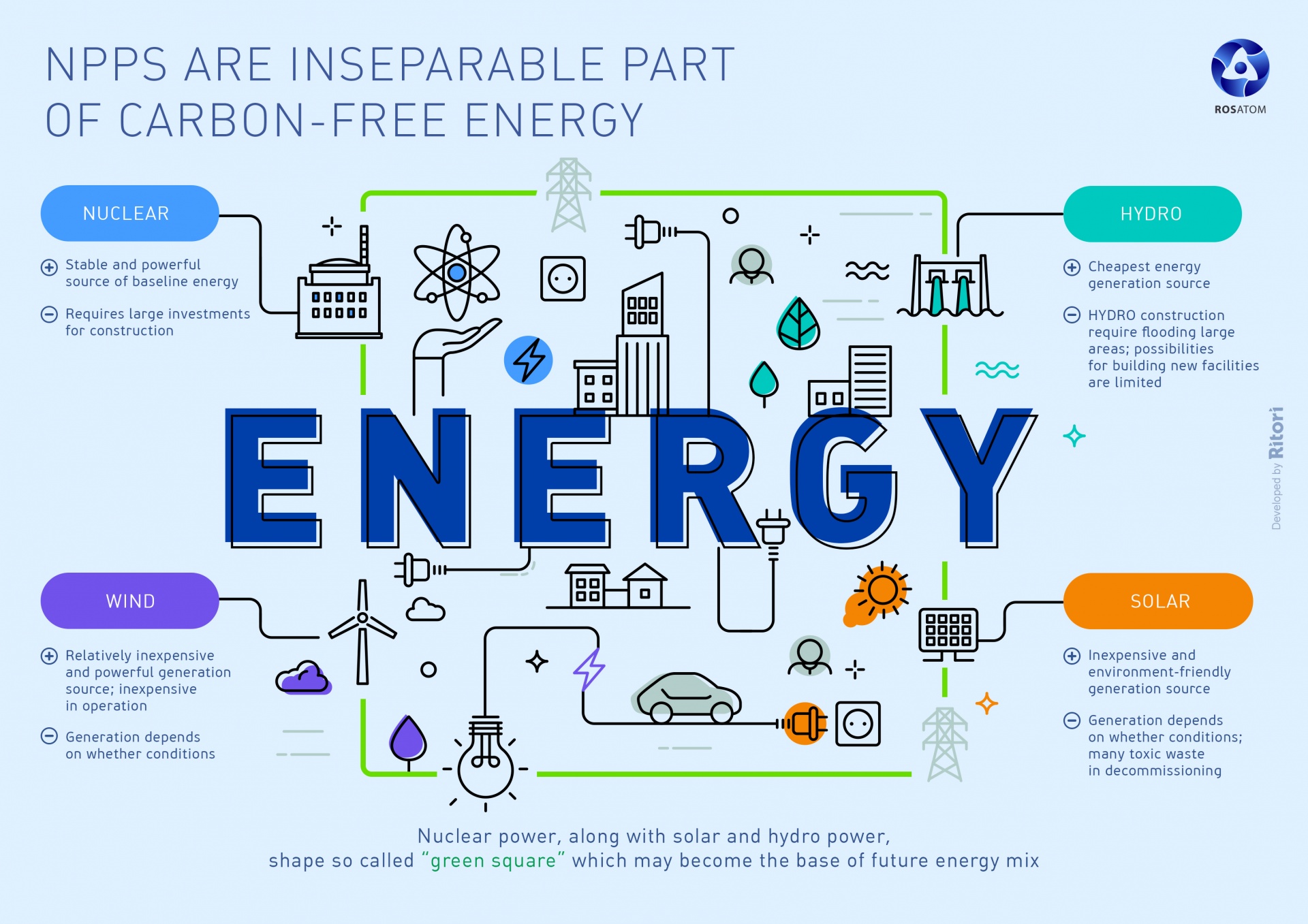
Many industrial processes—such as steel manufacturing, cement production, and chemical refining—require immense amounts of high-temperature heat. Solar and wind produce electricity, but they struggle to provide the constant, concentrated thermal energy required for these industries. Modern high-temperature reactors can plug directly into these industrial complexes. This “co-generation” capability is a unique technological niche that positions nuclear as a vital tool for deep decarbonization across the entire industrial sector.
Space Exploration and Remote Tech
Finally, the advantages of nuclear technology extend beyond Earth. Radioisotope Thermoelectric Generators (RTGs) and emerging nuclear thermal propulsion (NTP) systems are the only viable technologies for long-term space exploration and lunar bases. The high power-to-weight ratio of nuclear fuel makes it the only tech capable of powering sensors in the dark reaches of the solar system where solar panels are useless. On Earth, this same technology can be applied to remote research stations or mining operations, providing a compact, high-tech energy solution in the world’s most inhospitable environments.
Conclusion
The advantages of nuclear energy are fundamentally rooted in technological excellence. From the subatomic precision of the fission process to the macro-scale engineering of Small Modular Reactors, nuclear energy provides a level of reliability, density, and versatility that other energy sources cannot match. By integrating AI-driven predictive maintenance, passive safety systems, and advanced fuel recycling, the nuclear industry has moved into a new era of high-tech sustainability. As the world demands more power to fuel the digital and industrial future, the technological sophistication of the nuclear sector stands ready to serve as the foundation of a clean, resilient, and high-performance energy ecosystem.
aViewFromTheCave is a participant in the Amazon Services LLC Associates Program, an affiliate advertising program designed to provide a means for sites to earn advertising fees by advertising and linking to Amazon.com. Amazon, the Amazon logo, AmazonSupply, and the AmazonSupply logo are trademarks of Amazon.com, Inc. or its affiliates. As an Amazon Associate we earn affiliate commissions from qualifying purchases.