
Understanding “active calories” is crucial for anyone aiming to manage their health and fitness effectively, particularly through the lens of modern technology. While the concept might seem straightforward – calories burned through movement – the nuances, measurement, and integration with personal technology offer a deeper, more impactful perspective. This exploration will delve into the technological underpinnings of active calorie tracking, how these metrics are used in fitness apps and wearables, and the broader implications for personal health management in our increasingly digitized world.
The Technological Foundation of Active Calorie Tracking
The ability to accurately track and quantify “active calories” is a relatively recent phenomenon, largely driven by advancements in sensor technology and data processing. Before the widespread adoption of smart devices, calorie expenditure was estimated through generalized formulas based on age, weight, height, and activity type, often leading to significant inaccuracies. The advent of wearable technology, however, has revolutionized this process, providing a more personalized and dynamic approach to understanding our energy expenditure.

Accelerometers and Gyroscopes: The Core Sensors
At the heart of most fitness trackers and smartwatches lie accelerometers and gyroscopes. Accelerometers measure the rate of change of velocity, essentially detecting movement and its intensity. A simple step forward is registered by an accelerometer, but so is the more vigorous pounding of a run. Gyroscopes, on the other hand, measure angular velocity, helping to determine the orientation and rotation of the device. Together, these sensors can differentiate between various types of motion – walking, running, cycling, swimming (with specialized sensors), and even finer movements like typing or gesturing.
Heart Rate Monitoring: Refining the Estimate
While motion sensors provide the raw data of movement, heart rate monitoring offers a critical layer of refinement for active calorie calculation. Your heart rate is a direct indicator of your body’s physiological response to exertion. As you engage in physical activity, your heart pumps faster to deliver oxygen and nutrients to your muscles. Modern wearables continuously monitor your heart rate, and this data is fed into sophisticated algorithms.
These algorithms use your resting heart rate, your maximum heart rate (often estimated or manually input), and your current heart rate during activity to estimate the metabolic cost of that activity. A higher heart rate during a given duration of movement generally signifies a more intense workout and, consequently, a higher number of active calories burned. This combination of motion and physiological data provides a far more accurate picture than motion alone.
Algorithmic Sophistication: From Raw Data to Meaningful Metrics
The raw data from accelerometers, gyroscopes, and heart rate sensors is just the starting point. The true magic lies in the algorithms developed by tech companies. These algorithms are complex pieces of software designed to interpret the sensor data and translate it into meaningful metrics like active calories.
These algorithms are not static; they are constantly being refined and improved. Companies gather vast amounts of data from millions of users, correlating sensor readings with known energy expenditure levels through laboratory studies and real-world testing. This iterative process allows for more accurate estimations across a wider range of activities and individual physiological differences. Factors such as your age, sex, weight, and even your VO2 max (a measure of aerobic capacity) are often incorporated into these algorithms to personalize the calorie burn calculations.
Active Calories in the Digital Fitness Ecosystem
The concept of active calories has become a cornerstone of the digital fitness revolution, empowering individuals with data to understand and influence their health. Fitness apps and wearable devices have transformed how we approach exercise, making tracking, goal setting, and progress monitoring more accessible and engaging than ever before.
Wearable Devices: Your Personal Activity Dashboard
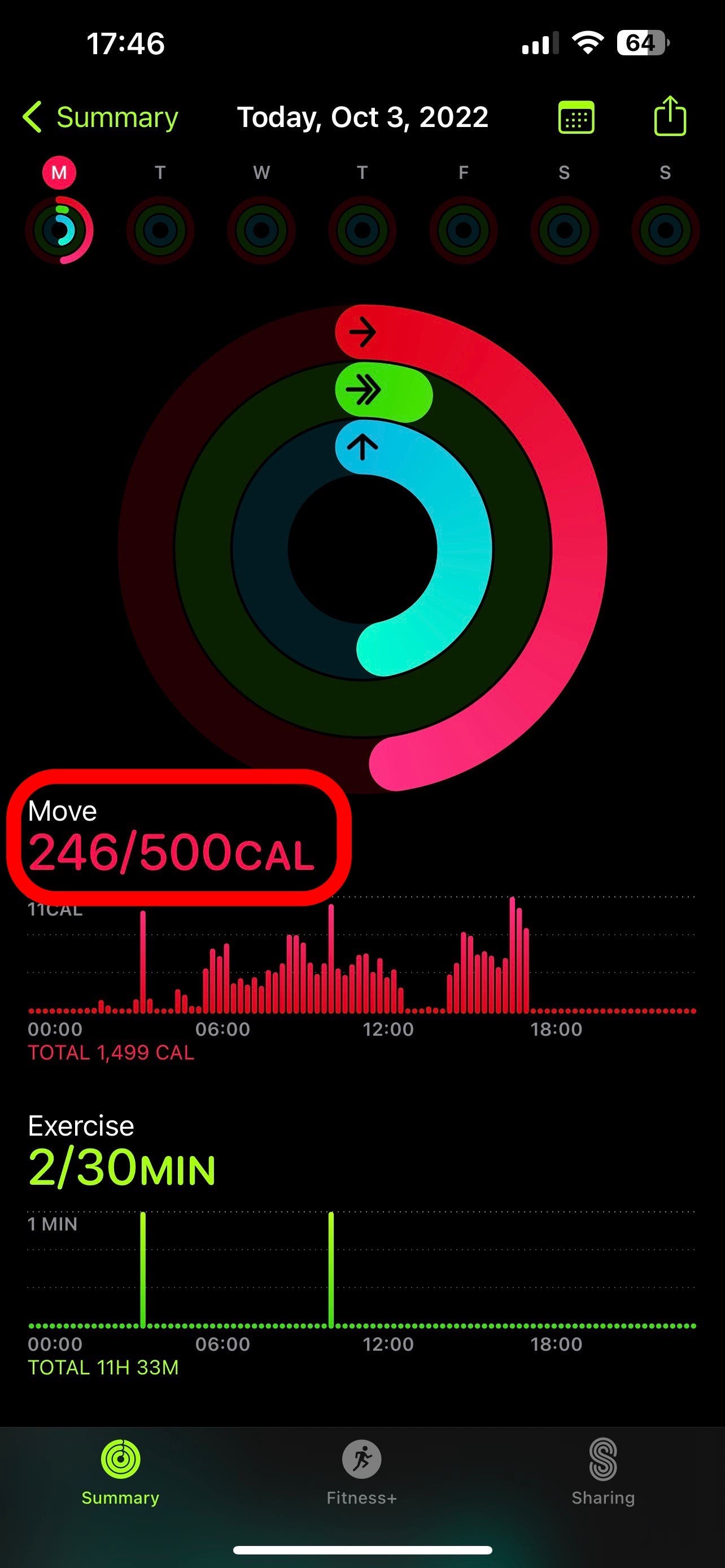
Smartwatches, fitness bands, and even some smart rings are the primary conduits for active calorie tracking. These devices are worn throughout the day, collecting data on your movement and physiological responses. They display your active calorie burn in real-time, providing immediate feedback on the intensity and duration of your workouts. This constant stream of information can be highly motivating, encouraging users to push a little harder or engage in more movement to reach their daily calorie burn goals.
The user interface of these devices is designed for clarity and ease of understanding. Active calories are typically prominently displayed, often alongside steps taken, distance covered, and active minutes. This unified dashboard allows for a holistic view of your daily energy expenditure, distinguishing between calories burned through basic metabolic functions (basal metabolic rate) and those expended through deliberate physical activity.
Fitness Applications: Beyond Simple Tracking
Fitness applications serve as central hubs for managing your health and fitness data, and active calories are a key metric they utilize. These apps often sync with wearable devices, pulling in the raw data and presenting it in a more digestible and actionable format. Beyond simply displaying numbers, these apps leverage active calorie data in several ways:
- Goal Setting and Progress Monitoring: Users can set daily or weekly active calorie burn targets. The app tracks progress towards these goals, providing visual feedback and notifications. This gamified approach can be a powerful motivator for consistent activity.
- Workout Analysis: When you log a specific workout, the app uses the active calorie data to provide insights into its effectiveness. You can compare the calorie burn of different activities, helping you optimize your training regimen for maximum impact.
- Integration with Calorie Counting: For those who are also tracking their dietary intake, active calorie burn is often factored into the overall daily calorie balance. This provides a more accurate picture of whether you are in a calorie deficit, surplus, or maintenance phase, which is crucial for weight management.
- Personalized Recommendations: Advanced fitness apps use your active calorie data, alongside other metrics, to offer personalized recommendations for exercise intensity, duration, and types of activities that would be most beneficial for your goals.
The “Active Minutes” Metric: A Complementary Approach
While active calories are a direct measure of energy expenditure, many platforms also utilize “active minutes.” This metric typically counts periods of moderate to vigorous activity, often defined by a sustained elevated heart rate. The rationale is that focusing on duration of meaningful movement is a simpler and often more achievable goal for many users than hitting a specific calorie target. Active calories can then be seen as a more granular measure of the intensity and effectiveness within those active minutes. For example, two people might accumulate the same number of active minutes, but the one engaging in higher intensity exercise will burn a greater number of active calories during that time.
Leveraging Active Calories for Health and Performance

Understanding and actively tracking active calories offers tangible benefits for individuals seeking to improve their health, manage their weight, or enhance their athletic performance. The insights derived from this data, particularly when accessed through technological platforms, empower proactive decision-making and foster sustainable healthy habits.
Weight Management: The Energy Balance Equation
At its core, weight management is about balancing energy intake (calories consumed) with energy expenditure (calories burned). Active calories represent a significant and controllable component of energy expenditure. By increasing your active calorie burn, you can create a larger calorie deficit, which is essential for losing weight.
Conversely, if your goal is to gain weight or muscle mass, understanding your active calorie expenditure helps you ensure you are consuming enough calories to support both your basal metabolic rate and your increased activity levels. Fitness apps and wearables provide the data to fine-tune this energy balance equation. For instance, you might notice that on days you engage in a longer run, your hunger levels increase, prompting you to consume more calories. This awareness, powered by active calorie tracking, allows for more informed dietary adjustments to align with your weight goals.
Performance Enhancement: Optimizing Training Intensity
For athletes and fitness enthusiasts, active calorie tracking is more than just a tool for weight management; it’s a vital component of performance optimization. By monitoring the active calories burned during different types of training sessions, individuals can gain a deeper understanding of their training load and intensity.
- Identifying Effective Workouts: Comparing the active calorie burn across various workouts (e.g., a high-intensity interval training session versus a steady-state endurance run) can help individuals identify which activities are most effective for their specific training goals.
- Preventing Overtraining: Consistently high active calorie expenditure without adequate recovery can lead to overtraining, which can result in fatigue, decreased performance, and increased risk of injury. Tracking active calories alongside other recovery metrics can help signal when an athlete might need to reduce intensity or take a rest day.
- Periodizing Training: Understanding how different training phases impact active calorie expenditure can help athletes and coaches periodize their training plans effectively, ensuring they are appropriately challenging their bodies at the right times.
Motivation and Habit Formation: The Power of Data
The immediate feedback provided by wearable devices and the detailed insights offered by fitness apps are powerful motivators. Seeing your active calorie count increase with each movement or workout provides a tangible representation of your effort. This visual reinforcement can be incredibly effective in encouraging individuals to stay active, especially during moments of reduced motivation.
Furthermore, the consistency of data collection fosters habit formation. When tracking becomes a regular part of your routine, it reinforces the importance of physical activity. Setting and achieving daily or weekly active calorie goals can create a sense of accomplishment, driving continued engagement. This data-driven approach transforms abstract health goals into concrete, measurable achievements, making the journey towards a healthier lifestyle more attainable and rewarding.
The Future of Active Calorie Tracking: Integration and Personalization
The technology behind active calorie tracking is continually evolving, promising even more sophisticated and personalized insights in the future. As our understanding of human physiology and the capabilities of sensor technology advance, the way we interact with and leverage active calorie data will undoubtedly become more integrated and impactful.
Enhanced Sensor Technology and Accuracy
Future wearables will likely incorporate even more advanced sensors. This could include non-invasive glucose monitoring to better understand metabolic responses to exercise, muscle oxygenation sensors to gauge muscular fatigue, and even more precise motion sensors that can differentiate even finer nuances of movement. Such advancements will lead to even more accurate and comprehensive estimations of active calories, accounting for a wider array of physiological responses.
Moreover, advancements in material science and battery life will allow for more discreet and comfortable wearable devices, encouraging longer-term and more consistent usage, thereby generating richer datasets.
AI and Machine Learning: Deeper Personalization
Artificial intelligence (AI) and machine learning (ML) are poised to play an even more significant role in active calorie tracking. AI algorithms can learn from an individual’s unique physiological data over time, becoming increasingly adept at personalizing calorie burn estimations. Instead of relying on generalized models, AI can adapt to your specific metabolic rate, fitness level, and even how your body responds to different types of exercise on different days.
This deeper personalization could lead to:
- More Accurate Calorie Deficit Calculations: AI could provide more precise guidance on how many active calories you need to burn to achieve specific weight loss goals, taking into account your individual metabolic responses.
- Personalized Workout Recommendations: AI could analyze your active calorie expenditure patterns and recommend workouts that are not only effective but also tailored to your current recovery status and energy levels, helping to optimize training and prevent overexertion.
- Predictive Analytics: In the future, AI might be able to predict potential performance plateaus or injury risks based on your active calorie expenditure trends and other physiological data, allowing for proactive adjustments to your training.
Integration with Broader Health Platforms
The trend towards integrated health platforms will continue, with active calorie data becoming a more seamless part of a larger health and wellness ecosystem. This means that your active calorie information will be shared and utilized by a variety of applications and services, creating a more holistic view of your well-being.
- Connected Healthcare: Doctors and healthcare providers might be able to access anonymized or authorized active calorie data to gain insights into a patient’s lifestyle and activity levels, which can be crucial for managing chronic conditions.
- Wellness Programs: Corporate wellness programs could leverage active calorie data to encourage healthier lifestyles among employees, offering personalized challenges and rewards.
- Smart Home Integration: Imagine your smart home adjusting lighting or ambient music based on your reported active calorie burn, creating a more responsive and health-conscious living environment.
In conclusion, “active calories” are far more than just a number on a fitness tracker. They represent a dynamic and quantifiable aspect of our physical lives, profoundly influenced and made accessible by technological innovation. By understanding the sensors, algorithms, and applications that define active calorie tracking, individuals can harness this data to make informed decisions about their health, optimize their fitness journeys, and ultimately live more engaged and energetic lives. The continued evolution of this technology promises an even more personalized and powerful future for personal health management.
aViewFromTheCave is a participant in the Amazon Services LLC Associates Program, an affiliate advertising program designed to provide a means for sites to earn advertising fees by advertising and linking to Amazon.com. Amazon, the Amazon logo, AmazonSupply, and the AmazonSupply logo are trademarks of Amazon.com, Inc. or its affiliates. As an Amazon Associate we earn affiliate commissions from qualifying purchases.