
In the intricate machinery of business finance, two gears turn in constant opposition yet perfect synchrony: accounts payable (AP) and accounts receivable (AR). For any business, from a budding startup to a multinational corporation, these two concepts represent the lifeblood of liquidity and the fundamental components of the balance sheet. Understanding the distinction between them is not merely an exercise in accounting terminology; it is a prerequisite for effective cash flow management, strategic growth, and long-term financial solvency.
At their core, accounts payable and accounts receivable represent the two sides of a credit transaction. When a business engages in trade that is not settled immediately with cash, it creates an obligation. Whether that obligation is a future inflow or a future outflow of capital determines where it sits on the ledger. Mastering these cycles allows a business to maintain healthy relationships with vendors while ensuring it has the capital necessary to reinvest in its own operations.
Understanding Accounts Receivable: The Engine of Inflow
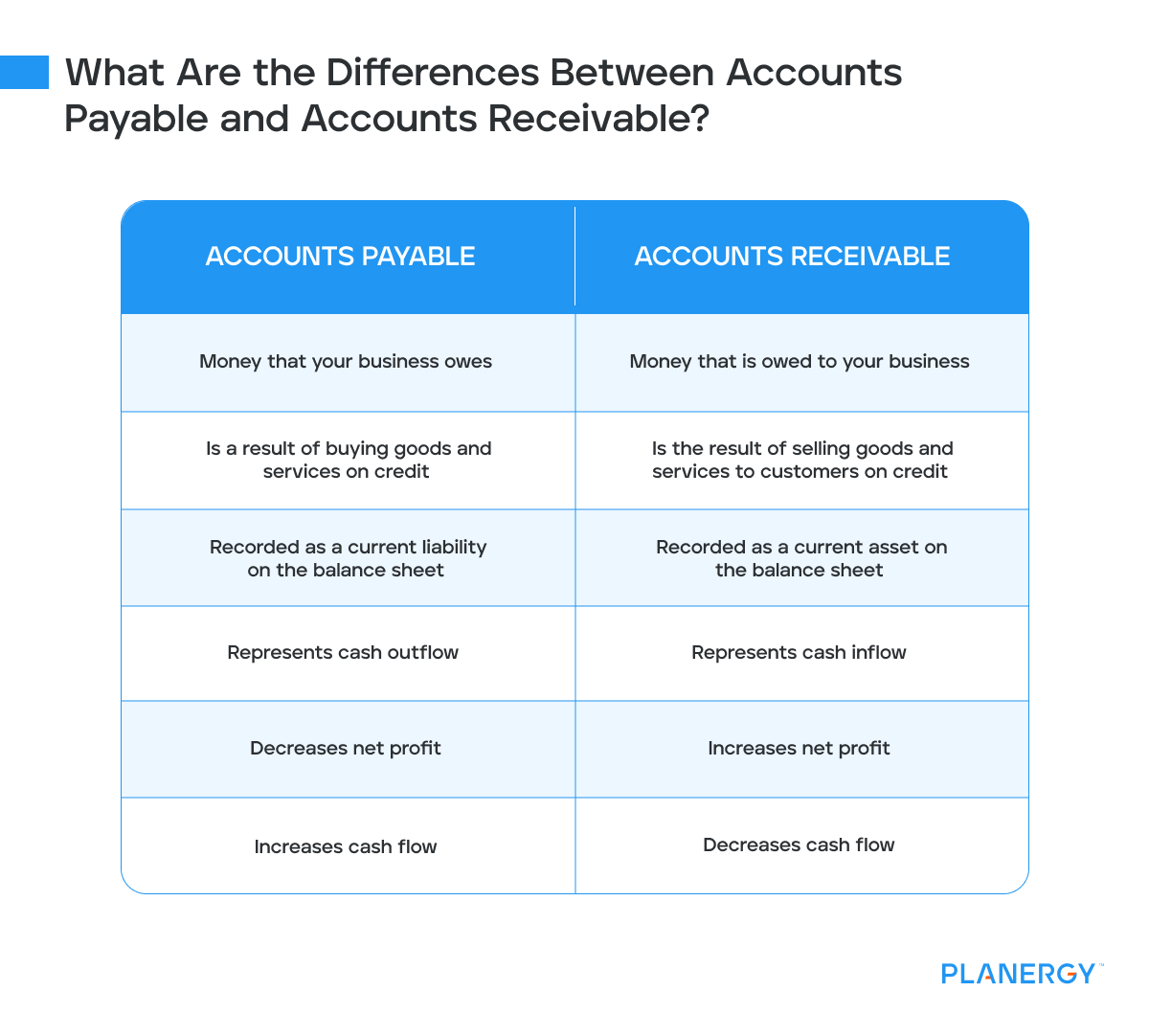
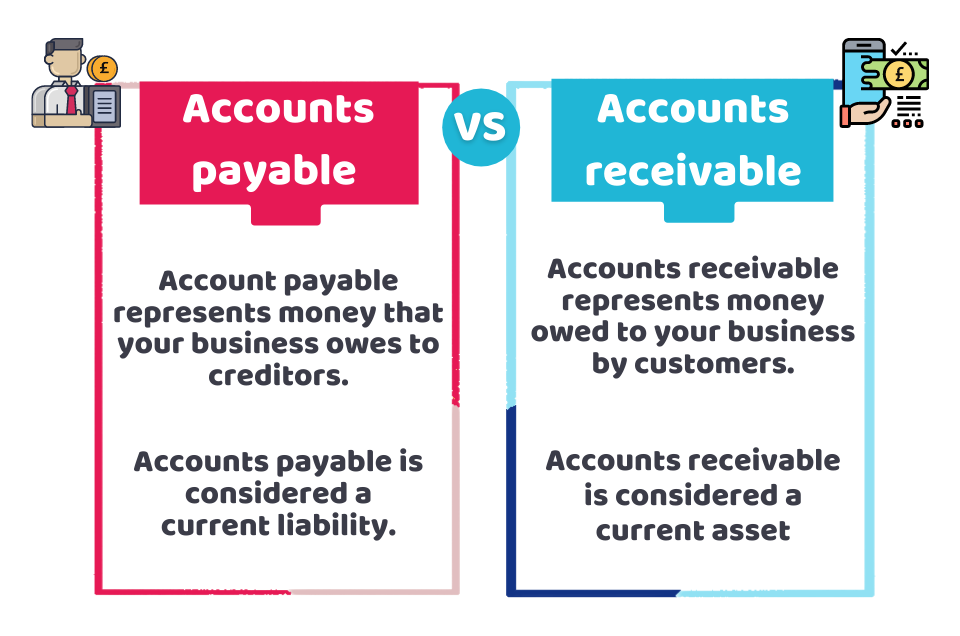
Accounts receivable (AR) refers to the money owed to a company by its customers for goods or services delivered but not yet paid for. In the world of business finance, AR is classified as a current asset on the balance sheet. It represents a legal claim to future cash, making it a critical component of a company’s working capital.
The Role of Credit in AR
Most B2B (business-to-business) transactions do not happen via immediate payment. Instead, companies extend “trade credit” to their clients. This is essentially an interest-free loan for a short period—typically 30, 60, or 90 days. While extending credit can increase sales by making it easier for customers to purchase, it also introduces risk. If a customer fails to pay, the “asset” on the balance sheet becomes a “bad debt,” which must eventually be written off, directly impacting profitability.
Key Metrics: Days Sales Outstanding (DSO)
To measure the efficiency of the accounts receivable department, financial analysts look closely at Days Sales Outstanding (DSO). This metric calculates the average number of days it takes for a company to collect payment after a sale has been made. A low DSO indicates that the business is efficient at collections and possesses high-quality customers who pay on time. Conversely, a high DSO suggests a potential liquidity crunch, as the company’s capital is tied up in unpaid invoices rather than being available for reinvestment or operational expenses.
Managing the AR Lifecycle
Effective AR management involves several stages: credit application and vetting, invoicing, payment tracking, and collections. Modern business finance demands a proactive approach to this cycle. By utilizing automated invoicing and offering diverse payment methods, companies can reduce the friction of payment. Furthermore, offering early payment discounts (e.g., “2/10, Net 30,” where a 2% discount is given if paid within 10 days) is a strategic way to accelerate cash inflows and improve the overall financial health of the organization.
Understanding Accounts Payable: Navigating Financial Obligations
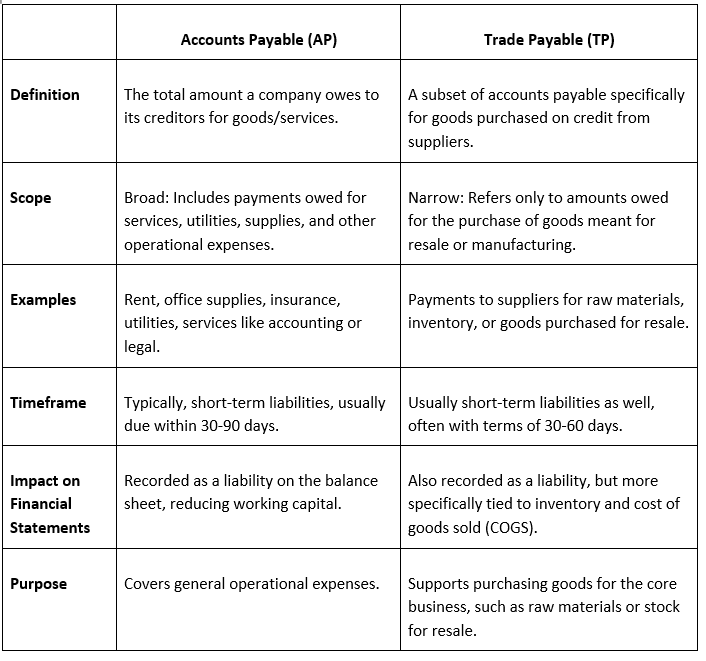
On the opposite side of the ledger sits accounts payable (AP). This represents the money a company owes to its suppliers, vendors, or creditors for goods and services purchased on credit. On the balance sheet, AP is categorized as a current liability because it is a debt that must usually be settled within one year.
AP as a Strategic Tool
While having debt might sound negative, accounts payable is actually a vital tool for business leverage. By purchasing on credit, a company can acquire the raw materials or services it needs to generate revenue before it actually has to part with its cash. This delay in payment allows the business to maintain a higher cash balance, which can be used for other strategic purposes, such as R&D or marketing.
The goal of AP management is not necessarily to pay as quickly as possible, but to pay as strategically as possible. This involves balancing the desire to keep cash in the bank for as long as possible with the need to maintain strong, positive relationships with suppliers who may offer better terms or priority service to reliable payers.
Key Metrics: Days Payable Outstanding (DPO)
Just as AR has DSO, accounts payable is measured by Days Payable Outstanding (DPO). This metric tracks how long it takes a company to pay its own bills. A high DPO means the company is holding onto its cash longer, which can be a sign of strong bargaining power or sophisticated treasury management. However, if the DPO is too high, it may signal that the company is struggling to meet its obligations, which can damage its credit rating and vendor relationships.
The Lifecycle of a Liability
The AP process begins when a purchase order is issued and ends when the payment is reconciled. This includes “three-way matching,” a critical internal control where the purchase order, the receiving report (proving the goods arrived), and the vendor’s invoice are compared to ensure accuracy. Proper AP management prevents fraud, eliminates duplicate payments, and ensures that the company is only paying for exactly what it received.
The Balancing Act: Impact on Cash Flow and the Balance Sheet
The relationship between accounts payable and accounts receivable is the primary driver of a company’s cash conversion cycle (CCC). The CCC measures how long it takes for a dollar spent on inventory to be converted back into a dollar of cash through sales.
Liquidity and Working Capital
Working capital is defined as current assets minus current liabilities. Since AR is an asset and AP is a liability, they are the two most significant variables in this equation. A business could be highly profitable on paper (in terms of net income) but still go bankrupt if its AR is too high and its AP is due immediately. This “liquidity gap” occurs when a company has plenty of revenue but no accessible cash to pay its employees or rent.
Accrual vs. Cash Accounting
The concepts of AP and AR are central to accrual-basis accounting, which is the standard for most established businesses and required by GAAP (Generally Accepted Accounting Principles). In accrual accounting, revenue is recorded when it is earned (creating an AR entry) and expenses are recorded when they are incurred (creating an AP entry), regardless of when the actual cash changes hands. This provides a much more accurate picture of a company’s long-term financial health than cash-basis accounting, which only looks at the bank balance.
Investor and Creditor Perspective
When investors or banks look at a company’s financial statements, they scrutinize the ratio between AP and AR. A healthy balance suggests that the company has a sustainable flow of business. If AR is significantly higher than AP, the company may be growing rapidly but needs to watch its collection speed. If AP is consistently much higher than AR, the company may be over-leveraged or relying too heavily on vendor credit to stay afloat.
Strategies for Optimizing the AP/AR Cycle
In the modern financial landscape, simply tracking these numbers is not enough. High-performing businesses implement specific strategies to optimize both sides of the ledger to maximize their “Money” position.
Leveraging Financial Technology
The digital transformation of finance has introduced sophisticated tools for managing these cycles. Automated AR platforms can send smart reminders to customers, reducing the manual labor of collections. On the AP side, automated systems can catch errors and suggest the optimal time to pay an invoice to maximize cash retention while avoiding late fees. For many businesses, integrating these systems into a centralized ERP (Enterprise Resource Planning) platform is the key to maintaining a real-time view of their financial position.
Negotiating Favorable Terms
Business finance is often a game of negotiation. Savvy finance officers negotiate longer payment terms with their suppliers (extending AP) while simultaneously tightening credit terms for their customers (accelerating AR). If a company can collect its receivables in 30 days but doesn’t have to pay its vendors for 60 days, it effectively has 30 days of “free” cash flow to invest elsewhere.
Managing Bad Debt and Risk
No AR strategy is complete without a robust risk management component. This involves performing credit checks on new clients and setting appropriate credit limits. In the world of business finance, it is often better to pass on a sale than to make a sale to a customer who will never pay. Regularly reviewing an “AR Aging Report”—which categorizes unpaid invoices by how long they have been outstanding—allows management to identify troubled accounts early and take corrective action.
Conclusion: The Pillars of Financial Stability
Accounts payable and accounts receivable are more than just line items on a spreadsheet; they are the fundamental indicators of a business’s operational efficiency and financial health. While they represent opposite ends of the transaction spectrum—one an obligation to pay and the other a right to collect—they must be managed in tandem to ensure the company remains liquid, solvent, and ready for growth.
By understanding the nuances of credit terms, monitoring key metrics like DSO and DPO, and utilizing modern financial tools, a business can transform its AP and AR departments from administrative cost centers into strategic assets. In the high-stakes world of finance, the ability to master the timing of cash inflows and outflows is often what separates the market leaders from those who merely survive. Whether you are managing a small side hustle or a major corporation, the principles of AP and AR remain the same: cash is king, but the strategic management of credit is the crown.
aViewFromTheCave is a participant in the Amazon Services LLC Associates Program, an affiliate advertising program designed to provide a means for sites to earn advertising fees by advertising and linking to Amazon.com. Amazon, the Amazon logo, AmazonSupply, and the AmazonSupply logo are trademarks of Amazon.com, Inc. or its affiliates. As an Amazon Associate we earn affiliate commissions from qualifying purchases.