
In the burgeoning era of the “Quantified Self,” the definition of what constitutes an acceptable blood sugar level has transitioned from a purely clinical concern to a data-driven technological frontier. For decades, monitoring glucose was a manual, invasive, and episodic task reserved strictly for those with diagnosed metabolic conditions. However, the convergence of high-performance sensors, artificial intelligence, and cloud computing has transformed glucose tracking into a pillar of modern health technology. Today, understanding acceptable blood sugar levels is as much about the hardware and software utilized to track them as it is about the physiological metrics themselves.

This article explores the technological ecosystem surrounding glucose monitoring, examining how modern innovations are redefining our understanding of metabolic health through real-time data, predictive analytics, and sophisticated software integration.
The Hardware Revolution: From Finger Pricks to Continuous Glucose Monitors (CGMs)
The journey of defining and maintaining acceptable blood sugar levels begins with the hardware. Traditionally, “acceptable” was measured via a Glucometer, a device requiring a capillary blood sample (a finger prick). While accurate, these devices only provide a “snapshot” in time, failing to capture the dynamic fluctuations caused by stress, exercise, and diet.
The Mechanics of Interstitial Fluid Sensing
The most significant leap in this niche is the Continuous Glucose Monitor (CGM). Unlike traditional meters, CGMs use a tiny filament inserted under the skin to measure glucose levels in the interstitial fluid. This tech allows for a streaming data flow, updated every one to five minutes. For tech enthusiasts and developers, the breakthrough here isn’t just the chemistry of the sensor but the miniaturization of the transmitter. Modern sensors from industry leaders like Dexcom and Abbott utilize Bluetooth Low Energy (BLE) to transmit this data directly to a smartphone or smartwatch, turning a biological metric into a digital notification.
Wearable Integration and Smartwatch Ecosystems
The integration of glucose data into the broader wearable ecosystem—Apple Watch, Garmin, and Android Wear—has fundamentally changed user behavior. We are seeing a move toward “glanceable” health data. When a user can check their glucose levels as easily as they check their text messages, the threshold for “acceptable” levels becomes more precise. The technology allows for haptic feedback; a vibration on the wrist can alert a user that their levels are trending outside of a pre-set digital range long before they feel physical symptoms.
Software Ecosystems and AI-Driven Insights
Data without context is merely noise. While the hardware collects the numbers, the software determines what is “acceptable” based on personalized baselines. The shift from static medical charts to dynamic app interfaces represents a major trend in health-tech software development.
Predictive Analytics: Moving Beyond Snapshots
The true power of modern glucose tech lies in predictive modeling. Sophisticated apps now use Machine Learning (ML) algorithms to analyze historical data and predict future glucose trends. For instance, if a user’s blood sugar is currently 110 mg/dL but the rate of change is dropping rapidly, an AI-powered app can forecast a hypoglycemic event 30 minutes before it occurs. This “Time in Range” (TIR) metric is a software-driven concept that provides a much more comprehensive view of metabolic health than a single fasting glucose number.
App Interoperability and User Experience (UX)
The modern health-tech stack relies heavily on interoperability. Platforms like Nutrisense and Levels have built sophisticated UX layers over raw CGM data to help non-diabetic users optimize their metabolic health. These apps integrate with other digital tools, such as MyFitnessPal for nutrition logging or Strava for exercise tracking. By overlaying a digital record of a meal (carbohydrate count) with the glucose response curve, the software can provide a “Zone Score.” This gamification of metabolic data helps users maintain “acceptable” levels through positive feedback loops and intuitive UI design.
Data Security and the Ethics of Bio-Information
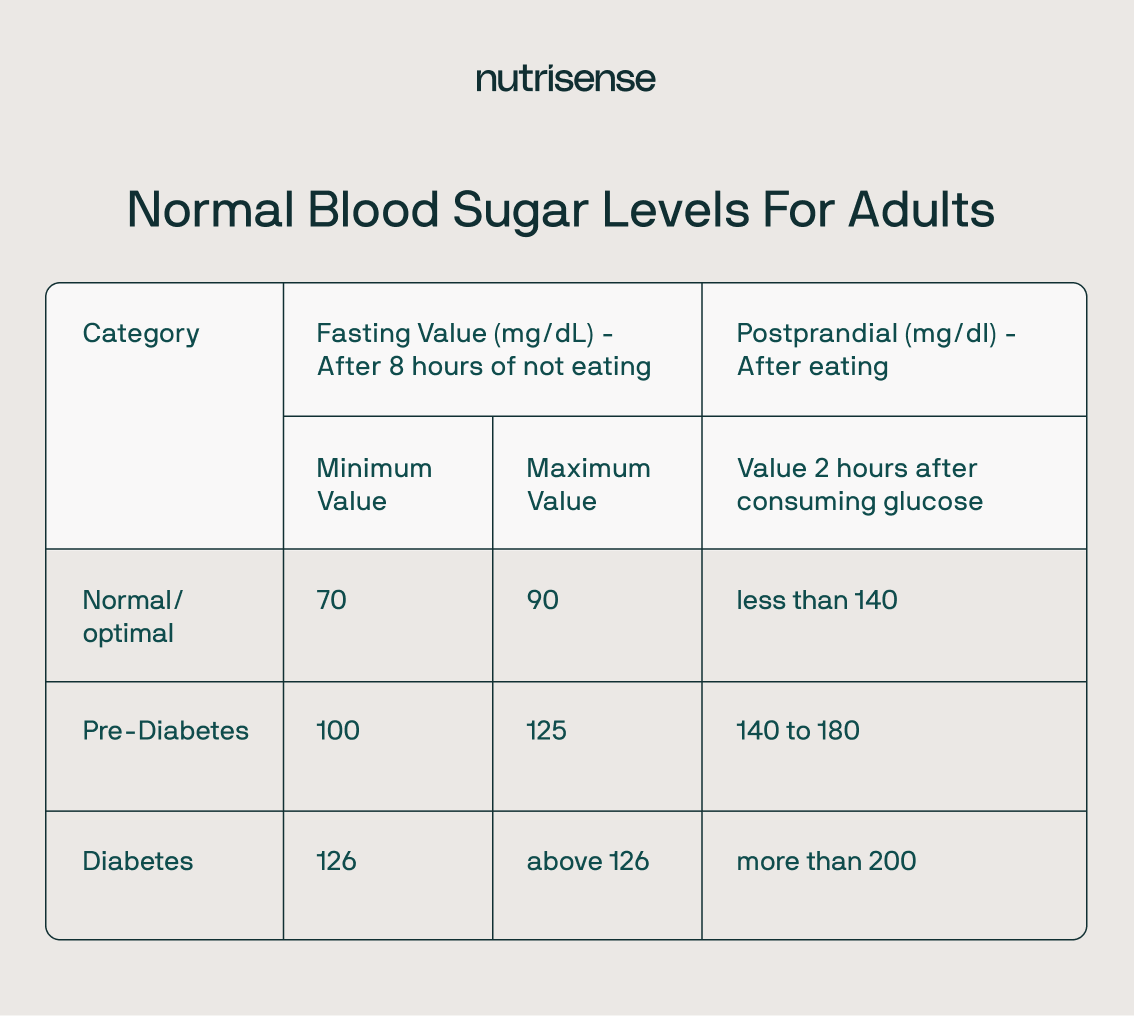
As blood sugar monitoring moves into the cloud, the conversation shifts toward digital security and the protection of sensitive biometric data. When we define acceptable blood sugar levels through digital lenses, we must also define acceptable levels of data privacy.
Protecting Sensitive Health Data in the Cloud
Glucose data is highly personal and, in many jurisdictions, falls under strict regulations like HIPAA in the United States or GDPR in Europe. The technology behind these platforms must employ end-to-end encryption to ensure that a user’s metabolic profile is not intercepted. Tech companies in this space are increasingly adopting “Privacy by Design,” ensuring that data used for AI training is anonymized and aggregated. The challenge for developers is balancing the need for cloud-based synchronization (so a user can view data on multiple devices) with the mandate for localized, secure storage.
The Future of Decentralized Health Records
There is a growing movement toward the decentralization of health data. Using blockchain or distributed ledger technology, some startups are looking at ways to give users total ownership of their glucose data. In this model, an individual could grant temporary “keys” to their doctor or a health app to analyze their levels, rather than the data living permanently on a corporate server. This technological shift ensures that as we become more reliant on digital monitoring to maintain acceptable blood sugar levels, we do not sacrifice our digital autonomy.
The Impact of Machine Learning on “Normal” Ranges
What is considered “acceptable” is increasingly being redefined by Big Data. Historically, medical ranges were based on broad population averages. Today, Machine Learning is allowing for a more nuanced, individualized definition of “normal.”
Personalizing Thresholds Through Big Data
By analyzing millions of data points across diverse populations, AI tools can identify that an “acceptable” level for a 25-year-old athlete might look very different from that of a 60-year-old sedentary professional. Neural networks can identify patterns that human clinicians might miss, such as how specific sleep patterns or circadian rhythms affect glucose volatility. This transition from population-wide standards to personalized digital signatures is the hallmark of “Precision Medicine” enabled by high-performance computing.
Closing the Loop: Automated Insulin Delivery (AID) Systems
Perhaps the most impressive tech application in this niche is the “Closed-Loop” system, often referred to as the Artificial Pancreas. This involves a CGM (the sensor) communicating directly with an insulin pump (the actuator) via a sophisticated algorithm. The software makes autonomous decisions to micro-dose insulin or withhold it to keep blood sugar within an acceptable range. This represents the pinnacle of current health-tech: a fully autonomous, software-governed biological feedback loop. The development of these algorithms requires rigorous testing and “edge-case” programming to ensure user safety in every possible scenario.
The Next Frontier: Non-Invasive Sensing and Future Tech
The final piece of the tech puzzle is the quest for non-invasive monitoring. While current CGMs are “minimally invasive,” the tech industry is racing toward a “holy grail”: a completely needle-free way to measure glucose.
Optical Sensors and Raman Spectroscopy
Tech giants and startups alike are experimenting with optical sensors that use light to measure glucose molecules through the skin. Techniques such as Raman spectroscopy or radio-frequency (RF) sensing are being tested for integration into future iterations of mainstream smartwatches. If successful, this would represent a massive shift in the market, moving glucose monitoring from a specialized medical niche into a standard feature of consumer electronics.
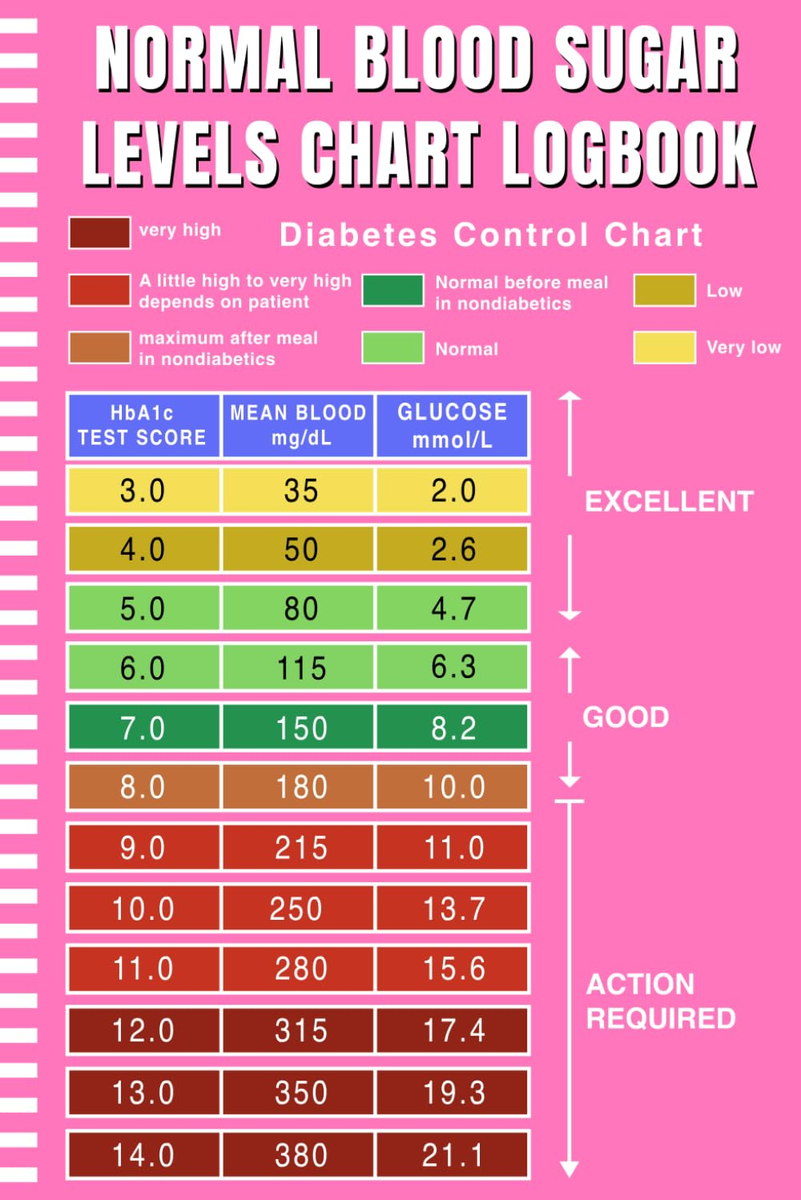
The Role of Bio-Wearable “Hearables” and Smart Contacts
Beyond the wrist, researchers are exploring other tech form factors. Smart contact lenses that measure glucose in tears and “hearables” (earbuds) that use infrared sensors to track metabolic markers are in the R&D phase. These gadgets aim to make the monitoring of acceptable blood sugar levels so friction-less that it becomes an ambient part of the human experience.
In conclusion, the question of “what are acceptable blood sugar levels” is no longer just a medical query; it is a catalyst for some of the most sophisticated technology being developed today. From the hardware engineering of subcutaneous sensors to the AI algorithms that predict metabolic trends, technology is providing the tools for unprecedented human optimization. As these tools become more accessible, secure, and intelligent, the focus shifts from merely avoiding illness to achieving a data-backed state of peak metabolic performance. The future of health is digital, and the tech governing our blood sugar is leading the charge.
aViewFromTheCave is a participant in the Amazon Services LLC Associates Program, an affiliate advertising program designed to provide a means for sites to earn advertising fees by advertising and linking to Amazon.com. Amazon, the Amazon logo, AmazonSupply, and the AmazonSupply logo are trademarks of Amazon.com, Inc. or its affiliates. As an Amazon Associate we earn affiliate commissions from qualifying purchases.