
When we discuss the most influential personal brands in history, the name Dr. Martin Luther King Jr. stands as a titan of communication, strategy, and identity. While history books rightly focus on his monumental contributions to civil rights and social justice, brand strategists and marketing professionals can look at his life as a masterclass in narrative building and movement marketing.
Building a brand is about more than logos or color palettes; it is about the resonance of a message and the consistency of a persona. Dr. King did not just lead a movement; he crafted an enduring identity that transcended his era and continues to influence global discourse today. By analyzing five interesting facts about his life through the lens of brand strategy, we can uncover profound insights into how to build a legacy that lasts.
1. The Strategic Power of Rebranding: From Michael to Martin
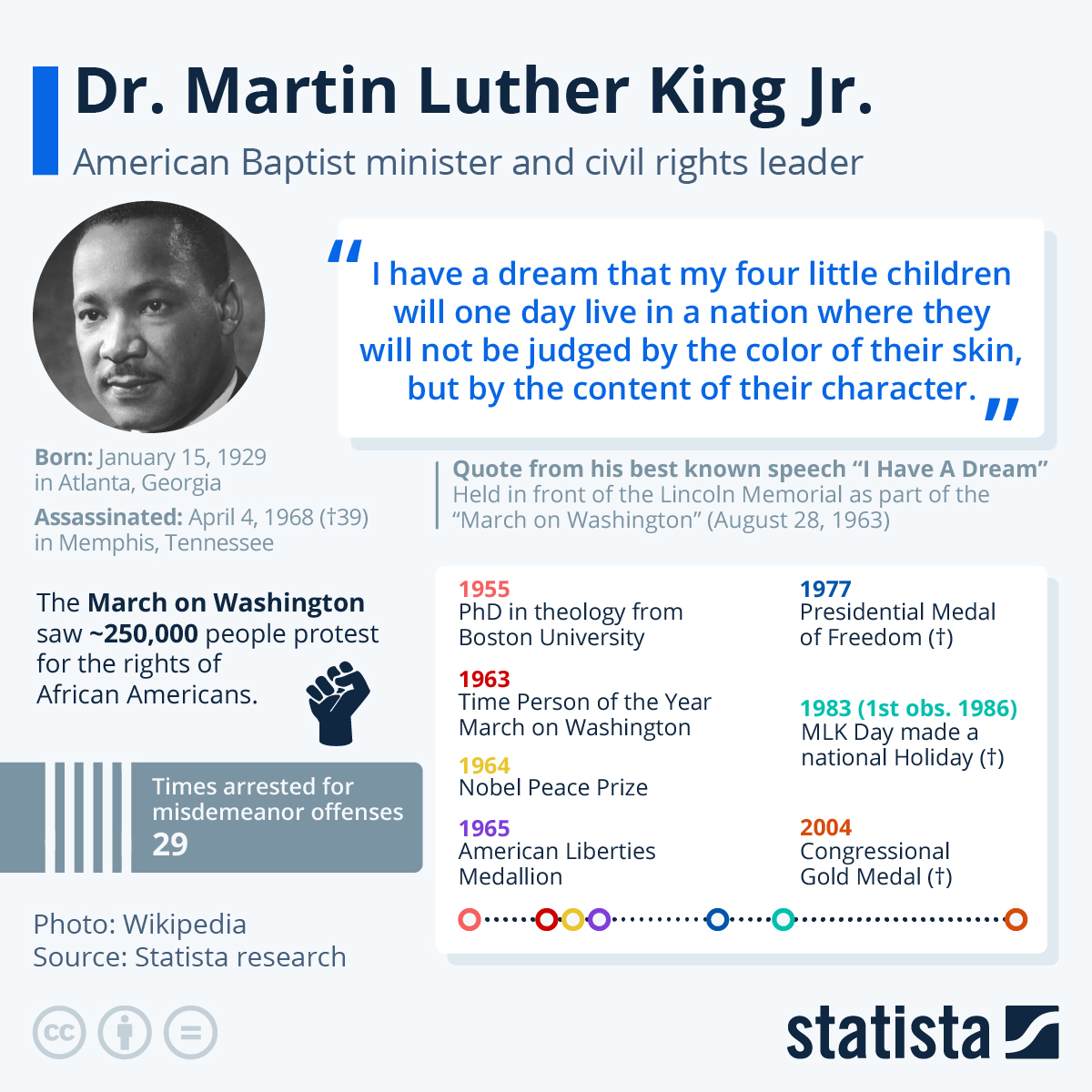
One of the most fascinating aspects of Dr. King’s personal history is that he was not born “Martin.” He was born Michael King Jr. In 1934, after his father—the senior Michael King—traveled to Germany and became inspired by the Protestant reformer Martin Luther, he decided to change both his name and his son’s name.
Building on Ancestral Heritage
From a branding perspective, this was a pivotal “rebranding” moment that aligned the family with a legacy of reform and courage. By adopting the name of Martin Luther, the elder King intentionally linked his family’s identity to a historical figure known for challenging the status quo and sparking a revolution of thought. For a brand, the name is the first touchpoint of identity. In Dr. King’s case, his name carried an inherent weight of theological authority and intellectual rebellion before he ever stepped behind a pulpit.
The Significance of Name Identity in Market Perception
In the world of corporate identity, a name change often signifies a shift in mission or an expansion of vision. For the young Martin Luther King Jr., his name became his “trademark.” It signaled a bridge between the American South and the broader history of global transformation. This serves as a reminder to modern brand builders that identity should be intentional. Whether you are a startup or a personal brand, your name and the history you choose to associate with it act as the foundation for how the public perceives your values and your “why.”
2. Authentic Voice and Rhetorical Excellence: The Improvised Dream
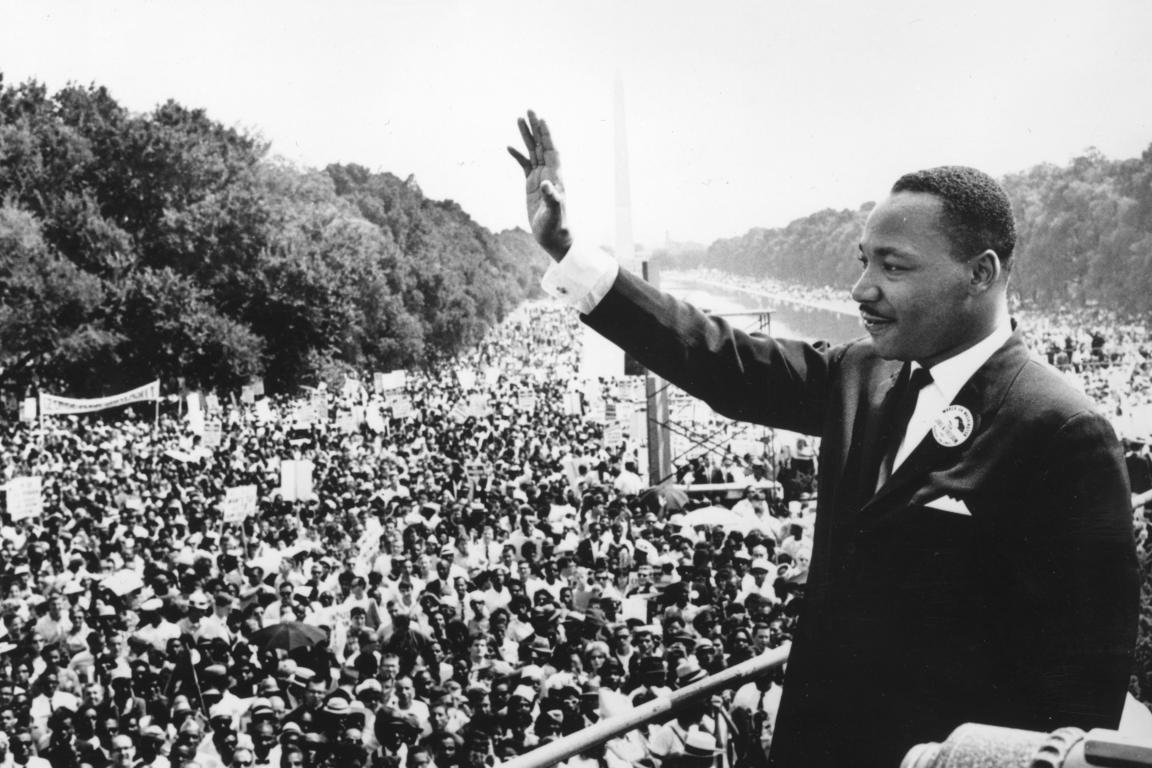
Perhaps the most iconic “brand moment” in American history is the “I Have a Dream” speech delivered at the March on Washington in 1963. However, a little-known fact is that the most famous part of that speech—the “dream” sequence—was not in the original manuscript. Dr. King was encouraged by gospel singer Mahalia Jackson, who shouted from the crowd, “Tell ’em about the dream, Martin!” King pivoted from his notes and spoke from the heart.
Moving Beyond the Script
In brand strategy, we often emphasize the importance of a “brand voice.” While consistency is key, authenticity is the catalyst for true connection. Dr. King’s ability to pivot from a prepared text to an improvised, emotionally resonant narrative highlights the power of authentic engagement. A brand that is too rigid or over-processed can feel clinical and distant. The “Dream” sequence was successful because it was a moment of raw, authentic brand expression that spoke directly to the aspirations of his “audience.”
Emotional Resonance as a Brand Pillar
Great brands don’t just sell products; they sell visions of a better future. By utilizing metaphors and vivid imagery, Dr. King engaged in what modern marketers call “story-selling.” He didn’t just list grievances; he painted a picture of a world that didn’t exist yet but felt attainable. For modern brands, this teaches us that the strongest USP (Unique Selling Proposition) is often an emotional one. When you connect with the values and hopes of your community, you move from being a service provider to being a cultural icon.
3. Establishing Global Credibility: The Nobel Peace Prize
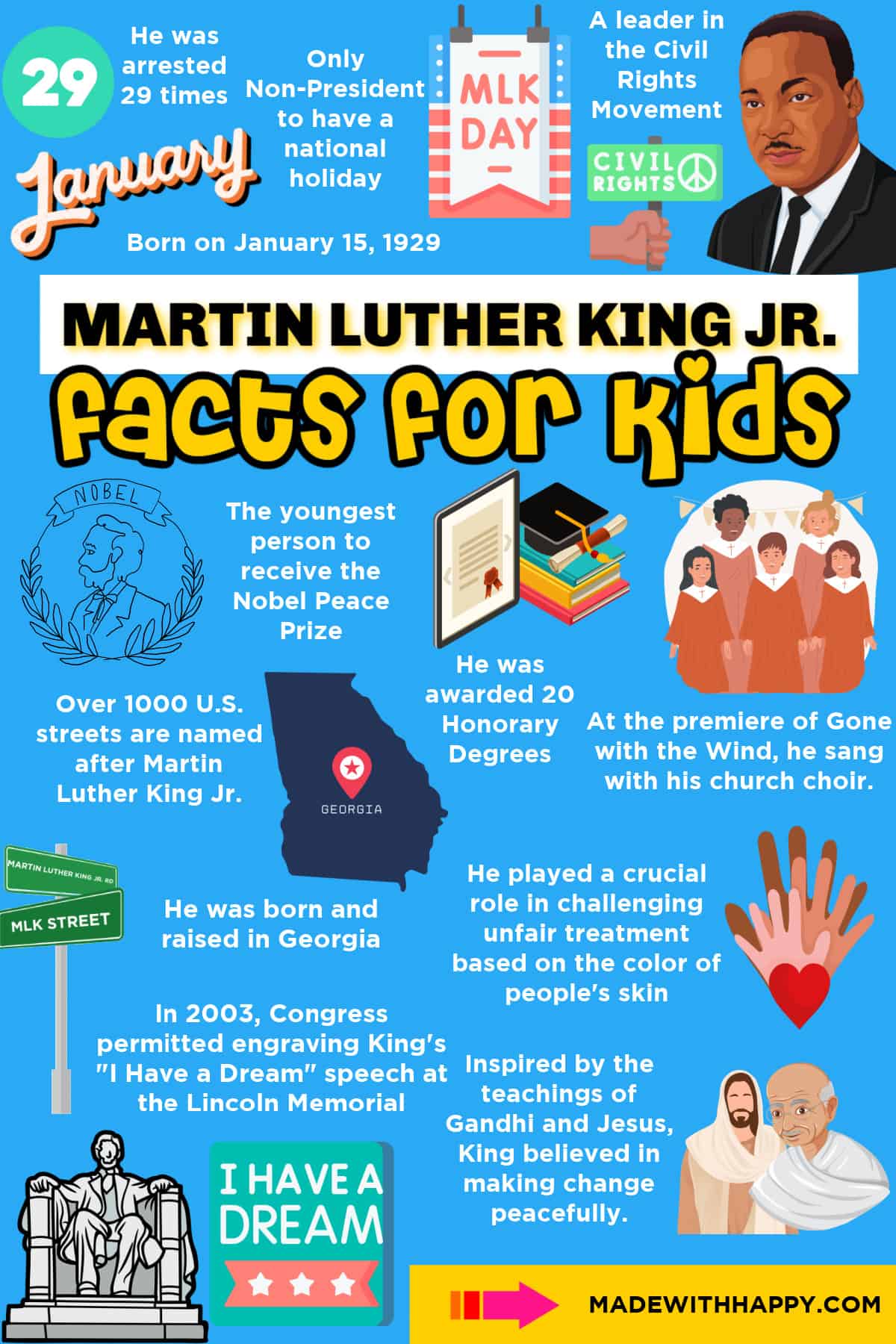
In 1964, at the age of 35, Martin Luther King Jr. became the youngest person at the time to receive the Nobel Peace Prize. This fact is more than a historical footnote; it represents the ultimate “third-party validation” for his brand.
Third-Party Validation and Brand Authority
In marketing, credibility is often built through “earned media” and external accolades. Winning the Nobel Peace Prize acted as a global “seal of approval” for the Civil Rights Movement. It shifted the narrative from a regional struggle to a global moral imperative. For any brand looking to scale, achieving this level of authority—whether through certifications, awards, or high-level partnerships—is essential. It provides a level of social proof that internal marketing efforts can never replicate.
Scaling a Local Movement to a Global Platform
Dr. King understood that for his “brand” to achieve its goals, it needed to reach beyond its initial demographic. The Nobel Prize was the vehicle that allowed his message to resonate on the international stage. In corporate strategy, this is the equivalent of a “market expansion” strategy. By aligning with global institutions, King ensured that his message was not just an American story, but a human story. It reminds us that your brand’s reach is often determined by the size of the stage you are willing to step onto.
4. Content Strategy in Times of Crisis: The Letter from Birmingham Jail
While Dr. King is best known for his oratory, his written communication was equally strategic. His “Letter from Birmingham Jail,” written in 1963 on scraps of newspaper and toilet paper, is a masterpiece of what we would now call “Thought Leadership.”
The Art of Intellectual Thought Leadership
Dr. King wrote the letter in response to a group of white clergymen who criticized his methods as “unwise and untimely.” Instead of a simple rebuttal, King produced a rigorous, philosophical defense of nonviolent resistance. This is the essence of high-level content marketing: addressing the “pain points” and objections of your critics with such intellectual depth that you convert skeptics and empower advocates.
Distribution and Reach Without Modern Tools
Even without social media, Dr. King understood the importance of “viral content.” The letter was widely distributed to the press and through church networks, becoming one of the most important documents of the era. This teaches modern brands about the importance of substance over medium. If the “content” is powerful enough and addresses a fundamental human truth, it will find its audience. King used his “crisis” (imprisonment) as a platform to create his most enduring written work, showing that brand resilience often involves turning obstacles into opportunities for communication.
5. Consistency and Symbolism: The Iconography of a Leader
A final interesting fact about Dr. King was his meticulous attention to his public image. He was rarely seen in public without a crisp suit and tie, often accompanied by his signature mustache and poised demeanor. This was a deliberate choice to project dignity, professionalism, and a “moral high ground.”
The Iconography of a Leader
Visual identity is a cornerstone of branding. Dr. King and the leaders of the Southern Christian Leadership Conference (SCLC) knew that their visual presentation would be contrasted against the violence of their oppressors. By maintaining a professional, non-threatening, and dignified aesthetic, they created a visual brand that was difficult for the mainstream media of the 1960s to demonize. This consistency created a “brand package” that was recognizable and synonymous with peaceful authority.
Long-term Brand Equity: The MLK Legacy
The fact that Dr. King’s image and words are still used in advertising, education, and political campaigns today—over 50 years after his passing—is a testament to his “Brand Equity.” He created a set of symbols (the podium, the march, the dream) that represent universal values. For modern businesses, the lesson is clear: building a brand is about long-term equity, not short-term gains. By staying consistent with your visual identity and your core values, you create a brand that can survive the test of time and even outlast its founder.
Conclusion: The Architecture of an Enduring Brand
Martin Luther King Jr. was a man of profound faith and conviction, but he was also a brilliant strategist who understood the power of identity, narrative, and perception. By examining the facts of his life—from his name change to his improvised speeches and his global accolades—we see the blueprint of a brand that changed the world.
Whether you are building a personal brand or a corporate identity, the lessons from Dr. King’s life remain relevant. Focus on your “why,” maintain an authentic voice, seek external validation, create high-value content, and never underestimate the power of a consistent visual identity. In doing so, you don’t just build a brand; you build a legacy.
aViewFromTheCave is a participant in the Amazon Services LLC Associates Program, an affiliate advertising program designed to provide a means for sites to earn advertising fees by advertising and linking to Amazon.com. Amazon, the Amazon logo, AmazonSupply, and the AmazonSupply logo are trademarks of Amazon.com, Inc. or its affiliates. As an Amazon Associate we earn affiliate commissions from qualifying purchases.