
In the modern financial landscape, few three-digit numbers carry as much weight as your credit score. It is the silent gatekeeper of your financial life, determining whether you qualify for a mortgage, the interest rate on your auto loan, and sometimes even your eligibility for certain employment opportunities or rental agreements. Despite its importance, the credit score often feels like a mysterious enigma, calculated behind closed doors by algorithms that seem intentionally complex.
However, the reality is far more structured. Whether you are looking at the FICO® Score—the model used by 90% of top lenders—or the VantageScore, the calculation is rooted in specific categories of financial behavior. By understanding these five core factors, you can move from a position of uncertainty to one of strategic financial management. This article delves deep into the pillars of credit scoring to help you master your personal finance journey.
1. Payment History: The Bedrock of Financial Reliability
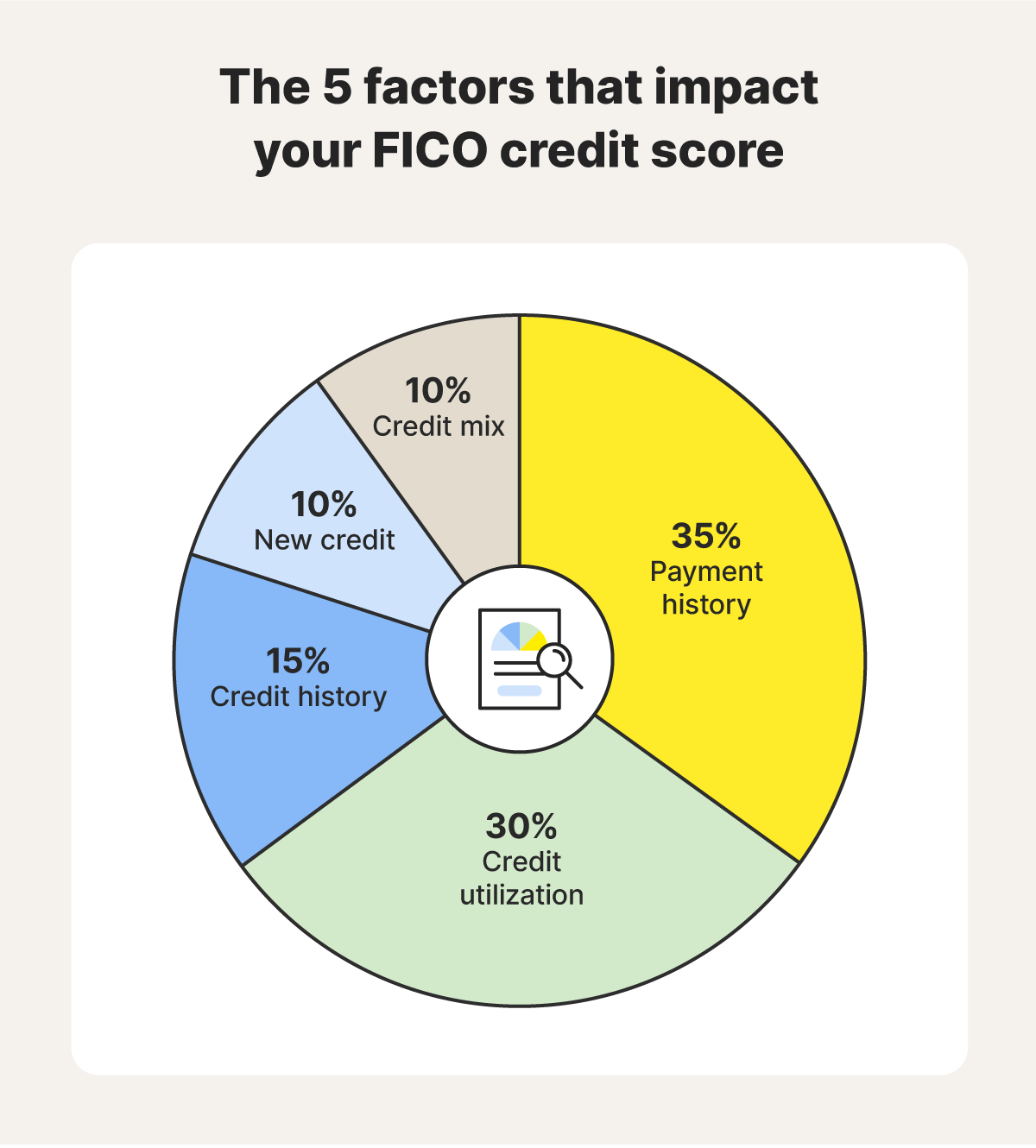
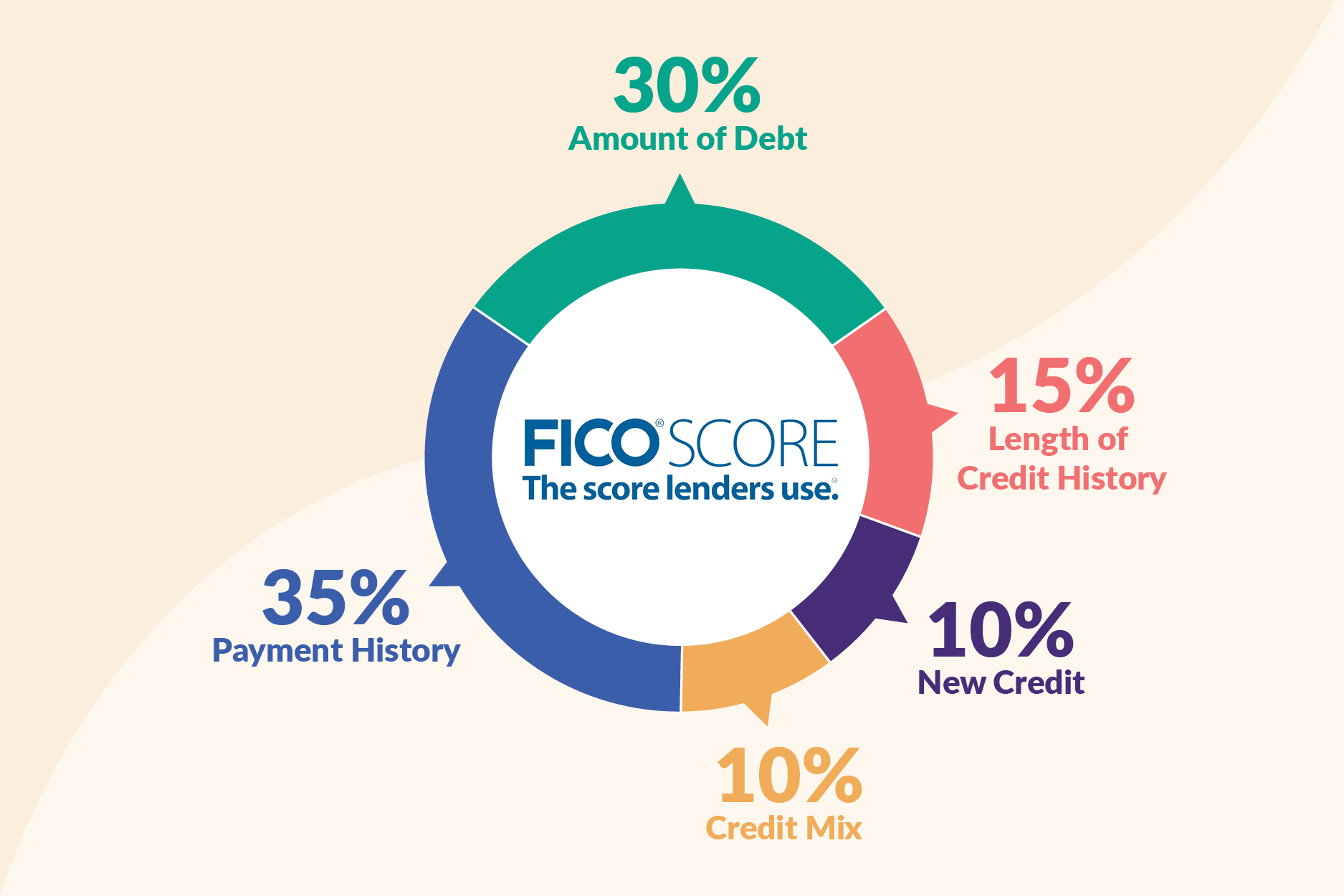
Payment history is the most significant factor in your credit score, accounting for approximately 35% of a FICO Score. Lenders view your past behavior as the most reliable predictor of your future performance. If you have a track record of paying your bills on time, you are statistically less likely to default in the future.
The Weight of a Single Late Payment
Consistency is paramount. A single 30-day late payment can cause a significant drop in a high credit score, sometimes by as much as 60 to 100 points. The credit scoring models look at three primary elements regarding late payments: how recent the delinquency was, how frequently you miss payments, and how severe the delinquency became (e.g., 30 days vs. 90 days late). While a late payment from five years ago carries less weight than one from last month, it still remains on your report for seven years, acting as a lingering shadow on your financial profile.
The Power of Automated Systems
In the realm of personal finance, human error is often the greatest enemy of a good credit score. Forgetting a due date because of a busy schedule is a common pitfall. To safeguard your payment history, financial experts recommend leveraging automation. Setting up “Auto-Pay” for at least the minimum amount due ensures that you never miss a deadline. This allows you to maintain a “clean” record, which provides the strongest possible foundation for a high score.
2. Credit Utilization: Balancing Debt and Available Credit
The second most influential factor, accounting for 30% of your score, is the amount of debt you owe relative to your total credit limits. This is known as the credit utilization ratio. Lenders use this metric to determine if you are “overextended.” If you are constantly maxing out your credit cards, it suggests to lenders that you may be relying too heavily on borrowed money to sustain your lifestyle, making you a higher risk.
The 30% Rule and Beyond
The conventional wisdom in personal finance is to keep your utilization below 30% on each individual card and across all your accounts combined. However, for those aiming for “excellent” or “elite” credit scores (above 800), the reality is that the highest scorers typically keep their utilization under 10%. It is important to note that having a 0% utilization isn’t necessarily better than 1% or 2%; lenders want to see that you use your credit and manage it responsibly, rather than not using it at all.
Strategies for Lowering Utilization
If your utilization is high, there are two primary ways to fix it: pay down the debt or increase the limit. While paying off the balance is the most beneficial for your overall financial health, you can also request a credit limit increase from your card issuer. If your income has increased or you have a history of on-time payments, many lenders will grant an increase. This instantly lowers your utilization ratio, provided you do not increase your spending to match the new limit.
3. Length of Credit History: Why Longevity Matters
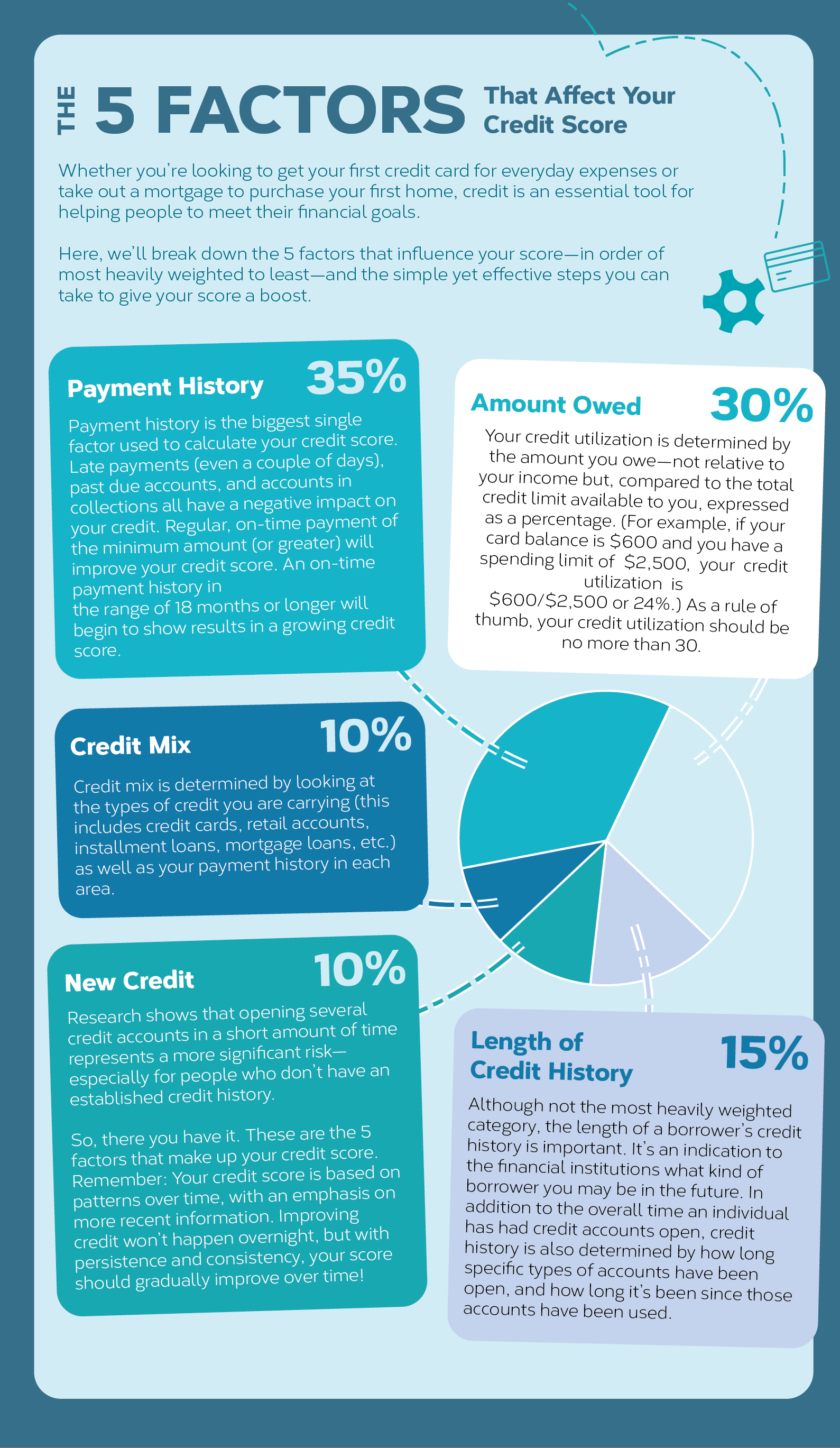
The age of your credit accounts makes up 15% of your score. This factor considers how long your credit accounts have been established, the age of your oldest account, the age of your newest account, and the average age of all your accounts. A longer credit history provides more data for the scoring models to analyze, which generally translates to a more predictable risk profile for the lender.
The Average Age of Accounts
Every time you open a new credit card or take out a new loan, the “average age” of your accounts decreases. This is why financial advisors often caution against opening several new accounts in a short period. While the new credit might increase your total available limit (helping your utilization), the decrease in the average age of your accounts can temporarily pull your score down.
The Risk of Closing Old Accounts
A common mistake in personal finance is closing an old credit card that is no longer being used. While it may seem like “cleaning up” your finances, closing your oldest account can significantly shorten your credit history and potentially hurt your score. Unless the card carries a high annual fee that outweighs the credit benefits, it is usually wiser to keep the account open, perhaps using it once every few months for a small purchase to keep it active.
4. Credit Mix and New Inquiries: Diversification and Moderation
The final 20% of your score is split equally between two factors: your credit mix (10%) and new credit inquiries (10%). While these are smaller pieces of the pie, they are often the “finishing touches” that separate a good score from a great one.
Revolving vs. Installment Credit
Lenders like to see that you can manage different types of credit responsibly. There are two main types: revolving credit (like credit cards and lines of credit) and installment credit (such as mortgages, auto loans, and student loans). A healthy mix demonstrates that you can handle the fluctuating monthly payments of a credit card as well as the fixed, long-term commitment of a structured loan. However, you should never take out a loan you don’t need just to “improve your mix”; the interest costs rarely justify the small boost in your score.
Navigating Hard Inquiries
Whenever you apply for credit, a “hard inquiry” is placed on your report. A single inquiry usually only drops a score by a few points and remains on your report for two years (though it only impacts your score for one). However, multiple hard inquiries in a short timeframe can signal that you are in financial distress or preparing to take on a significant amount of debt. The exception to this is “rate shopping” for a mortgage or auto loan; most modern scoring models treat multiple inquiries for the same type of loan within a 14-to-45-day window as a single event, allowing you to find the best deal without penalizing your score.
5. Strategic Financial Management: Building a Resilient Credit Profile
Understanding the five factors is only the first step; the second is implementing a long-term strategy to maintain and protect your score. Credit management is not a one-time task but a continuous process of financial hygiene.
Regular Monitoring and Fraud Protection
In an era of increasing digital security breaches, monitoring your credit report is essential. Under federal law, you are entitled to a free credit report from each of the three major bureaus (Equifax, Experian, and TransUnion) every year via AnnualCreditReport.com. Checking these reports allows you to ensure that the “5 factors” are being reported accurately. Errors on credit reports are surprisingly common, and a mistaken late payment or an account that isn’t yours can devastate your score.
The Long-term Impact on Wealth Building
Ultimately, a credit score is a tool for building wealth. By mastering these five factors, you position yourself to pay the least amount of interest possible over your lifetime. For example, on a $300,000 mortgage, the difference between a “Fair” score and an “Excellent” score can result in tens of thousands of dollars in interest savings. That is money that can instead be channeled into investments, retirement accounts, or side businesses.
In conclusion, your credit score is a reflection of your financial habits. By prioritizing on-time payments, keeping debt levels low, respecting the age of your accounts, diversifying your credit types, and being cautious with new applications, you can command your financial future. Success in personal finance is rarely about luck; it is about understanding the rules of the game and playing it with discipline and foresight.
aViewFromTheCave is a participant in the Amazon Services LLC Associates Program, an affiliate advertising program designed to provide a means for sites to earn advertising fees by advertising and linking to Amazon.com. Amazon, the Amazon logo, AmazonSupply, and the AmazonSupply logo are trademarks of Amazon.com, Inc. or its affiliates. As an Amazon Associate we earn affiliate commissions from qualifying purchases.