
Apple Inc. stands as an unparalleled titan in the global technology landscape, a company whose name has become synonymous with innovation, sleek design, and a user experience that often feels intuitive, almost magical. But beyond the iconic logo and a fervent user base, what exactly does Apple do? At its core, Apple is a relentless innovator and integrator of technology, shaping how billions worldwide interact with information, communicate, create, and live their daily lives. Its sprawling technological empire extends across diverse sectors, from the devices we hold in our hands to the software that powers them, and the services that enrich our digital existence, all while consistently pushing the boundaries of what’s possible.

For decades, Apple has not merely participated in the tech industry; it has often dictated its direction. From democratizing personal computing to revolutionizing mobile communication and pioneering new paradigms in wearables and spatial computing, Apple’s actions are characterized by a profound commitment to vertical integration, meticulous engineering, and an unwavering focus on the end-user. This article delves into the technological fabric of Apple, exploring the core pillars of its innovation, its expansive ventures into emerging technologies, and the distinctive approach that underpins its enduring influence.
The Core Pillars of Apple’s Technological Empire
Apple’s prowess stems from a symbiotic relationship between groundbreaking hardware and sophisticated software, designed to work in perfect harmony. This integrated approach is a cornerstone of its technological philosophy, yielding products and services that often set industry benchmarks.
Revolutionary Hardware Design and Engineering
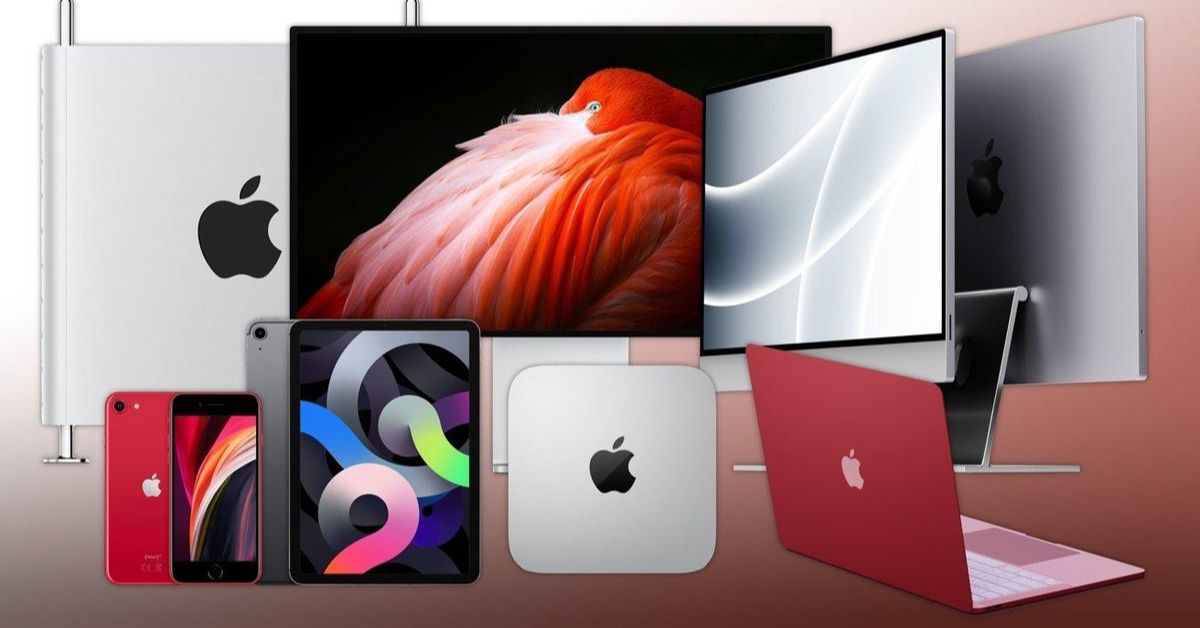
At the heart of Apple’s technological offerings is an iconic array of hardware products, each a testament to its commitment to cutting-edge engineering and minimalist, functional design. The iPhone, arguably Apple’s most impactful creation, redefined the smartphone category, blending powerful computing with an intuitive touchscreen interface. Its continuous evolution showcases advancements in mobile processing (driven by Apple’s custom A-series chips), camera technology, display quality, and biometric security.
The Mac line, including MacBooks and iMacs, continues to be a powerhouse for professionals and creatives. The transition to Apple’s self-designed M-series silicon marked a pivotal moment, delivering unprecedented performance per watt, consolidating Apple’s control over its computing stack, and blurring the lines between desktop and mobile chip architectures. This move allowed for tighter integration between hardware and software, unlocking new levels of efficiency and capability.
Beyond its computing devices, Apple has successfully innovated in other hardware categories. The iPad created and dominates the tablet market, serving as a versatile canvas for creativity and productivity. The Apple Watch transformed wearables into essential health and fitness companions, packed with advanced sensors for heart rate, blood oxygen, and even ECG readings, demonstrating a deep dive into personal health technology. AirPods revolutionized wireless audio, setting new standards for ease of use, sound quality, and noise cancellation, thanks to sophisticated custom chips and acoustic engineering. Each piece of hardware is not just a gadget; it’s a meticulously crafted piece of technology designed for seamless interaction and long-term durability.
The Seamless Software Ecosystem
Complementing its hardware is Apple’s robust suite of operating systems and applications, forming a cohesive digital ecosystem. iOS, the operating system powering the iPhone, is renowned for its user-friendly interface, robust security features, and a vast ecosystem of third-party applications accessible through the App Store. Its continuous refinement introduces new functionalities, privacy enhancements, and performance optimizations with each annual release.
macOS, for Apple’s computers, provides a powerful yet accessible environment for productivity and creativity, integrating tightly with iOS devices for features like Handoff and Universal Clipboard. Similarly, iPadOS has evolved to leverage the iPad’s unique capabilities, offering advanced multitasking and stylus support. watchOS empowers the Apple Watch with health tracking, communication, and app integration, while tvOS provides a streamlined interface for Apple TV.
The common thread across these operating systems is an emphasis on consistency, security, and privacy. Apple engineers its software with privacy at its core, offering users granular control over their data and striving to minimize data collection. Furthermore, the regular and long-term software support for its devices ensures that users benefit from new features and security updates for years, enhancing the longevity and value of their technological investments. This holistic approach ensures that every piece of Apple hardware feels deeply integrated with its software, creating a user experience that is consistently intuitive and powerful.
Expanding Horizons: Services and Emerging Tech
Apple’s technological reach extends far beyond traditional hardware and software, encompassing a rapidly growing portfolio of services and an ambitious exploration of future-defining technologies.
The Powerhouse of Apple Services
In recent years, Apple has significantly expanded its services division, transforming it into a crucial technological pillar that enhances the value of its hardware ecosystem and provides recurring value to users. The App Store, launched in 2008, remains a technological marvel, a curated marketplace providing billions of apps to users worldwide, enabling a vast economy for developers. It’s a testament to Apple’s ability to create and manage a robust digital distribution platform, complete with discovery tools, secure payment processing, and rigorous review guidelines.
Apple Music leverages advanced streaming technology to offer millions of songs, personalized recommendations, and curated playlists. Apple TV+ showcases Apple’s commitment to original content creation and advanced video streaming infrastructure, competing with established media giants. Apple Arcade provides a curated selection of high-quality, ad-free games, demonstrating Apple’s continued investment in interactive entertainment technology.
Beyond entertainment, services like iCloud provide seamless cloud storage, synchronization, and backup across all Apple devices, underpinned by robust encryption and data security measures. Apple Pay revolutionized mobile payments, employing secure element technology and tokenization to offer a private and safe way to conduct transactions. Apple Maps has evolved into a sophisticated navigation and mapping service, incorporating detailed 3D views, public transit information, and privacy-focused features. These services are not merely add-ons; they are deeply integrated technological offerings that enrich the user experience, foster loyalty, and demonstrate Apple’s capability to deliver complex, large-scale digital platforms.
Ventures into Next-Gen Technologies
Apple is not content with its current successes; it consistently invests in and explores cutting-edge technologies that promise to shape the future. Artificial Intelligence (AI) and Machine Learning (ML) are deeply embedded across its products and services. From Siri, its intelligent voice assistant, to on-device intelligence that powers features like advanced photography, predictive text, and personalized recommendations, Apple leverages AI to make its products smarter and more intuitive. Its focus on “differential privacy” in AI research aims to balance powerful machine learning capabilities with user data protection.
The company is making significant strides in Augmented Reality (AR) and Virtual Reality (VR). The introduction of Apple Vision Pro, its “spatial computer,” marks a monumental leap into immersive computing. This device showcases Apple’s capacity for miniaturization, advanced display technology, custom silicon (R1 chip for real-time sensor processing), and sophisticated sensor fusion, aiming to seamlessly blend digital content with the physical world. This venture represents a long-term bet on a new computing paradigm, driven by decades of research in graphics, input, and user interface design.
In the realm of Health Technology, the Apple Watch has become a formidable platform. Its sensors continually evolve, offering capabilities like ECG, blood oxygen saturation, temperature sensing, and robust activity tracking. Apple is also investing in health research initiatives, leveraging its devices to collect data ethically and contribute to medical science. Furthermore, Apple’s commitment to sustainability is deeply intertwined with its technological innovations, from designing products with recycled materials and energy-efficient components to developing sophisticated recycling robots that minimize waste. These ventures underscore Apple’s forward-thinking approach, positioning it at the forefront of the next wave of technological evolution.
The Apple Approach: Integration, Innovation, and User Experience
Apple’s consistent success and technological leadership are not accidental; they are the result of a deliberate and distinctive approach to product development and market strategy.
Vertical Integration as a Strategic Advantage
One of the defining characteristics of “what Apple does” is its unparalleled commitment to vertical integration. Unlike many tech companies that rely on third-party suppliers for key components or software, Apple designs and engineers a vast majority of its core technologies in-house. This includes custom silicon (A-series, M-series, W-series, H-series, R1 chips), operating systems (iOS, macOS, watchOS, tvOS, iPadOS, visionOS), and a growing array of services.
This deep integration yields several significant technological advantages:
- Optimized Performance: By controlling both hardware and software, Apple can fine-tune every component to work in perfect concert, extracting maximum performance and efficiency. This is evident in the M-series chips, which are specifically designed to execute macOS and its applications with remarkable speed and power efficiency.
- Enhanced Security: A unified control over the entire stack allows for more robust security measures, from secure boot processes and encryption to strict app review guidelines and privacy-focused software architecture.
- Seamless User Experience: The tight integration ensures that features like Handoff, AirDrop, and Universal Control work flawlessly across devices, creating a fluid and continuous digital experience for the user.
- Innovation Control: Apple can innovate more rapidly and introduce groundbreaking features that might be impossible for companies relying on fragmented ecosystems. For example, the sensor fusion and custom chips powering the Vision Pro are a direct result of this integrated development strategy.
Relentless Pursuit of Innovation
Apple’s history is a continuous narrative of innovation, characterized not just by inventing new things, but by refining existing ones to perfection and making complex technology accessible. Its research and development efforts are vast, spanning fundamental science to applied engineering. Apple invests heavily in areas like display technology (Retina, ProMotion, micro-LED), battery chemistry, materials science, haptics, and advanced sensor technology.
The company’s culture encourages a willingness to “cannibalize” its own successful products by introducing superior alternatives, demonstrating a fearlessness in disrupting established norms. The move from Intel to Apple Silicon is a prime example of a multi-year, multi-billion-dollar strategic shift driven by a desire for better technology, even if it meant overhauling its entire computer line. This relentless pursuit of innovation extends to even the smallest details, ensuring that every technological component contributes to a superior overall product.
The User at the Center
Ultimately, everything Apple does technologically revolves around the user experience. Design at Apple isn’t just about aesthetics; it’s about simplifying complex technology and making it intuitive and accessible. From the physical ergonomics of its devices to the logical flow of its software interfaces, the user is always at the forefront of the design process.
This user-centric approach also extends to core principles like accessibility, with Apple regularly introducing features that make its technology usable for individuals with diverse needs. Privacy is another non-negotiable aspect, with Apple consistently building technologies and policies that empower users to control their personal data, often setting itself apart from competitors. This commitment to placing the user’s needs, ease of use, and personal agency at the core of its technological development is a fundamental differentiator, fostering deep trust and loyalty within its user base.
Apple’s Impact and Future Trajectory
Apple’s technological innovations have not only propelled its own growth but have also profoundly influenced the broader tech industry and society.
Shaping Industry Standards
Throughout its history, Apple has frequently set de facto industry standards. The graphical user interface, the mouse, USB ports (and later, their removal in favor of thinner designs), multi-touch gestures, and the app store model are just a few examples where Apple either pioneered or significantly popularized technological paradigms that were subsequently adopted across the industry. Its meticulous attention to detail in hardware manufacturing and software polish often pushes competitors to raise their own bars, ultimately benefiting consumers through higher quality and more innovative products across the market.
From the widespread adoption of specific port technologies to the emphasis on user privacy and the integration of health monitoring into everyday devices, Apple’s choices frequently resonate across the entire technological ecosystem, shaping trends and driving competitive innovation.
The Path Forward
Looking ahead, Apple’s trajectory is poised for continued technological expansion and refinement. Deeper integration of AI and machine learning will undoubtedly permeate every aspect of its operating systems and applications, leading to more intelligent and personalized user experiences, often processed on-device to enhance privacy. The Apple Vision Pro represents a significant step into the future of spatial computing, and its evolution will likely define a new era of human-computer interaction, potentially merging AR and VR into everyday life.
Further advancements in health and wellness technology will likely see Apple devices becoming even more proactive in monitoring and managing personal health, potentially moving into diagnostic capabilities, all while maintaining strict ethical and privacy guidelines. Sustainability will also remain a key technological driver, pushing Apple to innovate in materials science, energy efficiency, and closed-loop manufacturing processes. As connectivity evolves with 5G and future wireless standards, Apple will continue to optimize its devices for seamless, high-speed data access and communication. The company’s future “what Apple does” will be defined by its ongoing quest to create integrated, intuitive, and groundbreaking technologies that enhance human lives, pushing the boundaries of what is technologically feasible and user-friendly.

Conclusion
What Apple does is multifaceted, deeply technical, and profoundly impactful. It is a company that designs, engineers, and integrates an astonishing array of hardware, software, and services, all meticulously crafted to deliver a cohesive and powerful user experience. From its custom silicon to its intuitive operating systems and its ambitious ventures into spatial computing and health technology, Apple consistently demonstrates a commitment to innovation, vertical integration, and user-centric design. It doesn’t just build products; it builds entire technological ecosystems that redefine industries and influence how we live, work, and connect in the digital age. As technology continues its relentless march forward, Apple’s role as a pioneer and a benchmark setter remains as relevant and influential as ever, perpetually shaping the technological landscape for generations to come.
aViewFromTheCave is a participant in the Amazon Services LLC Associates Program, an affiliate advertising program designed to provide a means for sites to earn advertising fees by advertising and linking to Amazon.com. Amazon, the Amazon logo, AmazonSupply, and the AmazonSupply logo are trademarks of Amazon.com, Inc. or its affiliates. As an Amazon Associate we earn affiliate commissions from qualifying purchases.