
Rabies. The word itself conjures images of fear, of the frantic, the foaming at the mouth, the relentless progression of a disease that has haunted humanity for millennia. For centuries, its terrifying grip on both animals and humans has been a source of dread and a persistent scientific puzzle. One of the most fundamental questions that arises when confronting this formidable pathogen is: what animal did rabies originate from? While a definitive singular origin point is elusive, the scientific consensus points to a deep and complex history intertwined with the evolution and spread of key mammalian species.
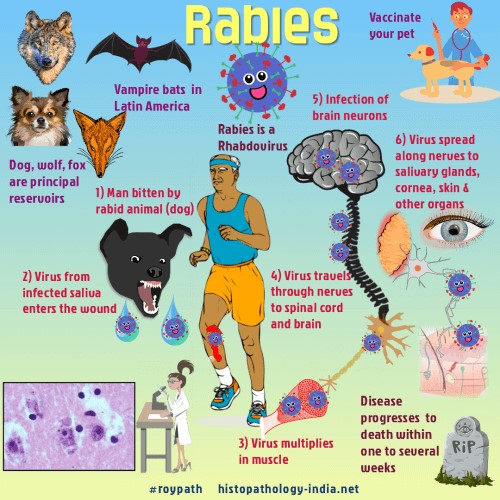
This exploration delves into the origins of rabies, not just as a biological phenomenon, but through the lens of understanding how such a zoonotic disease emerges, spreads, and impacts our world. We’ll touch upon the technological advancements that aid our understanding, the branding of the disease itself, and the financial implications of its control and eradication efforts.
The Canine Connection: Tracing Rabies’ Early Footprints
The overwhelming majority of rabies cases in humans and domestic animals today can be traced back to the bite of an infected animal, most commonly canids – members of the dog family. This has led many to believe that dogs, or their wild ancestors, played a pivotal role in the initial emergence and transmission of rabies.
Early Accounts and Ancient Beliefs
Ancient texts from various civilizations hint at a disease with rabies-like symptoms, often associated with aggressive, rabid dogs. The Greeks, for instance, described a condition called “lyssa” (from which the scientific name for the rabies virus, Lyssavirus, is derived), believed to be a curse from the gods, often linked to the bite of mad dogs. Roman writers like Virgil and Ovid also made references to a fatal ailment transmitted by the bite of rabid dogs, underscoring the long-standing recognition of this transmission route.
These early observations, though lacking scientific rigor, provide valuable historical context. They suggest that rabies was not a novel phenomenon arising in recent history but a pathogen that had likely co-evolved with its animal hosts for a considerable period. The ubiquity of dogs as companions and scavengers in early human settlements would have provided ample opportunity for transmission between wild canids and domestic populations, and subsequently, to humans.
The Role of Wild Canids
While domestic dogs are a primary concern for human rabies today, the ultimate reservoir and evolutionary origin of many rabies virus strains are believed to lie within wild canids. This includes species such as wolves, foxes, coyotes, and jackals. These animals, often living in closer proximity to their prey and facing different ecological pressures, can act as natural reservoirs for the virus.
The process of rabies emergence is often theorized to involve a spillover event from a wild animal population into a domestic or human population. This spillover could occur through direct contact, such as a bite from an infected wild animal. Once established in a domestic animal population like dogs, the virus can then more readily transmit to humans due to their close proximity and shared living spaces.
The diversification of rabies virus strains is also closely linked to the diversification of its wild canid hosts. Different strains of the virus have evolved to efficiently infect and replicate within specific species, leading to what are known as “variants” of the rabies virus. Identifying these variants can provide crucial clues about the animal reservoir responsible for a particular outbreak.
Beyond Canids: A Multifaceted Zoonotic Landscape
While the canine connection is strong, it’s crucial to recognize that rabies is not exclusively a “dog disease.” The Lyssavirus genus encompasses a broad range of viruses, and many different animal species can contract and transmit rabies. This highlights the complex and multifaceted nature of zoonotic diseases and the importance of a comprehensive understanding of their origins and spread.
The Vesper Tangle: Bats and Rabies
In many parts of the world, particularly in the Americas and Australia, bats have emerged as significant reservoirs for rabies viruses. These flying mammals harbor a diverse array of lyssaviruses, some of which are distinct from those found in canids. Bat-associated rabies is a serious concern, as bats can transmit the virus through bites, and their small size and nocturnal habits can make early detection and avoidance difficult.
The origin of rabies within bat populations is also a subject of ongoing research. It is believed that bats may have harbored lyssaviruses for a very long time, potentially even before the emergence of canids as a dominant terrestrial mammal group. The evolutionary history of bats, with their ancient lineage and global distribution, suggests a long and intricate relationship with various lyssaviruses.
The transmission of bat rabies to terrestrial animals, including dogs and cats, and subsequently to humans, represents a critical aspect of the modern rabies landscape. This cross-species transmission underscores the interconnectedness of wildlife and domestic animal health and the potential for novel zoonotic threats to emerge.
Other Mammalian Suspects and Transmission Pathways
While dogs and bats are the most prominent animal groups associated with rabies transmission to humans, a wide range of other mammals can also contract and spread the virus. This includes:
- Raccoons, skunks, and foxes: In North America, these wild carnivores are significant reservoirs for specific rabies virus variants.
- Mongooses: In some parts of Africa and Asia, mongooses can carry rabies.
- Cats and cattle: While not typically primary reservoirs, domestic cats and cattle can contract rabies from infected wild animals and can then transmit it to humans.
- Primates: In rare instances, primates, including monkeys, can contract rabies, often through contact with infected animals or humans.
The transmission pathways are varied and depend on the specific animal host and the prevailing ecological conditions. Bites are the most common mode of transmission, but exposure to infectious saliva through mucous membranes or open wounds can also lead to infection.
Technological Advancements in Understanding Rabies Origins
The scientific journey to understand the origin and evolution of rabies has been significantly propelled by technological advancements. From molecular biology to advanced surveillance techniques, these innovations have allowed researchers to delve deeper into the genetic makeup of the virus and track its spread across animal populations.
Genetic Sequencing and Phylogenetics
The advent of rapid and affordable DNA sequencing technologies has revolutionized our ability to study rabies. By sequencing the genetic material of the rabies virus from infected animals and humans, scientists can identify different strains and variants. Phylogenetic analysis, which uses genetic data to reconstruct evolutionary relationships, allows researchers to trace the origins of specific outbreaks, identify animal reservoirs, and map the geographical spread of the virus.
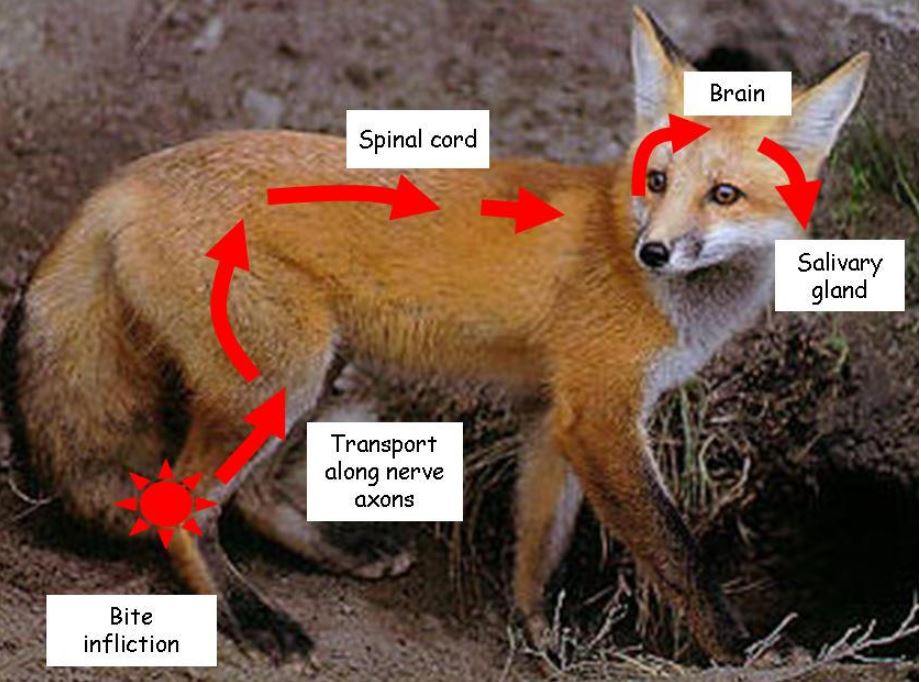
This genetic detective work has been instrumental in understanding how rabies has evolved over time and how it has jumped between different species. It helps in pinpointing the likely ancestral strains and understanding the evolutionary pressures that have shaped the virus.
Advanced Surveillance and Diagnostic Tools
Modern rabies control strategies rely heavily on sophisticated surveillance systems and rapid diagnostic tools. Field surveys, diagnostic laboratories, and data-sharing platforms enable public health officials and researchers to monitor rabies activity in animal populations.
Technological innovations in diagnostics, such as rapid antigen tests and more sensitive PCR (polymerase chain reaction) assays, allow for quicker and more accurate identification of infected animals. This timely information is crucial for implementing targeted interventions, such as vaccination campaigns and animal control measures, to prevent further transmission to humans.
The use of Geographic Information Systems (GIS) and data analytics allows for the mapping of rabies cases and the identification of high-risk areas. This data-driven approach informs public health policy and resource allocation for rabies prevention and control.
Branding Rabies: Shaping Perceptions and Public Health Narratives
The way rabies is “branded” – its public perception, the narratives surrounding it, and how it’s communicated – plays a crucial role in public health efforts. The very concept of “rabies” carries a heavy emotional and societal weight, influencing how communities respond to outbreaks and invest in prevention.
The “Mad Dog” Image: A Historical Brand
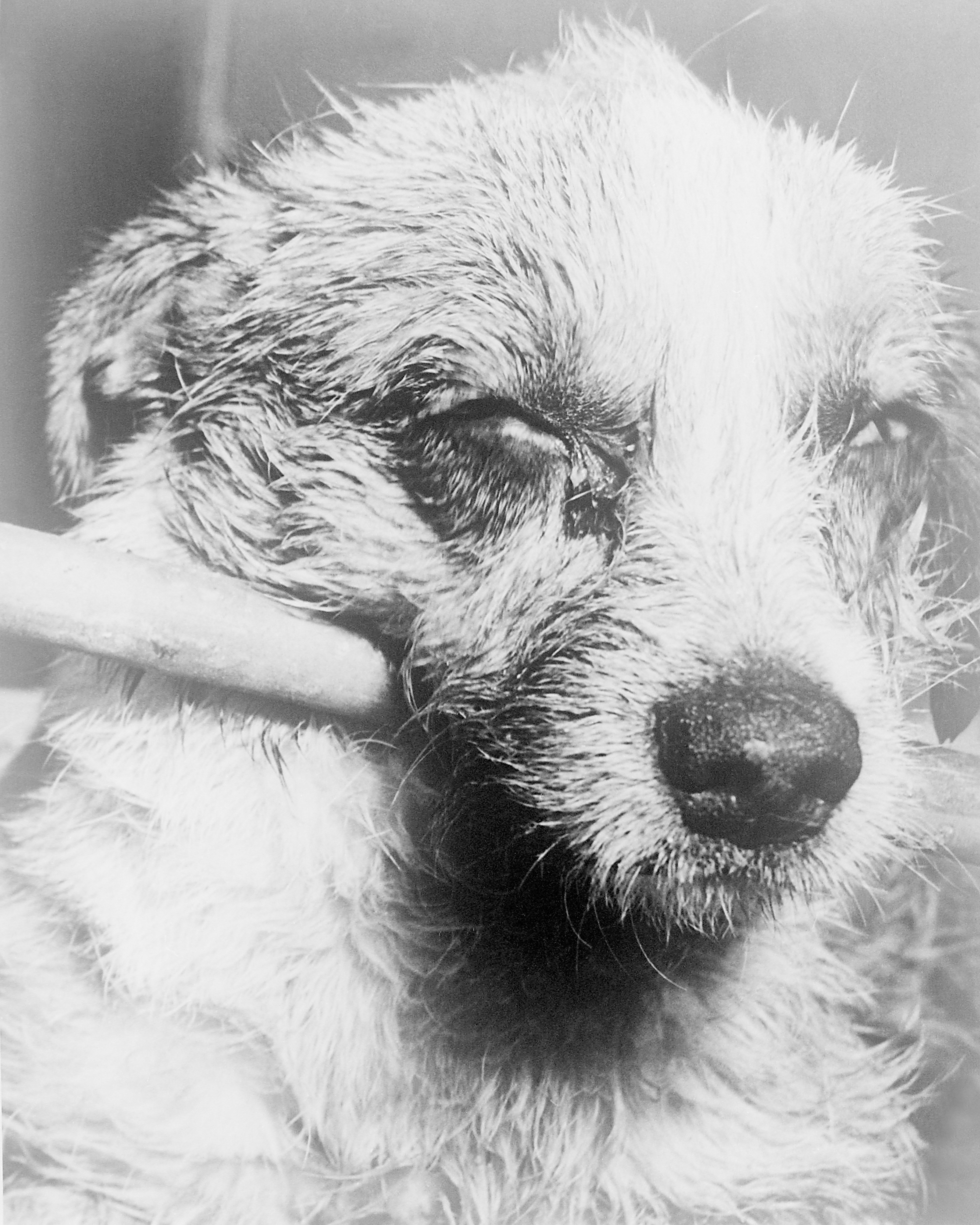
Historically, the “mad dog” has been the most potent and enduring brand associated with rabies. This image, deeply ingrained in folklore and popular culture, evokes primal fears of uncontrolled aggression and infectious danger. While effective in conveying the severity of the disease, this branding can also lead to stigmatization of animals and an oversimplified understanding of rabies transmission.
Modern Branding: From Fear to Prevention
In contemporary public health, the branding of rabies has evolved to emphasize prevention and collective responsibility. Campaigns often focus on:
- Vaccination: Highlighting the efficacy and importance of animal and, in some cases, human vaccination.
- Responsible Pet Ownership: Promoting awareness about keeping pets safe, preventing them from roaming, and seeking veterinary care.
- Wildlife Interaction: Educating the public about the risks of interacting with wild animals and the importance of reporting suspected cases of rabies.
The “One Health” approach, which recognizes the interconnectedness of human, animal, and environmental health, is a modern branding strategy for rabies control. It emphasizes collaboration and shared responsibility in tackling zoonotic diseases.
The Financial Framework of Rabies: Investment in a Healthier Future
The control and eventual eradication of rabies represent a significant financial undertaking, but one with substantial returns in terms of human lives saved, healthcare costs reduced, and economic stability.
The Cost of Rabies: Healthcare and Economic Impact
Rabies is a disease with a near 100% fatality rate once clinical symptoms appear in humans. The cost associated with managing rabies outbreaks is immense, encompassing:
- Post-Exposure Prophylaxis (PEP): The administration of rabies vaccines and immunoglobulins to individuals exposed to a suspected rabid animal is a critical, but costly, intervention.
- Healthcare Costs: Treating patients who develop clinical rabies, though rarely successful, incurs significant medical expenses.
- Livestock Losses: Rabies can devastate livestock populations, leading to significant economic losses for farmers.
- Public Health Interventions: Funding for surveillance, vaccination programs, public awareness campaigns, and animal control measures are ongoing expenses.
Investing in Eradication: Economic and Social Returns
Conversely, the investment in rabies eradication programs yields substantial economic and social benefits. Successful vaccination campaigns in domestic animal populations, particularly dogs, have been proven to dramatically reduce human rabies cases in many regions.
- Reduced Healthcare Burden: A reduction in human rabies cases translates directly into savings on PEP and treatment costs.
- Economic Productivity: Preventing rabies deaths in humans allows individuals to remain productive members of society.
- Enhanced Animal Welfare: Eradication efforts improve the health and well-being of both domestic and wild animal populations.
- Global Health Security: Achieving rabies-free regions contributes to global health security and reduces the risk of international spread.
The financial commitment to rabies control is not just an expense; it’s an investment in public health, economic resilience, and a future where this ancient zoonotic threat is significantly diminished.
Conclusion: A Continuing Quest for Origins and Eradication
The question of “what animal did rabies originate from” doesn’t have a simple, singular answer. Instead, it points to a complex evolutionary dance between the Lyssavirus and a diverse array of mammalian hosts, with wild canids and bats playing particularly prominent roles. Our understanding of this intricate relationship has been profoundly enhanced by technological advancements, allowing us to trace genetic lineages and monitor disease spread.
The enduring fear and impact of rabies underscore the importance of how we “brand” and communicate about this disease, shifting from simple fear to empowered prevention. Furthermore, the financial commitment to rabies control, from surveillance and vaccination to post-exposure prophylaxis, is a testament to its global health significance.
As we continue to combat rabies, our quest for understanding its origins remains intertwined with our efforts to prevent its spread and ultimately eradicate it. This ongoing battle highlights the critical need for continued scientific research, robust public health infrastructure, international collaboration, and a deep respect for the delicate balance of the One Health ecosystem. By addressing rabies from its deepest biological roots to its broadest societal implications, we move closer to a future free from the terror of this ancient disease.
aViewFromTheCave is a participant in the Amazon Services LLC Associates Program, an affiliate advertising program designed to provide a means for sites to earn advertising fees by advertising and linking to Amazon.com. Amazon, the Amazon logo, AmazonSupply, and the AmazonSupply logo are trademarks of Amazon.com, Inc. or its affiliates. As an Amazon Associate we earn affiliate commissions from qualifying purchases.