
Amazon Prime has become an ubiquitous presence in the modern consumer landscape, a digital key unlocking a vast ecosystem of services, convenience, and entertainment. For millions worldwide, the question isn’t whether to use Amazon, but whether to subscribe to Prime. While the sticker price might seem straightforward, understanding “what Amazon Prime costs” goes far beyond a simple monthly or annual fee. It involves a nuanced financial analysis, encompassing not just the direct outflow of cash but also the perceived value, potential savings, and opportunity costs associated with membership. This article delves into the financial intricacies of Amazon Prime, guiding consumers toward a clearer understanding of its true economic impact on their personal finances.
Beyond the Sticker Price: Understanding Prime’s Financial Layers
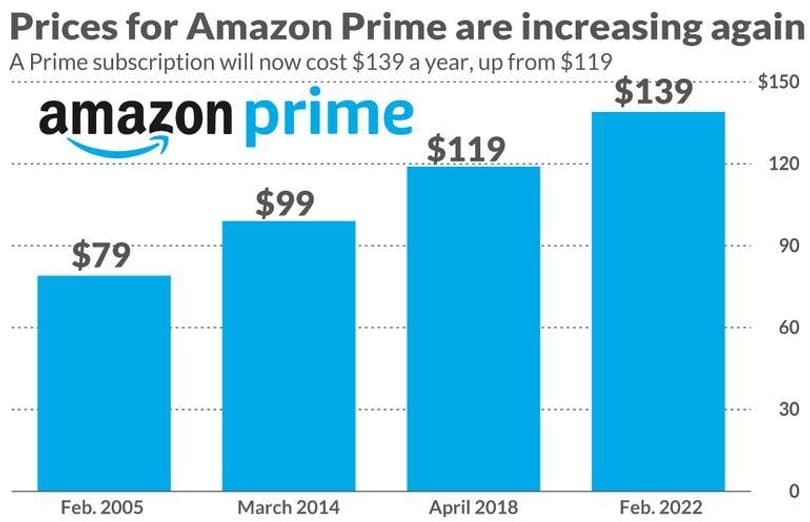
At its core, Amazon Prime is a subscription service, and like any recurring expense, its basic cost is the first point of financial consideration. However, Amazon has strategically structured its offerings with various tiers and discounts, making a detailed look essential for any financially savvy individual.
The Core Subscription: Annual vs. Monthly Rates
The most common way to pay for Amazon Prime is through an annual or monthly subscription. Historically, the annual payment has offered a slight discount compared to paying month-to-month over a year. For instance, a monthly fee often translates to a higher yearly total than the dedicated annual plan. This pricing strategy encourages longer-term commitment and reduces administrative overhead for Amazon. From a personal finance perspective, committing to the annual plan upfront can offer a modest saving, but it also ties up a larger sum of money at once. Conversely, the monthly option provides greater flexibility, allowing members to cancel if their circumstances change or if they find they’re not utilizing the benefits enough in a given period. Budgeting for a recurring monthly expense is often easier for some households, aligning with regular income cycles.
Special Circumstances: Student, EBT, and Medicaid Discounts
Amazon recognizes that not all consumers have the same financial capacity, and it has implemented programs to make Prime accessible to broader demographics. Students, for example, can often access Prime at a significantly reduced rate, typically half the standard price, after verifying their student status. This discount is a strategic move by Amazon to capture a younger audience, potentially converting them into full-price members later in life. Similarly, individuals receiving qualifying government assistance, such as EBT or Medicaid benefits, can often subscribe to Prime at a substantially discounted monthly rate. These programs are not just about social responsibility; they are also about expanding market reach and brand loyalty within segments that might otherwise be priced out of the service. For those who qualify, these discounts can transform Prime from a luxury into an affordable convenience, significantly altering its cost-benefit analysis.
The Hidden Costs and Value Proposition
The true cost of Amazon Prime isn’t solely the subscription fee; it also encompasses the potential for increased spending that membership can encourage. With free, fast shipping on millions of items, Prime members might be more inclined to make frequent, smaller purchases they might otherwise defer or consolidate. This convenience, while a benefit, can inadvertently lead to budget creep if not managed carefully. Conversely, the “value proposition” of Prime is where its cost can be offset. This includes the savings on shipping fees (especially for frequent shoppers), the value of included digital content (Prime Video, Music, Reading), and access to exclusive deals. The perceived value of these bundled services often exceeds the subscription cost for many users, making the “cost” feel justified or even a bargain. The financial challenge for consumers is to objectively assess whether they are truly utilizing enough of these bundled services to outweigh the direct and indirect costs.
Maximizing Your Prime Investment: Is It Worth the Money?
Evaluating Amazon Prime’s financial worth is a highly personal exercise. What constitutes value for one individual might be an unnecessary expense for another. The key lies in assessing how well the service aligns with your specific shopping habits, entertainment preferences, and overall lifestyle.
Shipping Savings: The Most Obvious Benefit
For many, the primary driver for subscribing to Prime is the promise of free, fast shipping, often as quickly as one or two days. If you frequently order items online, especially smaller purchases that might otherwise incur individual shipping charges, the savings can quickly accumulate. Consider a scenario where standard shipping costs $5 per order. If you place more than three orders a month, the shipping savings alone could potentially offset a significant portion of your monthly Prime fee. However, if you’re an infrequent online shopper who only buys a few items a year, the shipping benefit might not be enough to justify the full subscription cost. Calculating your estimated annual shipping costs without Prime is a crucial step in this financial evaluation.
Digital Entertainment Value: Prime Video, Music, and Gaming
Beyond shipping, Prime bundles an impressive array of digital entertainment services. Prime Video offers a vast library of movies and TV shows, including Amazon Originals, often competing directly with standalone streaming services like Netflix or Hulu. Prime Music provides access to millions of songs and podcasts without ads, akin to Spotify or Apple Music. Prime Reading offers a rotating selection of free ebooks and magazines, and Prime Gaming (formerly Twitch Prime) provides free games, in-game content, and a monthly Twitch channel subscription. If you currently pay for separate subscriptions to comparable services, Prime’s bundled entertainment could represent significant savings. For example, if you cancel a $10/month video streaming service and a $10/month music service because Prime fulfills those needs, you are effectively “saving” $20/month, making Prime’s cost feel much lower or even free. The financial question here is: would you pay for these services individually if Prime didn’t offer them?
Exclusive Deals and Shopping Advantages
Prime members often gain early access to Amazon’s popular Lightning Deals and special discounts during major sales events like Prime Day. For savvy shoppers, these exclusive offers can lead to substantial savings on desired products. While it’s easy to get swept up in the excitement of a deal, the financial benefit only materializes if you purchase items you genuinely need or planned to buy anyway, at a price lower than you would otherwise pay. Impulse buys, even if discounted, can erode rather than enhance your financial standing. Furthermore, Prime offers unique shopping advantages such as Amazon Fresh and Whole Foods Market discounts, providing free grocery delivery in many areas and exclusive savings on groceries, which can be a significant benefit for households that frequently shop for food online or at Whole Foods.
Lesser-Known Perks: Groceries, Photos, and Reading
Many Prime members aren’t even aware of the full suite of benefits included in their subscription, leading to underutilization and a lower perceived value. Beyond the headline features, Prime offers unlimited full-resolution photo storage with Amazon Photos, a valuable cloud storage solution that can replace paid alternatives. Prime Reading provides a rotating selection of free Kindle books and magazines. For parents, Prime Family offers discounts on diapers and baby food subscriptions. These often-overlooked benefits, when factored into the overall value proposition, can significantly tip the scales in favor of Prime, especially if you find yourself paying for similar services elsewhere. A true financial evaluation requires understanding and accounting for all the services available.
Calculating Your Personal ROI: When Prime Makes Financial Sense
The decision of whether Amazon Prime represents good financial value is not universal. It hinges on a clear-eyed assessment of your personal consumption patterns and lifestyle. Calculating your personal Return on Investment (ROI) for Prime involves a careful aggregation of savings and benefits against the direct cost.
Your Shopping Habits: Frequency and Volume
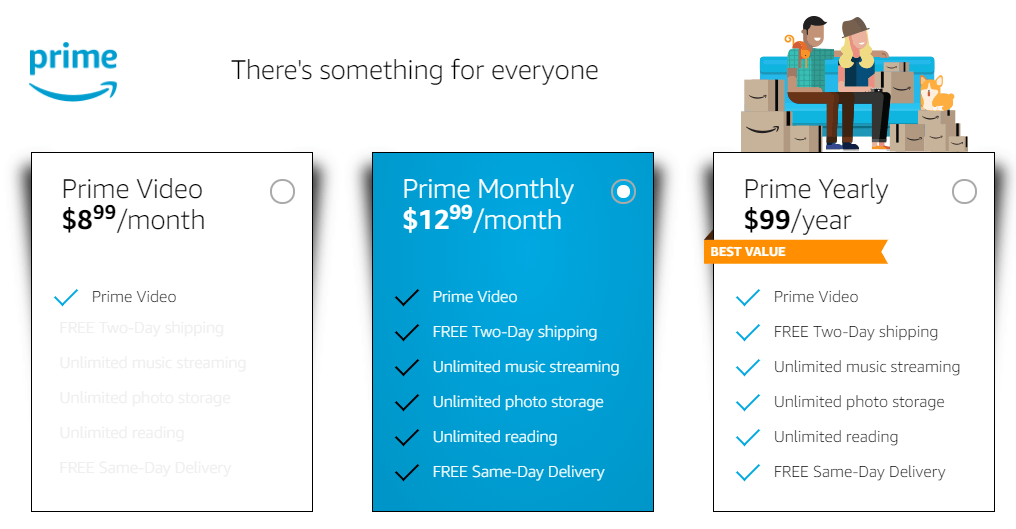
The most straightforward metric is your online shopping frequency and volume. If you make numerous purchases throughout the year, especially small items that would typically incur individual shipping fees, Prime’s free shipping can quickly pay for itself. Keep a log for a month or two of all your Amazon purchases and estimate what the shipping costs would have been without Prime. Multiply that by twelve, and you’ll have a good baseline for annual shipping savings. If this figure approaches or exceeds your annual Prime subscription cost, then Prime is likely a financially sound choice for you based on shipping alone.
Utilizing Digital Services: A True Entertainment Budget Alternative
Evaluate your current spending on digital entertainment. Do you subscribe to multiple streaming video services? A separate music streaming service? Cloud storage for photos? If Prime’s bundled services allow you to cancel one or more of these existing subscriptions, the financial benefit is direct and quantifiable. For example, if Prime Video means you can cancel Hulu ($8/month) and Prime Music means you can cancel Spotify Free (and tolerate ads) or even a paid tier, that’s immediate money back in your pocket. The key is substitution, not addition. If you keep all your other subscriptions and add Prime, the entertainment benefits become an additional cost rather than a saving.
Opportunity Costs: What Else Could That Money Buy?
Every dollar spent on Amazon Prime is a dollar that cannot be spent elsewhere. This concept, known as opportunity cost, is crucial in personal finance. Could that $139 annual fee (or equivalent monthly payments) be better utilized for building an emergency fund, investing in a Roth IRA, paying down high-interest debt, or funding another experience that brings you more joy or utility? For some, the convenience and entertainment Prime offers are worth the trade-off. For others, particularly those on tight budgets, allocating funds to core financial goals might take precedence. Objectively weighing the perceived benefits of Prime against other financial priorities is a cornerstone of responsible money management.
Managing Your Prime Membership: Smart Financial Practices
Once you’ve decided to subscribe, or if you’re already a member, active management of your Prime account can ensure you’re getting the most financial value and avoiding unnecessary expenditure.
Monitoring Your Usage: Are You Getting Your Money’s Worth?
Periodically review your usage of Prime’s various services. Are you actually watching Prime Video, listening to Prime Music, and taking advantage of the special deals? If weeks or months go by without utilizing the core benefits, it might be time to reconsider the subscription. Amazon often provides usage data, and a quick self-assessment can reveal if your initial justification for Prime still holds true. If you find yourself only using one or two benefits sparingly, the cost-benefit analysis might shift against membership.
Annual vs. Monthly: Strategic Payment Choices
Revisit the annual vs. monthly payment decision. If your usage fluctuates, a monthly plan offers greater flexibility to pause or cancel during periods of low activity. However, if you are a consistent heavy user, the annual plan’s modest discount makes more financial sense over the long term, assuming you can comfortably afford the upfront cost without impacting other financial priorities. Consider your cash flow and financial predictability when making this choice.
Cancellation and Rejoining: Flexing Your Options
Amazon makes it relatively easy to cancel your Prime membership. There’s no long-term contract beyond your current billing cycle. If you find yourself not using Prime for a period, don’t hesitate to cancel. You can always rejoin later if your needs change. Some individuals strategically subscribe to Prime only during peak shopping seasons (e.g., Q4 for holidays or Prime Day) and cancel for the rest of the year, although this approach forfeits the potential savings of the annual plan. Evaluate if your usage patterns are seasonal or consistent.
Alternative Solutions for Specific Needs
For those who primarily desire free shipping but don’t need the other Prime benefits, consider Amazon’s “Ship to Store” or aggregating purchases to meet minimum free shipping thresholds. Many items also offer free shipping regardless of Prime status. For entertainment, numerous free streaming services (e.g., Peacock Free, Tubi, Pluto TV) and library resources offer vast collections of books, movies, and music. Do not subscribe to Prime out of habit if cheaper or free alternatives meet your specific needs.
The Future of Prime’s Value: Economic Outlook and Personal Finance
The cost and value proposition of Amazon Prime are not static; they evolve with economic conditions, Amazon’s strategic decisions, and the competitive landscape. Staying informed allows for more effective personal financial planning.
Inflation and Subscription Service Trends
In an era of rising inflation, subscription services, including Amazon Prime, are subject to price adjustments. Amazon has historically raised Prime prices periodically, citing increased operational costs and expanded benefits. As prices climb, consumers must re-evaluate the “worth” more rigorously. What was a good deal at one price point might become less so at a higher one. Keeping an eye on these trends and adjusting your budget accordingly is a critical financial habit.
Amazon’s Strategy: Bundling and Ecosystem Lock-in
Amazon’s strategy with Prime is clearly about creating a sticky ecosystem. By bundling a wide array of services, they aim to make the membership indispensable, making it harder for consumers to leave. This “lock-in” effect means that the perceived value often grows as users integrate more Amazon services into their daily lives. From a financial perspective, it’s important to differentiate between genuine value and strategic inducement. Ensure that each component of the bundle genuinely serves a need you would otherwise pay for, rather than simply being a passive recipient of services you don’t actively use.

Empowering Your Financial Decisions
Ultimately, understanding “what Amazon Prime costs” is about empowering you to make informed financial decisions. It’s not just about the numbers, but about aligning your spending with your values and financial goals. By meticulously analyzing the direct costs, potential savings, and the full spectrum of benefits, you can determine if Prime truly represents a valuable investment or an expense that could be better allocated elsewhere. In a world increasingly driven by subscriptions, a critical and regular review of all recurring payments is a cornerstone of robust personal finance.
aViewFromTheCave is a participant in the Amazon Services LLC Associates Program, an affiliate advertising program designed to provide a means for sites to earn advertising fees by advertising and linking to Amazon.com. Amazon, the Amazon logo, AmazonSupply, and the AmazonSupply logo are trademarks of Amazon.com, Inc. or its affiliates. As an Amazon Associate we earn affiliate commissions from qualifying purchases.