
In the complex world of global aviation, American Airlines stands as a titan, not just because of its massive fleet or extensive domestic network, but because of its strategic positioning within a global financial and operational framework. American Airlines is a founding member of the Oneworld alliance, a premier global network that includes some of the world’s most prestigious carriers. While many travelers view airline alliances through the lens of convenience and lounge access, the true significance of the Oneworld alliance lies in its intricate financial architecture, its role in brand capitalization, and its impact on the bottom line of its member carriers.

For American Airlines, membership in Oneworld is not merely a marketing badge; it is a fundamental component of its business finance strategy. By aligning with partners like British Airways, Cathay Pacific, Qantas, and Qatar Airways, American Airlines leverages a massive ecosystem designed to maximize revenue passenger miles (RPMs), optimize operational costs, and monetize its most valuable asset: its loyalty program.
The Financial Architecture of the Oneworld Alliance
Founded in 1999, Oneworld was established as a response to the growing need for global connectivity that no single airline could provide alone. From a business finance perspective, the alliance functions as a “virtual merger.” It allows American Airlines to offer its customers a global reach without the prohibitive capital expenditure required to purchase aircraft, secure gates, and hire staff in every corner of the globe.
Capital Expenditure Mitigation and Network Expansion
When American Airlines sells a ticket from Dallas to a destination in Africa or Southeast Asia, it often relies on Oneworld partners to complete the journey. This “interlining” capability is a financial masterstroke. It allows AA to capture revenue from high-yield international travelers while outsourcing the high-cost operational logistics of the final leg to a partner that already has the infrastructure in place. This reduces the need for AA to expand its own fleet into niche markets, thereby preserving capital and improving return on invested capital (ROIC).
Revenue Pooling and Synergies
The alliance operates on a series of complex bilateral and multilateral financial agreements. These include joint business ventures (JBVs), which are the highest form of cooperation allowed under anti-trust immunity. Within these JBVs—most notably the transatlantic partnership with British Airways, Iberia, and Finnair—the member airlines essentially pool their costs and revenues. This creates a shared financial interest in the success of specific routes, leading to optimized scheduling and pricing power that would be impossible for an independent carrier to achieve.
Monetizing Loyalty: The AAdvantage Program as a Financial Powerhouse
Perhaps the most significant financial component of American Airlines’ Oneworld membership is the way it enhances the AAdvantage loyalty program. In modern aviation finance, loyalty programs are often valued higher than the airlines themselves. During the financial volatility of the early 2020s, American Airlines used its AAdvantage program as collateral for multi-billion dollar loans, highlighting its status as a critical financial asset.
The Multiplier Effect of Oneworld Status
The value of a loyalty currency—in this case, AAdvantage miles—is directly tied to its utility. By being part of Oneworld, American Airlines increases the “spendability” of its miles. A customer can earn miles on a domestic flight from Chicago to Phoenix and redeem them for a business-class seat on Qatar Airways or JAL. This cross-border utility increases the demand for American Airlines’ credit cards and partnerships, which are the primary drivers of high-margin revenue for the company.
Co-Branded Credit Cards and Financial Services
The financial engine behind American Airlines is fueled largely by its partnerships with financial institutions like Citi and Barclays. These banks pay American Airlines billions of dollars annually to purchase AAdvantage miles, which they then distribute to cardholders. The Oneworld alliance acts as a powerful marketing lever for these financial products. The ability to offer “Oneworld Emerald” or “Sapphire” status—and the global perks that come with it—allows the bank to target high-net-worth individuals who generate significant interchange fees and interest income. This creates a virtuous cycle of cash flow that is decoupled from the traditional risks of fuel prices and labor strikes.
Joint Business Ventures: The Engine of Profitability
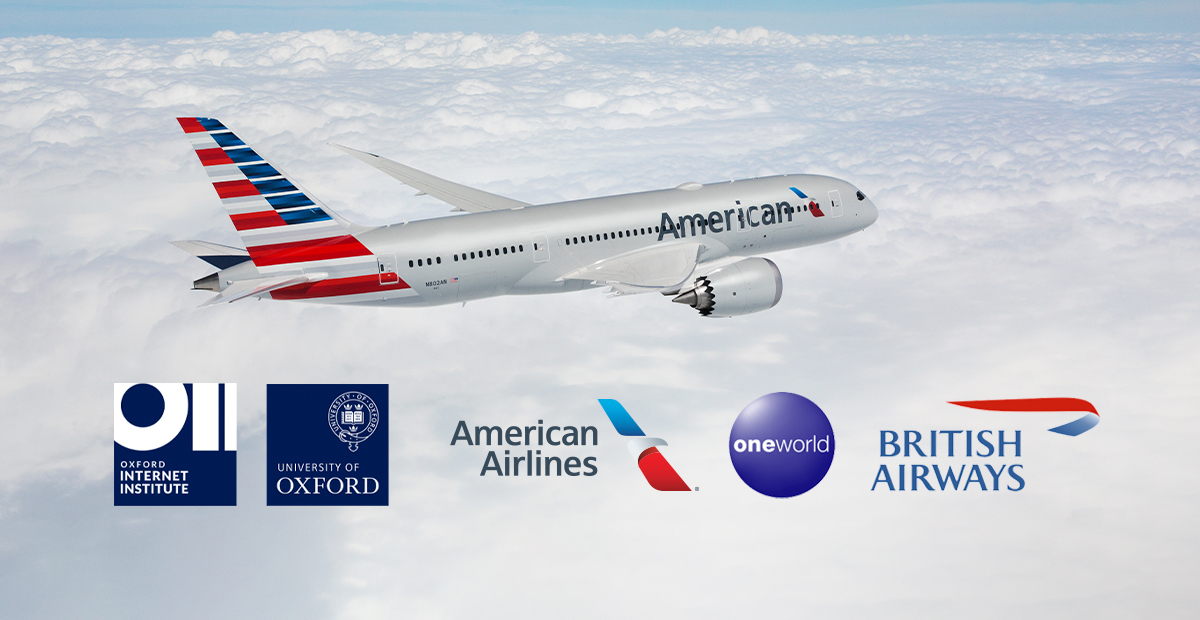
While the Oneworld alliance provides a broad framework for cooperation, the real “money” is found in Joint Business Ventures (JBVs). These are sophisticated financial arrangements that allow airlines to function as a single entity on specific geographic corridors. For American Airlines, the most lucrative of these is the Atlantic Joint Business (AJB).
Anti-Trust Immunity and Pricing Power
Through the AJB, American Airlines and its partners have received anti-trust immunity from regulators. This allows them to coordinate on pricing, capacity, and sales strategies for flights between North America and Europe. From a business finance standpoint, this reduces competition and allows for more stable yield management. Instead of engaging in a “race to the bottom” on ticket prices, the partners can ensure that capacity meets demand, maintaining higher margins across the network.
Cost Sharing and Operational Efficiency
JBVs also allow for significant cost-sharing opportunities. Members of the alliance often co-locate in terminals—such as the massive operations at London Heathrow (LHR) or New York (JFK)—allowing them to share the costs of ground handling, maintenance, and lounge operations. This “shared services” model reduces the overhead for each individual airline, contributing to a healthier operating margin. By streamlining the passenger experience through shared technology platforms, the alliance also reduces the administrative costs associated with rebooking and irregular operations.
The Strategic Importance of Hub-and-Spoke Synergy
The financial success of American Airlines within Oneworld is deeply tied to its “hub-and-spoke” model. The alliance is designed to funnel traffic from partner “spokes” into AA’s primary hubs, such as Dallas/Fort Worth (DFW), Charlotte (CLT), and Miami (MIA).
Capturing High-Yield Business Traffic
Business travelers are the most profitable segment of the aviation market. These travelers prioritize schedule density and global reach. By being part of Oneworld, American Airlines can capture a corporate contract for a multinational firm, promising that its employees can reach nearly any global financial center through the alliance network. This “stickiness” of corporate revenue is vital for American’s long-term financial stability. It ensures a baseline of high-fare bookings that can offset the more price-sensitive leisure market.
Freight and Cargo Revenue
Beyond passengers, the Oneworld alliance facilitates a global logistics network. American Airlines Cargo benefits from the ability to transfer freight seamlessly across partner networks. In the world of business finance, diversifying revenue streams is essential. The ability to move high-value goods across the globe using a combination of AA and partner aircraft provides a buffer during periods when passenger demand may soften.
Future Outlook: Digital Transformation and Financial Evolution
As we look toward the future of aviation finance, the Oneworld alliance is evolving to meet the challenges of a digital-first economy. The integration of “New Distribution Capability” (NDC) and advanced data analytics is changing how American Airlines and its partners manage revenue.
Data as a Financial Asset
The alliance is increasingly focused on the aggregation of customer data. By understanding the travel patterns of a passenger across multiple Oneworld carriers, American Airlines can create more personalized financial offers, from targeted credit card promotions to dynamic pricing for ancillary services (like extra bags or seat upgrades). This data-driven approach allows for more precise revenue forecasting and risk management.

The Role of Sustainable Aviation Finance
Sustainability is becoming a core component of corporate finance. American Airlines, along with its Oneworld partners, has committed to net-zero emissions by 2050. This is not just an environmental goal; it is a financial necessity. Investors are increasingly looking at ESG (Environmental, Social, and Governance) metrics when valuing companies. By collaborating on the procurement of Sustainable Aviation Fuel (SAF) and sharing the costs of developing new aircraft technologies, the Oneworld alliance helps American Airlines mitigate the massive financial risks associated with the transition to a low-carbon economy.
In conclusion, American Airlines’ membership in the Oneworld alliance is a strategic pillar that supports its entire financial structure. From the multi-billion dollar valuation of the AAdvantage program to the revenue-sharing power of joint business ventures, the alliance provides a level of financial stability and growth potential that would be impossible to achieve in isolation. For those analyzing the business of flight, it is clear that Oneworld is much more than a collection of logos—it is a sophisticated global engine of capital, commerce, and corporate strategy.
aViewFromTheCave is a participant in the Amazon Services LLC Associates Program, an affiliate advertising program designed to provide a means for sites to earn advertising fees by advertising and linking to Amazon.com. Amazon, the Amazon logo, AmazonSupply, and the AmazonSupply logo are trademarks of Amazon.com, Inc. or its affiliates. As an Amazon Associate we earn affiliate commissions from qualifying purchases.