
For millions of people worldwide, the question “what allergies are high today near me?” is more than a casual inquiry—it is a daily necessity for planning outdoor activities, managing health, and maintaining productivity. Traditionally, answering this question involved tuning into local news broadcasts or checking newspapers for general regional reports. However, the intersection of environmental science and advanced technology has revolutionized how we monitor and predict allergen levels. Today, hyper-local data, powered by the Internet of Things (IoT), artificial intelligence (AI), and sophisticated software ecosystems, provides users with instantaneous, street-level accuracy.
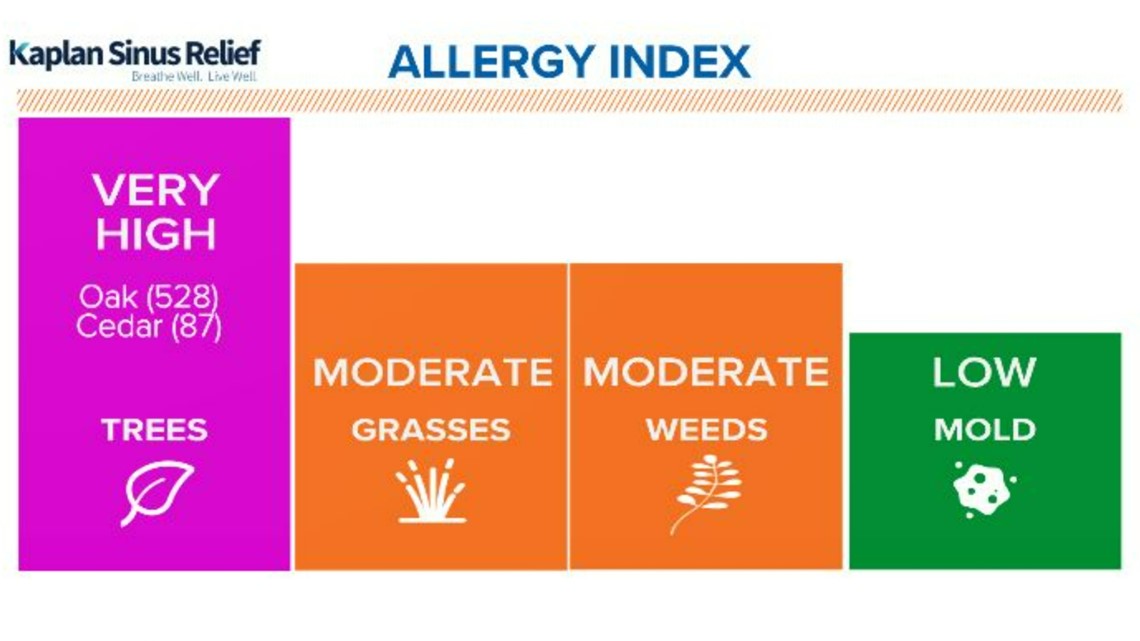
The shift from manual data collection to automated, tech-driven forecasting represents a significant leap in environmental health monitoring. By leveraging a complex infrastructure of sensors, satellite imagery, and predictive algorithms, modern technology provides the granular insights required to navigate an increasingly unpredictable climate.
The Evolution of Hyper-Local Environmental Data
To understand how technology answers the question of local allergy levels, one must first look at the infrastructure of data collection. In the past, pollen counting was a manual, labor-intensive process. Technicians would place glass slides coated with adhesive on rooftops, wait 24 hours, and then manually count pollen grains under a microscope. This method was not only slow but also prone to human error and geographic limitations.
IoT and Smart Sensors in the Urban Landscape
The digital transformation of allergy tracking began with the deployment of automated pollen sensors. Unlike the manual methods of the past, modern IoT sensors use light-scattering technology and image recognition to identify pollen types in real-time. These devices are equipped with lasers that analyze the size, shape, and fluorescence of particles passing through a sampling chamber.
By distributing these sensors across urban and rural landscapes, tech companies can create a dense network of data points. This “hyper-local” approach allows a user in one neighborhood to receive a completely different allergen profile than a user just five miles away. Companies like BreezoMeter (now part of Google) and various smart-city initiatives have integrated these sensors into existing infrastructure, such as streetlights and weather stations, to provide a continuous stream of atmospheric data.
Satellite Imagery and Machine Learning Analysis
Beyond ground-level sensors, satellite technology plays a pivotal role in large-scale allergen forecasting. High-resolution satellite imagery allows scientists to monitor the “green-up” of specific plant species. By tracking the phenology—the seasonal cycles of plants—AI models can predict exactly when certain trees or grasses will begin their pollination cycles.
Machine learning algorithms process these massive datasets, combining satellite imagery with historical weather patterns, wind speed, and humidity levels. This multi-layered approach enables software to simulate how pollen clouds will move across a city, providing users with a “heat map” of allergen concentrations that updates in real-time.
Leading Apps and Software for Real-Time Monitoring
The front-end of this technological revolution is the mobile application. For the end-user, the complex backend of satellite data and IoT sensors is distilled into a clean, intuitive interface. These apps do more than just report numbers; they provide actionable insights based on personalized data.
Predictive AI Algorithms for Pollen Forecasting
Modern allergy apps, such as AllergyCast by Zyrtec or the Pollen.com app, utilize sophisticated predictive models. These are not static reports; they are dynamic forecasts. By using “random forest” models or neural networks, these platforms can predict how current weather conditions will affect tomorrow’s pollen count.
For instance, if the software detects a sudden drop in humidity combined with a specific wind velocity, the AI can alert the user to a “pollen burst.” This type of proactive notification is only possible through high-speed cloud computing and the continuous training of AI models against real-world health outcomes. The goal is to move from reactive management—taking medicine after symptoms appear—to proactive avoidance through tech-driven foresight.
Integrating Personal Health Data with Environmental APIs
One of the most significant trends in health tech is the integration of environmental APIs (Application Programming Interfaces) into broader health ecosystems. Developers can now pull real-time pollen and air quality data into fitness trackers, smartwatches, and electronic health records (EHR).
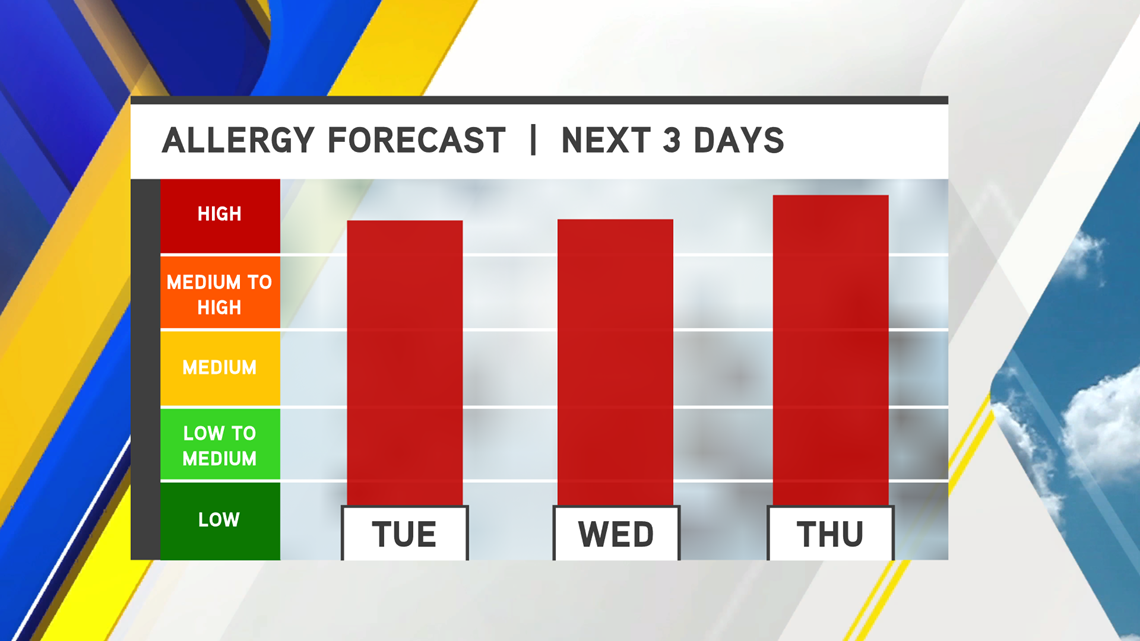
When a user logs their symptoms in an app, the software cross-references that timestamp with the exact allergen levels at the user’s GPS coordinates. Over time, the app’s machine learning component learns the user’s specific triggers. It might discover, for example, that a user is highly sensitive to Birch pollen but unaffected by Ragweed, even when levels are high. This level of personalization represents the transition from “broadcasting” health data to “narrowcasting” hyper-personalized medical tech.
Wearable Tech and Personal Air Quality Monitors
While smartphone apps provide geographic data, wearable technology and personal gadgets offer a localized view of a user’s immediate surroundings. This “micro-environment” monitoring is the next frontier for those seeking to answer “what allergies are high today near me” with absolute precision.
Bio-Sensors and the Future of Personalized Health Tech
The development of wearable bio-sensors is currently a high-growth area in the tech industry. Researchers are working on “smart patches” and wearable devices that can detect physiological changes before a user even feels an allergy symptom. By monitoring heart rate variability, skin conductance, and respiratory rates, these devices can signal an impending allergic reaction triggered by environmental factors.
Furthermore, personal air quality trackers—small, portable devices that clip onto a bag or sit on a desk—monitor the air in the user’s immediate vicinity. These gadgets connect via Bluetooth to a smartphone, providing a “personal bubble” of air quality data. This is particularly useful for indoor allergens, such as pet dander or dust mites, which traditional outdoor sensors cannot track.
Data Privacy in Environmental Monitoring Apps
As with any technology that relies on GPS and personal health logging, data privacy is a critical consideration. The tech industry has had to implement rigorous security protocols to protect user information. Leading apps now utilize edge computing—processing data on the device itself rather than in the cloud—to minimize the transmission of sensitive location data.
End-to-end encryption and anonymized data sets allow tech companies to contribute to global health research without compromising individual user identity. As the niche grows, the balance between high-utility data and user privacy remains a central theme in software development and digital security within the health-tech space.
The Role of Big Data in Global Allergy Trends
The aggregate data collected from millions of users and sensors is not just useful for the individual; it is a goldmine for large-scale environmental research. Big data analytics allows tech companies to observe how climate change is altering the duration and intensity of allergy seasons on a global scale.
Collaborative Research and Open Source Data Sets
Many tech organizations are now moving toward open-data initiatives. By providing researchers with access to anonymized, high-resolution allergen data, the industry is accelerating the development of more resilient urban planning. For example, “Digital Twin” technology—creating a virtual replica of a city—allows planners to simulate how planting different species of trees will affect the overall allergen load of a neighborhood ten years into the future.
This collaborative approach ensures that the technology used to answer “what allergies are high today” also contributes to long-term solutions. Developers are building platforms that integrate with smart home systems, allowing air purifiers to automatically activate when outdoor pollen levels reach a certain threshold, creating a seamless, tech-enabled defense system for the home.

The Future of Allergen Tech: Augmented Reality and Beyond
Looking forward, the way we consume environmental data is set to become even more immersive. The integration of Augmented Reality (AR) into navigation apps could allow users to “see” areas of high pollen concentration through their smartphone camera or AR glasses. Imagine walking down a street and seeing a digital overlay indicating a high concentration of oak pollen near a specific park, allowing you to choose an alternative route in real-time.
As AI continues to evolve, the shift toward “prescriptive analytics” will become more common. Instead of just stating that pollen is high, the tech of the future will integrate with your digital calendar, suggesting the best time for your outdoor run or recommending specific protective measures based on the day’s unique environmental signature.
The technological infrastructure answering the question of local allergy levels is a testament to the power of integrated systems. From the laser-based sensors in the field to the AI in the cloud and the interface on your wrist, we are entering an era where environmental awareness is automated, precise, and deeply personal. This synergy of hardware and software does more than just track pollen; it empowers individuals to reclaim their quality of life through the strategic use of data.
aViewFromTheCave is a participant in the Amazon Services LLC Associates Program, an affiliate advertising program designed to provide a means for sites to earn advertising fees by advertising and linking to Amazon.com. Amazon, the Amazon logo, AmazonSupply, and the AmazonSupply logo are trademarks of Amazon.com, Inc. or its affiliates. As an Amazon Associate we earn affiliate commissions from qualifying purchases.