
The pet economy is no longer a niche market; it is a multi-billion-dollar juggernaut that influences global industries, from hospitality to aviation. For the modern pet owner, the question of “what airlines take dogs” is rarely just about logistics—it is a complex financial decision. As the demand for pet-inclusive travel rises, airlines have responded by creating intricate fee structures, specialized cargo services, and premium experiences that cater to a demographic willing to spend significantly on their canine companions. Understanding the financial landscape of pet air travel is essential for both the consumer looking to minimize costs and the entrepreneur eyeing the lucrative pet-services sector.

The Financial Landscape of Pet Air Travel: Understanding Fees and Service Structures
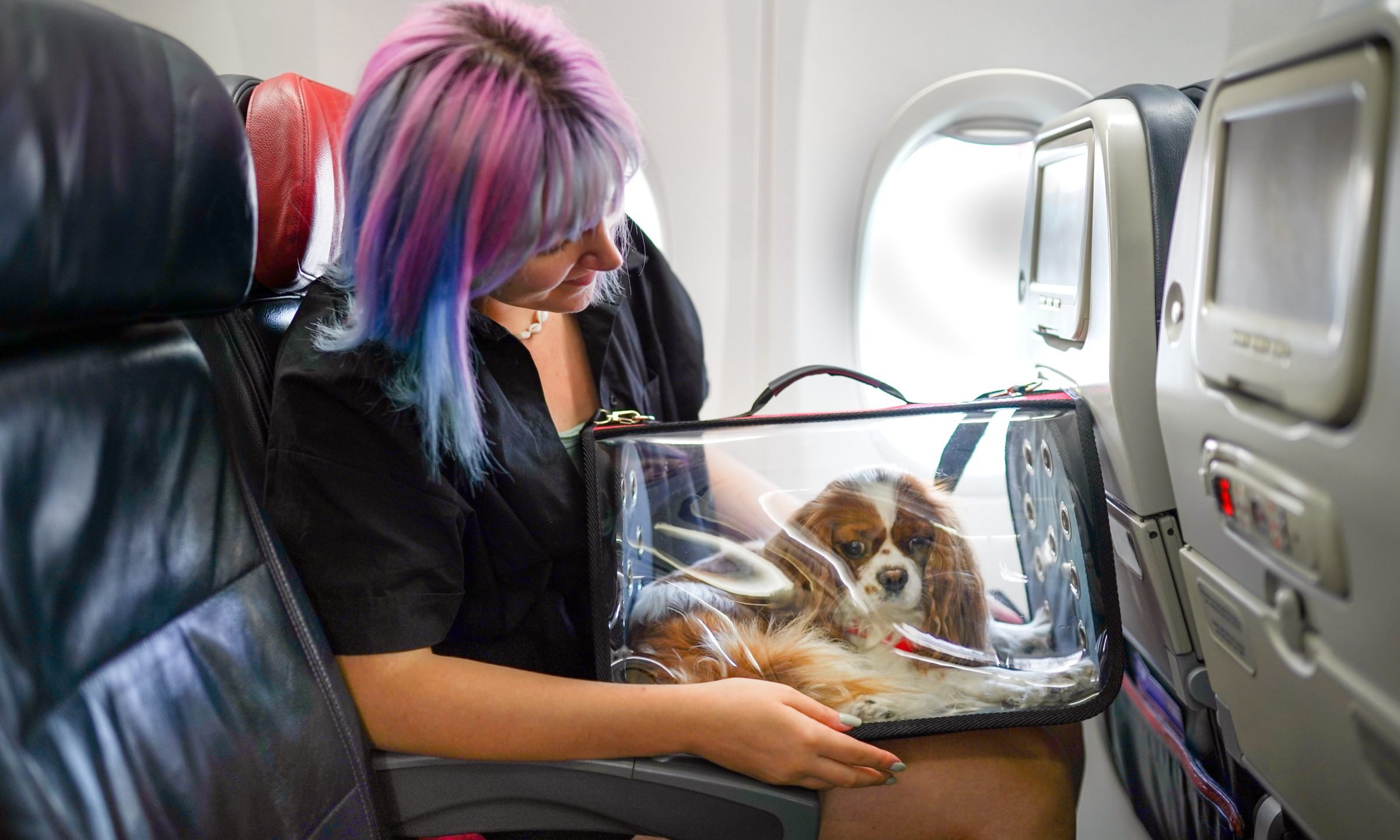
When evaluating which airlines take dogs, the primary consideration for most travelers is the immediate out-of-pocket cost. Major carriers have standardized their “pet-in-cabin” fees, but these costs can vary wildly depending on the airline’s business model and the flight’s duration. On average, major domestic carriers in the United States, such as Delta Air Lines, United Airlines, and American Airlines, charge approximately $125 per one-way trip for a dog to travel in the cabin. While this may seem like a fixed operational fee, it represents a high-margin revenue stream for airlines, requiring minimal additional overhead beyond the loss of under-seat storage space.
Cabin Fees vs. Cargo Costs: A Budgetary Breakdown
The financial disparity between carrying a small dog in the cabin and shipping a larger dog via cargo is significant. While cabin fees are relatively predictable, cargo transport—often branded under names like “American Airlines Cargo” or “United PetSafe”—is calculated based on the weight of the dog plus the crate, the dimensions of the kennel, and the total distance traveled.
For a large dog, cargo fees can range from $500 to $2,500. This is not merely a transportation cost; it is a logistical expense that includes climate-controlled holding areas, specialized handling personnel, and priority loading. From a financial planning perspective, traveling with a dog in cargo requires a much larger capital allocation and a thorough understanding of the airline’s liability limits.
Hidden Expenses: Health Certifications and Crate Compliance
The ticket price is only one part of the financial equation. To fly, dogs must meet strict regulatory and safety standards, which carry their own costs.
-
Veterinary Costs: Most airlines require a Certificate of Veterinary Inspection (CVI) issued within 10 days of travel. Depending on the clinic and the required vaccinations, this can cost between $100 and $300.
-
IATA-Compliant Crates: If a dog is traveling in cargo, the crate must meet International Air Transport Association (IATA) standards. High-quality, reinforced crates for large breeds can cost between $200 and $600.
-
Sedation and Supplements: While many airlines discourage heavy sedation for safety reasons, pheromone sprays or calming supplements are often purchased by owners to mitigate the risk of stress-related health issues, adding further incremental costs to the journey.
The Economics of Airline Selection: Value vs. Convenience
Choosing an airline for pet travel is a study in “value-added” services. Budget-conscious travelers may look toward low-cost carriers (LCCs), while those prioritizing the safety and comfort of their animal may look toward premium or pet-centric airlines.
Premium Carriers and the Business of Pet Comfort
Airlines like Alaska Airlines are often cited as being the most “pet-friendly” not just because they allow dogs, but because their fee structure and climate-controlled cargo policies offer a higher ROI in terms of peace of mind. Alaska Airlines frequently offers lower cabin fees (around $100) compared to its competitors, which builds brand loyalty among the pet-owning demographic.
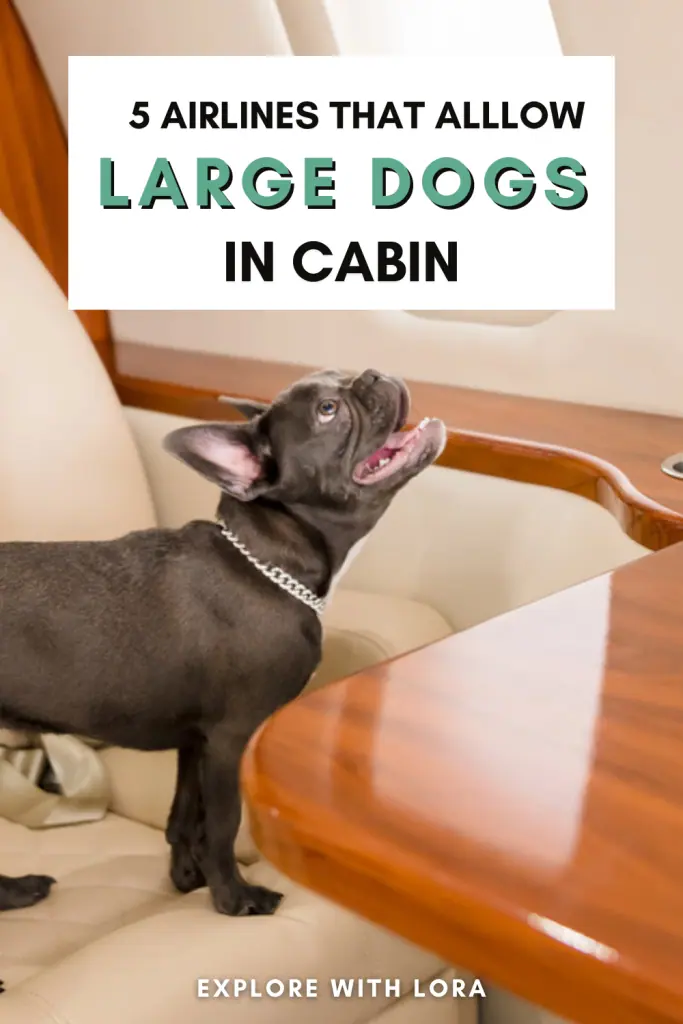
On the high end of the market, semi-private carriers like JSX have disrupted the industry by allowing large dogs to fly in the cabin for the price of a second seat. While a $600+ seat might seem exorbitant, for the owner of a 70-pound Golden Retriever, this is often a more cost-effective and emotionally viable alternative than high-risk cargo shipping or the high price of private jet charters.
Low-Cost Carriers: A Financial Trade-off
Budget airlines like Spirit and Frontier take dogs, often at a price point comparable to or slightly lower than major carriers ($99 to $110). However, the financial trade-off comes in the form of stricter baggage policies and smaller under-seat dimensions. Travelers may find that the money saved on the pet fee is quickly lost to additional “ancillary” fees for their own carry-on luggage or seat assignments. For the savvy traveler, the total cost of the trip—including the pet fee and personal baggage—must be calculated in aggregate to determine the true “best deal.”
Pet Travel as a Business Opportunity: Side Hustles and Professional Pet Shipping
The complexity and high cost of airline pet travel have given rise to a secondary market: professional pet relocation. This sector provides a significant opportunity for entrepreneurs and specialists to build high-margin businesses.
The Rise of Professional Pet Relocation Services
Relocating a dog internationally involves navigating the customs, quarantine, and blood-test requirements of different countries (such as the high-cost rabies-free zones like Hawaii, the UK, or Japan). Professional pet shippers charge a premium—often $3,000 to $10,000—to handle the bureaucracy and logistics. For business-minded individuals, this is a scalable service model. These “pet travel agents” act as intermediaries between the owner and the airline, ensuring that every financial and regulatory box is checked to avoid the massive losses associated with a dog being denied boarding or held in expensive quarantine.
Investing in the Pet Travel Infrastructure
Beyond service-based businesses, there is a growing investment opportunity in pet-travel infrastructure. This includes the development of pet-exclusive airport lounges (such as the “B-Ark” concept or pet relief stations mandated by the FAA) and the manufacturing of high-tech travel gear. Startups focusing on GPS-enabled crates that track temperature, heart rate, and location in real-time are attracting venture capital as airlines look for ways to decrease liability and increase consumer confidence.
Financial Risk Management and Insurance for Traveling Dogs
Just as a business protects its assets, pet owners must view their dog’s travel through the lens of risk management. The financial loss associated with a missed flight, an injured pet, or a lost crate can be devastating.
Pet Travel Insurance: Is the Premium Worth It?
Most standard pet health insurance policies do not cover complications or injuries sustained during air travel unless a specific “travel rider” is added. Furthermore, airlines typically have limited liability for “checked baggage,” which unfortunately is how dogs in cargo are legally classified. In the U.S., this liability is often capped at around $3,800. For owners of show dogs or high-value breeding animals, this is insufficient. Specialized transit insurance is a necessary financial tool, providing coverage for emergency veterinary care, boarding fees if a flight is delayed, and even “loss of use” for working dogs.
Mitigating Financial Loss from Flight Disruptions
Flight cancellations are a significant financial risk. If a passenger is rebooked, there is no guarantee the new aircraft will have space in the temperature-controlled hold for a dog. This can lead to unexpected hotel stays and additional kennel fees. Savvy travelers now use credit cards with robust travel delay insurance to offset these costs, ensuring that the “pet-friendly” budget doesn’t balloon due to operational failures by the airline.
Future Market Trends: The Billion-Dollar Pet Travel Industry
Looking ahead, the relationship between airlines and dogs will continue to evolve, driven by the sheer spending power of the “pet parent” demographic. We are seeing a shift where pet-friendliness is no longer a perk but a competitive necessity for airline profitability.
-
Subscription Models: Some airlines are exploring “pet frequent flyer” programs or annual pet-pass subscriptions. This provides the airline with upfront liquidity and ensures customer retention in a highly competitive market.
-
Tiered Pet Classes: We may soon see the introduction of “Premium Economy” for pets—dedicated sections of the hold with enhanced monitoring or specialized cabin rows with more legroom for service and support animals.
-
The Growth of Pet-Only Airlines: While past attempts at pet-only airlines (like Pet Airways) struggled with the capital-intensive nature of aviation, the rise of “charter-sharing” models suggests a renewed interest in pet-exclusive flight paths between major hubs like New York, London, and Los Angeles.
Ultimately, the question of which airlines take dogs is the starting point for a broader discussion on the economics of modern companionship. Whether you are a traveler budgeting for a vacation, a professional looking to enter the pet-relocation market, or an investor tracking aviation trends, the financial intersection of pets and planes offers a wealth of opportunity. As the “humanization of pets” trend continues, the airlines that offer the most transparent, cost-effective, and safe solutions for canine travel will be the ones that capture the largest share of this ever-expanding market.
aViewFromTheCave is a participant in the Amazon Services LLC Associates Program, an affiliate advertising program designed to provide a means for sites to earn advertising fees by advertising and linking to Amazon.com. Amazon, the Amazon logo, AmazonSupply, and the AmazonSupply logo are trademarks of Amazon.com, Inc. or its affiliates. As an Amazon Associate we earn affiliate commissions from qualifying purchases.