
The rise of the air fryer has been nothing short of phenomenal. Promising crispy textures with significantly less oil, it quickly moved from a niche kitchen gadget to a household staple. For many, it represents a perfect blend of convenience, speed, and a healthier alternative to deep-frying. However, as with any popular electrical appliance, especially one that generates intense heat, questions about safety inevitably arise. Consumers, savvy about their health and their investments, are increasingly asking: “What air fryers are truly safe?”
This isn’t just about avoiding a burnt meal; it’s about safeguarding your home, your family, and your financial peace of mind. Navigating the crowded market requires understanding a complex interplay of technological features, brand integrity, and the financial implications of your choices. By dissecting these core elements, we can equip you with the knowledge to make an informed and safe decision.
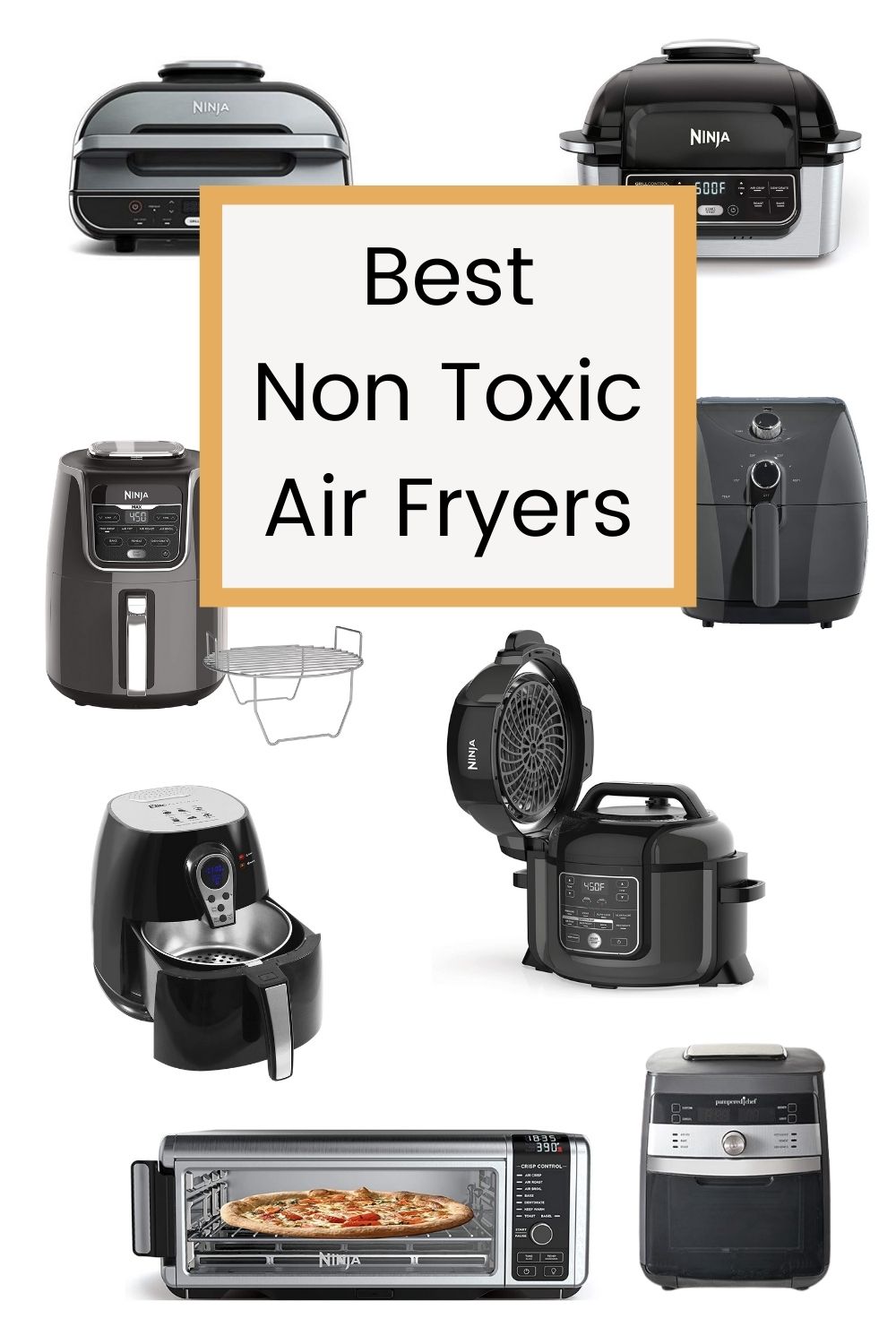
Navigating the Tech Landscape for Air Fryer Safety
At its heart, an air fryer is a sophisticated piece of technology. It utilizes rapid air circulation to cook food, mimicking the effects of a convection oven but with a more compact design and often higher intensity. The safety of these gadgets is intrinsically linked to their engineering, the quality of their components, and the smart features they incorporate. Understanding these technological underpinnings is the first step towards identifying a safe appliance.
Understanding Key Safety Features & Certifications
Modern air fryers come equipped with a range of safety features designed to prevent accidents. Foremost among these is overheat protection, a critical mechanism that automatically shuts off the appliance if internal temperatures exceed a safe threshold, mitigating fire risks. Closely related is the automatic shut-off function, which often activates when the basket is removed during cooking or after a set timer, preventing accidental re-starts or prolonged operation.
Another crucial aspect is the cool-touch exterior. While the interior reaches scorching temperatures, a well-designed air fryer will maintain an exterior that is safe to touch, preventing burns – a particularly important feature for homes with children. Non-slip feet ensure stability on countertops, reducing the risk of tipping, especially during operation.
Beyond these built-in functionalities, consumers must scrutinize safety certifications. Labels from organizations like Underwriters Laboratories (UL) in North America, ETL (another North American standard), or CE in Europe are not just arbitrary stamps; they signify that the product has undergone rigorous testing against established safety standards. These certifications cover everything from electrical safety and thermal regulation to fire containment and mechanical integrity. A lack of such certifications should be a significant red flag.
Furthermore, with advancements in Tech Trends like smart home integration, some air fryers now offer app connectivity. While primarily for convenience (remote start, recipe access), these Gadgets can potentially enhance safety through real-time monitoring and alerts, allowing users to switch off the appliance remotely if a concern arises. However, this also introduces the need for robust Digital Security to prevent unauthorized access or manipulation, a less common but emerging consideration. Material safety is also paramount; look for claims of BPA-free or PFOA/PFOS-free non-stick coatings, which are crucial for long-term health, linking directly to consumer wellness tech.
The Role of Design and Build Quality
Beyond individual features, the overall design and build quality of an air fryer play a monumental role in its safety. A robust construction, utilizing high-quality, heat-resistant plastics and metals, is essential. Flimsy materials can warp under heat, potentially exposing wiring or causing structural failures. The internal airflow design is critical; proper ventilation prevents hotspots and ensures even cooking without overstressing components, which could lead to premature failure.
Ease of use, a facet often associated with Productivity, also indirectly contributes to safety. An intuitive control panel, clear indicators, and an accessible design can prevent user errors that might lead to safety issues. For instance, a basket that securely locks into place, a clearly audible timer, and easy-to-clean components minimize the chances of food residue build-up becoming a fire hazard. When reading Reviews of air fryers, pay close attention to comments on build quality, component durability, and how the device handles prolonged use. These insights from real users often highlight design flaws or strengths that formal specifications might miss.
The Brand Dimension: Trust, Reputation, and Accountability
In a market saturated with options, the brand behind the air fryer carries significant weight. A brand is more than just a logo; it’s a promise of quality, reliability, and, crucially, safety. Evaluating a brand’s commitment to consumer well-being and its track record is an essential step in identifying a safe air fryer. This delves into aspects of Brand Strategy, Corporate Identity, and Reputation management.
Evaluating Brand Reputation and Customer Support
A brand’s reputation is built on a consistent history of product quality, customer satisfaction, and ethical practices. When considering an air fryer, research the manufacturer thoroughly. Look beyond flashy advertisements and delve into Case Studies of their past products. Have they faced recalls? How did they handle previous safety concerns? Reputable brands tend to be transparent about their manufacturing processes and safety standards.
Consult consumer watchdog reports, independent review sites, and online forums. A brand with a strong Corporate Identity centered on customer trust will typically have readily available, responsive customer support. This is vital not just for troubleshooting but for addressing potential safety concerns quickly and effectively. A comprehensive warranty is also a hallmark of a brand confident in its product’s safety and durability, offering a layer of financial protection should defects arise. Brands that invest in proactive communication about product care, safety tips, and firmware updates (for smart models) demonstrate a higher level of Brand Strategy focused on long-term consumer relationships and safety.
Marketing Claims vs. Reality: Identifying Red Flags
The marketing landscape for kitchen appliances is often crowded with bold claims. While many are legitimate, others can be misleading or outright deceptive. Brands employ various Marketing tactics, and it’s up to the consumer to distinguish genuine safety assurances from mere hype. Look for specific details: instead of just “safe,” does the brand specify how it’s safe? Does it list specific certifications (UL, ETL, CE)? Does it explain the materials used for non-stick coatings?

Be wary of products that are significantly cheaper than competitors with similar features, especially if they lack detailed safety specifications or come from unknown brands with little online presence or customer reviews. These can be red flags indicating corners might have been cut in manufacturing or safety testing. Also, consider the Design aspects presented in marketing materials. Is the design merely aesthetically pleasing, or does it reflect thoughtful engineering that prioritizes safety (e.g., integrated cord storage to prevent tripping hazards, secure handles)? True Brand Strategy balances aesthetics with functionality and, most importantly, safety. If a brand emphasizes only low price and superficial features without addressing safety, it’s a cause for concern.
The Financial Imperative: Investing in Safe Air Frying
The decision to purchase an air fryer is not just about convenience; it’s a financial one. While it might be tempting to opt for the cheapest model on the shelf, especially with the lure of Online Income and Side Hustles encouraging budget-conscious choices, overlooking safety in favor of price can have significant long-term Personal Finance implications. Investing in a safe air fryer is an investment in your home’s security and your family’s well-being.
The True Cost of Cheap Air Fryers
The initial savings from purchasing an inexpensive, uncertified, or poorly reviewed air fryer can quickly evaporate, replaced by unforeseen expenses and potential risks. These “bargain” models often cut corners on critical components like wiring, thermostats, and insulation. This can lead to a shorter lifespan, requiring premature replacement – effectively doubling your initial investment. More alarmingly, substandard manufacturing significantly increases the risk of malfunction, including electrical fires, overheating, or even chemical leaching from low-quality materials.
The financial fallout from a safety incident can be catastrophic. A kitchen fire, even a minor one, can lead to costly property damage, insurance claims, and potential medical bills for injuries. These expenses far outweigh the few dollars saved upfront on a cheap appliance. Furthermore, cheaper non-stick coatings are often less durable and might not be PFOA/PFOS-free, leading to concerns about long-term health impacts which eventually translate into medical costs. This highlights how an initial small saving can become a significant drain on your Personal Finance in the long run. Thinking from a Business Finance perspective, a cheap air fryer might represent a bad investment with a high risk of negative return.
Smart Spending: Warranties, Longevity, and Energy Efficiency
A safer air fryer is often a higher-quality one, and quality typically comes with a price tag. However, viewing this as an “investment” rather than an “expense” is key. A reputable brand with good reviews and proper certifications is more likely to offer a robust warranty (often 1-2 years or more). This warranty is a form of financial protection, ensuring that if a manufacturing defect does arise, the brand will repair or replace the unit, saving you from an unexpected expense.
Furthermore, higher-quality air fryers are generally built to last longer. Investing in a durable appliance means you won’t need to replace it every year or two, leading to long-term savings. Many advanced models also incorporate Technology Trends like improved energy efficiency, which translates into lower electricity bills over time – another subtle but significant Financial Tool for your household budget. Consider the total cost of ownership, which includes purchase price, energy consumption, potential repair costs, and expected lifespan. A well-chosen, safe air fryer provides excellent Return on Investment (ROI) by offering reliability, peace of mind, and sustained performance without posing undue risks. This thoughtful approach to spending ensures your Investing in kitchen gadgets aligns with both safety and financial prudence.
Operational Safety: Beyond the Device Itself
While selecting a safe air fryer is paramount, the responsibility for safe operation ultimately rests with the user. Even the safest appliance can become a hazard if not used correctly. Understanding best practices and knowing how to respond to potential issues is crucial for maintaining a safe kitchen environment. This blends aspects of Digital Security (in terms of user education) with practical Productivity tips for efficient and hazard-free use.
Best Practices for Safe Air Fryer Use
Even after purchasing a top-tier, certified air fryer, adherence to operational guidelines is non-negotiable. Firstly, placement is key. Always place your air fryer on a stable, heat-resistant surface, away from walls or cabinets, ensuring adequate ventilation. The hot air expelled needs space to dissipate to prevent overheating the appliance itself or nearby surfaces. Never operate it directly under overhead cabinets or near flammable materials.
Secondly, never overload the basket. Overfilling can restrict airflow, leading to uneven cooking, and in extreme cases, can strain the heating element or even cause smoke or fire due to excessive grease build-up. Always refer to your appliance’s user manual for maximum capacity guidelines.
Thirdly, cleaning and maintenance are critical. Food particles and grease can accumulate and become fire hazards. Regular cleaning after each use, following the manufacturer’s instructions, is essential. Ensure the unit is completely cool and unplugged before cleaning. Using the correct accessories – only those specified by the manufacturer – is also important, as generic or ill-fitting accessories can impede function or cause damage.
Finally, a fundamental rule for all cooking appliances: never leave an operating air fryer unattended. While many have auto-shutoff features, vigilance is your primary safeguard against unforeseen issues. If your model has smart features and accompanying Apps, ensure you understand their functions and limitations, using them to enhance supervision, not replace it. Many brands offer online Tutorials and comprehensive guides; utilizing these resources can significantly boost your operational safety.
Recognizing and Responding to Malfunctions
Despite all precautions, sometimes appliances can malfunction. Knowing how to recognize the signs and react appropriately is vital. If you notice unusual smells (especially burning plastic or electrical smells), excessive smoke (beyond normal steam from cooking), strange noises, or if the unit stops working unexpectedly, immediately unplug the air fryer. Do not attempt to diagnose or fix the issue yourself.
Once unplugged and cooled, refer to your user manual’s troubleshooting section. If the problem persists or seems significant, contact the manufacturer’s customer support. A reputable brand, as discussed under the Brand section, will have clear channels for reporting issues and offering solutions, whether it’s troubleshooting advice, repair, or replacement. Documenting the issue with photos or videos can also be helpful for customer service. Never continue using a malfunctioning appliance, as it poses a severe safety risk.
Making an informed decision about “What air fryers are safe” involves a multi-faceted approach. It’s about delving into the Tech behind the appliance, scrutinizing the Brand for its reputation and commitment to safety, and making Money choices that prioritize long-term safety over short-term savings. By combining diligent research with responsible usage, you can confidently embrace the convenience of air frying, knowing you’ve made the safest possible choice for your home and your family. The future of kitchen appliances will undoubtedly bring even more advanced safety features, possibly integrating AI Tools for predictive maintenance or enhanced user alerts, but the core principles of quality, transparency, and user awareness will always remain the cornerstone of kitchen safety.
aViewFromTheCave is a participant in the Amazon Services LLC Associates Program, an affiliate advertising program designed to provide a means for sites to earn advertising fees by advertising and linking to Amazon.com. Amazon, the Amazon logo, AmazonSupply, and the AmazonSupply logo are trademarks of Amazon.com, Inc. or its affiliates. As an Amazon Associate we earn affiliate commissions from qualifying purchases.