
Deciding when a child is ready to ride in the front seat is often perceived solely as a safety concern, a matter of physical maturity and legal compliance. While these aspects are paramount, the implications extend significantly into a family’s financial well-being. Beyond the immediate safety guidelines, adhering to child passenger safety laws and best practices constitutes a critical element of personal financial management, risk mitigation, and long-term economic stability. From potential fines and insurance impacts to catastrophic medical expenses, the financial repercussions of an improperly restrained child in an accident can be staggering. Understanding the age recommendations for front-seat riding, typically starting at 13 years old, is not just about avoiding injury; it’s about safeguarding your family’s financial future.

The Hidden Costs of Non-Compliance: Fines, Premiums, and Liabilities
Ignoring child passenger safety laws or making premature decisions about front-seat riding can inadvertently open a Pandora’s box of financial penalties and long-term economic strain. The initial infraction might seem minor, but its ripple effects can significantly impact a family’s budget and financial security.
Legal Fines and Penalties
Every state and jurisdiction has specific laws governing child passenger safety, including age, weight, and height requirements for car seats, booster seats, and eventually, front-seat riding. Violating these laws carries immediate financial consequences in the form of fines. These fines, while varying by location, can range from dozens to hundreds of dollars per offense. What might seem like a simple oversight can quickly deplete discretionary funds or necessitate dipping into savings. Repeated offenses can lead to escalating fines, points on a driver’s license, and potentially even more severe legal ramifications, all of which contribute to an unexpected drain on personal finances. These immediate costs are just the tip of the iceberg when considering the broader financial landscape.
Insurance Premium Increases
One of the most insidious financial impacts of non-compliance arises from auto insurance. Traffic violations related to child safety can be recorded on your driving record. Insurance companies assess risk based on an individual’s driving history, and violations, especially those concerning safety, can lead to substantial increases in insurance premiums. Over several years, these elevated premiums can amount to thousands of dollars in additional expenses. This isn’t merely a one-time fine; it’s a persistent, recurring financial burden that directly results from neglecting child passenger safety regulations. Furthermore, in the event of an accident where a child was improperly restrained, insurance providers may dispute claims or refuse to cover certain costs, arguing negligence, thereby shifting a significant financial burden onto the policyholder.
Civil Liabilities and Lawsuits
The most financially devastating consequence of improper child restraint in an accident is the potential for civil liability. If a child is injured while improperly seated or restrained, and it can be demonstrated that the driver’s negligence (e.g., allowing a child to sit in the front seat too young, or failing to use appropriate restraints) contributed to the severity of the injury, the driver could face a lawsuit. Such lawsuits can lead to astronomical judgments, covering medical expenses, pain and suffering, lost future earnings for the child, and other damages. Even with robust insurance coverage, many policies have limits, and the driver could be personally responsible for the remainder, potentially leading to bankruptcy, asset forfeiture, and long-term financial ruin. The legal fees alone, whether defending against a claim or pursuing one, can be crippling, illustrating how vital it is to prioritize child safety not just morally, but financially.
Investing in Safety: A Prudent Financial Decision
While the upfront costs of safety equipment or the perceived inconvenience of strict adherence to safety guidelines might seem like a burden, viewing these actions as an investment reveals their true financial value. Prudent financial planning extends beyond stocks and savings accounts; it encompasses proactive measures to protect one’s most valuable assets, including the health and well-being of family members.
The Cost of Car Seats vs. Medical Bills
A high-quality car seat or booster seat represents an initial outlay, ranging from a few hundred dollars to several hundred. For many families, this is a tangible expense that requires budgeting. However, compare this investment to the potential costs associated with a child sustaining serious injuries in an accident due to improper restraint. Emergency room visits, ambulance rides, surgeries, hospital stays, rehabilitation, and long-term care can quickly escalate into hundreds of thousands or even millions of dollars. Even with health insurance, deductibles, co-pays, and uncovered services can leave families with an overwhelming financial responsibility. Seen through this lens, the cost of proper safety equipment is an incredibly cost-effective form of risk management, offering an invaluable return on investment in the form of child safety and financial security.
Long-Term Financial Planning for Child Safety
Integrating child passenger safety into broader financial planning is a testament to responsible parenthood. This involves not just budgeting for the initial purchase of appropriate car seats but also planning for their replacement as children grow, factoring in booster seats, and understanding when to transition to seat belt use alone, always prioritizing the back seat until the age of 13. Financial planning for safety also involves understanding the nuances of insurance policies – ensuring adequate coverage for medical expenses and liability, reviewing policy limits, and understanding how child safety compliance impacts coverage terms. This proactive approach ensures that unforeseen circumstances don’t derail meticulously built financial plans, preserving assets intended for education, retirement, or other long-term goals.
Protecting Your Most Valuable Asset
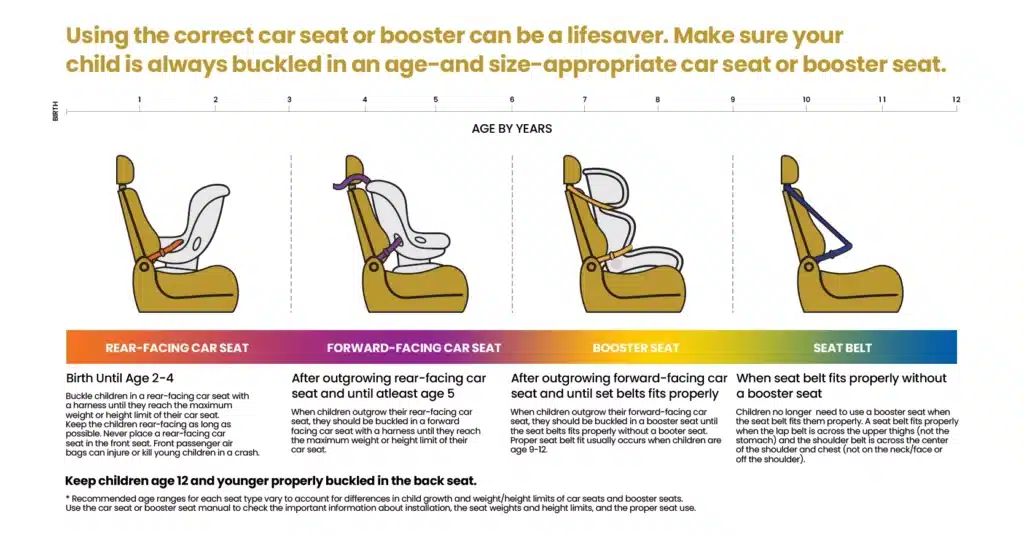
From a purely financial perspective, a child’s health and future potential represent an unparalleled asset for a family. Protecting this asset from preventable harm through diligent safety practices has profound financial implications. A severe injury can not only incur immediate and long-term medical costs but can also impact a child’s future earning potential, educational opportunities, and overall quality of life. For parents, dealing with a child’s injury often means lost wages due to time off work for caregiving, therapy appointments, and emotional distress, further eroding the family’s financial stability. By making informed decisions about where and how children ride in a vehicle, parents are essentially making a wise financial investment in their child’s future capacity to learn, work, and contribute to society, thereby securing the family’s collective economic well-being.
The Economic Ripple Effect of Accidents
An automobile accident, particularly one involving children, triggers a cascade of economic consequences that extend far beyond immediate vehicle damage. The true financial cost is often underestimated, encompassing direct expenses, loss of income, and even the financial manifestation of emotional distress.
Direct Medical Expenses
The most obvious and often largest financial impact of an accident involving an improperly restrained child relates to direct medical expenses. These can include emergency services (ambulance, helicopter transport), hospital stays, multiple surgeries, diagnostic tests (X-rays, MRIs, CT scans), specialist consultations, medications, and ongoing rehabilitation therapy. For severe injuries such as head trauma, spinal cord injuries, or extensive internal damage, these costs can accumulate into millions over a lifetime. Even with comprehensive health insurance, out-of-pocket maximums, co-insurance, and uncovered services can leave families facing insurmountable medical debt, often necessitating difficult financial decisions like selling assets or taking on high-interest loans. The financial burden can be a defining factor in a family’s economic trajectory for decades.
Lost Income and Productivity
Beyond direct medical bills, an accident can lead to significant lost income and productivity for the parents or guardians. If a child is seriously injured, one or both parents may need to take extended time off work to provide care, attend appointments, or manage the logistical complexities of their child’s recovery. For hourly workers, this translates directly into lost wages. For salaried employees, it might mean exhausting sick leave or vacation time, or even taking unpaid leave, leading to a substantial reduction in household income. Furthermore, the emotional toll of such an event can impact a parent’s focus and productivity when they do return to work, potentially affecting career advancement and future earning potential. In the tragic event of a permanent disability, the financial burden shifts to potentially include costs for adaptive equipment, home modifications, and specialized care, further impacting family finances and requiring long-term financial planning adjustments.
Emotional and Psychological Costs (with Financial Impact)
While emotional and psychological suffering cannot be quantified in purely monetary terms, their long-term effects often manifest as significant financial burdens. Trauma, anxiety, and depression following a severe accident can necessitate therapy, counseling, or medication, all of which carry costs. For children, psychological support may be needed for years, impacting their ability to concentrate in school, participate in social activities, and ultimately, their future earning capacity. For parents, the stress of dealing with an injured child, coupled with financial pressures, can lead to mental health issues that require professional intervention, adding another layer of expense. In legal contexts, “pain and suffering” damages are often sought, which, while compensating for non-economic loss, highlight the financial value placed on psychological well-being. This demonstrates that neglecting safety guidelines can lead to a multifaceted financial crisis encompassing not only physical recovery but also the often-overlooked mental health costs for all involved.
Smart Financial Habits for Safe Passage
Adopting smart financial habits directly contributes to ensuring child passenger safety. This isn’t just about spending money; it’s about making informed, proactive decisions that mitigate financial risk and promote overall family well-being. By integrating safety considerations into everyday financial planning, families can navigate the complexities of child transportation with confidence and security.
Budgeting for Proper Safety Equipment
One of the most effective financial habits for ensuring child safety is proactively budgeting for appropriate safety equipment. This means setting aside funds specifically for new car seats, booster seats, or even understanding the value proposition of convertible car seats that grow with your child. Rather than viewing these purchases as unexpected expenses, integrate them into a long-term family budget. Researching options, comparing prices, and looking for sales can help manage costs, but the priority should always be safety standards and fit, not just the lowest price. Understanding that a properly installed, age- and size-appropriate car seat is an investment, not an expense, shifts the mindset towards responsible financial planning that prioritizes safety over short-term savings on critical equipment.
Reviewing Your Auto Insurance Policy
Another crucial financial habit is regularly reviewing your auto insurance policy, particularly in light of family changes. Ensure that your liability coverage is adequate to protect your assets in the event of an accident where you might be found at fault. Similarly, assess your medical payments or personal injury protection (PIP) coverage to understand how much your policy would contribute to medical expenses for family members, regardless of fault. Discuss with your insurance agent how child passenger safety violations might affect coverage or premiums. Understanding your policy’s limits, deductibles, and exclusions related to child safety is paramount. An annual review of your policy allows you to make adjustments as your family grows and your financial situation evolves, ensuring you have robust protection against the financial fallout of an unexpected incident.

Educational Resources and Preventative Spending
Investing time in education about child passenger safety is a form of preventative spending that yields significant financial returns. Many organizations offer free or low-cost resources, including car seat check events, online guides, and educational materials from government agencies (like the NHTSA). Understanding correct installation, proper harnessing, and the “13-year rule” for front-seat riding is invaluable. This knowledge prevents costly mistakes, such as using an expired car seat, installing it incorrectly, or prematurely moving a child to the front seat, which could lead to fines, increased insurance rates, or worse, devastating medical expenses. Think of the time spent learning about child safety as an investment in financial literacy specifically tailored to safeguarding your family’s future, preventing future expenditures, and promoting long-term economic stability.
aViewFromTheCave is a participant in the Amazon Services LLC Associates Program, an affiliate advertising program designed to provide a means for sites to earn advertising fees by advertising and linking to Amazon.com. Amazon, the Amazon logo, AmazonSupply, and the AmazonSupply logo are trademarks of Amazon.com, Inc. or its affiliates. As an Amazon Associate we earn affiliate commissions from qualifying purchases.