
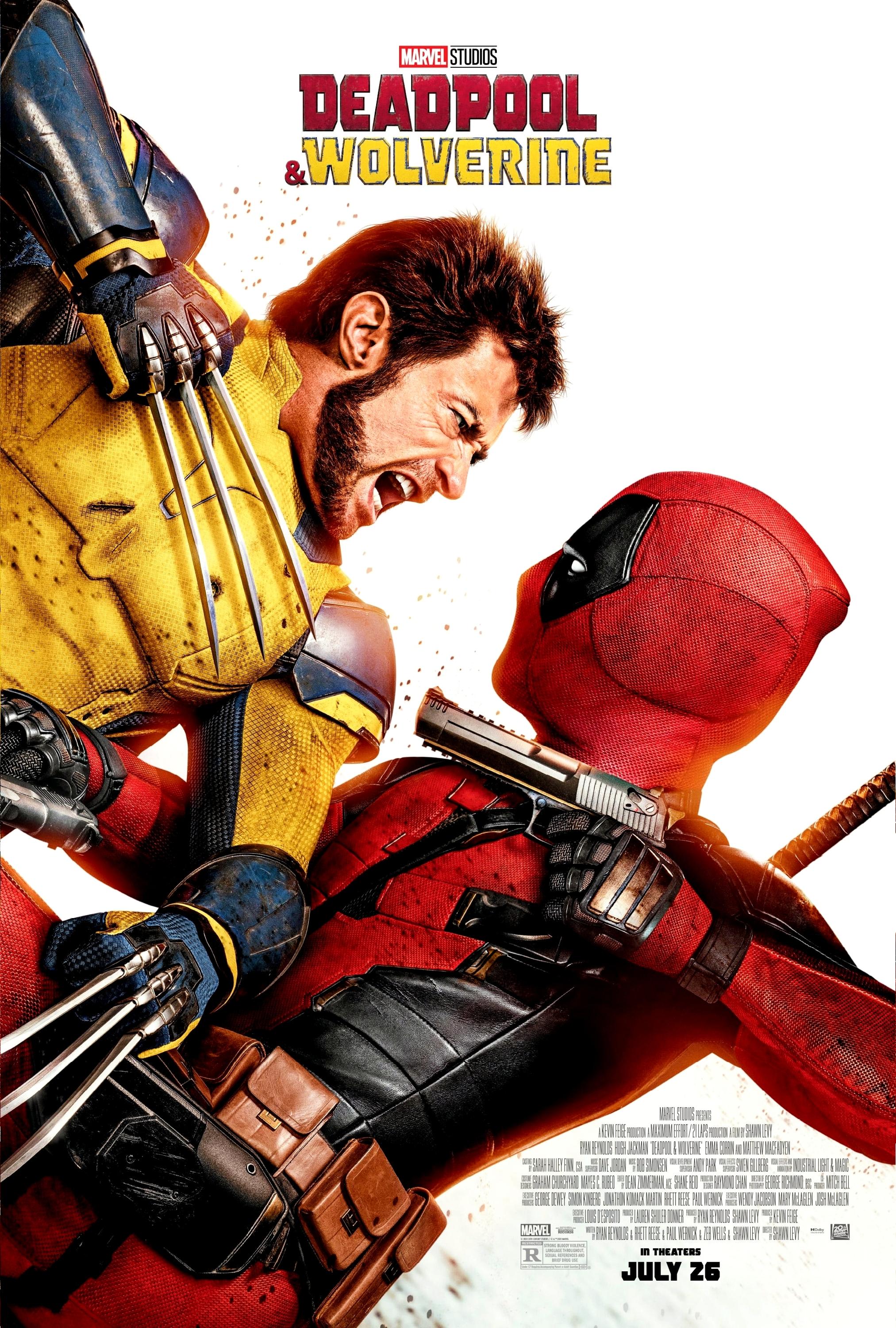
The announcement of Deadpool 3, officially titled Deadpool & Wolverine, sent ripples of excitement and, for many, a touch of apprehension through the fervent fanbase. Beyond the casting news, plot rumors, and production updates, one question has consistently dominated discussions and analysis: what will be its age rating? For a franchise synonymous with its unapologetically adult humor, graphic violence, and fourth-wall-breaking irreverence, the age rating isn’t merely a classification; it’s a foundational pillar of its brand identity. As Deadpool 3 integrates into the vast Marvel Cinematic Universe (MCU) under the Disney banner, the strategic decision surrounding its rating transcends mere regulatory compliance, becoming a critical determinant of its market positioning, audience engagement, and long-term brand legacy. This article delves into why the age rating of Deadpool 3 is a paramount brand consideration, exploring its historical context, strategic implications, and the delicate balance required to preserve a unique brand within a colossal corporate ecosystem.

The R-Rated Legacy: A Cornerstone of the Deadpool Brand
The very essence of Deadpool as a character and a franchise is inextricably linked to its R-rated (or equivalent international) status. Unlike most mainstream superhero properties, Deadpool carved out its niche by embracing profanity, gore, and meta-commentary that would be unthinkable in a PG-13 film. This bold approach wasn’t a creative whim; it was a deliberate brand strategy that defied conventions and resonated profoundly with a specific, underserved audience segment.
Establishing a Unique Brand Identity
Before the first Deadpool film debuted in 2016, the superhero landscape was largely dominated by family-friendly narratives and PG-13 action. The success of Deadpool shattered this mold, proving that there was a substantial appetite for mature, unfiltered superhero content. The R-rating wasn’t just a classification; it was a badge of honor, signaling a commitment to a distinct brand voice that promised irreverence, dark humor, and an unvarnished take on the superhero genre. This immediately differentiated the Deadpool brand from its competitors, including the increasingly ubiquitous MCU, establishing a clear value proposition for consumers seeking something genuinely different. The brand’s advertising campaigns leaned heavily into this R-rated promise, using its explicit nature as a primary selling point, further cementing this identity in the public consciousness.
Audience Expectation and Brand Loyalty
For many fans, the R-rating isn’t just a preference; it’s a non-negotiable expectation. The humor, the character’s personality, and the types of situations Deadpool finds himself in are all inherently designed for an adult audience. Deviating from this would risk alienating the very demographic that propelled the first two films to immense success. Brand loyalty, in this context, is built on trust – trust that the creators will continue to deliver the specific brand experience that fans have come to love and anticipate. A shift to a softer rating, such as PG-13, could be perceived as a betrayal of this trust, signaling a dilution of the core brand values and potentially leading to a significant backlash. The Deadpool brand thrives on its edgy authenticity, and any perceived compromise could severely damage its standing with its most dedicated followers. Maintaining the R-rating is, therefore, a crucial act of brand stewardship, ensuring continuity and reinforcing the connection with its core audience.
Differentiating from the MCU’s Family-Friendly Image
The Marvel Cinematic Universe has, for the most part, cultivated a brand image of broad appeal, suitable for a wide demographic, including children and families. While this strategy has led to unparalleled global success, it also means a certain homogenization of tone and content. Deadpool’s brand, conversely, has always thrived on its counter-cultural stance. Its R-rating allows it to exist as a distinct entity, a subversive counterpoint within the larger superhero ecosystem. Integrating Deadpool into the MCU without sacrificing its rating ensures that the character maintains his unique voice and appeal, rather than being watered down to fit the existing mold. This differentiation is vital for the health of both brands; it allows the MCU to expand its tonal range without altering its core offering, while enabling Deadpool to retain the characteristics that make it a compelling and distinctive brand proposition. The R-rating, therefore, isn’t just about content; it’s about strategic market positioning within a highly competitive entertainment landscape.
Navigating the Disney Acquisition: Brand Integration vs. Brand Preservation
The acquisition of 20th Century Fox by Disney introduced a unique challenge for the Deadpool brand. Disney, a company synonymous with family-friendly entertainment and meticulously managed brand image, now owned a property celebrated for its adult themes. This presented a fascinating case study in corporate brand strategy: how to integrate a fiercely independent, R-rated brand into a PG-centric empire without compromising either.
The Disney Brand Ethos and Its Impact
Disney’s brand ethos is built on themes of magic, wonder, heroism, and family-appropriate entertainment. This commitment is deeply embedded in its corporate identity, its marketing, and its product offerings across films, theme parks, and merchandise. Introducing an R-rated property like Deadpool into this ecosystem carries inherent risks to Disney’s established brand perception. While the company has shown a willingness to explore more mature content through subsidiaries like Hulu and FX, integrating a highly visible, R-rated MCU film directly under the Marvel Studios banner presented a new frontier. The challenge was not just about allowing an R-rating but about strategically communicating to consumers that this was an intentional, albeit exceptional, part of the broader Disney/Marvel portfolio, without diluting the core family-friendly brand. The solution lay in careful positioning and a clear demarcation of the Deadpool brand’s unique space.
Strategic Decisions for a Niche Brand
Recognizing the distinct value of the Deadpool brand, Disney and Marvel Studios have seemingly opted for a strategy of brand preservation rather than full integration into the existing MCU tone. This decision acknowledges that forcefully sanitizing Deadpool for a PG-13 rating would likely diminish its appeal and undermine its established brand equity. Instead, by allowing the R-rating, they leverage the existing strength of the Deadpool brand as a niche offering that expands the overall Marvel portfolio. This is a sophisticated brand play, allowing Disney to tap into a different market segment without alienating its traditional audience. It demonstrates a strategic understanding that a diverse portfolio of brands, each with its unique identity, can be more powerful than a monolithic, uniformly toned brand. The key is in managing expectations and clearly signaling what each brand represents.
Balancing Creative Freedom with Corporate Standards
For any creative property, especially one with a strong authorial voice like Deadpool, maintaining creative freedom is paramount to brand authenticity. Ryan Reynolds, the star and a key creative force behind the films, has consistently advocated for the R-rating, understanding its importance to the character and brand. Disney’s decision to uphold this rating reflects a pragmatic approach to brand management: trusting the established brand’s formula rather than imposing an external corporate standard that could prove detrimental. This balance involves granting a certain degree of autonomy to the creative team while ensuring that the broader corporate values are not entirely undermined. It’s a testament to the power of a well-defined brand that it can influence the operational decisions of even the largest corporations, demonstrating that some brands are so potent they dictate their own terms of engagement within a larger system.
Marketing and Audience Engagement: Tailoring the Brand Message
The age rating of Deadpool 3 is not just a content descriptor; it’s a fundamental element that shapes its entire marketing and audience engagement strategy. An R-rating immediately signals a target demographic and informs every aspect of how the brand communicates with its potential viewers.
Crafting Campaigns for a Specific Demographic

An R-rating dictates that marketing materials must be tailored to an adult audience, bypassing channels primarily aimed at minors. This means less reliance on traditional network television during prime-time family viewing slots and a greater focus on digital platforms, late-night broadcasts, and targeted social media campaigns. The language, imagery, and humor used in trailers and promotional content can be bolder, more explicit, and directly appeal to the sensibility of an adult audience accustomed to Deadpool’s brand of irreverence. This precise targeting maximizes the impact of marketing spend by reaching those most likely to be interested, ensuring that the brand message is received by the intended consumer without dilution or misinterpretation. It’s an efficient use of resources guided by the brand’s core demographic.
Leveraging the R-Rating as a Marketing Hook
For Deadpool, the R-rating itself is a potent marketing hook. It’s a shorthand for what fans can expect: unadulterated humor, over-the-top action, and a refusal to compromise. Promotional campaigns for Deadpool 3 will undoubtedly highlight this rating, potentially even in a meta-referential way, playing on the previous anxieties about Disney’s influence. This turns a regulatory classification into a brand asset, a promise of fidelity to the character’s established persona. The R-rating becomes a unique selling proposition, reassuring existing fans and intriguing new ones who are seeking a more adult-oriented superhero experience. It’s a powerful tool for brand differentiation in a crowded market, signaling that this particular entry into the superhero canon stands apart.
Community Building Around a Distinct Brand Persona
The R-rating fosters a sense of exclusivity and shared understanding among its audience. Fans of R-rated content often feel a stronger connection to brands that cater to their specific tastes, creating a more passionate and engaged community. Deadpool’s brand persona—the snarky, fourth-wall-breaking anti-hero—is amplified by its R-rating, allowing for more provocative fan interactions, fan art, and online discussions. This deep level of engagement creates a loyal community that actively champions the brand, extends its reach through word-of-mouth marketing, and solidifies its position in popular culture. The brand doesn’t just attract viewers; it cultivates advocates who identify with its unique, unfiltered identity, further strengthening its market presence.
The Business of Brand: Financial & Creative Ramifications
While the age rating is a creative and marketing consideration, its ultimate impact reverberates through the financial and operational aspects of the brand. The choice of an R-rating for Deadpool 3 is a business decision with significant implications for revenue, talent acquisition, and long-term brand valuation.
Box Office Potential vs. Brand Integrity
The conventional wisdom in Hollywood suggests that a PG-13 rating typically leads to higher box office returns due to a broader accessible audience. However, Deadpool and Deadpool 2 challenged this notion, proving that an R-rating doesn’t necessarily hinder commercial success when a brand deeply resonates with its target demographic. The R-rating for Deadpool 3 represents a strategic choice to prioritize brand integrity and audience loyalty over the potential for marginally higher revenue from a wider, yet potentially less engaged, PG-13 audience. This decision underscores a sophisticated understanding of brand equity—that long-term value and sustained success often come from staying true to a brand’s core identity, even if it means foregoing some short-term gains from a less targeted approach. It’s an investment in the brand’s authentic voice.
Merchandise and Ancillary Brand Extensions
The R-rating also influences merchandise and ancillary revenue streams. While some Deadpool merchandise can appeal to a broader audience (e.g., comic books, t-shirts), the R-rating for the films allows for more adult-oriented product lines, collector’s items, and marketing tie-ins that reflect the character’s explicit nature. This expands the potential for brand monetization beyond just ticket sales, catering to an adult collector market eager for authentic representations of their favorite anti-hero. Furthermore, the distinct brand identity forged by the R-rating makes Deadpool a unique and highly recognizable property, increasing its licensing value and appeal for various partnerships, from video games to themed experiences that cater specifically to mature audiences.
Attracting Top-Tier Talent for a Consistent Brand
Maintaining the R-rating for Deadpool 3 is also crucial for attracting and retaining the creative talent who have shaped the brand. Actors, writers, and directors who are drawn to the irreverent and unrestricted nature of Deadpool are more likely to commit to a project that allows for genuine creative expression within that established framework. Ryan Reynolds, as previously mentioned, has been instrumental in advocating for the R-rating. By honoring this, Marvel Studios reinforces its reputation as a place where diverse creative voices can thrive, even within its larger, more controlled universe. This commitment to creative freedom, facilitated by the R-rating, ensures that the brand continues to attract the best talent, contributing to the consistent quality and distinctiveness that defines the Deadpool experience.
Looking Ahead: The Future of the Deadpool Brand and Beyond
The decision regarding Deadpool 3‘s age rating isn’t just about one film; it sets a precedent for the future of mature content within the MCU and signals an evolving understanding of brand diversity in mainstream entertainment.
Setting Precedents for Mature Content in the MCU
By officially endorsing an R-rated entry into the MCU proper, Marvel Studios is opening the door for other mature-themed properties to potentially join its cinematic universe, or at least exist alongside it. This could include characters from the X-Men universe or other Marvel Comics properties known for their darker narratives. The success of Deadpool 3 as an R-rated film within the MCU framework will serve as a vital case study, informing future brand expansion strategies and demonstrating that the Marvel brand is capable of encompassing a broader spectrum of tones and audience demographics. This strategic move could significantly broaden the appeal and thematic depth of the entire Marvel universe, offering different brand experiences under a unified umbrella.
Evolving Brand Perceptions and Market Trends
The entertainment industry is constantly evolving, with audience tastes becoming increasingly sophisticated and fragmented. The success of Deadpool speaks to a broader market trend where audiences appreciate niche, authentic brands that aren’t afraid to challenge conventions. Disney and Marvel Studios, by maintaining the R-rating, demonstrate an acute awareness of these shifting dynamics. They are adapting their brand strategy to meet these demands, showing flexibility and an understanding that rigid adherence to a single brand image can limit growth. This move signals a forward-thinking approach to brand management, acknowledging that modern consumers often seek diverse and authentic experiences, even within well-established franchises.
The Enduring Power of a Defined Brand Niche
Ultimately, the unwavering commitment to the R-rating for Deadpool 3 underscores the enduring power of a clearly defined brand niche. In a world saturated with content, brands that possess a strong, unique identity and consistently deliver on their promises are the ones that forge lasting connections with their audience. Deadpool’s brand, built on its irreverence and mature humor, has proven to be incredibly resilient. By protecting this core attribute, Deadpool 3 isn’t just making a creative choice; it’s making a profound statement about brand integrity, strategic differentiation, and the understanding that sometimes, the most successful path is to embrace what makes a brand truly one-of-a-kind.
The age rating of Deadpool 3 is far more than a simple classification; it’s the heartbeat of a brand that has defied expectations and carved out an indispensable niche in the superhero genre. As Deadpool & Wolverine prepares to unleash its signature brand of mayhem, its R-rating stands as a testament to strategic foresight, audience loyalty, and the unwavering power of an authentic, unapologetic brand identity within an ever-evolving media landscape.
aViewFromTheCave is a participant in the Amazon Services LLC Associates Program, an affiliate advertising program designed to provide a means for sites to earn advertising fees by advertising and linking to Amazon.com. Amazon, the Amazon logo, AmazonSupply, and the AmazonSupply logo are trademarks of Amazon.com, Inc. or its affiliates. As an Amazon Associate we earn affiliate commissions from qualifying purchases.