
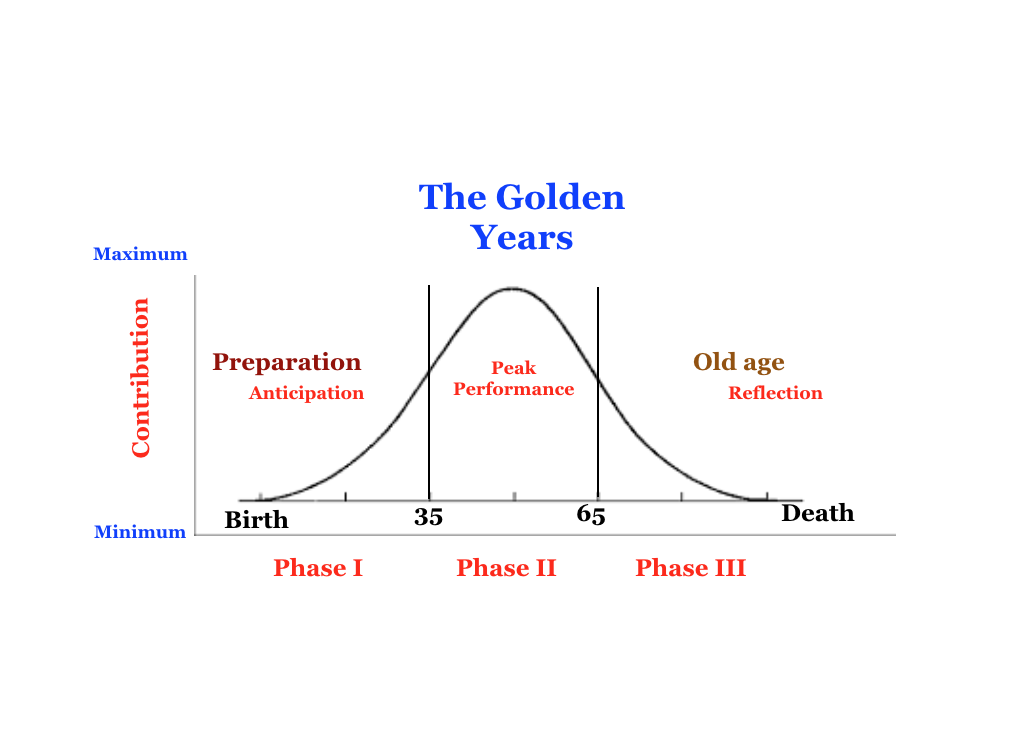
The concept of “golden years” evokes images of leisurely pursuits, freedom from work, and enjoying the fruits of a lifetime of labor. Historically, this period was often synonymous with a fixed retirement age, typically 65, coinciding with social security benefits and pension eligibility. However, in an era of unprecedented longevity, evolving financial landscapes, and changing societal norms, pinpointing a singular “golden age” is becoming increasingly complex. From a financial perspective, the “golden years” are less about a specific chronological age and more about achieving a state of financial independence and security that allows individuals to live life on their own terms, free from the daily grind of employment if they choose. It’s a highly personalized journey, heavily reliant on strategic financial planning, astute investing, and a keen understanding of personal financial goals.

The Evolving Definition of “Golden Years”
The traditional notion of retirement, fixed by age and employer-provided pensions, is steadily giving way to a more fluid, individualized approach. Global demographic shifts, advances in healthcare, and the rise of the gig economy have profoundly reshaped expectations around later life. For many, the “golden years” now represent a phase of continued engagement, whether through part-time work, entrepreneurship, or pursuing passions that were previously sidelined by career demands. The critical differentiator is choice, underpinned by robust financial preparedness.
Beyond a Fixed Age: A Financial Perspective
From a financial standpoint, the “golden years” commence when an individual’s accumulated assets and passive income streams are sufficient to cover their desired living expenses without the need for active employment. This financial independence threshold varies dramatically from person to person, influenced by lifestyle aspirations, healthcare needs, housing costs, and travel goals. For some, this might be achievable in their late 50s; for others, it may extend into their late 70s, or even involve a phased transition. The goal isn’t just to stop working, but to afford a desired quality of life, maintain financial flexibility, and mitigate unforeseen risks. This necessitates a proactive approach to saving and investing, focusing on building a diversified portfolio that can generate sustainable income and withstand market volatility over an extended period.
Longevity and Its Impact on Retirement Planning
One of the most significant factors reshaping the definition of “golden years” is increased human longevity. People are living longer, healthier lives than ever before, which, while a societal triumph, presents considerable financial challenges. A retirement phase that might have historically lasted 10-15 years now often spans 20-30 years, or even more. This extended timeline requires a substantial increase in the total capital needed to fund retirement, placing a greater emphasis on aggressive saving in early and mid-career, and strategic investment management designed for long-term growth and inflation protection. Planners must account for sustained income needs, potential healthcare cost escalation, and the desire to maintain an active lifestyle for several decades post-employment. This shift underscores the importance of not just accumulating wealth, but also developing a strategy for its efficient decumulation and preservation.
Financial Pillars for a Golden Retirement
Achieving a financially secure and truly golden retirement hinges on establishing and diligently maintaining several key financial pillars throughout one’s working life. These pillars provide the foundation necessary to navigate economic uncertainties and support a desired lifestyle without relying solely on a fixed income from employment.
Retirement Savings: The Cornerstone
The bedrock of any successful retirement plan is consistent and substantial savings. This typically involves leveraging tax-advantaged accounts such as 401(k)s, 403(b)s, and IRAs (Traditional or Roth). These vehicles offer significant benefits, including tax deductions on contributions, tax-deferred growth, or tax-free withdrawals in retirement, depending on the account type. Maximizing contributions, especially when employer matching is available, is crucial. The earlier contributions begin, the more time investments have to grow through the power of compound interest, significantly reducing the pressure to save excessively later in life. Beyond employer-sponsored plans, consider taxable brokerage accounts for additional savings flexibility and diversification, particularly for those who anticipate needing funds before traditional retirement ages or exceeding contribution limits for tax-advantaged accounts.
Investment Strategies for Long-Term Growth
Savings alone are often insufficient; these funds must be invested wisely to outpace inflation and achieve significant growth. A well-diversified investment portfolio is essential, typically comprising a mix of equities (stocks) for growth potential, fixed income (bonds) for stability and income, and potentially real estate or alternative investments for further diversification. The allocation between these asset classes should evolve with age and risk tolerance, generally shifting from a more aggressive, equity-heavy portfolio in younger years towards a more conservative, income-focused approach closer to retirement. Regular rebalancing is necessary to maintain the desired asset allocation. Furthermore, understanding different investment vehicles, such as mutual funds, exchange-traded funds (ETFs), and individual stocks, and how they align with personal financial goals, is critical for long-term wealth accumulation.
Income Streams in Retirement
Relying solely on Social Security or a single pension might not be enough for a comfortable retirement. A diversified approach to generating income in retirement is often more robust. This includes drawing down from invested assets, utilizing annuities for guaranteed income, and potentially generating passive income from rental properties or dividend stocks. For many, a “phased retirement” or “bridge employment” – working part-time or consulting – can also supplement income, ease the transition out of full-time work, and keep individuals engaged. Strategic planning for Social Security claiming age is also vital, as delaying benefits can significantly increase monthly payouts. Creating a clear income plan that accounts for inflation and potential market downturns is key to sustaining a desired lifestyle throughout the golden years.
Health, Wealth, and Well-being: An Integrated Approach
The pursuit of “golden years” is not solely about accumulating wealth; it’s about translating that wealth into sustained well-being. A crucial aspect of this integration involves proactive planning for healthcare, which represents one of the largest and most unpredictable expenses in later life.
Managing Healthcare Costs in Later Life
Healthcare expenses can rapidly erode retirement savings if not adequately planned for. Medicare, while providing significant coverage, does not cover all medical costs, leaving gaps for deductibles, co-pays, and long-term care. Investing in supplemental insurance plans (Medigap) or Medicare Advantage plans can help mitigate these out-of-pocket expenses. Furthermore, considering long-term care insurance is crucial, as traditional health insurance and Medicare typically do not cover extended stays in nursing homes or in-home care. Health Savings Accounts (HSAs), if utilized correctly during working years, offer a triple tax advantage (tax-deductible contributions, tax-free growth, tax-free withdrawals for qualified medical expenses) and can serve as a powerful tool for funding future healthcare costs in retirement, effectively acting as a secondary retirement savings vehicle for medical expenses.
The Role of Financial Planning in Maintaining Lifestyle
A comprehensive financial plan extends beyond mere asset accumulation; it provides a roadmap for how wealth will be managed and utilized to sustain or even enhance one’s desired lifestyle in retirement. This involves budgeting for retirement expenses, which may differ significantly from working-life expenses (e.g., less commuting, more travel, increased leisure activities), and building in contingencies for unexpected costs. It also encompasses estate planning to ensure wealth is distributed according to one’s wishes and minimizes tax burdens for beneficiaries. A well-structured plan considers legacy goals, charitable giving, and generational wealth transfer. Ultimately, robust financial planning aims to provide the peace of mind and flexibility needed to truly enjoy the “golden years,” allowing individuals to pursue hobbies, travel, spend time with loved ones, and contribute to their communities without financial constraints.
Planning for Your Personalized Golden Years
There is no universal age that defines the “golden years”; rather, it is a financial and personal readiness state. Crafting a personalized plan that addresses individual aspirations, risk tolerance, and time horizons is paramount.
Starting Early: The Power of Compound Interest
The single most impactful action anyone can take to secure their golden years is to start saving and investing as early as possible. The principle of compound interest means that money invested early has more time to grow exponentially, turning even small, consistent contributions into substantial wealth over decades. Delaying retirement savings by just a few years can necessitate significantly larger contributions later on to catch up. Early engagement with financial planning not only builds a larger nest egg but also instills good financial habits and a deeper understanding of personal finance. Utilizing tools like retirement calculators can illustrate the power of early investment and help set realistic saving targets.
Adapting to Economic Shifts and Personal Circumstances
Financial planning is not a one-time event but an ongoing process. Economic conditions change, investment markets fluctuate, and personal circumstances evolve. A dynamic financial plan allows for adjustments based on unforeseen events, such as market downturns, job loss, health crises, or changes in family structure. Regular reviews of investment portfolios, retirement goals, and spending habits are essential to ensure the plan remains aligned with reality. Being flexible and adaptable, rather than rigidly adhering to an outdated plan, is key to successfully navigating the journey towards and through the golden years. This might involve re-evaluating risk tolerance, exploring alternative income sources, or adjusting spending as circumstances dictate.

Seeking Professional Financial Guidance
Navigating the complexities of retirement planning, investment strategies, tax implications, and estate planning can be overwhelming. Engaging with a qualified financial advisor can provide invaluable expertise and personalized guidance. A professional can help assess current financial health, define retirement goals, develop a tailored investment strategy, optimize tax efficiency, and create a comprehensive retirement income plan. They can also provide an objective perspective, helping individuals make informed decisions and avoid common pitfalls. For many, a financial advisor becomes a trusted partner, ensuring that the path to their personalized golden years is well-charted and effectively managed.
aViewFromTheCave is a participant in the Amazon Services LLC Associates Program, an affiliate advertising program designed to provide a means for sites to earn advertising fees by advertising and linking to Amazon.com. Amazon, the Amazon logo, AmazonSupply, and the AmazonSupply logo are trademarks of Amazon.com, Inc. or its affiliates. As an Amazon Associate we earn affiliate commissions from qualifying purchases.