
Marketing, at its core, is about understanding and connecting with people. The strategies, platforms, and even the language used within the marketing world are in constant flux, driven by evolving consumer behaviors and technological advancements. Therefore, the question of “what age group is interested in marketing” isn’t a simple demographic survey. Instead, it’s an exploration of how different generations perceive, engage with, and contribute to the field of marketing. From the nascent curiosity of Gen Z to the seasoned expertise of Baby Boomers, a diverse array of age groups finds itself drawn to the multifaceted world of marketing, each bringing unique perspectives and skillsets.
The Digital Natives: Gen Z and Millennial Marketing Enthusiasts
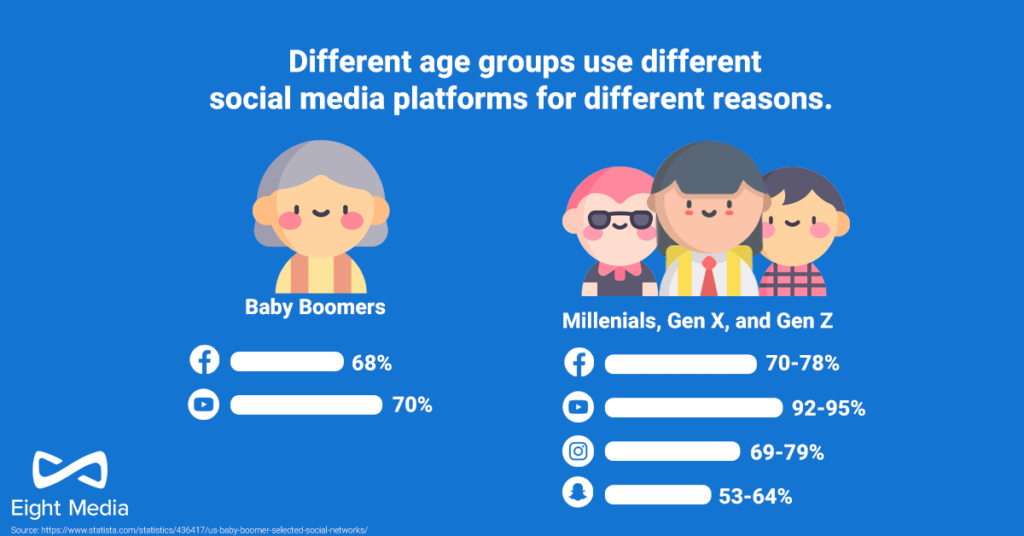
The landscape of modern marketing is inextricably linked to the digital realm, and it’s no surprise that the generations who have grown up immersed in this environment exhibit a strong interest in its mechanics. Gen Z (born roughly between 1997 and 2012) and Millennials (born roughly between 1981 and 1996) are not just consumers of marketing; they are often its creators and innovators. Their innate understanding of social media, digital trends, and content creation positions them at the forefront of contemporary marketing efforts.
The Social Media Savvy of Gen Z
For Gen Z, platforms like TikTok, Instagram, and YouTube are not merely entertainment channels but integral parts of their social fabric and, by extension, their understanding of how brands communicate. They are adept at recognizing what resonates, what feels authentic, and what falls flat. This direct, unfiltered exposure to marketing in its rawest digital form fosters an intuitive grasp of engagement tactics. They are interested in marketing not just as a career path, but as a dynamic field that allows for creative expression and direct impact. Their interest often stems from a desire to be on the “cutting edge” of digital trends, to understand how to build online communities, and to leverage emerging platforms for brand building. They are keen on understanding influencer marketing, micro-content strategies, and the power of user-generated content. Their interest is often expressed through experimentation, building personal brands online, and dissecting successful campaigns, often with a critical eye for authenticity and ethical considerations. The entrepreneurial spirit inherent in many Gen Z individuals also fuels their interest, seeing marketing as a vital tool for launching their own ventures or supporting causes they believe in.
The Early Digital Adopters: Millennials in the Marketing Mix
Millennials, having witnessed the dawn of the internet and the rise of social media, possess a blend of digital fluency and a more established understanding of traditional marketing principles. They were the early adopters of many digital marketing tools and have seen firsthand how online advertising, SEO, and email marketing evolved. Their interest in marketing is often driven by a desire for careers that offer creativity, intellectual challenge, and the opportunity to work with innovative brands. They are interested in the strategic aspects of marketing, including market research, data analysis, and the development of integrated campaigns that span online and offline channels. Many Millennials have gravitated towards roles in digital marketing agencies, in-house marketing departments, or as freelance marketing consultants. They are particularly interested in content marketing, inbound strategies, and the measurable ROI of digital initiatives. The desire for work-life balance, often associated with Millennials, also makes marketing appealing due to the flexibility offered by remote work and project-based opportunities, which are abundant in the digital marketing space.
The Experienced Strategists: Gen X and the Evolution of Marketing
Generation X (born roughly between 1965 and 1980) occupies a unique position, having experienced the transition from analog to digital marketing. They bridge the gap between traditional advertising and the sophisticated digital strategies of today, bringing a wealth of experience and a pragmatic approach to the field. Their interest in marketing is often rooted in strategic thinking, brand building, and a deep understanding of consumer psychology developed over decades of observing market trends.
Navigating the Analog-to-Digital Shift: Gen X Marketers
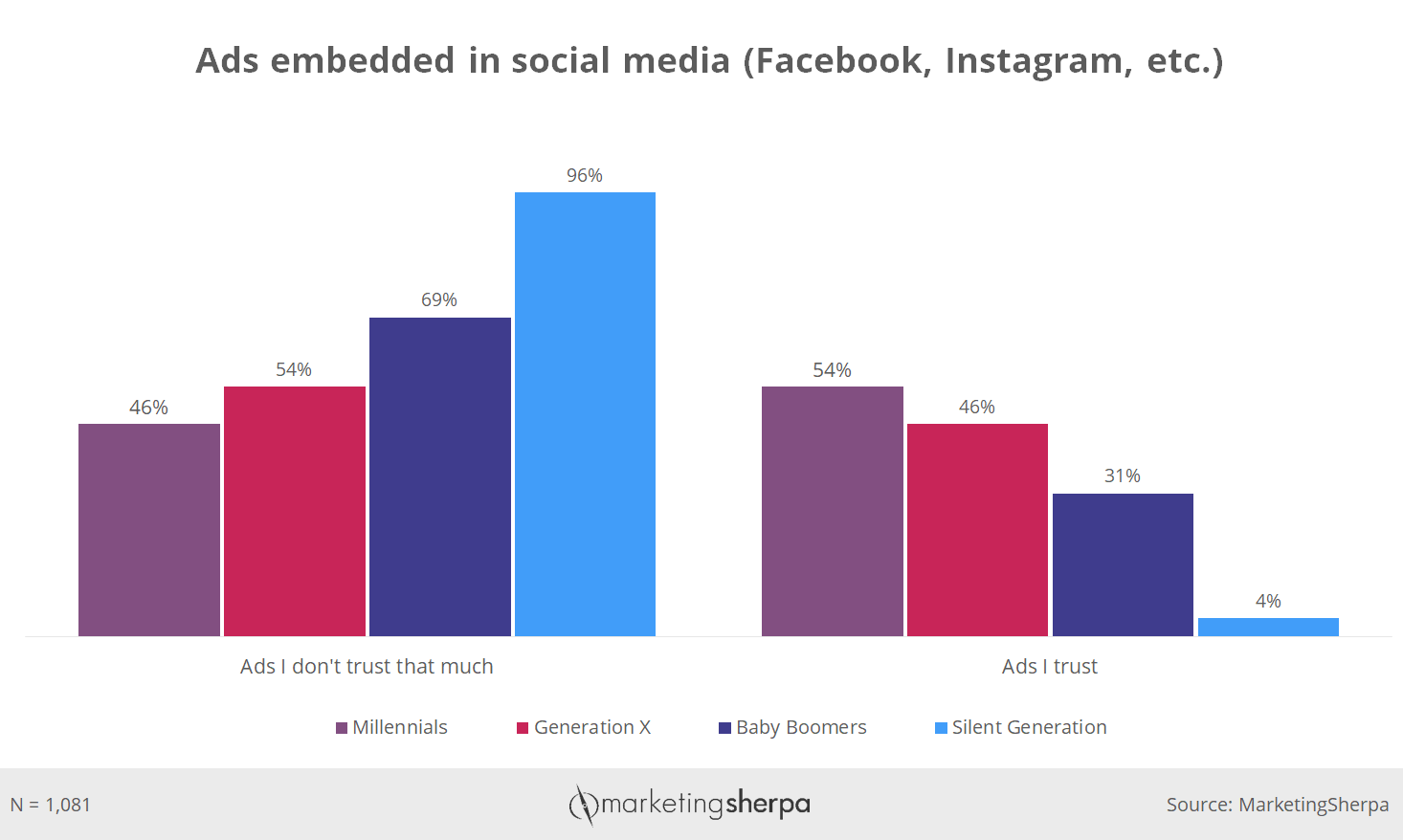
Gen X marketers often bring a nuanced understanding of how to build lasting brand loyalty, a skill honed during an era where brand reputation and customer relationships were built through less immediate channels. They understand the power of a strong brand identity, consistent messaging, and the long-term value of customer retention. As digital marketing has become dominant, Gen X professionals have been instrumental in adapting traditional marketing principles to the online world. Their interest lies in understanding how to leverage data analytics to inform strategy, how to build comprehensive marketing funnels, and how to integrate new technologies with established marketing frameworks. They are often drawn to leadership roles, overseeing marketing teams and shaping brand direction. Their experience allows them to critically assess new marketing trends, distinguishing between fleeting fads and sustainable strategies. They are interested in the strategic implications of new technologies, how they can be integrated to enhance customer experience, and how to maintain a consistent brand voice across a fragmented media landscape. Their pragmatism means they are less swayed by hype and more focused on tangible results and ROI, making them invaluable in driving effective marketing campaigns.
The Foundational Builders: Baby Boomers and Marketing Legacy
While often perceived as less digitally native, the Baby Boomer generation (born roughly between 1946 and 1964) has played a significant role in shaping the marketing landscape as we know it today. Their interest in marketing often stems from a lifetime of business experience, an understanding of economic principles, and a commitment to building enduring brands and businesses.
The Architects of Brand Loyalty: Boomers in Marketing
Baby Boomers often bring a wealth of experience in sales, business development, and a deep understanding of customer relationship management. Their interest in marketing is less about the latest social media trend and more about the fundamental principles of persuasion, value proposition, and building long-term customer trust. Many Boomers who are interested in marketing are entrepreneurs, small business owners, or seasoned professionals in leadership positions. They understand the importance of a strong brand identity, the power of effective storytelling, and the impact of consistent, quality customer service on brand perception. They are interested in how marketing can drive tangible business growth and profitability. While they may not be the primary creators of viral TikTok content, they are the architects of marketing strategies that focus on customer lifetime value, brand equity, and ethical business practices. Their interest can also be seen in mentorship roles, guiding younger marketers and sharing their accumulated wisdom on building successful and sustainable businesses through effective marketing. They appreciate the strategic importance of traditional marketing channels while also recognizing the need to adapt to digital channels to reach broader audiences, often focusing on how these channels can be integrated to create a cohesive and impactful customer journey. Their inherent understanding of business fundamentals often translates into a strategic approach to marketing that prioritizes long-term goals and sustainable growth.
The Future of Marketing: Intergenerational Collaboration and Skill Acquisition
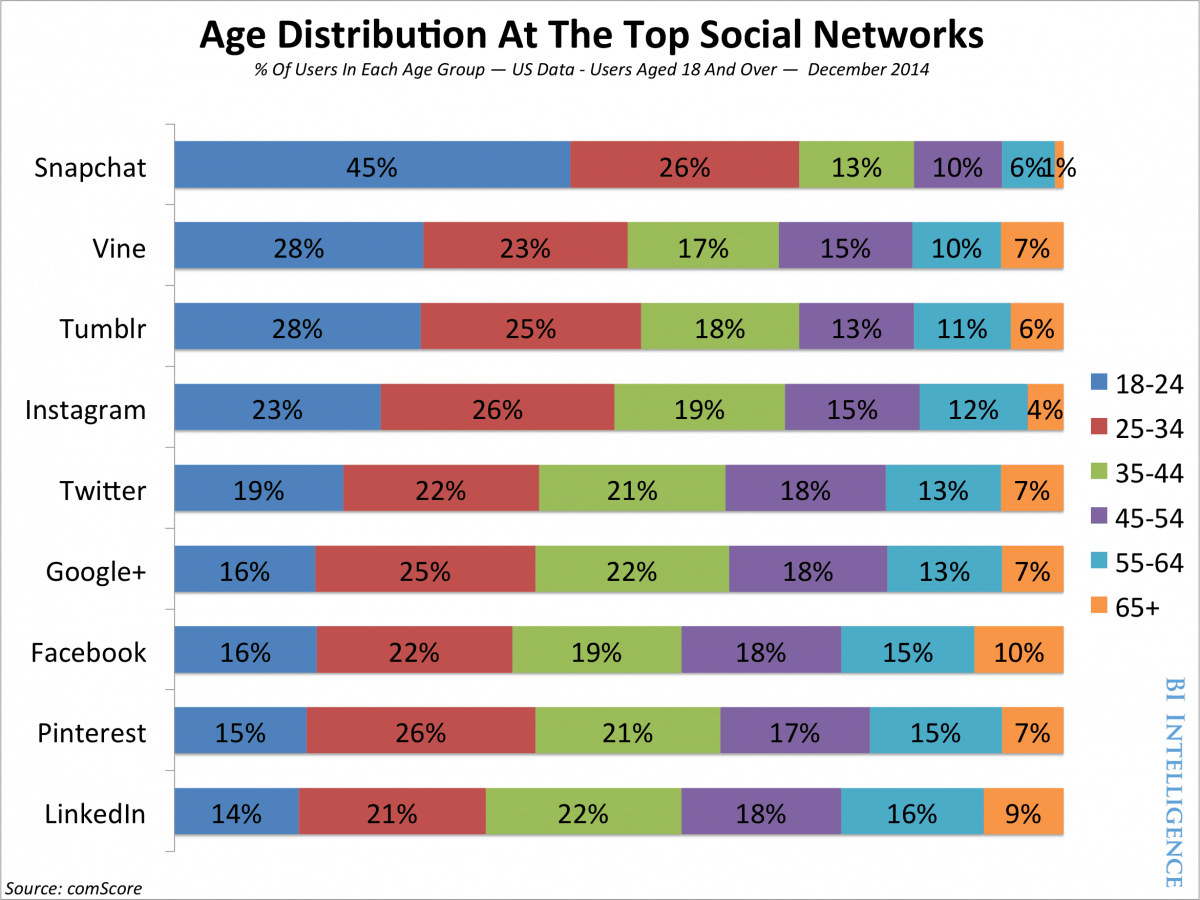
The interest in marketing is not confined to a single generation; rather, it’s a spectrum of engagement driven by diverse motivations and experiences. The most effective marketing strategies today often arise from the synergy between different age groups, each bringing their unique strengths to the table. The digital fluency and innovative spirit of Gen Z and Millennials, combined with the strategic depth and experience of Gen X and Baby Boomers, create a powerful ecosystem for marketing success.
Bridging the Generational Divide: Learning and Adaptation
As the marketing landscape continues to evolve at an unprecedented pace, the willingness of individuals across all age groups to learn and adapt is paramount. Younger generations are eager to absorb the strategic insights and foundational business acumen from their older counterparts, while older generations are increasingly embracing new technologies and digital platforms to stay relevant and effective. This intergenerational exchange of knowledge is crucial for professional development within the marketing field. Marketing certifications, online courses, and industry conferences offer avenues for individuals of any age to acquire new skills and deepen their understanding of marketing principles, from the latest AI-driven analytics tools to the timeless art of persuasive communication. The ongoing evolution of marketing necessitates continuous learning, making it an attractive field for those who are intellectually curious and adaptable. The accessibility of educational resources, both online and offline, democratizes the learning process, allowing anyone with a passion for understanding and influencing consumer behavior to enter and thrive in the marketing profession. The modern marketer is a lifelong learner, constantly seeking to understand new platforms, emerging consumer behaviors, and the ethical implications of marketing practices, irrespective of their age.
aViewFromTheCave is a participant in the Amazon Services LLC Associates Program, an affiliate advertising program designed to provide a means for sites to earn advertising fees by advertising and linking to Amazon.com. Amazon, the Amazon logo, AmazonSupply, and the AmazonSupply logo are trademarks of Amazon.com, Inc. or its affiliates. As an Amazon Associate we earn affiliate commissions from qualifying purchases.