
In the realm of personal finance, we often discuss diversified portfolios, real estate equity, and high-yield savings accounts. However, one of the most significant line items in the modern household budget is the “pet category.” As the humanization of pets continues to drive the pet economy toward a projected $200 billion valuation by 2030, pet owners—or “pet parents”—must view their companions not just as family members, but as long-term financial commitments.
One of the most pivotal financial decisions in a dog’s lifecycle occurs within the first year: the decision of when to spay or neuter. While the question “what age do dogs get fixed?” is traditionally viewed through a biological lens, it carries profound implications for your personal balance sheet. Understanding the financial timing of this procedure is essential for optimizing the lifetime cost of pet ownership and mitigating high-risk medical liabilities.
The Upfront Investment: Understanding the Initial Costs of “Getting Fixed”
The decision to spay or neuter a dog is a capital expenditure in the “preventative maintenance” category of your household budget. Like any investment, the initial outlay can vary significantly based on your geographical location, the size of the animal, and the level of care selected.
Clinic vs. Hospital: Navigating Price Disparities
When budgeting for the procedure, owners face a choice between high-volume, low-cost spay/neuter clinics and full-service private veterinary hospitals. From a financial standpoint, clinics offer a lower barrier to entry, often subsidized by non-profits or local government grants, with costs ranging from $50 to $200. Private hospitals, conversely, may charge anywhere from $300 to $800. The trade-off involves risk management; private hospitals often include comprehensive monitoring that reduces the likelihood of expensive post-operative complications.
Hidden Fees: Anesthesia, Pre-op Bloodwork, and Post-op Recovery
A professional financial analysis of the procedure must account for “soft costs.” Many advertised prices are base rates that do not include essential ancillary services. Pre-operative bloodwork is a critical risk-mitigation tool used to ensure the dog’s organs can handle anesthesia; while it adds $100 to $200 to the bill, it prevents the catastrophic financial and emotional loss of a failed surgery. Additionally, post-operative care—including pain management, Elizabethan collars (the “cone”), and follow-up visits—should be factored into the total cost of the “fixing” project.
Timing the Market: The Correlation Between Age and Medical Expenses
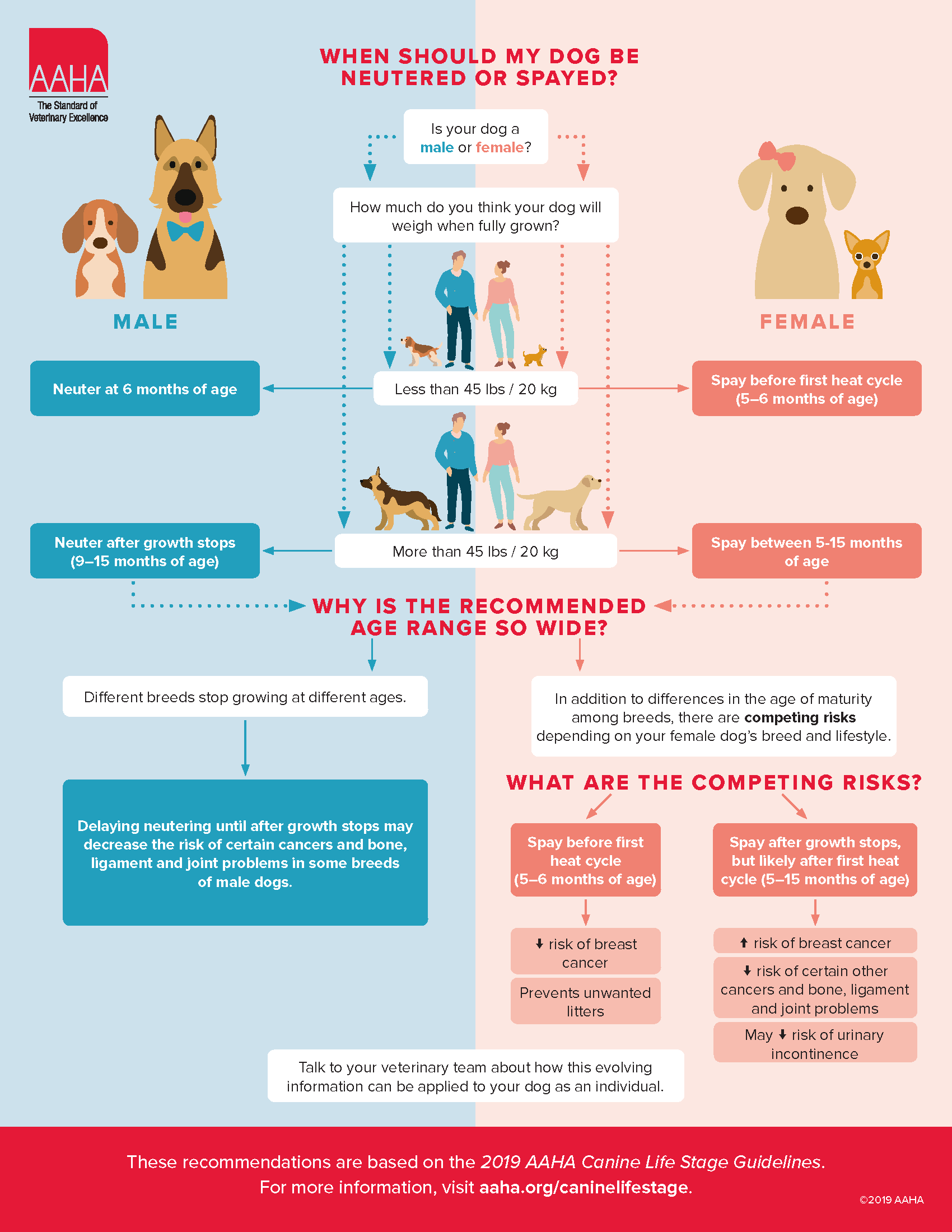
In finance, timing is everything. In veterinary medicine, the age at which a dog is fixed can significantly influence the animal’s physical development and, by extension, your future medical expenses. The “standard” advice of six months is being challenged by new data, suggesting that for certain “assets” (breeds), waiting longer may yield a better long-term return on health.
Early Spaying/Neutering: Cost Mitigation or Future Liability?
For decades, the financial incentive was to fix dogs as early as possible (often between 4 and 6 months) to prevent “unplanned production”—puppies. From a business perspective, an accidental litter is a massive financial liability involving prenatal care, emergency whelping costs, and the expense of raising and rehoming multiple animals. However, early neutering in large-breed dogs has been linked to orthopedic issues, such as cruciate ligament tears. A $500 surgery at six months could lead to a $5,000 orthopedic surgery at age three, representing a poor long-term ROI.
Delayed Procedures: Managing the Risk of High-Cost Health Complications
On the other side of the ledger, delaying the procedure until after puberty (12 to 24 months) can allow for full musculoskeletal development, potentially saving thousands in physical therapy and joint supplements later in life. However, this delay introduces “maintenance risks.” For female dogs, every heat cycle passed increases the statistical likelihood of mammary tumors and pyometra (a life-threatening uterine infection). The cost of an emergency pyometra surgery often exceeds $3,000—ten times the cost of a routine spay. Balancing these risks requires a sophisticated understanding of breed-specific data and a robust emergency fund.
Pet Insurance and the Bottom Line
Pet insurance is the primary tool for hedging against the volatility of veterinary costs. How and when you fix your dog can directly impact your policy’s efficacy and your monthly premiums.
Policy Coverage: Why the Age of the Procedure Matters to Providers
Most pet insurance providers categorize spaying and neutering as “elective” or “routine” care, meaning it is rarely covered under standard accident-and-illness policies. Smart financial planners often look for “wellness riders” to offset these costs. However, the age of the dog is a factor; if you wait until a dog is five years old to fix them, and they develop a related condition in the interim, that condition is often labeled “pre-existing,” excluding it from future coverage and leaving the owner to self-insure the risk.
Premium Adjustments: How Altering Your Pet Affects Long-Term Rates
From an actuarial standpoint, fixed dogs are generally seen as lower-risk assets. They are less likely to roam, less likely to get into fights with other dogs, and immune to certain reproductive cancers. Consequently, some insurance providers offer preferential rates or maintain lower premiums for altered pets. By “fixing” the dog at the appropriate age, you are essentially “de-risking” your pet, which can lead to significant cumulative savings on insurance premiums over the 10-to-15-year lifespan of the animal.
The Indirect Savings: Preventative Care as a Wealth Preservation Strategy
In business, wealth preservation is often about what you don’t spend. Spaying and neutering act as a firewall against some of the most expensive “black swan” events in pet ownership.
Avoiding Emergency Surgery Costs: Pyometra and Testicular Cancers
We have touched upon the high cost of emergency surgeries, but the financial implications go beyond the operating table. An emergency medical event often results in lost wages for the owner, travel expenses to specialist hospitals, and expensive long-term pharmaceutical regimens. By choosing the right age to fix a dog—typically once bone growth plates have closed but before the risk of reproductive disease spikes—you are executing a preventative strike that preserves your liquid assets for other investments.
Behavioral Liability: Reducing the Risk of Property Damage and Lawsuits
Unfixed dogs, particularly males, are statistically more likely to engage in “roaming” behavior. This presents a two-fold financial risk: the risk of the dog being hit by a vehicle (resulting in thousands of dollars in trauma care) and the risk of liability lawsuits. If an intact dog escapes and causes a traffic accident or bites a neighbor, the owner is legally and financially responsible. Furthermore, intact dogs are more likely to engage in “marking” behavior within the home. The cost of replacing hardwood floors or professional carpet remediation can easily exceed the cost of the neutering procedure itself. From a property management perspective, fixing your dog at the optimal age is an essential step in maintaining the value of your primary residence.

Conclusion: A Strategic Approach to Pet Expenditure
When we ask, “what age do dogs get fixed?” we are asking for a timeline to secure a biological asset. While the biological answer depends on the breed and the individual dog’s health, the financial answer is clear: the procedure should be performed as part of a proactive, calculated strategy to minimize long-term risk and maximize the animal’s healthy years.
By treating pet care as a series of financial decisions—analyzing upfront costs, weighing the risks of delayed investment, and leveraging insurance to mitigate volatility—owners can ensure that their dogs remain a source of joy rather than a source of financial strain. In the final analysis, the cost of fixing a dog at the right age is not an expense; it is a strategic investment in the stability of your personal economy.
aViewFromTheCave is a participant in the Amazon Services LLC Associates Program, an affiliate advertising program designed to provide a means for sites to earn advertising fees by advertising and linking to Amazon.com. Amazon, the Amazon logo, AmazonSupply, and the AmazonSupply logo are trademarks of Amazon.com, Inc. or its affiliates. As an Amazon Associate we earn affiliate commissions from qualifying purchases.