
In the analog era, answering the question “what age can you drink alcohol” was a simple matter of checking a physical birth date against a government-issued plastic card. However, as our social and commercial interactions migrate into the digital realm, the mechanisms behind age verification have undergone a radical technological transformation. Today, determining whether an individual has reached the legal threshold for alcohol consumption is no longer just a manual task for a bartender; it is a complex challenge being solved by cutting-edge software, artificial intelligence, and sophisticated digital security protocols.
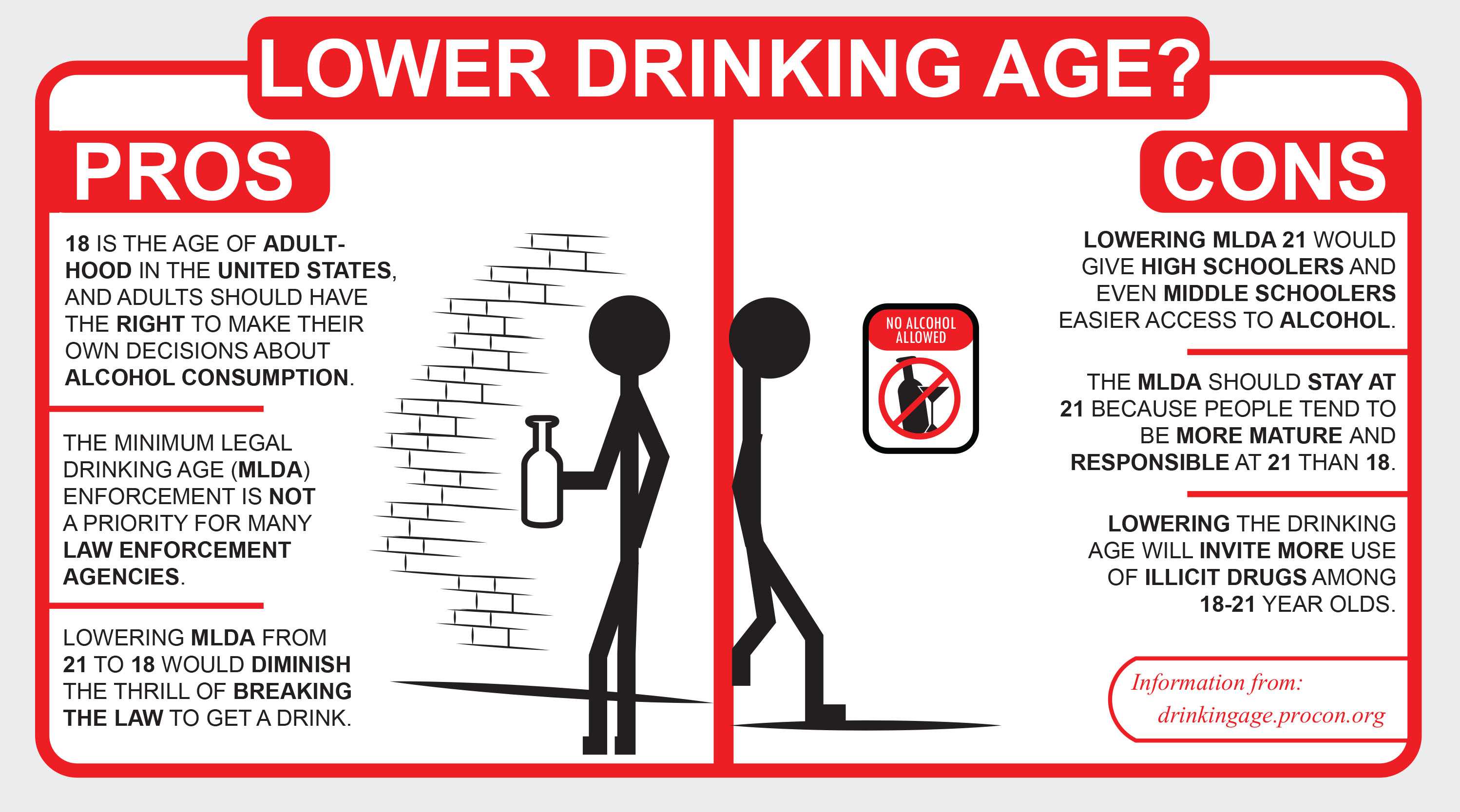
The intersection of age-restricted commerce and technology is one of the fastest-growing sectors in the “RegTech” (Regulatory Technology) space. As e-commerce expands and autonomous retail becomes a reality, the tech industry is building the infrastructure necessary to ensure that the answer to “what age can you drink alcohol” is enforced with precision, privacy, and speed.
The Evolution of Age Verification Systems: Software and AI
The first line of defense in modern age verification is no longer a flashlight and a keen eye, but rather sophisticated software algorithms. The goal of these technologies is to remove human error and the potential for fraudulent documentation from the equation.
AI-Driven Facial Analysis and Estimation
One of the most innovative developments in this niche is AI-powered facial age estimation. Unlike facial recognition, which seeks to identify a specific individual, facial estimation uses neural networks to analyze a person’s features—such as skin texture, bone structure, and micro-patterns—to estimate their age. Companies are now deploying these AI tools at self-checkout kiosks and digital vending machines. If the software estimates the user is significantly above the legal drinking age, the transaction proceeds; if there is any doubt, it triggers a manual secondary check. This reduces friction in the user experience while maintaining a high level of compliance.
Automated ID Scanning and OCR
For online alcohol retailers and delivery apps, Optical Character Recognition (OCR) technology has become the standard. When a user uploads a photo of their driver’s license, the software doesn’t just “look” at the image. It extracts data from the MRZ (Machine Readable Zone) and barcode, cross-referencing the information with government databases in real-time. Advanced software can now detect “liveness”—requiring the user to move their head or blink—to ensure that a physical person is present, preventing the use of high-resolution photos or deepfake videos to bypass age-gating.
Blockchain and the Decentralized Identity Revolution
The core tension in verifying the age for alcohol consumption is the balance between compliance and privacy. When a consumer shows a physical ID, they often reveal their home address, full name, and organ donor status—information that is irrelevant to the question of their age. Technology is solving this through decentralized identity (DID) and blockchain.
Zero-Knowledge Proofs (ZKP)
The most promising tech in this area is the “Zero-Knowledge Proof.” Built on cryptographic principles, ZKP allows a user to prove a statement is true (e.g., “I am over 21”) without revealing any other data. In a blockchain-based identity system, a user’s age is verified once by a trusted authority. When the user buys alcohol, their digital wallet sends a cryptographic “proof” to the merchant. The merchant’s system receives a simple “Yes” or “No” without ever seeing the user’s birth date or name. This technology ensures that the answer to “what age can you drink alcohol” is verified without compromising the consumer’s digital security.
Eliminating Data Sovereignty Issues
Traditional age verification often involves merchants storing copies of IDs, which creates a massive security risk for data breaches. By utilizing decentralized ledger technology, the responsibility of data storage shifts back to the user or a highly secure, encrypted vault. This reduces the “honeypot” effect where hackers target retail databases for sensitive personal information, making the process of buying age-restricted goods safer for both the consumer and the business.
Smart Hardware: IoT in Retail and Hospitality

Beyond the software layer, the physical hardware used in the hospitality and retail industries is becoming increasingly “smart.” The Internet of Things (IoT) is being leveraged to create a seamless, automated environment for age-restricted sales.
Biometric Vending Machines and Smart Fridges
In stadiums and high-traffic venues, technology is replacing the traditional bar setup. Smart fridges and biometric vending machines require a fingerprint or palm scan linked to a pre-verified digital identity. These hardware units use IoT sensors to track exactly which bottle was removed and charge the user’s account automatically. This not only speeds up the process but ensures that the legal age requirement is hard-coded into the physical transaction. If the biometric data does not match a verified “over-age” profile, the door remains locked.
Connected POS Systems
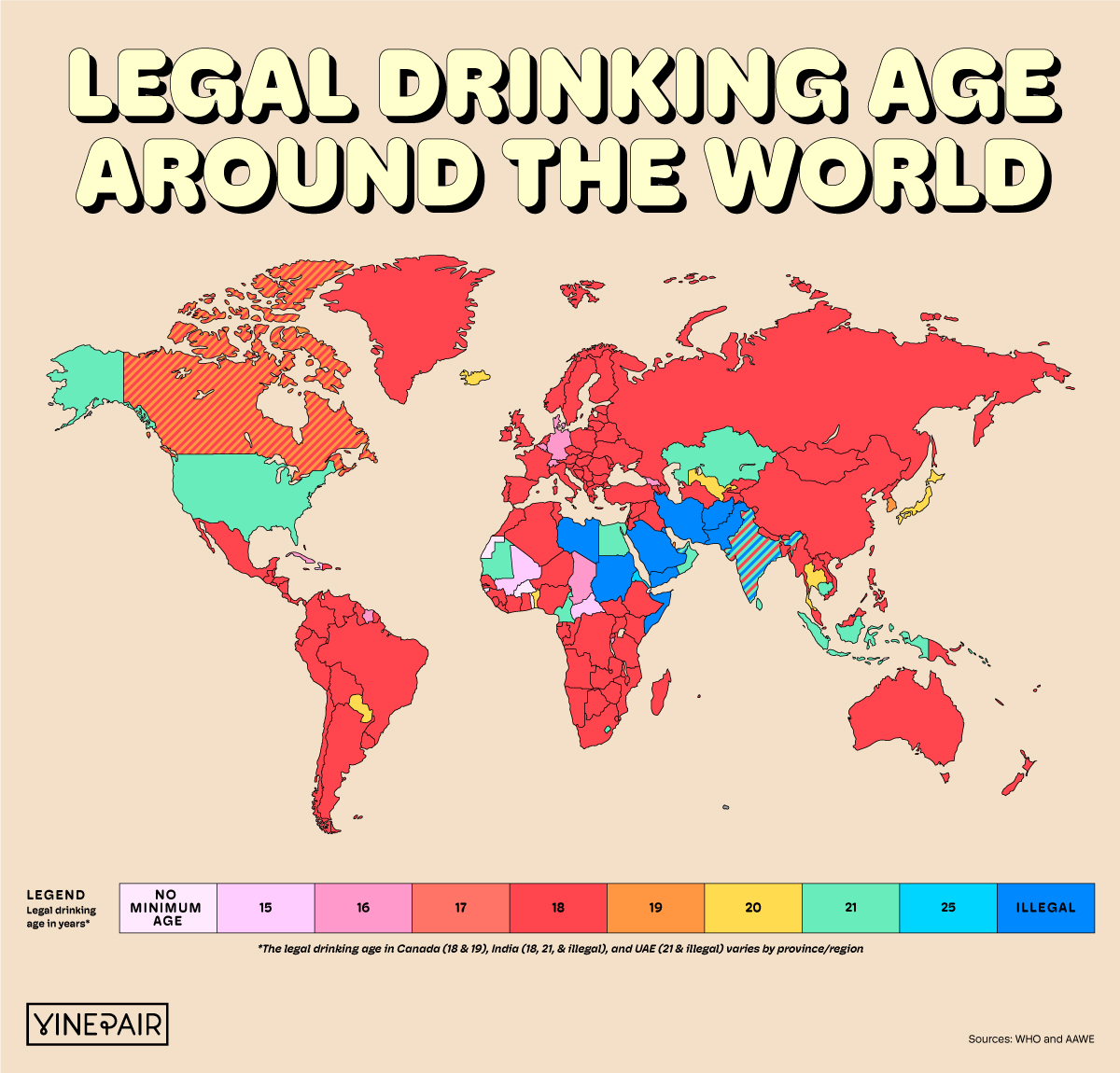
Modern Point of Sale (POS) systems are now integrated with global compliance databases. These systems are updated in real-time as laws change across different jurisdictions. For a global brand, this is crucial. A POS system in London will enforce a different “what age can you drink alcohol” rule than one in New York or Dubai. By centralizing this logic in the cloud, technology ensures that human staff cannot bypass age restrictions, as the software literally prevents the “total” button from being pressed until a valid ID scan is registered.
Digital Security: Preventing Deepfakes and Identity Spoofing
As age-verification technology becomes more advanced, so do the methods used to circumvent it. The tech industry is currently in an “arms race” against sophisticated digital fraud, particularly in the realm of identity spoofing.
Anti-Spoofing and Liveness Detection
To prevent underage individuals from using a parent’s ID or a synthetic identity, developers are implementing “Active” and “Passive” liveness detection. Active detection asks a user to perform a specific action, like following a dot on a screen with their eyes. Passive detection works in the background, analyzing light reflections on the skin to distinguish between a human face and a high-quality silicon mask or a digital screen. These security layers are essential for maintaining the integrity of the “what age can you drink alcohol” question in an era of AI-generated visuals.
Regulatory Compliance and Global Standards
Technology must also navigate a fragmented regulatory landscape. Developers are building “compliance-as-a-service” platforms that automatically adjust their security protocols based on local laws like GDPR (General Data Protection Regulation) in Europe or CCPA (California Consumer Privacy Act) in the US. These tools ensure that while verifying age, the technology is also adhering to strict data processing and deletion requirements, preventing the long-term tracking of individuals’ purchasing habits without their consent.
The Future of Responsible Consumption Tech
Looking forward, the technology surrounding age-restricted products is moving toward a more holistic approach to responsible consumption. The question is shifting from “Are you old enough?” to “Are you in a safe state to consume?”
Wearables and Real-Time Monitoring
The next frontier involves the integration of wearable technology. Smartwatches and specialized patches are being developed that can monitor blood alcohol content (BAC) via transdermal sensors. While still in the early stages of commercial adoption, this tech could eventually sync with ride-sharing apps or “smart” car ignitions. If a user’s BAC is too high, the technology could proactively offer a ride home or prevent the vehicle from starting, extending the “age verification” logic into a broader safety ecosystem.
E-commerce and Last-Mile Verification
As alcohol delivery becomes the norm, the “last mile” of technology is the most critical. Delivery apps are now using geofencing and encrypted handshakes between the delivery driver’s app and the customer’s smartphone. The delivery cannot be marked as “complete” in the system until the software confirms the customer’s identity via a biometric check or an encrypted QR code scan on their phone. This ensures that the digital “gate” remains closed until the very moment of physical transfer.
In conclusion, while the question of “what age can you drink alcohol” remains a matter of law, the enforcement and verification of that law have become a playground for technological innovation. From AI facial estimation and blockchain-based privacy tools to IoT-enabled retail hardware, technology is providing the solutions needed to manage age-restricted commerce in a digital-first world. As these tools continue to evolve, they will not only make it easier to verify age but will also significantly enhance personal privacy and public safety.
aViewFromTheCave is a participant in the Amazon Services LLC Associates Program, an affiliate advertising program designed to provide a means for sites to earn advertising fees by advertising and linking to Amazon.com. Amazon, the Amazon logo, AmazonSupply, and the AmazonSupply logo are trademarks of Amazon.com, Inc. or its affiliates. As an Amazon Associate we earn affiliate commissions from qualifying purchases.