
The demographic landscape of Africa is dynamic and presents significant opportunities and challenges for businesses, investors, and policymakers. Understanding population trends, particularly the size and growth of individual nations, is a critical component of economic analysis. At the forefront of this demographic discussion is the question of which African country holds the title for the highest population. This metric is not merely an academic curiosity; it directly informs market potential, labor force availability, consumption patterns, and ultimately, the economic trajectory of the continent. As investors and businesses increasingly look to Africa for growth, a deep dive into its most populous nations offers valuable insights into where capital might be best deployed and where future economic powerhouses are likely to emerge.
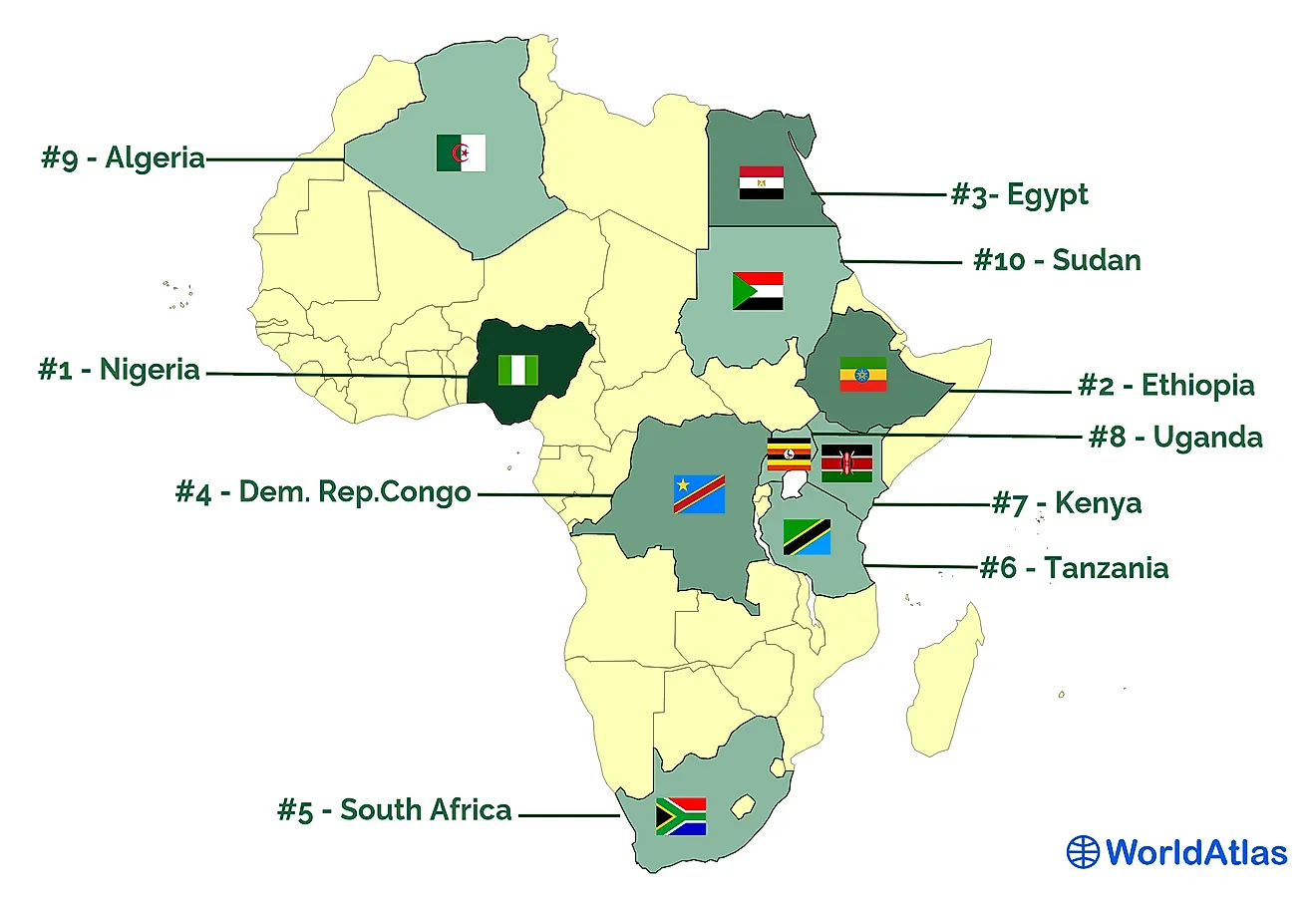
This article will explore the African nation with the largest population, examining the economic implications of this demographic dominance. We will delve into the drivers of its population growth, its impact on the consumer market, the opportunities and challenges it presents for investment, and its role in shaping the future economic landscape of Africa.
Nigeria: The Demographic Giant of Africa
Nigeria stands as Africa’s most populous nation, a reality that has profound implications for its economic development and its influence on the continent. With a population that has surpassed 200 million people and continues to grow at a significant rate, Nigeria represents a colossal market and a vast reservoir of human capital. This demographic scale translates into both immense potential and considerable challenges, making it a focal point for anyone seeking to understand the economic dynamics of Africa.
Drivers of Nigeria’s Population Growth
Nigeria’s rapid population expansion is a complex phenomenon shaped by a confluence of socio-economic and cultural factors. High fertility rates, a characteristic of many developing nations, have historically been a primary driver. Factors contributing to this include a strong cultural emphasis on large families, limited access to comprehensive family planning services in certain regions, and a demographic structure where a large proportion of the population is of reproductive age.
Furthermore, declining mortality rates, owing to improvements in healthcare, sanitation, and public health initiatives, have also contributed to population growth. While these advancements are positive indicators of development, they have, in tandem with sustained high birth rates, accelerated the pace of population increase. This demographic momentum means that even if fertility rates were to decline significantly, the population would continue to grow for decades to come due to the large youth cohort. Understanding these drivers is crucial for forecasting future labor market dynamics, resource demands, and the evolving consumption patterns within Nigeria.
The Economic Significance of a Large Consumer Base
Nigeria’s immense population translates directly into one of the largest consumer markets in Africa and indeed, globally. This scale offers a compelling proposition for businesses operating in sectors ranging from telecommunications and consumer goods to financial services and healthcare. The sheer number of potential customers means that businesses can achieve economies of scale more readily, and a thriving domestic market can act as a buffer against global economic downturns.
The spending power of this vast population, while varying significantly across income brackets, is collectively substantial. As disposable incomes rise, driven by urbanization and economic diversification, so too does demand for a wider array of products and services. This burgeoning consumer base presents fertile ground for both local entrepreneurs and international corporations looking to tap into unmet needs and burgeoning desires. The ability of businesses to effectively reach and cater to this diverse market is a key determinant of success in Nigeria.
Investment Opportunities in Africa’s Most Populous Nation
Nigeria’s status as the continent’s most populous country makes it a prime destination for investment, offering a unique set of opportunities driven by its demographic scale. However, navigating this landscape requires a nuanced understanding of the specific sectors poised for growth and the inherent risks associated with a developing economy.
Sectors Benefiting from Demographic Trends
Several key sectors in Nigeria are directly benefiting from its large and growing population. The telecommunications sector has seen explosive growth, driven by the insatiable demand for mobile connectivity and internet access among millions of Nigerians. As more individuals gain access, the market for data services, mobile banking, and digital platforms expands exponentially.

The fast-moving consumer goods (FMCG) sector is another major beneficiary. The sheer volume of consumers translates into consistent demand for food, beverages, personal care products, and household items. Local and international manufacturers are investing heavily to meet this demand, leading to increased production, distribution networks, and retail expansion.
Financial services are also critical. A large, often unbanked or underbanked population presents significant opportunities for financial inclusion. The growth of mobile money, digital banking, and microfinance initiatives is transforming how Nigerians access and manage their money, creating a vast market for innovative financial products and services.
Furthermore, the healthcare and education sectors are under immense pressure to expand due to population growth. This creates opportunities for private sector investment in building hospitals, clinics, educational institutions, and developing innovative solutions to address service gaps and improve accessibility and quality.
Challenges and Risks for Investors
Despite the immense opportunities, investing in Nigeria also comes with its share of challenges and risks. Infrastructure deficits remain a significant hurdle. Inadequate power supply, transportation networks, and logistics can increase operational costs and hinder efficient business operations. Investors must carefully assess these limitations and factor them into their investment strategies.
Regulatory and bureaucratic complexities can also pose challenges. Navigating licensing requirements, customs procedures, and legal frameworks can be time-consuming and sometimes opaque. Building strong local partnerships and maintaining a thorough understanding of the evolving regulatory environment are crucial for mitigating these risks.
Security concerns in certain regions can also impact investment decisions. While national security efforts are ongoing, localized instability can affect supply chains, employee safety, and market access. Diligent risk assessment and appropriate security measures are essential.
Finally, economic volatility, including currency fluctuations and inflation, can impact profitability and investment returns. Diversifying investments and employing robust hedging strategies can help manage these financial risks. Nevertheless, the sheer size of the Nigerian market often provides a compelling counterweight to these challenges for forward-thinking investors.
Nigeria’s Role in Africa’s Economic Future
As Africa continues its journey towards greater economic integration and development, Nigeria’s demographic weight positions it as a crucial player in shaping the continent’s trajectory. Its large internal market, substantial labor force, and growing influence in regional trade and policy make it an indispensable component of any continental economic vision.
Impact on Intra-African Trade and Integration
Nigeria’s considerable consumer base and burgeoning industrial capacity make it a significant market for goods and services from other African nations. The African Continental Free Trade Area (AfCFTA) presents a unique opportunity for Nigeria to not only leverage its domestic market but also to expand its reach across the continent, acting as a hub for production and consumption. Increased intra-African trade, facilitated by agreements like the AfCFTA, can stimulate economic growth, create jobs, and foster greater economic interdependence among African nations.
Nigeria’s active participation and leadership within regional economic communities, such as ECOWAS (Economic Community of West African States), further underscore its importance in driving continental integration. Its economic policies and market dynamics inevitably have ripple effects across neighboring countries, influencing trade flows, investment decisions, and overall economic stability.

The Future Economic Landscape: A Balancing Act
The future economic landscape of Africa will, to a significant extent, be influenced by how Nigeria manages its demographic dividend and addresses its developmental challenges. A successful strategy that harnesses its large population for productive employment and sustained economic growth could see Nigeria emerge as a leading global economy, inspiring and driving development across the continent. Conversely, failure to create sufficient opportunities for its youthful population could exacerbate social and economic issues, potentially posing challenges for regional stability.
The interplay between population size and economic policy is a delicate balancing act. Nigeria’s ability to invest in education, healthcare, and infrastructure, while fostering a business-friendly environment and promoting diversification away from its reliance on oil, will be critical. As other African nations continue to grow and develop, Nigeria’s position as the most populous country will continue to imbue it with significant economic leverage and responsibility, making its economic progress a central narrative in the broader story of Africa’s ascent. Its success or struggles will undoubtedly have a profound impact on the economic outlook for the entire continent.
aViewFromTheCave is a participant in the Amazon Services LLC Associates Program, an affiliate advertising program designed to provide a means for sites to earn advertising fees by advertising and linking to Amazon.com. Amazon, the Amazon logo, AmazonSupply, and the AmazonSupply logo are trademarks of Amazon.com, Inc. or its affiliates. As an Amazon Associate we earn affiliate commissions from qualifying purchases.