
In the modern corporate landscape, the role of an administrative assistant has evolved from traditional clerical support to a sophisticated position of operational management. While the stereotypical view of an assistant involves little more than filing and answering phones, the reality in today’s high-velocity business environment is that these professionals function as the central nervous system of an office. They are the gatekeepers of productivity, the architects of organizational culture, and the frontline managers of complex business workflows. Understanding what administrative assistants do requires an appreciation for the blend of logistical precision and emotional intelligence necessary to keep an organization functional.
The Operational Backbone: Managing Workflow and Information
At the core of the administrative assistant’s responsibility is the optimization of information flow. In an era of information overload, the assistant acts as a filter, ensuring that the executive team and the broader office focus their attention on high-leverage tasks rather than being bogged down by logistical friction.
Calendar and Communications Mastery
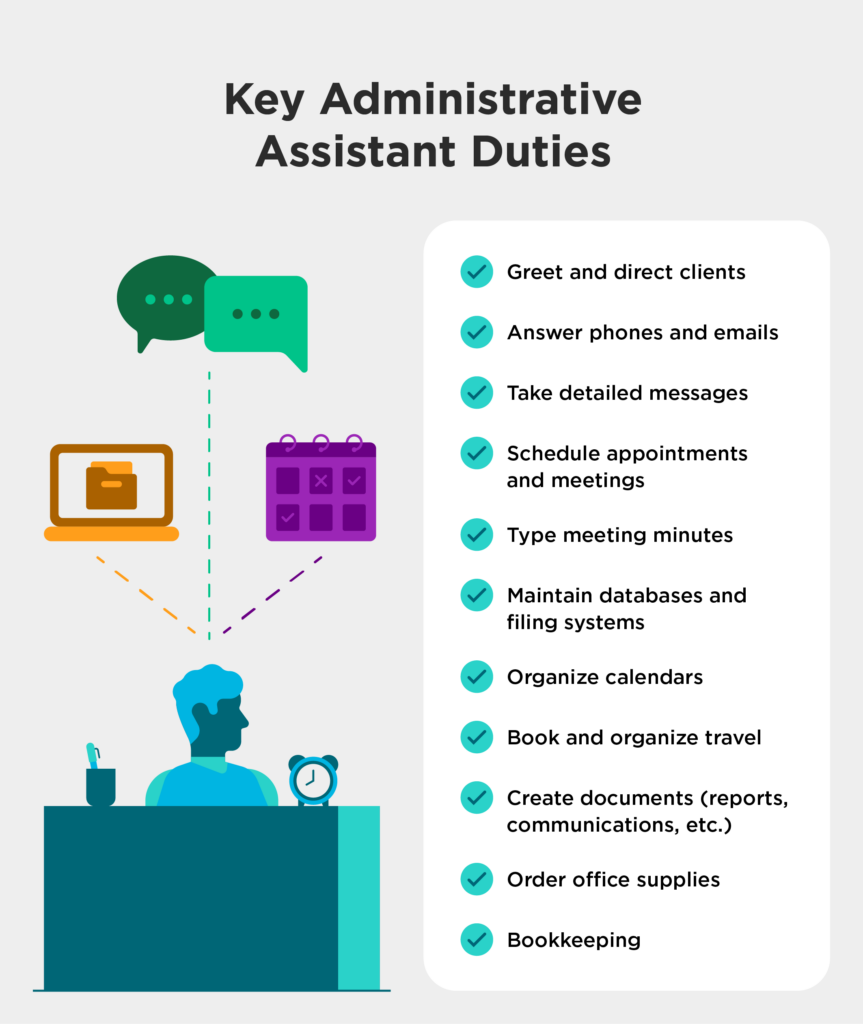
The most visible aspect of an assistant’s role is calendar management. This is far more complex than simply dropping appointments into a digital schedule. It involves strategic prioritization, understanding the cadence of the business, and managing the delicate balance between internal needs and external stakeholders. An effective administrative assistant understands the “why” behind every meeting. They protect their executive’s time with a ruthless focus on objectives, ensuring that gaps are provided for deep work and that transitions between meetings are realistic.
Furthermore, communication management is a critical pillar. Assistants are often the first point of contact for clients, vendors, and internal staff. By crafting professional correspondence, screening incoming queries, and drafting briefing materials, they ensure that the office maintains a consistent, high-quality public-facing brand. They serve as a bridge, ensuring that the right information reaches the right person at the precise moment it is required.
Project Coordination and Workflow Oversight
Beyond managing schedules, administrative assistants often serve as project coordinators. When a business initiative requires cross-departmental collaboration, the assistant is frequently the one tracking milestones, chasing deliverables, and ensuring that no individual task falls through the cracks. They utilize project management frameworks to maintain visibility on long-term goals, shifting from reactive support to proactive orchestration. This involves monitoring project timelines and intervening when roadblocks emerge, demonstrating an ability to see the “big picture” of the organization’s health.
The Strategic Partner: Driving Organizational Efficiency
The modern administrative assistant is increasingly becoming a strategic partner to the leadership team. This evolution shifts the role from a task-based executor to an outcomes-focused manager. When an assistant understands the long-term goals of the company, they can anticipate needs before they arise, creating a frictionless environment that allows for higher levels of executive output.
Anticipatory Decision Support
Proactivity is the primary differentiator between an average assistant and an exceptional one. Anticipatory decision support involves knowing an executive’s preferences, risk tolerance, and strategic goals so thoroughly that the assistant can act on their behalf with minimal oversight. This might manifest as prepping a travel itinerary that accounts for optimal sleep and work schedules, or preparing a briefing memo on a potential client before the executive even requests it.
By analyzing patterns in the executive’s schedule and workload, assistants can identify inefficiencies. They might suggest software tools to automate recurring reports, recommend changes to meeting structures to minimize fatigue, or propose new workflows that streamline document approval processes. This contributes directly to the operational efficiency of the enterprise.

Budgeting and Resource Allocation
Administrative assistants often hold the keys to the kingdom regarding departmental finances. They manage expense reports, monitor departmental budgets, and oversee vendor contracts. In this capacity, they act as guardians of the bottom line. By tracking spending trends and identifying unnecessary overhead, they provide the financial intelligence leadership needs to make informed decisions. An assistant who understands the correlation between operational spend and business outcomes is a vital asset for any department head focused on maximizing ROI.
Facilitating the Human Element and Culture
Technology has automated many of the rote tasks once associated with administrative work, which has pushed the human-centric aspects of the job to the forefront. An administrative assistant is often the person who sets the tone for the office environment, influencing morale and ensuring that the company’s internal operations reflect its stated values.
Cultural Integration and Event Management
Events—from board meetings to all-hands gatherings—are critical forums for communicating company culture. The administrative assistant is the primary architect of these experiences. They curate environments where collaboration can flourish, ensuring that logistics are seamless so that the participants can focus entirely on the purpose of the gathering.
Beyond formal events, the assistant often manages the “micro-culture” of the office. They are the ones who recognize team achievements, facilitate communication across departments, and ensure that remote or distributed teams feel connected to the central office. In an increasingly digital work environment, these interpersonal connections are what keep a team cohesive and aligned.
Crisis Management and Adaptability
The mark of a professional administrative assistant is how they handle the unexpected. Whether it is a last-minute emergency involving an international travel disruption, a sudden shift in corporate strategy, or a facilities issue, the assistant is expected to remain the steady hand. This requires a high degree of emotional intelligence and the ability to operate under pressure without losing sight of the goal.
They provide a buffer for the organization, absorbing the shock of unexpected events so that the core business functions can continue uninterrupted. This requires a rare combination of composure, quick thinking, and resourcefulness. By managing the stressors that would otherwise distract the leadership team, the administrative assistant maintains the stability required for long-term growth.
The Future of the Role: Adaptability in a Changing Workplace
The landscape of administrative work is shifting alongside the technological revolution. As AI and automation tools continue to change how we work, the role of the administrative assistant is becoming less about data entry and more about data analysis, relationship management, and complex problem-solving.
Embracing the Digital Transformation
Top-tier assistants are now proficient in a growing stack of digital tools. They utilize cloud-based collaboration suites, project management software, and data visualization platforms to present information in ways that accelerate decision-making. The assistant of the future will be expected to leverage data to identify bottlenecks and advocate for technological solutions that improve office performance. They aren’t just using these tools; they are acting as the internal consultants who decide which technologies are worth implementing and how they should be integrated into the existing workflow.

Continuous Professional Growth
As the demands on administrative professionals grow, so too does the need for specialized skill sets. The modern assistant is likely to have expertise in areas such as public relations, financial analysis, event logistics, and even basic data science. They are the ultimate lifelong learners, constantly upgrading their skills to keep pace with the business environments they serve.
Ultimately, what administrative assistants do is manage the complexity of modern business life. They are the human element that keeps a data-driven, technologically advanced organization moving in the right direction. By synthesizing information, protecting time, fostering connection, and driving efficiency, they serve as an indispensable force multiplier. Without the sophisticated management of an administrative assistant, even the most talented leadership teams would quickly find themselves overwhelmed by the noise of daily operations, unable to focus on the strategic objectives that define their success. They are, in every sense of the word, the architects of organizational momentum.
aViewFromTheCave is a participant in the Amazon Services LLC Associates Program, an affiliate advertising program designed to provide a means for sites to earn advertising fees by advertising and linking to Amazon.com. Amazon, the Amazon logo, AmazonSupply, and the AmazonSupply logo are trademarks of Amazon.com, Inc. or its affiliates. As an Amazon Associate we earn affiliate commissions from qualifying purchases.