
In the modern technological landscape, where software applications drive everything from global finance to personal health, the cost of failure is astronomical. Quality Assurance (QA) is no longer a peripheral activity relegated to the end of a development cycle; it is a comprehensive, strategic discipline that ensures software products are reliable, functional, and user-centric. While many mistake QA for simple bug hunting, it is actually a systemic approach to preventing defects and optimizing the Software Development Life Cycle (SDLC).
To understand what actions are taken in quality assurance, one must look past the surface level of “testing.” QA involves a series of proactive, administrative, and technical actions designed to provide confidence that a product will satisfy given requirements for quality. This article explores the core actions that define modern QA within the tech industry.
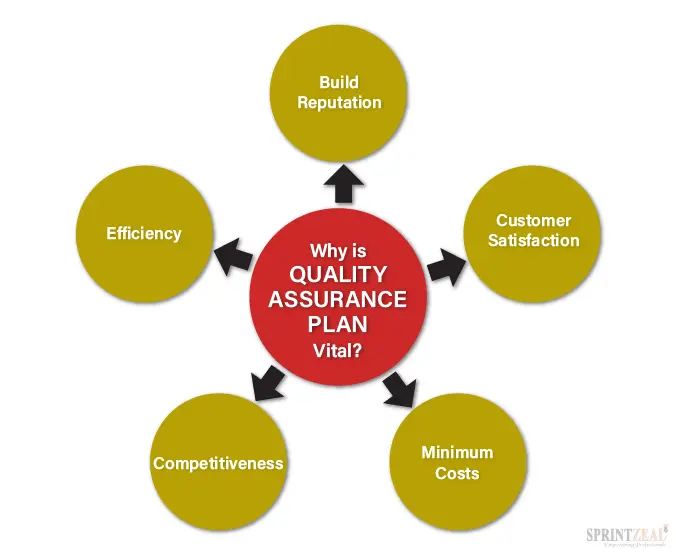
The Foundational Pillars: Planning and Process Definition
The most critical actions in Quality Assurance occur long before a single line of code is written. In high-performing tech organizations, QA is a proactive measure rather than a reactive one. The goal is to build quality into the product from the start.
Establishing Quality Metrics and KPIs
One of the first actions taken in a QA strategy is the definition of “Quality” for the specific project. This involves setting Key Performance Indicators (KPIs) and metrics that allow the team to measure success objectively. Common metrics include:
- Defect Density: The number of confirmed defects identified in a software component during a specific period.
- Test Coverage: The percentage of the codebase or requirement set covered by active testing.
- Mean Time to Detection (MTTD): How quickly a bug is found after it is introduced.
- Escaped Defects: The number of bugs found by end-users after the product has been released.
By establishing these benchmarks, QA professionals can move from subjective opinions to data-driven decision-making.
Defining the Software Testing Life Cycle (STLC)
QA teams must define a structured Software Testing Life Cycle that aligns with the broader development methodology, whether it be Agile, Scrum, or DevOps. This action involves outlining the entry and exit criteria for various stages of development. For instance, the QA team decides what documentation is required before testing begins (Requirement Traceability Matrix) and what conditions must be met to consider a sprint “ready for release.” This standardization prevents “scope creep” and ensures that every feature undergoes a rigorous, repeatable vetting process.
Core Technical Actions: From Manual Scrutiny to Automated Precision
Once the framework is in place, the QA process shifts into the execution phase. This is where the technical actions are most visible, involving a blend of human intuition and machine efficiency.
Functional and Non-Functional Testing Protocols
QA specialists perform a variety of tests to ensure the software behaves as expected.
- Functional Testing: This involves verifying that the software performs its intended tasks. Actions include Unit Testing (testing individual components), Integration Testing (ensuring different modules work together), and Smoke Testing (checking the most critical functions of a build).
- Non-Functional Testing: This focuses on the “how” of the software. Actions include Performance Testing (how the app handles high traffic), Usability Testing (the intuitiveness of the UI/UX), and Compatibility Testing (ensuring the app works across different browsers, OS versions, and devices).
The Shift Toward Test Automation and CI/CD Integration
In the fast-paced world of SaaS and mobile apps, manual testing alone is insufficient. One of the most significant actions in modern QA is the development and maintenance of automated test suites.
Using tools like Selenium, Cypress, or Appium, QA engineers write scripts that can execute thousands of test cases in minutes. These scripts are integrated into Continuous Integration/Continuous Deployment (CI/CD) pipelines. Every time a developer pushes code to the repository, the automated QA suite runs automatically. If a test fails, the build is rejected. This action—known as “Continuous Testing”—allows for rapid deployment cycles without sacrificing the stability of the live environment.
Proactive Defect Management and Continuous Monitoring

Finding a bug is only half the battle. The actions taken after a defect is identified are what truly define a robust Quality Assurance ecosystem.
Root Cause Analysis (RCA) and Bug Life Cycle
When a defect is discovered, QA professionals don’t just log it and move on. They perform a Root Cause Analysis (RCA). This involves investigating why the bug occurred in the first place. Was it a misunderstood requirement? A logic error in the code? An environmental issue?
The bug then enters a formal “Life Cycle,” where it is assigned a priority (how quickly it needs to be fixed) and a severity (how much it impacts the system). QA actions here involve constant communication with developers to ensure that “hotfixes” are applied to high-priority issues while keeping track of technical debt in lower-priority areas.
Real-Time Performance Monitoring and User Feedback Loops
Quality Assurance does not stop once the software is launched. In a modern tech environment, QA extends into the production phase. “Testing in Production” involves using monitoring tools like New Relic, Datadog, or Sentry to track the software’s health in real-time.
By monitoring error logs and performance bottlenecks in the live environment, QA teams can identify issues that were impossible to replicate in a staging environment (such as localized network issues or specific hardware conflicts). Furthermore, QA teams analyze user feedback and support tickets to identify recurring pain points, which are then fed back into the development loop for future iterations.
The Evolution of QA: Integrating AI and Security Testing
As technology evolves, the actions taken in Quality Assurance must adapt. We are currently seeing a significant shift toward AI-driven testing and a deeper focus on cybersecurity.
AI-Driven Testing Tools and Predictive Analytics
Artificial Intelligence is transforming QA actions by enabling “self-healing” test scripts. Historically, if a developer changed a small element on a webpage (like a button ID), the automated test would break. AI-powered tools can now recognize these changes and update the test scripts automatically, drastically reducing maintenance time.
Furthermore, predictive analytics allow QA managers to identify high-risk areas of the codebase. By analyzing historical data, AI can suggest where bugs are most likely to appear in a new release, allowing the team to focus their testing efforts where they are most needed. This “Risk-Based Testing” is an essential action for teams working with limited resources and tight deadlines.
DevSecOps: Making Security a Continuous QA Action
In an era of frequent data breaches, security is no longer an afterthought. The integration of security into the QA process—often called DevSecOps—is a vital modern action. This involves:
- Static Application Security Testing (SAST): Analyzing the source code for vulnerabilities before it is compiled.
- Dynamic Application Security Testing (DAST): Testing the running application for security flaws like SQL injections or Cross-Site Scripting (XSS).
- Vulnerability Scanning: Regularly checking third-party libraries and dependencies for known security risks.
By making security a core part of the QA checklist, tech companies can ensure that they are not just delivering a functional product, but a secure one that protects user data and corporate integrity.

Conclusion: QA as a Culture of Excellence
Quality Assurance is far more than a checklist of tests; it is a comprehensive set of actions that bridge the gap between initial ideation and final user satisfaction. From the early stages of metric definition and process planning to the high-tech realms of AI-automated testing and DevSecOps, QA ensures that technology serves its purpose reliably.
In the tech industry, the most successful companies are those that view QA not as a “gatekeeper” that slows down production, but as an essential partner in innovation. By taking these systematic actions—planning, executing, monitoring, and evolving—QA teams provide the safety net that allows developers to build bolder, faster, and more complex tools for the digital age. Ultimately, the actions taken in quality assurance are about building trust—trust that when a user clicks a button, uses an app, or relies on a system, the technology will perform exactly as promised.
aViewFromTheCave is a participant in the Amazon Services LLC Associates Program, an affiliate advertising program designed to provide a means for sites to earn advertising fees by advertising and linking to Amazon.com. Amazon, the Amazon logo, AmazonSupply, and the AmazonSupply logo are trademarks of Amazon.com, Inc. or its affiliates. As an Amazon Associate we earn affiliate commissions from qualifying purchases.