
PayPal has transformed the way millions conduct financial transactions online, becoming an indispensable tool for personal finance, online shopping, and business operations worldwide. For anyone looking to manage their money digitally, earn online income, or conduct business with ease, understanding where PayPal is accepted is paramount. This article delves into the expansive network of merchants, services, and platforms that embrace PayPal, providing an insightful guide for both consumers and entrepreneurs within the realm of personal and business finance.
PayPal’s Widespread Acceptance in Online Retail and Services
PayPal’s greatest strength lies in its omnipresence across the internet. From the largest e-commerce behemoths to niche online shops, PayPal offers a convenient, secure, and globally recognized payment method that streamlines the checkout process and empowers users with financial flexibility.
E-commerce Giants and Marketplaces
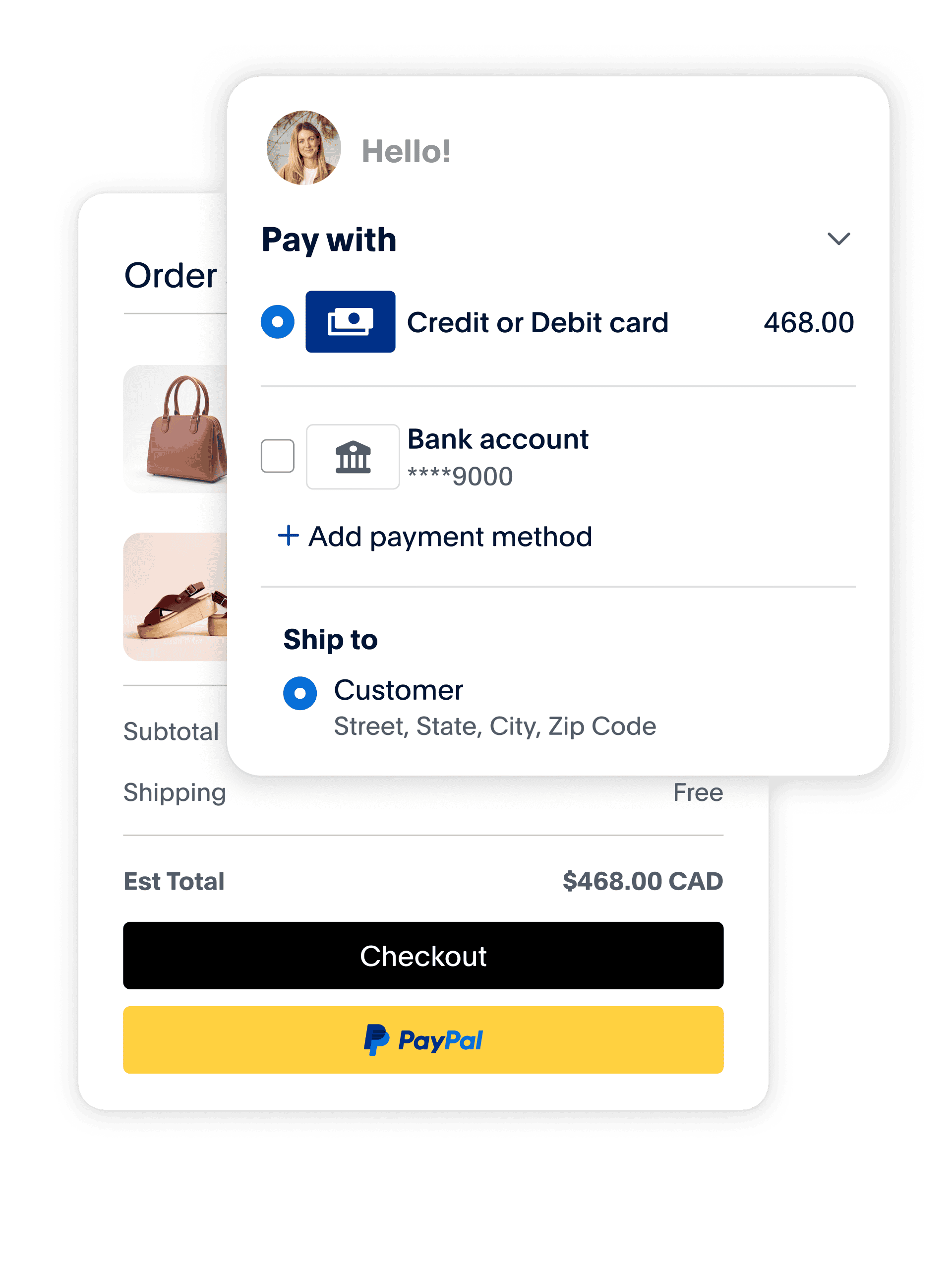
The backbone of PayPal’s acceptance network is undoubtedly the vast world of online retail. Most major online stores and marketplaces recognize PayPal as a preferred payment option, simplifying transactions for millions of shoppers. Platforms like eBay, PayPal’s former parent company, were instrumental in its initial growth and continue to offer seamless integration. Other retail giants, including Walmart, Target, Best Buy, and countless apparel and electronics retailers, prominently feature PayPal as a payment gateway. This broad acceptance means consumers can consolidate their online spending through a single, trusted account, while businesses gain access to a wider customer base who prefer PayPal’s security features and ease of use. While Amazon has traditionally not directly accepted PayPal, innovative workarounds such as using a PayPal Business Debit MasterCard or linking PayPal through digital wallets often provide a bridge for users to spend their PayPal balance on the platform. Similarly, craft marketplaces like Etsy rely heavily on PayPal for facilitating transactions between artisans and global customers, highlighting its role in supporting creative entrepreneurship and online income generation for many small businesses.
Digital Services and Subscriptions
In an increasingly subscription-based economy, PayPal plays a critical role in managing recurring payments for a multitude of digital services. Streaming services such as Spotify and Hulu often accept PayPal for monthly subscriptions, allowing users to keep their entertainment running smoothly. Gaming platforms like the PlayStation Store, Xbox Marketplace, Steam, and Nintendo eShop frequently offer PayPal as a payment option for purchasing games, in-game content, and subscriptions, making it a staple for online gamers. Beyond entertainment, PayPal is widely accepted for essential digital services, including web hosting providers, VPN services, cloud storage solutions, and software subscriptions. This ease of payment for digital services not only offers convenience but also provides a centralized way for individuals to track their recurring expenditures, aiding in personal finance management. For businesses offering these services, PayPal simplifies international billing and reduces payment friction, contributing directly to recurring online income.
Travel and Accommodation
Planning a trip, whether for business or leisure, often involves multiple online transactions, and PayPal has expanded its reach into the travel sector to simplify these bookings. Many airlines, particularly those focused on international routes or online sales, accept PayPal directly for flight purchases. Major online travel agencies (OTAs) like Expedia, Booking.com, and Hotels.com often integrate PayPal, either directly or by allowing users to pay with a credit/debit card linked to their PayPal account, or through PayPal Credit. This integration provides travelers with an additional layer of security and convenience, especially when booking international trips and dealing with currency conversions. For independent travel providers or those managing vacation rentals, PayPal also offers a straightforward way to accept payments, supporting small businesses in the tourism industry and facilitating secure transactions between individuals.
Beyond Traditional Shopping: Expanding PayPal’s Utility
PayPal’s utility extends far beyond just buying goods and services from large retailers. It has become a cornerstone of the gig economy, a crucial tool for fundraising, and an accessible method for peer-to-peer money transfers, proving its versatility as a financial instrument.
Freelance Marketplaces and Gigs
For the burgeoning population of freelancers, contractors, and gig workers, PayPal is often the preferred method for receiving payments for their services. Platforms like Upwork and Fiverr, which connect freelancers with clients globally, frequently use PayPal for payouts, making it easy for individuals to receive their online income. This is particularly beneficial for cross-border transactions, as PayPal handles currency conversions and provides a secure channel for funds transfer. Whether you’re a graphic designer, writer, programmer, or virtual assistant, PayPal offers a reliable way to get paid, manage invoices, and track earnings, integrating seamlessly into the financial operations of an independent contractor. Its accessibility and wide acceptance empower individuals to participate in the global digital economy and turn their skills into tangible income streams.
Crowdfunding and Donations
PayPal plays a significant role in the world of fundraising, both for personal causes and large-scale projects. Crowdfunding platforms such as GoFundMe heavily rely on PayPal to process donations, allowing individuals to quickly contribute to charitable causes, personal emergencies, or creative projects. While platforms like Kickstarter might use Stripe or other direct payment processors, many integrate PayPal as an underlying option or allow creators to link their PayPal accounts for payout. Similarly, many non-profit organizations and individual fundraisers use direct PayPal donation buttons or PayPal.Me links on their websites and social media, making it incredibly easy for supporters to contribute. This function positions PayPal as a vital financial tool for philanthropic endeavors and community support, enabling quick and secure transfers of funds to those in need or those pursuing innovative ideas.
Peer-to-Peer Payments and Local Transactions
One of PayPal’s foundational features, peer-to-peer (P2P) payments, remains highly popular for splitting bills, sending money to friends and family, or paying for casual transactions. Features like PayPal Friends & Family allow users to send money without transaction fees (when funded by a bank account or PayPal balance), making it an excellent tool for managing shared expenses or providing financial support. Beyond just friends and family, many individuals selling items locally or through social media marketplaces (e.g., Facebook Marketplace) opt for PayPal as a secure payment method, either through direct transfers or by sending invoices. Small, independent businesses that might not have a full e-commerce setup can also leverage PayPal.Me links or custom invoices to accept payments quickly and professionally, even for in-person transactions, further solidifying PayPal’s role in local and informal financial exchanges.

In-App Purchases and Mobile Gaming
As mobile devices become central to daily life, PayPal’s integration into the mobile ecosystem has grown. Many mobile applications, especially games, allow users to link their PayPal accounts for in-app purchases, whether it’s buying extra lives, virtual currency, or unlocking premium features. This seamless integration provides a frictionless payment experience for users and an efficient revenue stream for app developers. By reducing the number of steps required to complete a purchase, PayPal enhances user experience and encourages engagement, contributing significantly to the online income generated by the mobile app industry.
Leveraging PayPal for Business and Financial Management
For entrepreneurs, small business owners, and anyone managing online income, PayPal offers a suite of tools designed to streamline financial operations, accept payments globally, and integrate with broader financial strategies.
Accepting Payments for Small Businesses and Entrepreneurs
PayPal provides comprehensive solutions for businesses of all sizes to accept payments, both online and offline. A PayPal Business account unlocks features such as customizable payment buttons that can be embedded on websites, robust invoicing tools for sending professional bills, and subscription services for recurring payments. For physical businesses, PayPal Here (a mobile card reader) allows merchants to accept credit and debit card payments directly through their smartphone or tablet, consolidating all sales under one PayPal account. These tools are invaluable for entrepreneurs launching an online venture or expanding their payment options. They offer competitive transaction fees, global reach, and robust seller protection, simplifying the complexities of business finance and making it easier to generate and manage online income from diverse sources.
Managing Online Income and Payouts
For individuals and businesses whose primary income is generated online, PayPal often serves as a central hub for managing payouts. Many affiliate marketing programs, advertising networks, and online survey sites offer PayPal as a convenient withdrawal option for accumulated earnings. Content creators on platforms like Patreon or YouTube (via AdSense) can often link their PayPal accounts to receive monthly payouts. This consolidation allows users to track various income streams in one place, making it easier to monitor financial performance and plan for taxes. For those engaged in multiple side hustles or online ventures, PayPal acts as a crucial financial tool for aggregating funds before transferring them to a primary bank account or utilizing them for further online spending.
Financial Tools and Integrations
Beyond just accepting and sending payments, PayPal offers additional financial products that integrate into broader personal and business finance strategies. PayPal Credit provides a line of credit that users can utilize at checkout where PayPal is accepted, offering flexible payment options for larger purchases. The PayPal Debit Card is another powerful tool, allowing users to spend their PayPal balance anywhere Mastercard is accepted, essentially bridging the gap between PayPal’s online presence and traditional brick-and-mortar stores. This card can also be used to withdraw cash from ATMs. Furthermore, PayPal often integrates with various budgeting apps and financial management software, allowing users to import their transaction data for better tracking of expenses and income. These integrations enhance PayPal’s role as a comprehensive financial tool, empowering users to manage their funds more effectively within a holistic financial framework.
Strategies for Finding PayPal-Accepting Merchants and Overcoming Limitations
Given PayPal’s vast but not universal acceptance, knowing how to identify merchants who accept it and what to do when they don’t is an essential part of effective personal finance management.
How to Identify PayPal Acceptance
The most straightforward way to determine if a merchant accepts PayPal is to look for the PayPal logo at the checkout page. This logo, often alongside other credit card symbols, is a clear indicator. Many websites also feature a dedicated “Payment Options” or “FAQ” page where they list all accepted methods. During the checkout process itself, PayPal will typically appear as an explicit option alongside credit card entries. A quick search engine query, such as “[store name] PayPal,” can often yield quick results or discussions from other users. Staying informed on a merchant’s payment policies can save time and streamline online transactions.
Workarounds and Alternatives
Even if a merchant doesn’t directly accept PayPal, there are often ways to utilize your PayPal balance. The PayPal Debit Card is the most versatile solution, allowing you to spend your PayPal funds anywhere Mastercard is accepted, effectively converting your online balance into a universally accepted payment method. Similarly, linking your PayPal account to digital wallets like Google Pay or Apple Pay (where supported) can enable you to use your PayPal balance for in-store or in-app purchases at a wider range of merchants. Alternatively, many online stores accept major credit and debit cards; if you have a credit or debit card linked to your PayPal account, you can often choose to pay with that card directly, leveraging PayPal’s secure storage of your financial details even if not directly paying with your PayPal balance.
Security and Consumer Protection
A key reason for PayPal’s popularity in financial transactions is its robust buyer and seller protection policies. For consumers, PayPal’s buyer protection can help in situations where an item isn’t received or isn’t as described, offering a layer of financial security that many other payment methods lack. For businesses, seller protection helps mitigate risks associated with chargebacks and fraudulent transactions, safeguarding online income. Understanding these policies is crucial for both sides of a transaction, ensuring confidence and trust when using PayPal as a primary financial tool. This focus on security is a cornerstone of PayPal’s value proposition, reinforcing its position as a trusted intermediary in the digital economy.
In conclusion, PayPal’s reach across the digital landscape is immense, making it an indispensable tool for personal finance, online income generation, and business operations. Its acceptance spans traditional e-commerce, digital services, travel, the gig economy, and even peer-to-peer transactions. By understanding where and how PayPal is accepted, and by leveraging its associated financial tools and protections, users can navigate the complexities of modern digital payments with greater ease, security, and financial flexibility. PayPal continues to be a cornerstone of the global digital economy, empowering individuals and businesses alike to transact and thrive online.
aViewFromTheCave is a participant in the Amazon Services LLC Associates Program, an affiliate advertising program designed to provide a means for sites to earn advertising fees by advertising and linking to Amazon.com. Amazon, the Amazon logo, AmazonSupply, and the AmazonSupply logo are trademarks of Amazon.com, Inc. or its affiliates. As an Amazon Associate we earn affiliate commissions from qualifying purchases.