
In the vast and often cutthroat world of retail, few names command the recognition and customer loyalty that Home Depot does. Far from being just another hardware store, Home Depot has meticulously cultivated a brand identity that transcends mere transactional interactions, establishing itself as an indispensable resource for both the weekend DIYer and the seasoned professional contractor. The question, “what about Home Depot,” delves deep into the strategic foundations and continuous evolution of a brand that has become synonymous with home improvement, trust, and community engagement. This article explores the intricate layers of Home Depot’s brand strategy, dissecting how it has not only maintained its dominance but also adapted its identity to remain relevant and resonant in an ever-changing market.

The Enduring Brand Identity: More Than Just a Hardware Store
At its core, Home Depot’s brand success lies in its ability to forge a strong, consistent identity that speaks directly to the aspirations and needs of its target audience. This identity is built on pillars of trust, community connection, and an unwavering commitment to customer service, creating a brand narrative that extends far beyond the aisles of lumber and paint.
Roots of Trust and Community
Home Depot’s brand narrative began with a clear vision: to empower individuals to improve their homes and, by extension, their lives. From its inception, the brand positioned itself not just as a retailer of products, but as a partner in home improvement projects, big or small. This foundational promise of empowerment and support cultivated an intrinsic sense of trust among its early customers. Over decades, this trust has been reinforced through consistent messaging, reliable product availability, and a visible commitment to local communities. By sponsoring local events, engaging in neighborhood revitalization projects, and providing educational workshops, Home Depot has woven itself into the fabric of the communities it serves, fostering a sense of belonging and loyalty that is difficult for competitors to replicate. This deep community integration has become a cornerstone of its brand equity, cementing its image as a dependable, neighborly resource.
Orange Apron Ethos: The Role of Employee Branding and Customer Service
Perhaps the most iconic symbol of Home Depot’s brand is the orange apron worn by its employees. This isn’t merely a uniform; it’s a powerful emblem of the brand’s service-oriented ethos. The “Orange Apron Ethos” signifies a culture where knowledgeable, helpful associates are readily available to guide customers through their projects, offering expert advice and practical solutions. This focus on human interaction and personalized service elevates the brand experience beyond a transactional exchange. Employees are empowered to problem-solve and assist, becoming an extension of the brand’s promise of support. This deliberate employee branding strategy transforms staff members into brand ambassadors, whose interactions directly influence customer perception and satisfaction. The consistency of this service model across thousands of stores worldwide ensures that the core brand value of helpfulness remains palpable, fostering deep customer relationships and reinforcing Home Depot’s reputation as the go-to destination for expert assistance.
Visual and Experiential Consistency: Maintaining a Recognizable Presence
Home Depot’s brand identity is also powerfully conveyed through its consistent visual and experiential elements. The signature orange logo, the expansive warehouse-style stores, and the logical layout of departments create a familiar and reassuring environment for shoppers. This visual consistency ensures instant recognition and reinforces brand recall. Beyond aesthetics, the in-store experience itself is designed to be consistent: wide aisles, clear signage, and a vast inventory that makes the prospect of finding what you need almost a certainty. This predictability and reliability are crucial brand attributes in the retail space, where consumers value efficiency and ease. Furthermore, the brand has successfully translated this consistency into its digital presence, ensuring a seamless experience whether a customer is browsing online, using the mobile app, or walking into a physical store. This holistic approach to brand presentation, encompassing both visual cues and the overall customer journey, solidifies Home Depot’s distinct and powerful identity in the minds of consumers.
Strategic Brand Evolution: Adapting to Modern Retail
No brand can afford to rest on its laurels, and Home Depot is a testament to continuous strategic evolution. To maintain its market leadership and strong brand appeal, the company has adeptly adapted its strategies to align with changing consumer behaviors and technological advancements, all while preserving its core identity.
Embracing Digital Transformation: Integrating E-commerce with the Physical Store Experience
Recognizing the undeniable shift towards online shopping, Home Depot has made significant investments in digital transformation, but with a nuanced approach that leverages its physical footprint. Instead of viewing e-commerce as a separate channel, the brand has masterfully integrated its online and offline experiences. Features like “Buy Online, Pick Up In Store” (BOPIS) and “Ship to Home” for online-only SKUs capitalize on the convenience of digital shopping while drawing customers into the physical store where additional purchases often occur. The brand’s app and website provide comprehensive product information, inventory checks, and project guides, enhancing the in-store experience by empowering customers with knowledge before they even arrive. This omnichannel strategy ensures that Home Depot remains accessible and convenient, meeting customers wherever they prefer to start their shopping journey, thereby reinforcing its brand image as a modern, adaptable, and customer-centric retailer.
Pro-Customer Focus: Balancing DIYers with Professional Contractors
Home Depot serves a dual customer base: the enthusiastic DIYer and the demanding professional contractor. Managing the distinct needs and expectations of these two segments requires a sophisticated brand strategy. For DIYers, the brand emphasizes inspiration, education, and simplified solutions, offering workshops, project guides, and user-friendly product assortments. For professionals, the focus shifts to efficiency, bulk purchasing options, dedicated pro-desks, and specialized services like tool rental and delivery. Home Depot has successfully branded itself as the indispensable partner for both. Dedicated programs like “Home Depot Pro” foster loyalty among contractors by providing tailored benefits, preferential pricing, and streamlined processes. This segmentation, executed under the overarching Home Depot brand, demonstrates the brand’s versatility and its commitment to understanding and serving diverse customer needs, enhancing its reputation as a comprehensive and adaptable solution provider.
Sustainability and Social Responsibility: Building a Conscious Brand Image
In an era where consumers are increasingly conscious of environmental and social impacts, Home Depot has strategically incorporated sustainability and social responsibility into its brand narrative. The brand actively promotes eco-friendly products, energy-efficient appliances, and sustainable building materials, positioning itself as a responsible choice for environmentally aware customers. Beyond product offerings, Home Depot engages in initiatives aimed at reducing its carbon footprint, managing waste responsibly, and supporting disaster relief efforts. These corporate social responsibility (CSR) initiatives are not merely compliance exercises but integral components of its brand building. By demonstrating a commitment to broader societal well-being, Home Depot enhances its brand reputation, fosters goodwill, and resonates with a demographic that values ethical corporate behavior. This conscious brand image strengthens its connection with discerning consumers and reinforces its standing as a responsible corporate citizen.
Competitive Edge Through Brand Differentiation
In a highly competitive market, Home Depot’s sustained leadership is a testament to its successful brand differentiation. It leverages its scale, product strategy, and service offerings to carve out a unique position that is difficult for rivals to emulate.
The Scale Advantage: Leveraging Market Dominance for Brand Reinforcement
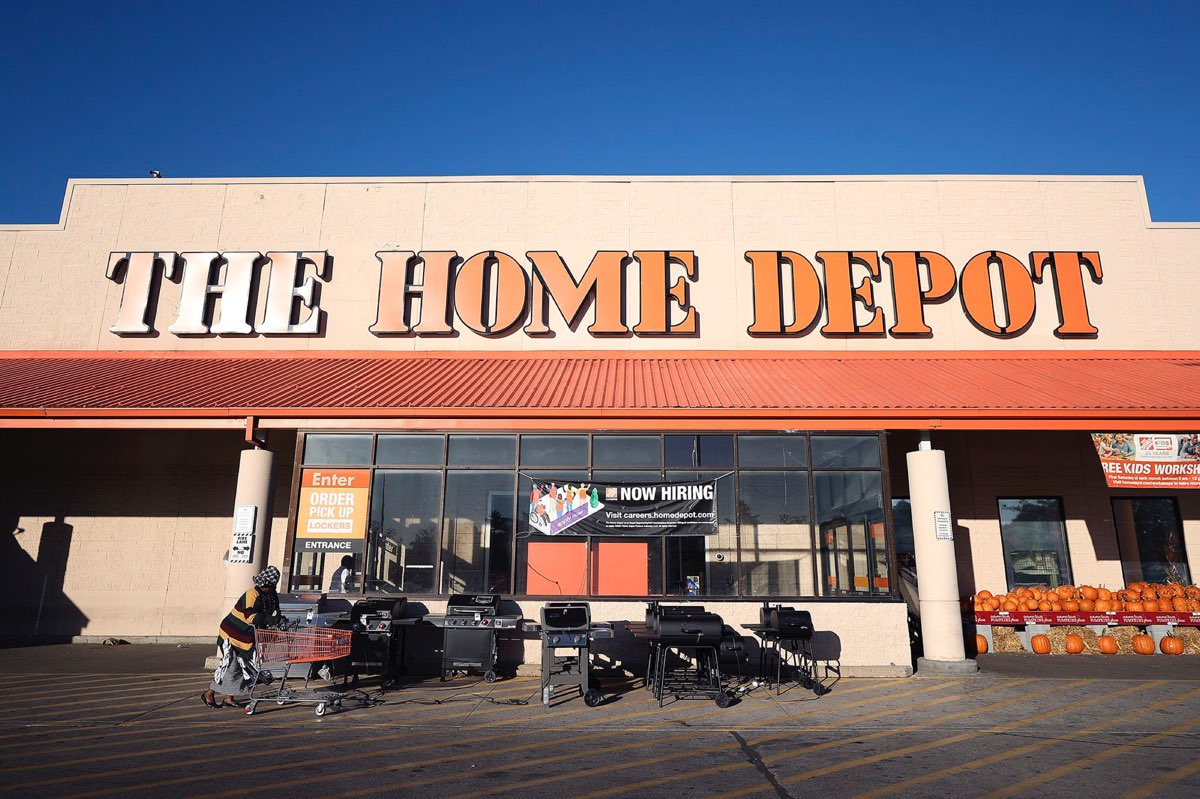
Home Depot’s immense scale is a significant brand asset. Its vast network of stores across North America allows for unparalleled market penetration, inventory depth, and logistical efficiency. This scale translates into a brand promise of availability and choice – customers trust that they will find what they need, when they need it. The sheer size of its operations enables Home Depot to negotiate favorable terms with suppliers, often leading to competitive pricing that further reinforces its value proposition. More importantly, this market dominance has solidified its brand as the authoritative leader in home improvement retail. The perception of being the biggest and most comprehensive store in its category instills confidence and a sense of reliability in its brand, making it the default choice for millions of consumers.
Product Assortment and Exclusivity: Curating Offerings That Resonate
A critical element of Home Depot’s brand differentiation is its meticulously curated product assortment, which includes a blend of national brands, private labels, and exclusive offerings. By stocking a comprehensive range of products, from basic tools to sophisticated smart home devices, the brand ensures it can cater to virtually every home improvement need. Furthermore, strategic partnerships with manufacturers to offer exclusive product lines or specific models creates a unique selling proposition that enhances brand appeal. These exclusive items not only drive traffic but also contribute to the perception of Home Depot as a unique and innovative retail destination. This strategic product curation ensures that the brand remains fresh, relevant, and capable of satisfying evolving consumer demands, reinforcing its image as a one-stop-shop that offers both breadth and distinctiveness.
Service and Solutions Beyond Products: Value-Added Services as Brand Extenders
Home Depot distinguishes itself by offering a suite of value-added services that extend beyond merely selling products. Services such as tool rental, installation services for various home projects (e.g., flooring, windows, water heaters), and in-store workshops are crucial brand extenders. These services position Home Depot as a solutions provider, not just a product seller. For customers embarking on complex projects, the ability to rent specialized equipment or enlist professional installers under the trusted Home Depot brand simplifies the process and reduces perceived risk. These offerings enhance customer convenience, foster deeper engagement, and significantly contribute to brand loyalty. By providing comprehensive solutions, Home Depot entrenches itself further into the customer’s project lifecycle, reinforcing its brand as an indispensable partner from conception to completion.
Cultivating Customer Loyalty and Advocacy
True brand strength is measured not just by market share, but by the depth of customer loyalty and the willingness of customers to advocate for the brand. Home Depot has implemented robust strategies to nurture these relationships, turning satisfied customers into fervent brand evangelists.
Personalized Experiences and Data-Driven Insights: Connecting with Customers Individually
In today’s data-rich environment, Home Depot leverages customer data to create more personalized experiences, enhancing brand relevance and fostering loyalty. Through its loyalty programs, online browsing behavior analysis, and purchase history, the brand gains insights into individual customer preferences and needs. This allows for targeted marketing, personalized recommendations, and custom offers that resonate more deeply than generic promotions. For instance, a DIYer frequently purchasing gardening supplies might receive tailored advice on seasonal planting, while a professional contractor might be alerted to new bulk discounts on construction materials. This shift towards hyper-personalization makes customers feel seen and valued, transforming their relationship with the brand from transactional to relational. By demonstrating a genuine understanding of their customers’ specific journeys, Home Depot strengthens its brand connection and reinforces the perception of being a thoughtful and attentive partner.
Community Engagement and Localized Marketing: Strengthening Neighborhood Ties
Despite its massive scale, Home Depot understands the importance of local relevance. Its brand strategy incorporates significant community engagement and localized marketing efforts. Each store often participates in local events, supports local charities, and tailors certain product assortments or services to the specific needs of its immediate neighborhood. For example, stores in coastal regions might emphasize hurricane preparedness products, while those in gardening-heavy areas might offer more specialized nursery stock. This localized approach allows the brand to connect with customers on a more personal, community-centric level, fostering a sense of shared identity and mutual support. By showing up as an active and contributing member of the local community, Home Depot reinforces its image as a trusted neighbor, deepening customer loyalty and generating positive word-of-mouth advocacy that is invaluable for brand health.
Building Brand Evangelists: Turning Satisfied Customers into Promoters
The ultimate goal of any strong brand is to create evangelists – customers who are not only loyal but actively promote the brand to others. Home Depot achieves this by consistently delivering on its brand promise, providing exceptional customer service, and offering a rewarding overall experience. When customers successfully complete a home improvement project with the help of Home Depot’s products and advice, they often feel a sense of accomplishment that they associate with the brand. This positive emotional connection is a powerful driver of advocacy. The brand also encourages customer reviews and testimonials, providing platforms for customers to share their success stories and recommend products or services. By celebrating customer achievements and facilitating positive sharing, Home Depot effectively harnesses the power of social proof and peer recommendation, transforming satisfied patrons into enthusiastic promoters who organically extend the brand’s reach and credibility.
The Future of the Home Depot Brand: Navigating New Horizons
As consumer expectations continue to evolve and technological advancements accelerate, the Home Depot brand must remain agile and forward-thinking. Its future success hinges on continuous innovation and a steadfast commitment to its core values while exploring new avenues for growth and relevance.
Innovation in Retail Experience: What’s Next for In-Store and Online
The future of Home Depot’s brand will undoubtedly be shaped by its ability to innovate the retail experience. This includes exploring advanced technologies like augmented reality (AR) for project visualization, AI-powered chatbots for instant customer support, and even more seamless integration of in-store navigation with digital tools. The brand might experiment with smaller format stores for urban areas or highly specialized outlets, catering to niche needs. For the professional segment, continued investment in predictive analytics for inventory management and hyper-efficient delivery models will be crucial. The goal will be to create an even more intuitive, personalized, and friction-less shopping journey, ensuring that the Home Depot brand remains at the forefront of retail innovation while retaining its human touch and problem-solving ethos.
Talent Management and Brand Culture: Ensuring the Orange Apron Spirit Endures
The “Orange Apron Ethos” is a cornerstone of Home Depot’s brand, and sustaining this culture in a dynamic labor market will be vital. The brand must continue to invest in employee training, development, and empowerment to ensure that its workforce remains knowledgeable, engaged, and representative of its customer-centric values. Attracting and retaining top talent, especially in specialized trades, will be key to maintaining its reputation as a source of expert advice and quality service. Fostering a strong internal brand culture that champions employee well-being, diversity, and professional growth will ensure that the “orange apron” continues to symbolize helpfulness and expertise. This commitment to its people directly translates into a stronger external brand, as satisfied and skilled employees are the best ambassadors for Home Depot.

Global Reach and Market Expansion (or Consolidation): Strategic Growth Considerations
While Home Depot has a dominant presence in North America, its future brand strategy might involve carefully considered global expansion or strategic consolidation within existing markets. Entering new international markets would require adapting its brand message and product assortments to local cultural nuances and consumer preferences, potentially through partnerships or acquisitions. Alternatively, strengthening its brand in existing territories through deeper market penetration, innovation in service delivery, and strategic competitive positioning against emerging challengers could be the focus. Regardless of the path, any growth strategy will be underpinned by a clear understanding of how to maintain the integrity and strength of the Home Depot brand in diverse contexts, ensuring that its core values of trust, service, and empowerment resonate with new customer bases while remaining true to its established identity.
In conclusion, “what about Home Depot” is a question that reveals a multifaceted brand story. It’s a narrative of building trust from the ground up, strategically adapting to digital shifts, brilliantly differentiating in a crowded market, and meticulously cultivating customer loyalty. Home Depot’s brand strength lies not just in its products or its physical presence, but in its ability to be a trusted partner, an expert guide, and a community pillar. As it navigates the future, its continued success will depend on its unwavering commitment to these brand tenets, ensuring that the iconic orange apron remains a symbol of excellence and reliability for generations to come.
aViewFromTheCave is a participant in the Amazon Services LLC Associates Program, an affiliate advertising program designed to provide a means for sites to earn advertising fees by advertising and linking to Amazon.com. Amazon, the Amazon logo, AmazonSupply, and the AmazonSupply logo are trademarks of Amazon.com, Inc. or its affiliates. As an Amazon Associate we earn affiliate commissions from qualifying purchases.