
Goa. The very name evokes a kaleidoscope of images: sun-kissed beaches, swaying palms, vibrant nightlife, ancient churches, and the laid-back rhythm of “susegad.” For decades, this sliver of paradise on India’s west coast has held an almost mythical status, drawing millions from across the globe. But what truly defines Goa in the collective consciousness? How has its brand evolved, and what challenges lie ahead for a destination striving to retain its soul amidst relentless growth? This article delves into the intricate tapestry of Goa’s brand, dissecting its enduring appeal, exploring its marketing dynamics, confronting its inherent challenges, and envisioning its future identity in an increasingly competitive global tourism landscape.

The Enduring Allure: Deconstructing the Brand of Goa
Goa is not merely a geographical location; it is a feeling, an experience, a lifestyle—a powerful brand built on decades of cultural exchange and natural beauty. Its brand equity is immense, deeply ingrained in popular culture.
Origins of an Iconic Identity
The initial chapters of Goa’s brand story were written by its unique colonial heritage and its emergence as a haven for the counter-culture movement of the 1960s. Portuguese influence, lasting over 450 years, endowed Goa with a distinct architectural style, a syncretic cultural ethos, and a spiritual openness. Churches like Bom Jesus Basilica, vibrant carnivals, and a cuisine that masterfully blends Indian spices with European techniques form the backbone of this heritage. This historical foundation was then overlaid by the legendary “Hippie Trail,” which cemented Goa’s reputation as a sanctuary for freedom-seekers, artists, and explorers. The brand Goa became synonymous with liberation, exoticism, and uninhibited self-expression. The local concept of “susegad”—a relaxed, contented approach to life—became an unofficial brand mantra, promising an escape from the frantic pace of modern existence.
Core Brand Pillars
At its heart, the brand of Goa rests on several unwavering pillars. Relaxation is paramount, offered through its pristine beaches, tranquil backwaters, and an atmosphere conducive to unwinding. Freedom continues to be a core promise, a sense of liberation from daily constraints, whether it’s through bohemian parties or quiet introspection by the sea. Culture is multifaceted, encompassing its unique Indo-Portuguese heritage, vibrant local traditions, and a thriving arts scene. The party scene, particularly along its northern coast, is another undeniable pillar, attracting a younger demographic seeking electrifying nights. Finally, nature provides the picturesque backdrop, from the Arabian Sea to its lush hinterlands, offering opportunities for adventure and communion with the environment.
The Dual Narrative: Peace vs. Party
One of the most fascinating aspects of the Goan brand is its ability to seamlessly weave together seemingly contradictory narratives. It is both a haven for peace and tranquility, ideal for yoga retreats and serene escapes, and a pulsating hub for electronic music festivals and vibrant nightlife. This duality is a strength, allowing the brand to appeal to a broad spectrum of travelers. However, it also presents a marketing tightrope walk, requiring careful segmentation to ensure the right message reaches the right audience without diluting the overall brand essence. The challenge lies in celebrating both facets without allowing one to overshadow or tarnish the other, ensuring that Goa remains a destination that offers both the tranquil “susegad” and the exhilarating beat.
Marketing Goa in a Globalized World
In an era of hyper-connectivity and intense competition for tourist dollars, the way Goa is marketed must be as dynamic and diverse as the destination itself. From traditional advertising to cutting-edge digital campaigns, the strategy must evolve.
Traditional Approaches and Their Evolution
Historically, Goa’s marketing relied heavily on aspirational imagery: sun-drenched beaches, happy families, and the occasional iconic landmark. Print advertisements in travel magazines, participation in international travel fairs, and partnerships with tour operators were the primary channels. These methods built a foundational awareness, establishing Goa as a prime leisure destination. Over time, as media consumption shifted, so did the marketing mix. Early digital campaigns focused on website presence and basic search engine optimization. The narrative often remained broad, aiming for mass appeal. However, the sheer volume of global travel content and the discerning modern traveler demand more nuanced approaches.
The Digital Frontier: Influencers, Social Media, and Niche Marketing
Today, the digital landscape is where the battle for attention is largely won or lost. Social media platforms like Instagram, Facebook, and TikTok are critical for visual storytelling, showcasing the diverse facets of Goa beyond its most famous beaches. Leveraging travel influencers who authentically connect with their audiences has become a powerful strategy, offering aspirational content that resonates with specific demographics. Niche marketing through targeted online campaigns allows Goa to highlight specific offerings—adventure sports, culinary tours, wellness retreats, or cultural immersion—to highly engaged segments. This precision marketing ensures that the varied aspects of the Goan brand are not lost in a generic ‘beach holiday’ pitch, attracting travelers seeking unique, curated experiences.
Crafting Compelling Narratives
Beyond beautiful visuals, successful brand marketing hinges on compelling storytelling. For Goa, this means moving beyond generic descriptions and crafting narratives that evoke emotion, curiosity, and a sense of connection. This could involve promoting its rich musical heritage, showcasing its vibrant street art scene, highlighting sustainable tourism initiatives, or sharing the stories of its local communities and entrepreneurs. Culinary tourism, focusing on the unique flavors of Goan seafood and spices, offers another powerful narrative. By telling these diverse stories, Goa can position itself not just as a place to visit, but as a destination to experience deeply, fostering a richer, more meaningful engagement with the brand.
Navigating Brand Challenges: Preserving the Essence Amidst Change
Success, especially in tourism, often comes with its own set of challenges. For the brand of Goa, maintaining its unique essence while managing explosive growth is a tightrope walk.
The Scars of Success: Over-tourism and Infrastructure Strain
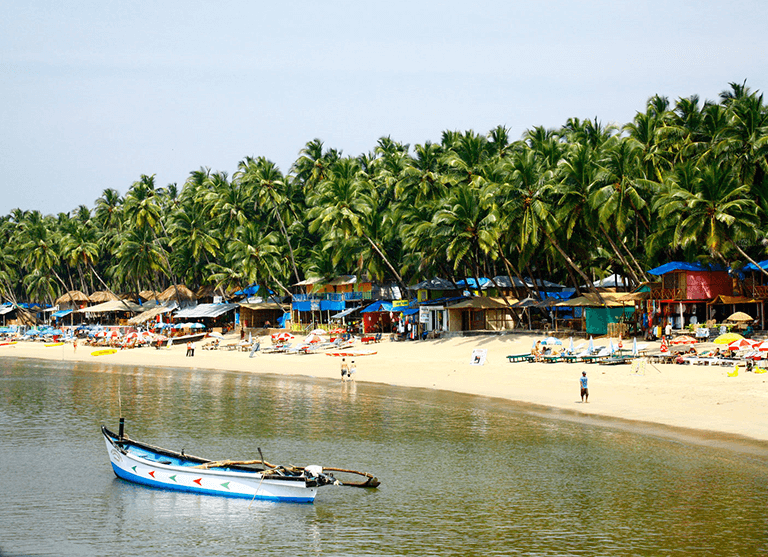
One of the most significant threats to Goa’s brand is the double-edged sword of its popularity: over-tourism. The sheer volume of visitors, particularly during peak season, puts immense pressure on its delicate ecosystem and limited infrastructure. Congested roads, overflowing waste management systems, strained water and electricity supplies, and crowded beaches detract from the “susegad” experience that is central to the brand. This strain not only impacts the quality of the visitor experience but also negatively affects the local population, leading to resentment and a diminished sense of place. If unchecked, over-tourism risks tarnishing the very allure that draws people to Goa.
Erosion of Authenticity: Commodification and Cultural Dilution
As tourism becomes more commercialized, there’s a risk of the commodification of culture, where local traditions and lifestyles are presented purely for tourist consumption, losing their authentic essence. The proliferation of generic tourist traps, mass-produced souvenirs, and the homogenization of experiences can dilute Goa’s unique charm. When destinations prioritize quantity over quality, they risk eroding the very authenticity that made them special in the first place. The delicate balance between welcoming visitors and preserving local customs, dialects, and social fabrics is crucial for maintaining the genuine character of the Goan brand.
Reputation Management: Addressing Negative Perceptions
Every brand faces scrutiny, and Goa is no exception. Negative perceptions, often amplified by social media and news cycles, can significantly impact its image. Concerns about safety, particularly for solo female travelers, issues related to waste management, environmental degradation, and isolated incidents of drug-related activities or exploitative practices can tarnish Goa’s reputation as a safe and idyllic retreat. Effective brand management requires proactive communication, transparent addressing of these issues, and visible efforts to mitigate them. Rebuilding trust and reinforcing a positive image requires concerted effort from all stakeholders.
Reimagining Goa: Pathways to Brand Evolution and Resilience
To ensure long-term viability and protect its coveted brand, Goa must consciously evolve, moving towards a more sustainable and diversified identity.
Embracing Sustainable Tourism: A Green Brand Identity
The future of Goa’s brand must be anchored in sustainability. Shifting towards eco-tourism and responsible travel practices is not just an environmental imperative but a powerful brand differentiator. Promoting community-based tourism, preserving natural habitats, encouraging waste reduction, and supporting local, eco-friendly businesses can position Goa as a leader in responsible travel. A “green” brand identity appeals to a growing segment of conscious travelers who seek destinations that prioritize environmental stewardship and local empowerment. This shift requires infrastructure development that respects ecological limits and policies that incentivize sustainable practices across the tourism industry.
Diversifying the Portfolio: Beyond Beaches and Parties
While beaches and parties remain core attractions, diversifying Goa’s tourism portfolio is essential for resilience and broadening its appeal. Developing and promoting niche segments can attract high-value, lower-impact travelers. Wellness tourism, leveraging Goa’s serene environment for yoga, Ayurveda, and meditation retreats, presents a significant opportunity. MICE (Meetings, Incentives, Conferences, and Exhibitions) tourism, capitalizing on its scenic locations and hospitality infrastructure, can attract business travelers. Adventure sports, including water sports, trekking, and cycling in its lush hinterland, offers an adrenaline-infused experience. Cultural immersion tours, focusing on heritage villages, culinary workshops, and art trails, can deepen visitor engagement. Furthermore, positioning Goa as a digital nomad hub, with co-working spaces and a vibrant expat community, leverages its lifestyle appeal for a new demographic.
Harnessing Local Voices: Community-Led Branding Initiatives
Authenticity in branding often comes from empowering the local community to tell their own stories. Rather than top-down marketing campaigns, community-led initiatives can showcase Goa’s true character. Supporting local artisans, traditional performers, and culinary entrepreneurs to directly engage with visitors creates more genuine and memorable experiences. Platforms that allow locals to share their unique perspectives, heritage, and daily life can foster a deeper connection between visitors and the destination, transforming tourists into temporary residents who appreciate the local way of life. This approach not only enriches the visitor experience but also ensures that the benefits of tourism are equitably distributed, fostering local pride and ownership of the Goan brand.
Goa’s Future Identity: A Vision for Tomorrow
The long-term success of the Goan brand hinges on a strategic vision that balances heritage with innovation, and mass appeal with sustainable practices.
Strategic Brand Repositioning: Towards a Premium, Conscious Destination
The most impactful strategic move for Goa’s brand would be a gradual repositioning from a mass-market, budget-friendly destination to a premium, conscious travel choice. This doesn’t mean excluding any traveler but rather focusing on attracting visitors who value quality, unique experiences, and sustainable practices. A premium brand identity would command higher yields, allowing for better infrastructure investment, greater conservation efforts, and improved livelihoods for locals. This requires a concerted effort to enhance service quality, invest in unique cultural products, and market Goa as a destination that offers unparalleled value, not just low prices.
The Role of Technology: Enhancing Visitor Experience and Brand Reach
Technology is not just a marketing tool; it’s a critical component in shaping the future brand experience. Implementing smart tourism solutions—from seamless digital check-ins and personalized travel apps to virtual reality tours that offer a glimpse of Goa’s hidden gems—can significantly enhance visitor satisfaction. AI-powered chatbots can provide instant information, while data analytics can offer insights into traveler preferences, allowing for more tailored offerings. Leveraging technology to showcase Goa’s natural beauty and cultural heritage through immersive digital content can also extend its brand reach globally, captivating potential visitors long before they arrive.
Collaborative Stewardship: Building a Shared Vision for the Brand
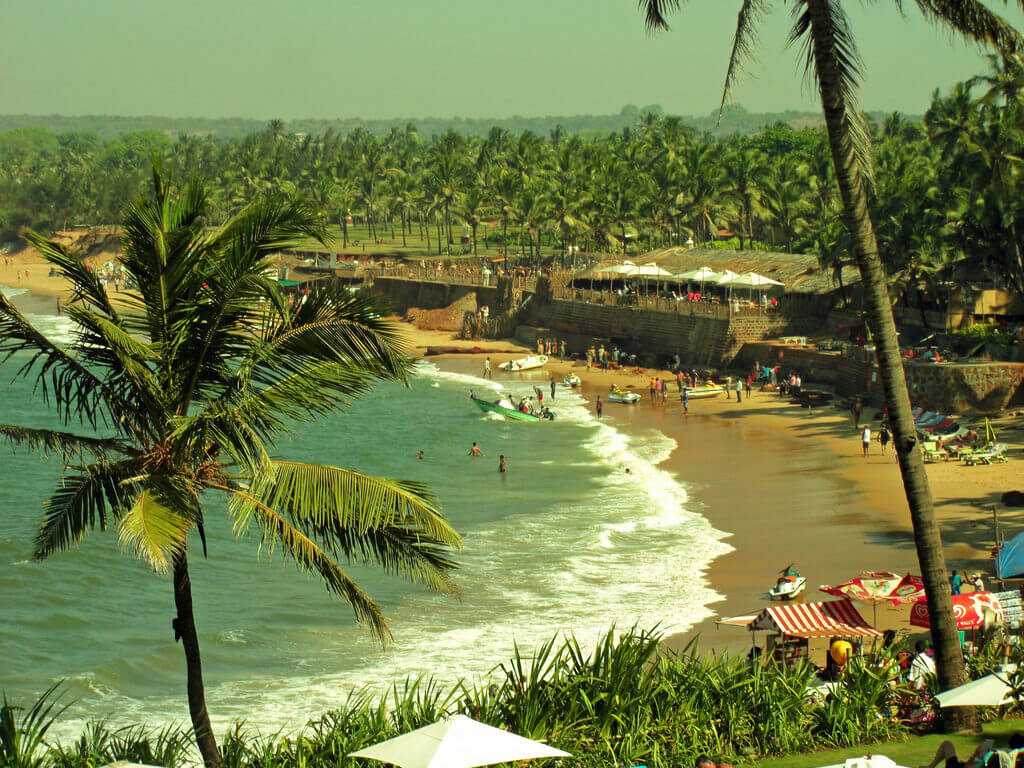
Ultimately, the future of the Goan brand rests on collaborative stewardship. The government, private sector (hoteliers, tour operators, event organizers), local communities, and environmental groups must all coalesce around a shared vision. This involves open dialogue, integrated planning, and transparent decision-making. Policies must support sustainable growth, investment must prioritize quality over quantity, and marketing efforts must be cohesive and authentic. When all stakeholders are invested in protecting and enhancing the brand, Goa can continue to flourish as a destination that offers both liberation and tranquility, retaining its “susegad” soul while embracing a dynamic and responsible future. “What about Goa?” then becomes a question answered with confidence: a brand resilient, vibrant, and eternally captivating.
aViewFromTheCave is a participant in the Amazon Services LLC Associates Program, an affiliate advertising program designed to provide a means for sites to earn advertising fees by advertising and linking to Amazon.com. Amazon, the Amazon logo, AmazonSupply, and the AmazonSupply logo are trademarks of Amazon.com, Inc. or its affiliates. As an Amazon Associate we earn affiliate commissions from qualifying purchases.