
In the landscape of modern marketing, where silicon-valley-inspired neologisms and abstract linguistic constructs like “Meta,” “X,” and “Altria” dominate the corporate stratosphere, there is a counter-intuitive movement gaining significant traction. This movement eschews the grandiose for the familiar, the complex for the simple, and the corporate for the personal. At the heart of this shift is the “Bob” phenomenon—a strategic commitment to personified, relatable, and approachable branding. When we ask, “What about Bobs?” we are really asking: how does the everyman archetype influence consumer trust, and why are brands increasingly turning to humanized identities to anchor their market position?

The Psychology of the “Bob” Brand: Why Simplicity Wins
The selection of a common, approachable name like “Bob” is rarely an accident. In brand strategy, names function as the primary hook for consumer psychology. While high-tech firms often choose names that sound futuristic or “disruptive,” a “Bob” brand seeks to lower the barrier to entry by signaling reliability and a lack of pretense.
The Everyman Archetype and Relatability
In Jungian archetypes, the “Everyman” (or the Citizen) is a powerful tool for brands that want to be perceived as honest, hardworking, and accessible. By adopting a persona that feels like a neighbor or a trusted colleague, a brand can bypass the skepticism that consumers typically feel toward faceless corporations. “Bob” represents the democratic ideal in commerce—quality products for everyone, delivered without the fluff of luxury branding. This relatability fosters a sense of belonging, making the consumer feel that the brand is “one of us” rather than an elite entity looking down from a glass tower.
Humanizing the Corporate Entity
The primary challenge for any large-scale business is the “uncanny valley” of corporate communication. Companies often sound like machines trying to mimic human empathy. A “Bob” strategy solves this by putting a human face and name at the center of the identity. Whether it is a real founder or a fictionalized spokesperson, the presence of a “Bob” provides a singular point of accountability. It is much harder to be angry at “Bob’s Local Hardware” than at “Global Home Infrastructure Solutions Inc.” The human name creates an implicit promise of a human handshake, even in a digital transaction.
Case Studies in Personified Branding Success
To understand the efficacy of this strategy, we must look at the “Bobs” who have successfully navigated the transition from mere names to global symbols of trust. These case studies illustrate how a simple persona can be leveraged to build multi-million dollar identities.
Bob’s Red Mill: A Masterclass in Radical Trust
Perhaps the most prominent example of the “Bob” strategy is Bob’s Red Mill. Founded by Bob Moore, the brand didn’t just use his name; it used his likeness, his values, and eventually his radical approach to business—transferring ownership of the company to his employees. In this instance, “Bob” became synonymous with integrity and old-world quality. The brand strategy wasn’t focused on the aesthetics of the grain, but on the character of the man behind the grain. This created a level of brand loyalty that survives long after the founder’s passing, because the “Bob” identity is baked into the corporate culture.
The Rise of Service-Based “Bobs”
In the service industry, the “Bob” strategy is used to signal expertise and local reliability. Think of “Bob’s Discount Furniture” or “Bob the Builder.” While one is a retail giant and the other an educational media franchise, both utilize the name to promise a specific outcome: the job will get done, and it won’t be overly complicated. In these cases, the brand name serves as a verbal shortcut for “unpretentious value.” The strategy here is to occupy the space of the “trusted advisor,” a role that is much easier to fulfill when the brand identity feels like a person you could actually have a conversation with.
The Design Language of the Everyman Persona
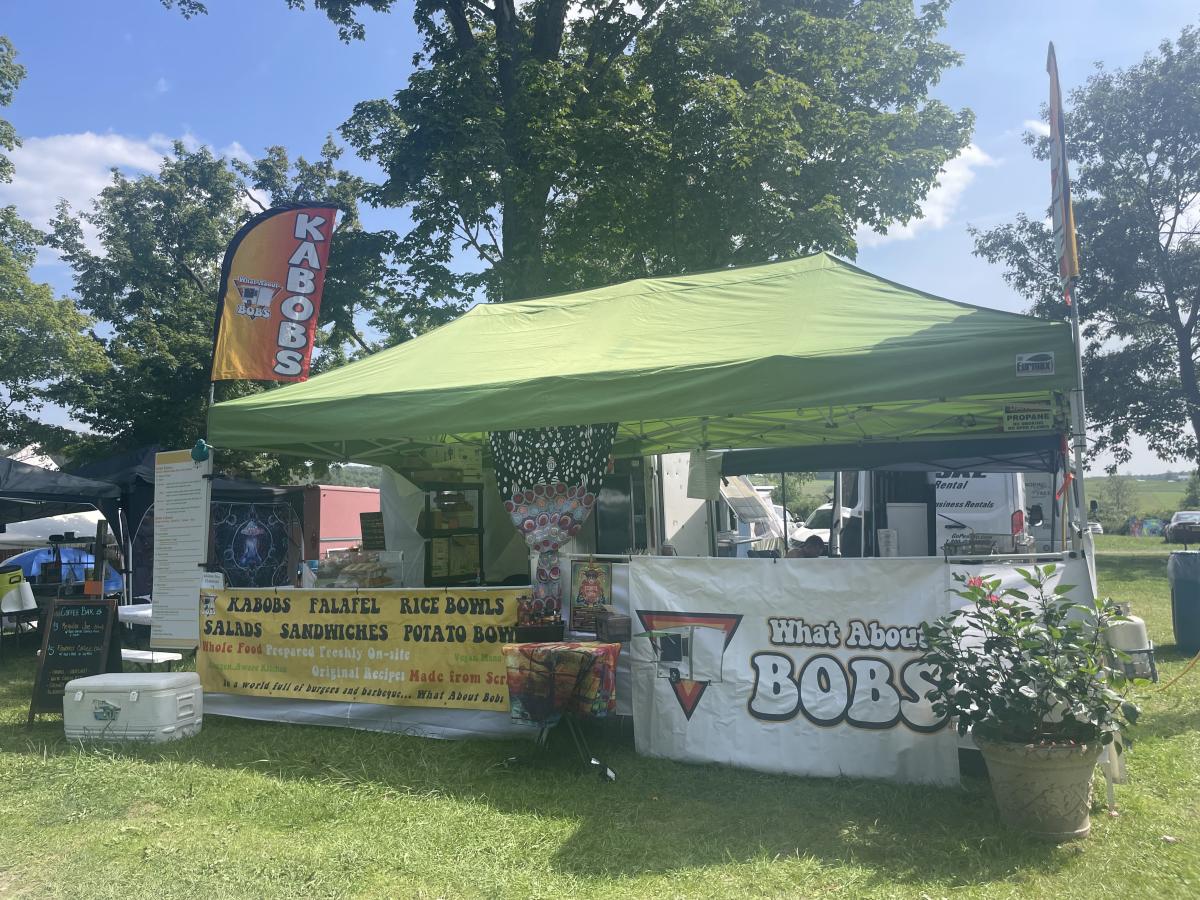
A brand strategy is only as strong as its visual execution. If you name your company “Bob” but use a sleek, minimalist, neon-cyberpunk aesthetic, the cognitive dissonance will alienate your audience. The “Bob” persona requires a specific design language that reinforces the values of the Everyman.
Authenticity Through Visual “Imperfection”
High-end brands spend millions to appear perfect. “Bob” brands spend their energy appearing authentic. This often involves using warmer color palettes—earth tones, primary reds, and deep blues—rather than the cold grays and whites of the tech world. Typography also plays a crucial role. Serif fonts that suggest a history or handwritten scripts that suggest a personal touch are staples of the “Bob” strategy. The goal is to create a visual identity that feels “vetted” by time rather than engineered by an algorithm.
Consistent Character Voice
Beyond the logo, the “Bob” brand must speak with a specific cadence. The brand voice is typically direct, conversational, and jargon-free. While a tech brand might talk about “leveraging synergistic paradigms,” a Bob brand will say, “We help you fix things.” This clarity of communication is a core component of the brand strategy, as it reinforces the persona’s role as an honest broker. Every touchpoint, from social media replies to invoice headers, must maintain this “human” consistency to protect the integrity of the persona.
The Risks and Challenges of Personified Identity
While the “Bob” strategy offers a clear path to consumer trust, it is not without significant strategic risks. When a brand hitches its wagon to a personified identity, it becomes vulnerable to the complexities of human perception and the limitations of a single-character narrative.
Dependency on the Individual Persona
If the brand is built around a real person (like Bob Moore or Martha Stewart), the brand’s value is inextricably linked to that individual’s reputation. A personal scandal or a shift in public opinion can have a devastating impact on the corporate identity. For brands that use a fictionalized “Bob,” the challenge is maintaining relevance across generations. What resonated as a “trusted neighbor” in 1990 might feel like a “dated caricature” in 2024. Brand managers must constantly evolve the persona without losing the core attributes that made it successful in the first place.
Managing Brand Fatigue and the “Commonality” Trap
There is also the risk of becoming too common. The name “Bob” is the ultimate generic identifier. If a brand does not differentiate its “Bob” through unique storytelling or a specific niche, it risks fading into the background of a crowded marketplace. The strategy requires a delicate balance: you want the name to be familiar, but the brand experience to be extraordinary. If the “Bob” identity becomes a mask for mediocrity, the persona will eventually be associated with low quality rather than high value.
Implementing Your Own “Bob” Strategy: A Strategic Roadmap
For businesses looking to pivot toward a more personified, Everyman-style brand identity, the process requires more than just picking a name out of a phone book. It involves a deep dive into the values you wish to project and the audience you intend to serve.
Defining the Core Values of Your Persona
Before you name your “Bob,” you must define what he stands for. Is he the “Craftsman” (focused on quality)? Is he the “Neighbor” (focused on community)? Or is he the “Innovator” (focused on simplifying complex problems)? This foundational work ensures that the brand strategy is rooted in purpose rather than just a marketing gimmick. Your persona should be the embodiment of your company’s “Why,” acting as a living mascot for your mission statement.

Scaling the Persona Across Digital Touchpoints
In the digital age, a personified brand must live across multiple platforms. This means your “Bob” needs a digital presence that feels authentic. This can be achieved through:
- Video Content: Using a consistent spokesperson or “face” for the brand.
- Personalized Email Marketing: Writing from the perspective of an individual rather than a department.
- Interactive AI: Developing chatbots that have a defined personality and name, rather than a generic “Support Bot” interface.
The key to a successful “Bob” strategy in the 21st century is the marriage of traditional trust and modern accessibility. By asking “What about Bobs?” companies can rediscover the power of the human element in an increasingly automated world. In the end, branding isn’t about the name on the door; it’s about the promise that name makes to the person walking through it. Whether your “Bob” is a person, a mascot, or a philosophy, his success depends on his ability to make the consumer feel seen, heard, and valued.
aViewFromTheCave is a participant in the Amazon Services LLC Associates Program, an affiliate advertising program designed to provide a means for sites to earn advertising fees by advertising and linking to Amazon.com. Amazon, the Amazon logo, AmazonSupply, and the AmazonSupply logo are trademarks of Amazon.com, Inc. or its affiliates. As an Amazon Associate we earn affiliate commissions from qualifying purchases.