
Navigating the world of automotive financing can feel like a daunting task, especially in a fluctuating economic climate where “good” is a moving target. Whether you are purchasing your first vehicle or upgrading to a family SUV, the interest rate you secure is arguably the most critical factor in determining the total cost of your investment. An interest rate isn’t just a percentage; it is a reflection of your financial health, the state of the economy, and the lender’s perception of risk.
Understanding what constitutes a “good” rate requires more than looking at a single number. It involves analyzing credit tiers, market trends, and the specific characteristics of the vehicle you intend to buy. By the end of this guide, you will have a clear understanding of how to benchmark your offers and secure the most favorable terms possible.
Understanding the Landscape of Auto Loan Interest Rates
The definition of a “good” interest rate is fundamentally relative. To find your benchmark, you must first look at the broader economic environment and the current national averages. Interest rates are not set in a vacuum; they are heavily influenced by the federal funds rate set by the central bank.
The Impact of the Federal Reserve and Inflation
When the Federal Reserve adjusts interest rates to combat inflation or stimulate the economy, the ripple effects reach the automotive sector almost immediately. When the Fed raises rates, banks and credit unions must pay more to borrow money, a cost they pass on to consumers in the form of higher APRs (Annual Percentage Rates) for car loans. Conversely, in a low-interest-rate environment, even borrowers with average credit might see rates that look historically low.
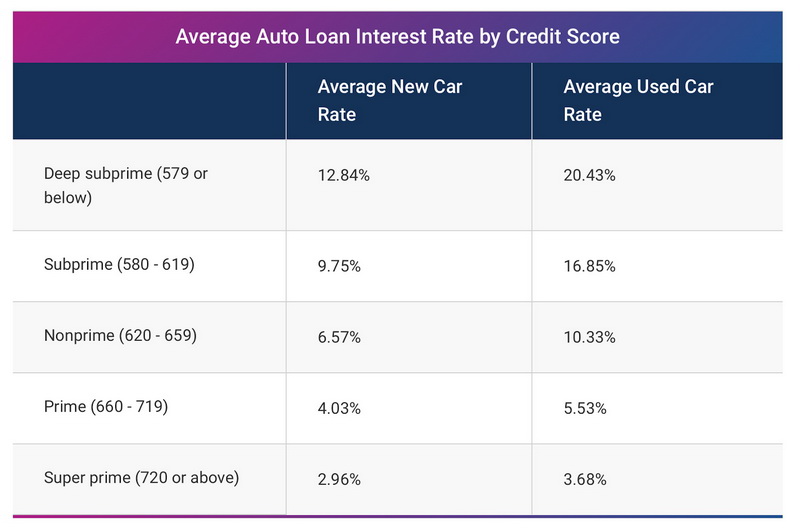
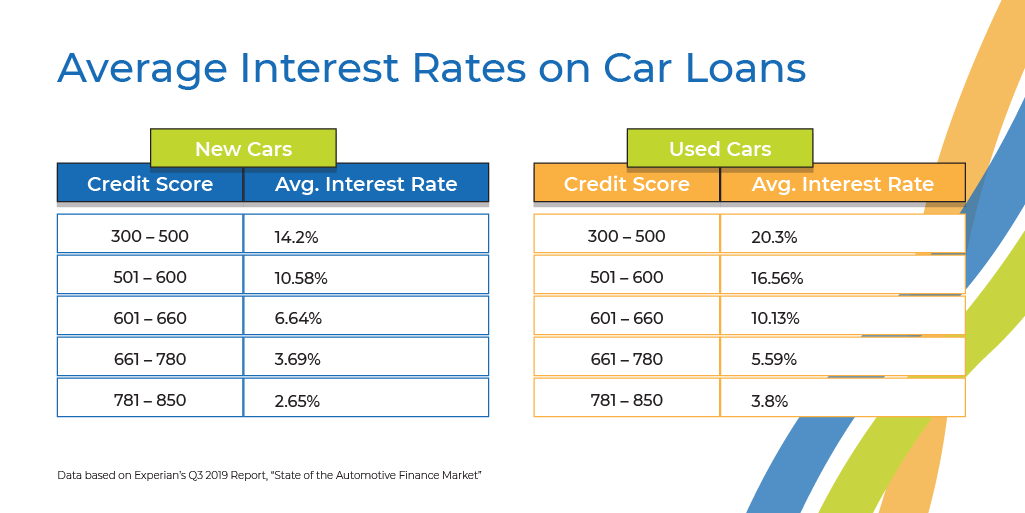
As of the current market cycle, “good” rates for new cars typically hover between 5% and 7% for those with excellent credit, while used car rates are generally 1% to 3% higher. However, these figures can shift quarterly. Staying informed about the current prime rate is the first step in recognizing a fair offer from a predatory one.
New vs. Used Vehicle Rates
Lenders consistently offer lower interest rates for new vehicles compared to used ones. This is primarily due to the “collateral value.” A new car is easier to value and carries less risk of mechanical failure that might lead a borrower to default. Furthermore, manufacturers often provide subsidized financing—sometimes as low as 0% or 1.9%—to move inventory.
Used cars, while more affordable in terms of purchase price, carry higher interest rates because their resale value is more volatile. A “good” rate for a used car might be 8%, which would be considered quite high for a brand-new model. Understanding this distinction prevents you from comparing apples to oranges during your research.
Key Factors That Determine Your Specific Rate
While market averages provide a baseline, your personal financial profile is the primary driver of the rate you are actually offered. Lenders use a variety of metrics to assess the risk of lending to you, with your credit score sitting at the top of the hierarchy.
Credit Scores and Tiers
Lenders categorize borrowers into “tiers” based on their FICO or VantageScore. These tiers typically include:
-
Superprime (780–850): These borrowers receive the absolute best rates available. If you fall into this category, any rate significantly above the national average for new cars is likely a poor deal.
-
Prime (660–779): Most consumers fall here. You will still qualify for competitive rates, though you may not get the “0% APR” promotional deals reserved for Superprime borrowers.
-
Nonprime (601–659) and Subprime (500–600): Borrowers in these tiers will see a sharp increase in interest rates. A “good” rate for a subprime borrower might be 12% to 15%, simply because the alternative options might exceed 20%.
-
Deep Subprime (Below 500): Financing at this level is expensive and often requires specialized lenders.
Improving your credit score by even 30 points before applying can move you into a higher tier, potentially saving you thousands of dollars over the life of the loan.
Loan Term Length
The duration of your loan—the “term”—also dictates your interest rate. Generally, the longer the loan, the higher the rate. A 36-month loan will almost always have a lower APR than a 72-month or 84-month loan. Lenders charge more for longer terms because they are exposed to risk for a longer period, and the vehicle’s value may drop below the loan balance (being “underwater”) more quickly.
While a 72-month loan offers lower monthly payments, the higher interest rate and the extended time for interest to accrue mean you will pay significantly more in total. A “good” strategy is to aim for the shortest term you can comfortably afford, ideally 60 months or fewer.
Debt-to-Income Ratio (DTI)
Even with a high credit score, a lender may offer a higher rate or deny a loan if your Debt-to-Income ratio is too high. This ratio measures how much of your monthly gross income goes toward paying debts. If you are already heavily leveraged with student loans, mortgages, or credit card debt, lenders view you as a higher risk, which is reflected in the interest rate.
How to Secure the Best Possible Rate
Securing a good rate is an active process that requires preparation and negotiation. You should never walk into a dealership without a benchmark in hand.
The Importance of Pre-Approval
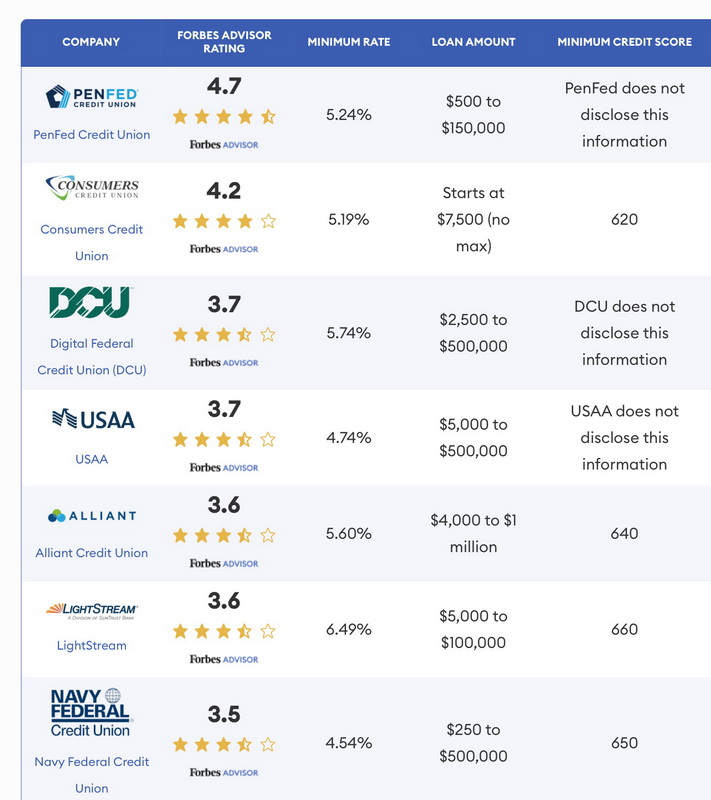
The most effective way to determine what a good rate looks like for you is to get pre-approved by an external lender before visiting the dealership. Credit unions are renowned for offering some of the lowest rates in the industry because they are member-owned, non-profit entities. Traditional banks and online lenders are also excellent sources for comparison.
Having a pre-approval letter serves two purposes: it gives you a firm ceiling on what you should pay for interest, and it forces the dealership’s finance department to compete for your business. If you have a pre-approval for 6%, and the dealer offers 8%, you have the leverage to ask them to beat your 6% rate.
The Role of the Down Payment
A substantial down payment reduces the “Loan-to-Value” (LTV) ratio. If you are financing 100% of the car’s value (or more, including taxes and fees), the lender is at high risk if they have to repossess and sell the car. By putting down 20% or more, you decrease the lender’s risk exposure, which can often result in a lower interest rate offer. Furthermore, a smaller loan amount means you pay interest on a smaller principal, compounding your savings.
Avoiding “Add-ons” in the Finance Office
Sometimes, a lender might offer a “good” interest rate but condition it on the purchase of back-end products like GAP insurance, extended warranties, or tire protection plans. It is crucial to evaluate the interest rate independently of these products. These add-ons are often marked up significantly at the dealership and can be rolled into the loan, meaning you pay interest on the warranty itself. Always ask for the “buy rate”—the actual interest rate the lender approved you for before the dealer added their commission or “spread.”
Beyond the Percentage: The Total Cost of Borrowing
A common mistake in personal finance is focusing solely on the monthly payment or the interest rate percentage while ignoring the total cost of ownership. To truly understand if a rate is good, you must look at the math behind the amortization.
Simple Interest vs. Compound Interest
Most auto loans use “simple interest,” calculated daily based on the remaining balance of the loan. This is beneficial for the borrower because as you pay down the principal, the amount of interest you owe decreases. To maximize the “goodness” of your rate, you can make bi-weekly payments or round up your monthly payment. These extra payments go directly toward the principal, effectively reducing the total interest paid and shortening the life of the loan.
The “Rule of 72” and Depreciation
Cars are depreciating assets. A “good” interest rate helps you stay ahead of the depreciation curve. If you have a high interest rate on a long-term loan, you might find yourself in a situation where you owe $20,000 on a car that is only worth $12,000. This “negative equity” becomes a major financial hurdle if you need to sell the car or if it is totaled in an accident. A truly good interest rate is one that allows your equity in the vehicle to grow faster than the car’s value declines.
When to Refinance Your Car Loan
If you didn’t get a good rate when you first bought your car, you aren’t necessarily stuck with it for the next five years. Refinancing is a powerful financial tool that can correct a high-interest mistake.
Improving Your Financial Profile
If you bought your car during a period of poor credit and have since spent 12 to 18 months making on-time payments and reducing other debts, your credit score has likely improved. You may now qualify for a rate that is several percentage points lower than your original loan. Refinancing to a lower rate can save you hundreds of dollars a year in interest alone.
Shifting Market Conditions
If the Federal Reserve cuts interest rates significantly after you have taken out a loan, it may be worth looking into refinancing even if your credit score has stayed the same. However, always be wary of fees associated with closing the old loan and opening the new one. Ensure the “break-even” point—the time it takes for the interest savings to outweigh the costs of refinancing—makes sense for your timeline.
Summary: Defining Your Target Rate
A good interest rate for a car loan is one that aligns with your credit profile, reflects current market realities, and fits within a total financial plan that prioritizes building equity. For a Superprime borrower, a good rate is anything near the national minimums (currently 5-6%). For a Subprime borrower, a good rate is the lowest one available that doesn’t involve predatory terms, often found through credit unions or specialized community banks.
The key to financial success in auto lending is education and preparation. By checking your credit, getting pre-approved, and understanding the impact of loan terms, you transform the car-buying process from a stressful negotiation into a calculated financial decision. Remember, the best rate isn’t just the one the dealer tells you is “great”—it’s the one you’ve verified through research and competition.
aViewFromTheCave is a participant in the Amazon Services LLC Associates Program, an affiliate advertising program designed to provide a means for sites to earn advertising fees by advertising and linking to Amazon.com. Amazon, the Amazon logo, AmazonSupply, and the AmazonSupply logo are trademarks of Amazon.com, Inc. or its affiliates. As an Amazon Associate we earn affiliate commissions from qualifying purchases.