
For decades, the trajectory of human civilization has been inextricably linked to the tools we create. From the steam engine to the silicon chip, every leap forward has prompted a mixture of awe and apprehension, leading many to look at the horizon and exclaim, “What a fate.” Today, as we stand at the precipice of the Artificial Intelligence (AI) revolution, that sentiment has never been more relevant. We are no longer merely using tools; we are building systems that think, learn, and potentially outpace the cognitive boundaries of their creators. This article explores the technological destiny we are currently forging, examining how AI, automation, and digital integration are redefining the human experience.

The Silicon Oracle: How Algorithmic Determinism Shapes Our Future
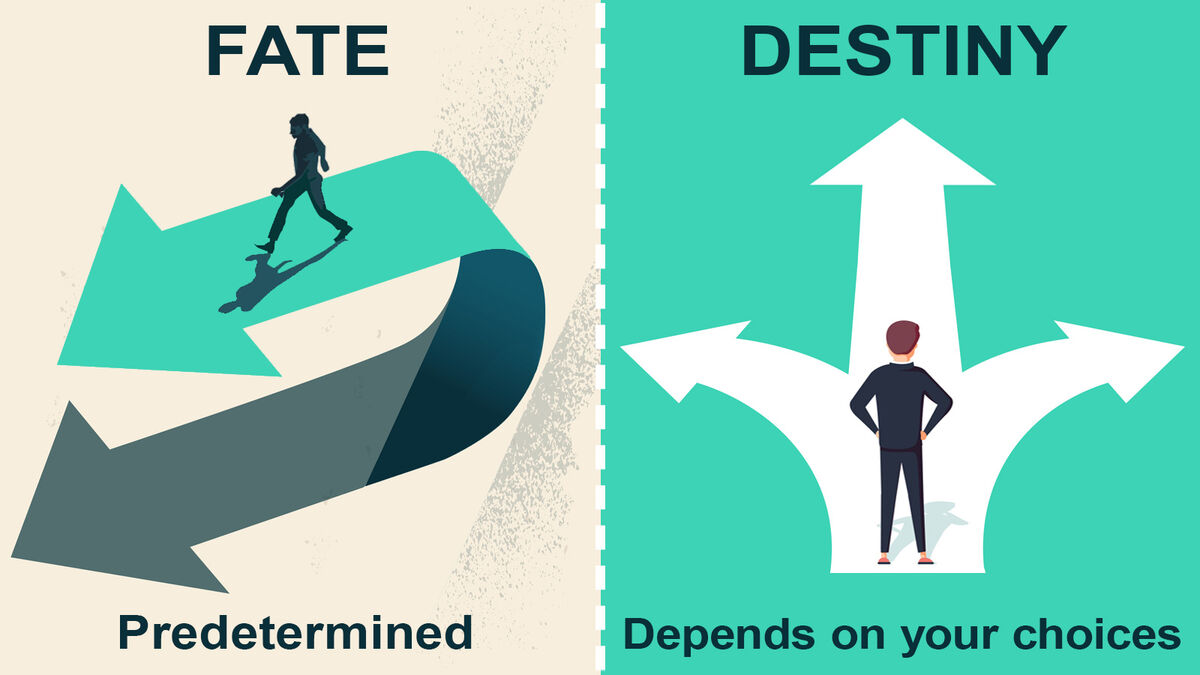
The concept of “fate” traditionally implies a predetermined course of events. In the modern tech landscape, this role is increasingly played by algorithms. From the content we consume on social media to the credit scores that determine our financial mobility, invisible lines of code are making decisions that once required human intuition.
From Choice to Calculation: The Shift in Decision-Making
In the past, human decision-making was a messy process of trial, error, and gut feeling. Today, we have entered the era of data-driven certainty. Large Language Models (LLMs) and predictive analytics have reached a point where they can anticipate consumer needs before the consumer is even aware of them. While this offers unprecedented convenience, it also raises questions about agency. If an algorithm determines what news we read, what products we buy, and which professional paths we should follow, to what extent are we still the masters of our own fate? The “fate” of the modern individual is increasingly a reflection of their digital footprint, processed through the lens of a machine-learning model.
The Black Box Dilemma: Transparency in an Automated World
As we delegate more authority to AI, we encounter the “Black Box” problem—the reality that even the developers of advanced neural networks cannot always explain exactly how a specific output was reached. This lack of transparency introduces a new kind of technological fatalism. When an AI denies a loan application or flags a medical scan, the “fate” of the subject is decided by a logic that is technically sound but humanly inscrutable. For technology to be a tool of empowerment rather than one of digital destiny, we must prioritize explainable AI (XAI) and rigorous ethical frameworks that ensure human oversight remains a fundamental component of the system.
The Fate of Labor: Redefining Value in the Age of Autonomy
Perhaps the most visceral reaction to the phrase “what a fate” comes from the global workforce. The rapid advancement of generative AI has sent shockwaves through industries ranging from software development to the creative arts. The destiny of human labor is being rewritten in real-time.
The Displacement Myth vs. The Evolution Reality
History shows that technology rarely destroys work; instead, it transforms it. However, the speed of the current AI transition is unprecedented. In previous industrial revolutions, workers had generations to adapt. Today, skills can become obsolete in a matter of months. The “fate” of the worker in the 21st century is not necessarily one of displacement, but of constant evolution. We are moving toward a “Centaur” model of productivity, where the most successful individuals are those who can effectively partner with AI to augment their own capabilities. The value of a human worker is shifting from the ability to execute tasks to the ability to direct and refine machine-generated output.
Upskilling as a Survival Strategy
To survive this technological shift, the focus must move toward “durable skills”—critical thinking, emotional intelligence, and complex problem-solving. While AI can draft an article or debug code, it lacks the contextual nuance and ethical reasoning inherent to human experience. The technological fate of the workforce depends on our ability to integrate AI as a co-pilot. Educational systems and corporate training programs are being forced to pivot, emphasizing AI literacy as a foundational requirement for the modern professional. In this context, our fate is not something that happens to us, but something we actively build by mastering the very tools that threaten to replace our routine tasks.

Digital Sovereignty: Guarding the Individual Against Machine Logic
As our physical and digital lives merge, the concept of “fate” takes on a more personal dimension. Our data—the digital DNA of our existence—is being harvested, analyzed, and sold. This has led to a growing movement toward digital sovereignty, where individuals and nations seek to reclaim control over their technological destiny.
Data Privacy and the Ethics of Predictive Modeling
The predictive power of modern tech is a double-edged sword. On one hand, it allows for personalized medicine and hyper-efficient cities. On the other, it enables a level of surveillance and behavioral manipulation that was once the stuff of science fiction. The “fate” of our privacy is currently being debated in the halls of government and the boardrooms of Big Tech. Regulations like the GDPR in Europe and various emerging AI acts are attempts to ensure that technology serves humanity, rather than the other way around. Digital sovereignty is about ensuring that an individual’s future is not a commodity to be traded by data brokers.
Reclaiming the Human Narrative in a Synthetic Landscape
With the rise of deepfakes and AI-generated content, the “fate” of truth itself is at stake. In a world where reality can be synthesized, the value of authenticity becomes paramount. We are seeing a technological counter-culture emerge—one that prizes “proof of personhood” and uses blockchain or cryptographic signatures to verify the origin of information. Navigating this landscape requires a new kind of digital discernment. Our technological fate depends on our ability to maintain a shared reality in the face of hyper-personalized, AI-curated bubbles.
The Convergence of Biology and Bits
Looking further into the future, the “fate” of humanity may involve a literal merging with our technology. We are no longer limited to external gadgets; we are beginning to explore the integration of technology directly into the human biological system.
Neural Interfaces and the Next Evolution
Companies like Neuralink and various bio-hacking communities are exploring the frontier of Brain-Computer Interfaces (BCIs). The goal is to facilitate a direct link between human thought and digital processing. What a fate it would be to transcend the limitations of human memory and processing speed. While still in its infancy, this technology suggests a future where the line between “user” and “tool” is completely erased. This evolution could provide solutions for neurological disorders, but it also opens a Pandora’s box of ethical concerns regarding identity and cognitive liberty.
Ethical Guardrails for a Transhumanist Future
If we are to move toward a future where technology is an internal component of our biology, we must establish rigorous ethical guardrails. The “fate” of our species may depend on ensuring that these advancements are accessible to all, rather than creating a new biological divide between the “enhanced” and the “unenhanced.” The conversation about our technological destiny must be inclusive, considering the long-term implications of our current innovations on the very definition of what it means to be human.
Conclusion: Architecting a Fate by Design, Not Default
The phrase “what a fate” can be an expression of despair or a cry of wonder. As we analyze the current state of technology, it is clear that our destiny is not yet written in stone. While algorithms, AI, and automation are powerful forces, they are still products of human ingenuity.
Our technological fate is a choice. It is a choice to build AI that is transparent and ethical. It is a choice to reform our education and economic systems to support a transitioning workforce. It is a choice to protect our digital sovereignty and maintain our grip on reality. By taking a proactive, design-led approach to technological development, we can ensure that the fate of the digital age is one of unprecedented flourishing rather than automated obsolescence. We are the architects of this new world; it is up to us to ensure that the fate we create is one worth living.
aViewFromTheCave is a participant in the Amazon Services LLC Associates Program, an affiliate advertising program designed to provide a means for sites to earn advertising fees by advertising and linking to Amazon.com. Amazon, the Amazon logo, AmazonSupply, and the AmazonSupply logo are trademarks of Amazon.com, Inc. or its affiliates. As an Amazon Associate we earn affiliate commissions from qualifying purchases.