
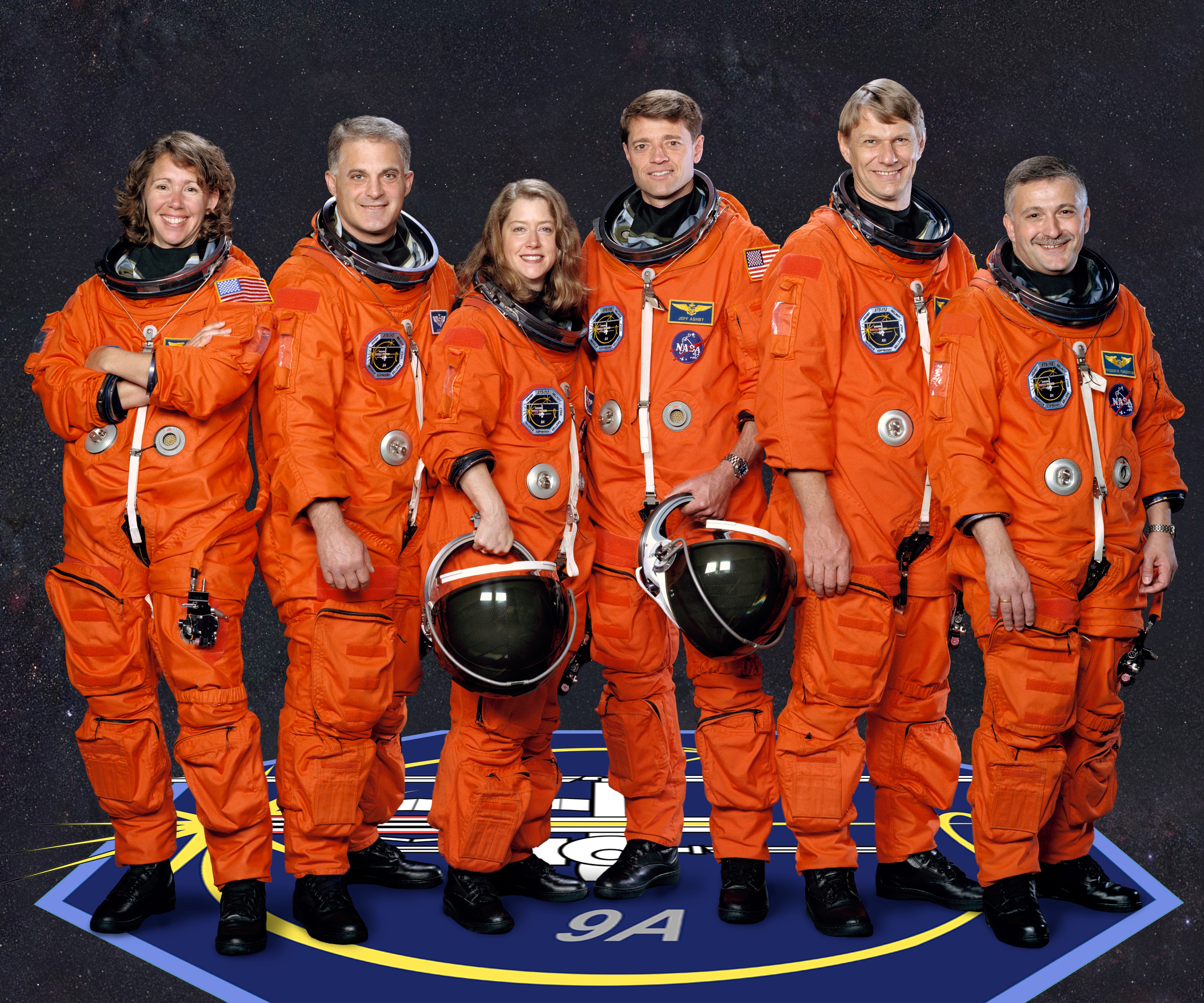
In the rapidly evolving landscape of artificial intelligence, the industry is witnessing a profound transition. We have moved beyond the era of isolated, single-prompt interactions toward a sophisticated paradigm of collaborative intelligence. The phrase “what a crew” no longer refers exclusively to a group of talented human professionals; today, it increasingly describes a “crew” of autonomous AI agents working in concert to solve complex, multi-layered problems. This shift from simple Large Language Models (LLMs) to agentic workflows represents the next great leap in technology, promising to redefine how software is built, how businesses operate, and how digital security is maintained.
The Architecture of Collaboration: How AI Agents Form a “Crew”
At its core, a multi-agent system is a computerized system composed of multiple interacting intelligent agents. While a single AI agent can process information and generate text, a “crew” of agents leverages specialized roles to achieve a common goal. This architectural shift mimics the organizational structure of a high-performing human team, where different members bring unique expertise to the table.
From Large Language Models to Autonomous Agents
To understand the power of an AI crew, one must first distinguish between a standard LLM and an autonomous agent. A standard LLM acts as a sophisticated engine; it requires a driver (the human) to provide every turn and gear shift via prompts. In contrast, an autonomous agent is equipped with “agency”—the ability to use tools, access the internet, browse files, and make iterative decisions based on a set of objectives. When multiple such agents are networked together, they form a crew capable of self-correction and task delegation, drastically reducing the need for constant human intervention.
Task Decomposition and Role Assignment
The secret to the success of these digital crews lies in task decomposition. Instead of asking one general-purpose AI to “write a full-stack application,” a multi-agent framework breaks the request into granular components. One agent acts as the Project Manager, defining the scope; another acts as the Senior Developer, writing the code; a third serves as the QA Engineer, testing for bugs; and a fourth functions as the DevOps specialist, managing deployment. By assigning specific roles and constraints to each agent, the system minimizes “hallucinations” and ensures that each part of the project is handled by a specialist entity.
Key Players and Frameworks Shaping the Ecosystem
The rise of the AI crew has been accelerated by the development of specialized frameworks designed to orchestrate these complex interactions. These tools provide the “nervous system” for agentic collaboration, allowing for seamless communication and state management across different AI entities.
Frameworks for Orchestration: CrewAI and LangGraph
Among the most influential tools in this space is CrewAI, a framework specifically designed to facilitate the “crew” mentality. CrewAI allows developers to define agents with distinct backstories, goals, and tools, then orchestrate their interaction in a process-driven manner. Similarly, LangGraph (an extension of the LangChain ecosystem) provides a way to create stateful, multi-agent applications by representing agent interactions as cycles in a graph. These frameworks are the foundational tech stacks for the next generation of enterprise software, moving away from static code toward dynamic, goal-oriented processes.
The Role of Memory and State Management
A crew is only as effective as its ability to remember what it has done. Advanced multi-agent systems utilize hierarchical memory structures. This includes “Short-term Memory” (context within a current task), “Long-term Memory” (learnings from previous executions stored in vector databases), and “Entity Memory” (specific details about the users or tools they interact with). By maintaining a consistent “state” across the entire crew, these systems ensure that the “Developer Agent” doesn’t repeat the mistakes that the “QA Agent” already identified, creating a streamlined loop of continuous improvement.
Real-World Applications: Where the “Crew” Outperforms the Individual

The practical application of multi-agent crews is already disrupting sectors that previously required significant manual labor and specialized technical oversight. In these environments, the synergy of the crew provides a level of depth that a single AI instance simply cannot match.
Automated Software Development Life Cycles (SDLC)
In the tech world, the “What a Crew” phenomenon is most visible in autonomous coding environments. Platforms like OpenDevin or GitHub’s emerging agentic features allow a team of agents to manage the entire SDLC. While the human lead provides the high-level requirements, the AI crew can browse existing repositories, identify dependencies, write unit tests, and even submit pull requests. This does not replace developers; rather, it elevates them to the role of “Conductors,” overseeing a digital orchestra that handles the repetitive, syntax-heavy heavy lifting of modern software engineering.
Complex Market Research and Data Analysis
Traditional data analysis often involves a linear process of gathering, cleaning, and interpreting data. An AI crew transforms this into a parallel process. One agent can be assigned to scrape real-time financial news, another to analyze historical volatility through a Python environment, and a third to synthesize these findings into a strategic report. Because these agents can communicate with one another—questioning each other’s assumptions and verifying sources—the final output is significantly more robust than a single-prompt summary, providing deep insights for tech-driven investment and product development.
Security, Governance, and the Ethics of Agency
As we empower these crews with more autonomy, the technical challenges regarding security and ethical governance become paramount. Giving an AI crew the ability to execute code and access sensitive databases requires a new framework for digital security.
Preventing Prompt Injection and Agent Loops
One of the primary technical risks in multi-agent systems is “Agentic Loops,” where agents get stuck in a recursive cycle of unproductive communication, consuming immense computational resources (and API costs). Furthermore, “indirect prompt injection” poses a threat; if an agent in the crew reads a malicious website, it could be “tricked” into compromising the other agents in the system. Securing these workflows requires the implementation of strict “guardrail” agents—specialized entities whose sole job is to monitor the communication logs of the rest of the crew to ensure compliance with safety protocols.
Human-in-the-Loop (HITL) Integration
A professional-grade AI crew is rarely left entirely to its own devices. The most effective tech implementations utilize a “Human-in-the-Loop” architecture. In this setup, the crew can operate autonomously up to a certain “confidence threshold.” If a decision involves a high-risk deployment or a significant expenditure, the system pauses and requests human validation. This hybrid model ensures that while the “crew” does the work, the human remains the ultimate authority, maintaining accountability and oversight in an increasingly automated world.
The Future of Tech: Toward a Multi-Agent Economy
Looking ahead, the “What a Crew” concept is set to expand beyond internal company workflows and into a broader multi-agent economy. In this future, different companies’ AI crews will interact with one another to negotiate contracts, purchase cloud credits, or coordinate cross-platform integrations.
Scalability and the Marginal Cost of Digital Labor
The most significant tech trend associated with AI crews is the radical reduction in the marginal cost of digital labor. Scaling a human team from five people to five hundred involves massive overhead, cultural friction, and logistical complexity. Scaling an AI crew from five agents to five hundred requires only additional compute power. For tech startups, this means the ability to build and maintain massive infrastructures with a lean human staff, focusing human creativity on innovation while the digital crew handles the operational execution.
Conclusion: Preparing for an Autonomous Future
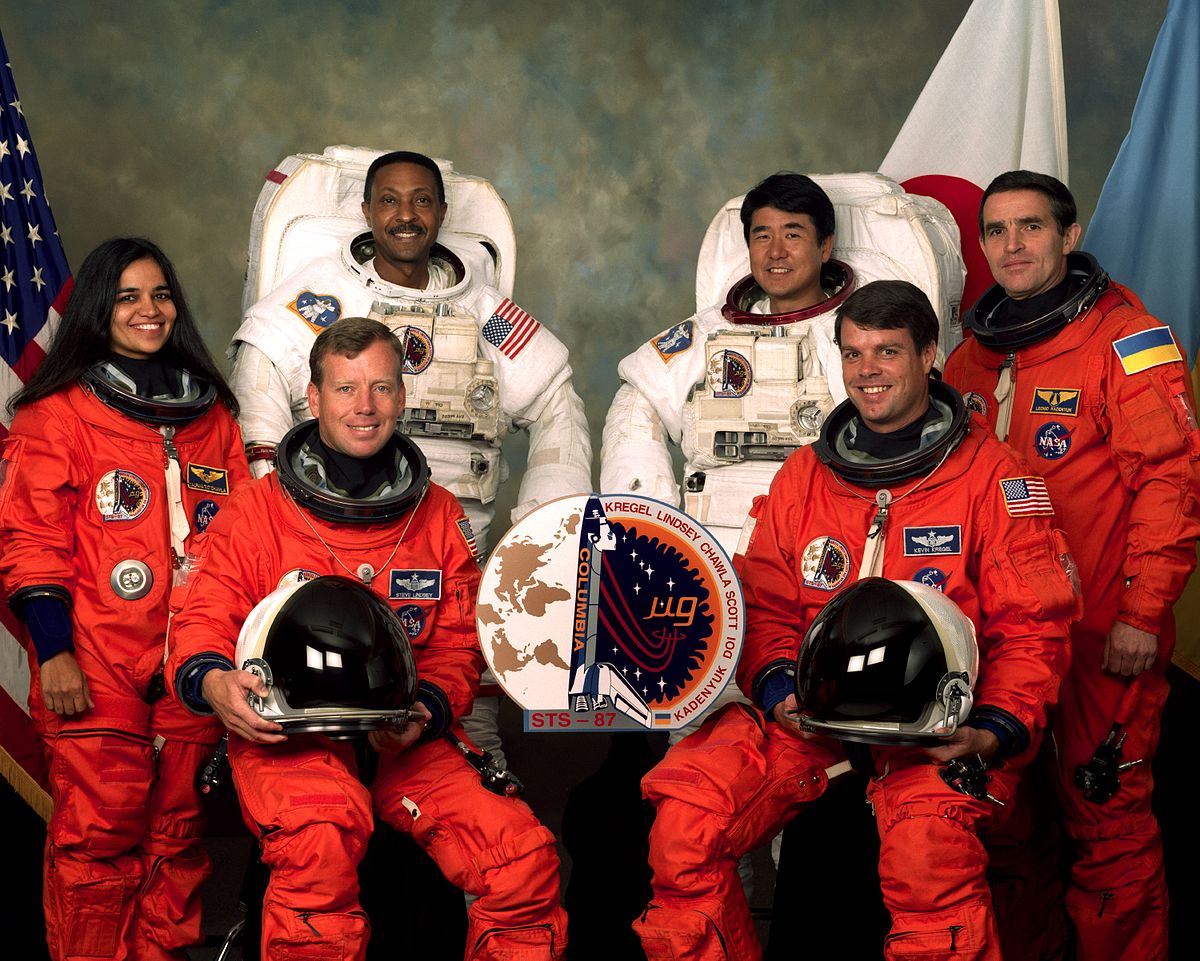
The emergence of the AI “crew” marks a departure from AI as a tool and the arrival of AI as a collaborator. For technology professionals, the challenge and opportunity lie in mastering the orchestration of these systems. We are moving toward a world where the most valuable skill isn’t just knowing how to code or how to prompt, but knowing how to manage a digital workforce. “What a crew” is no longer just a phrase of admiration for a human team—it is the blueprint for the next generation of technological advancement. By embracing multi-agent systems, we are unlocking a level of productivity and innovation that was previously confined to the realm of science fiction.
aViewFromTheCave is a participant in the Amazon Services LLC Associates Program, an affiliate advertising program designed to provide a means for sites to earn advertising fees by advertising and linking to Amazon.com. Amazon, the Amazon logo, AmazonSupply, and the AmazonSupply logo are trademarks of Amazon.com, Inc. or its affiliates. As an Amazon Associate we earn affiliate commissions from qualifying purchases.