
In the evolving landscape of digital marketing and content architecture, the most powerful tool in your arsenal is not a high-budget advertising campaign or a sophisticated algorithmic tweak. It is the humble conjunction—the structural glue that binds ideas, bridges consumer pain points to brand solutions, and guides the reader through the funnel of intent. In the realm of brand strategy, the words “and,” “but,” and “or” are not merely grammatical necessities; they are tactical instruments that define how a brand speaks, how it persuades, and ultimately, how it converts.
The Architecture of Brand Narrative
A brand is, at its core, a promise. To communicate that promise effectively, you must master the syntax of connection. A brand strategy that relies on disjointed statements fails to build authority. The conjunction serves as the narrative bridge that transitions a customer from their current state of frustration to their desired state of satisfaction.
Connecting Values to Value Propositions
Every successful brand operates at the intersection of identity and utility. Consider the classic “Feature vs. Benefit” trap. Many brands fail because they present features in isolation. When you use the word “and,” you are compounding the value, allowing the consumer to see the holistic impact of your offering.
For example, “Our software optimizes your workflow, and it saves you ten hours every week.” This is far more effective than two separate sentences. By joining these concepts, you create a seamless narrative of efficiency. The conjunction acts as an equalizer, ensuring that the feature (workflow optimization) is intrinsically linked to the benefit (time saved). When your brand consistently uses conjunctions to tether benefits to features, you cultivate a brand voice that feels cohesive, reliable, and inherently logical.
The Power of the Pivot
If “and” is the bridge, “but” is the pivot. In brand strategy, the “but” is essential for addressing the counter-narrative—the objections a prospect inevitably holds. A brand that ignores the customer’s skepticism is a brand that lacks empathy. By using “but” strategically, you demonstrate an understanding of the barrier, while simultaneously dismantling it.
“You might worry that migrating to a new platform will cause downtime, but our architecture ensures a seamless transition in under thirty minutes.”
This structure serves a dual purpose. It validates the user’s fear—building trust—and immediately pivots to a reassurance that positions the brand as the expert solution. In the context of corporate identity, this usage signals competence. It shows that the brand is not just shouting marketing slogans into the void, but is actively engaging with the reality of the user’s experience.
Rhetorical Velocity and Consumer Flow
The pace at which a consumer consumes your marketing copy dictates the likelihood of conversion. When sentences are choppy and fragmented, the reader’s mental energy is spent decoding the structure rather than absorbing the message. Conjunctions provide the “rhetorical velocity” necessary to keep the reader moving through your sales funnel.
Reducing Cognitive Friction
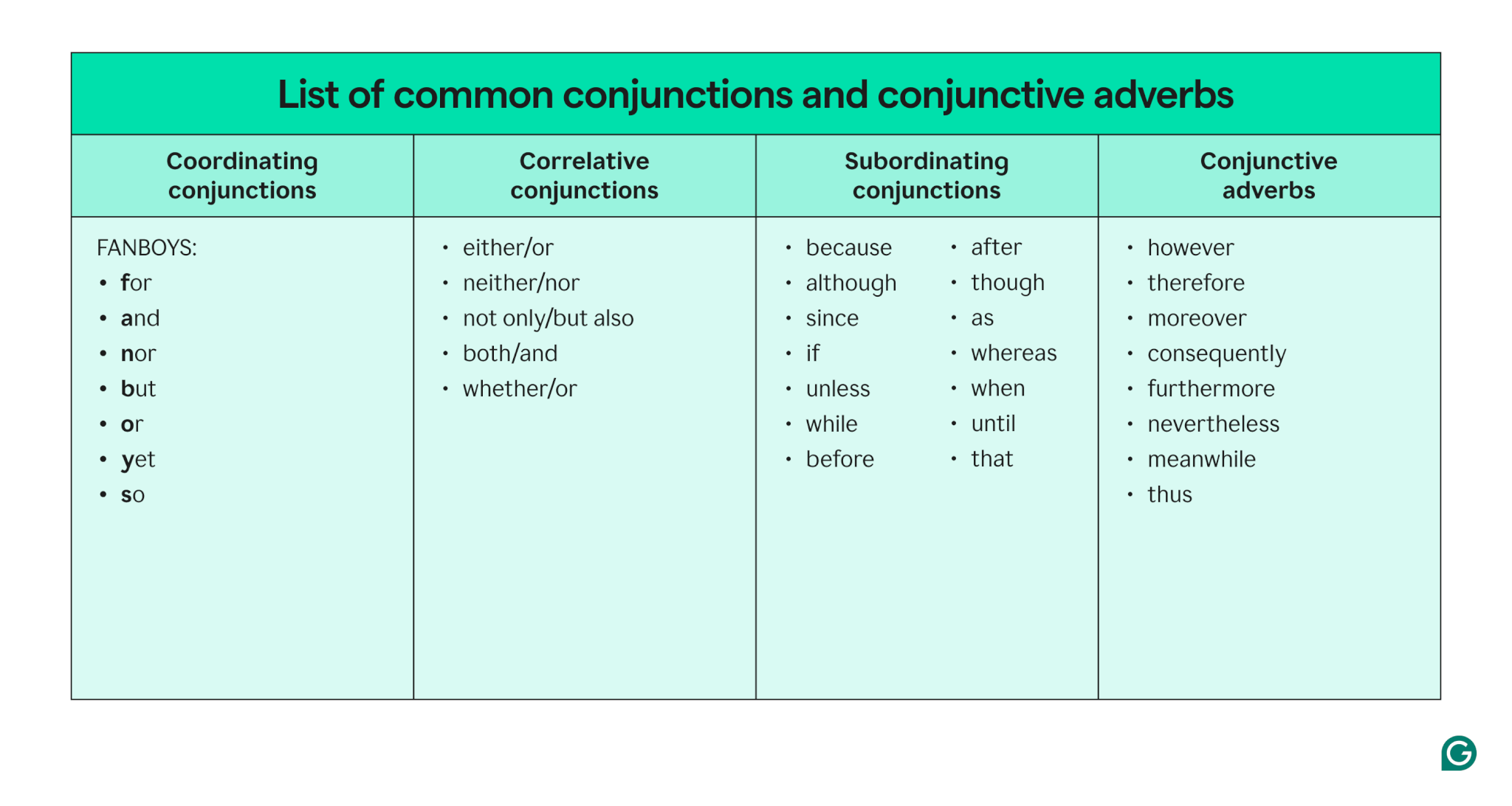
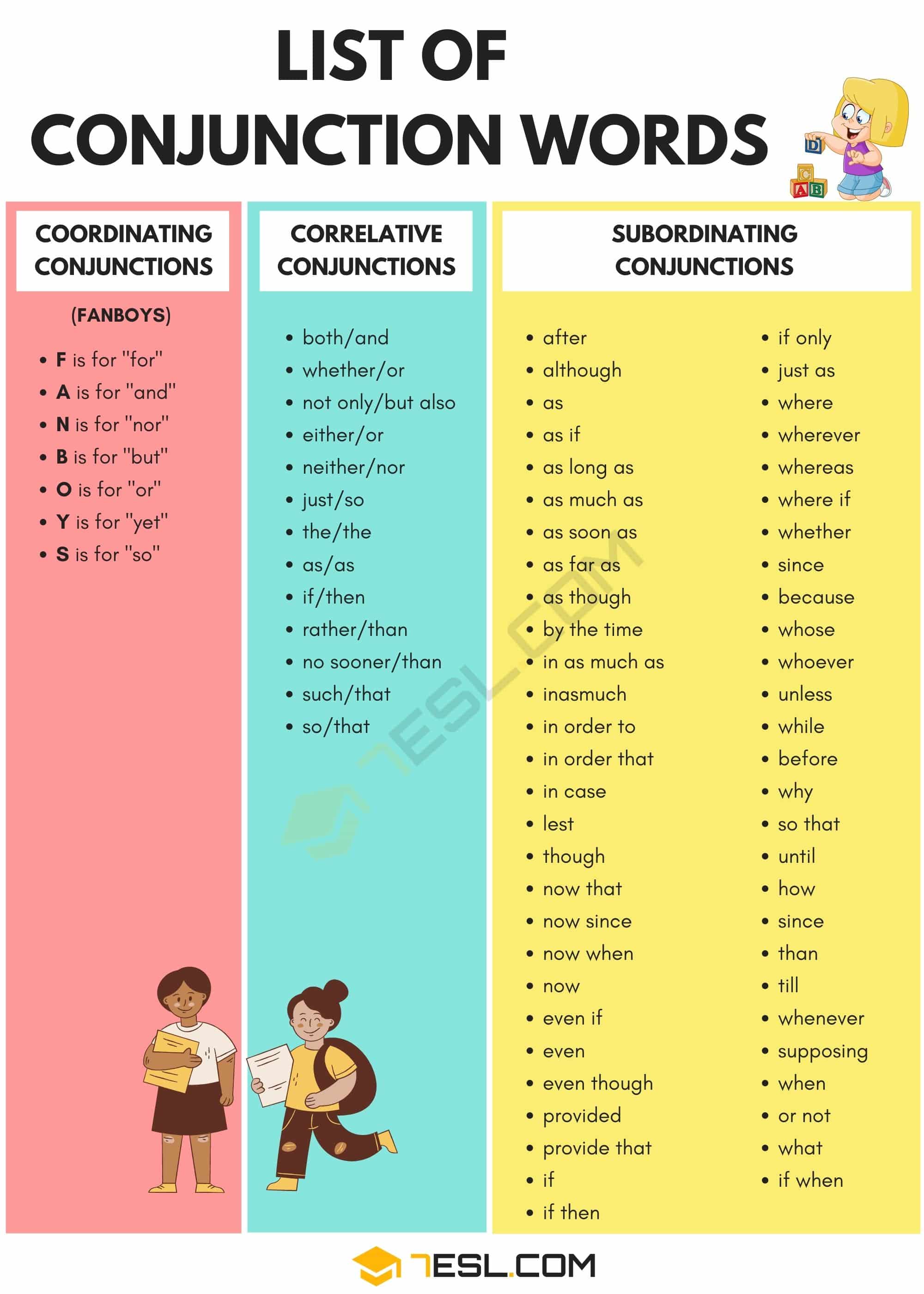
Cognitive friction is the silent killer of landing page conversion rates. If a reader has to pause at every period to reorient their thinking, they are far more likely to bounce. By utilizing coordinating conjunctions like “so” and “yet,” you create a rhythmic flow that mimics a natural conversation.
- “So” establishes causality: “You are tired of manual data entry, so we built an automation engine that handles the heavy lifting for you.”
- “Yet” introduces tension and resolution: “The market is flooded with generic solutions, yet our bespoke approach provides the nuance your business requires.”
These patterns are not just grammatical choices; they are psychological nudges. They lead the reader from problem to conclusion with minimal resistance. In the digital age, where attention spans are measured in seconds, this flow is the difference between a high bounce rate and a loyal brand advocate.
The “Or” Strategy: Guiding the Decision-Making Process
In branding, paralysis by analysis is a significant conversion blocker. When a prospect is presented with too many options without a clear path, they usually choose to do nothing at all. This is where the disjunctive “or” becomes a strategic tool for guidance.
“You can choose the standard plan for individual projects, or you can opt for the enterprise suite to scale your operations across your entire global team.”
By structuring your offerings with “or,” you are providing a binary choice that simplifies the user’s decision-making process. This framing does not just describe products; it architecturally directs the user toward the option that best fits their persona. It transforms the brand from a passive vendor into a consultant, providing a clear path forward that feels tailored and intentional.
Mastering the Brand Voice through Syntactic Control
Your brand voice is the personality that emerges from your communications. It is influenced by the cadence, the vocabulary, and, crucially, the way you connect your ideas. A brand that uses long, complex sentences joined by strings of conjunctions often projects a sense of academic depth or legacy authority. Conversely, a brand that favors short, punchy, declarative statements—or sentences linked by sharp, single conjunctions—projects agility, speed, and modern disruption.
The Psychology of Sentence Length
The way you use conjunctions impacts how the audience perceives your corporate identity. If you are a startup in the AI space, you want your brand to feel fast and sharp. You might limit the use of long-form coordinating conjunctions in favor of brevity. However, if you are a consultancy firm dealing with complex financial regulations, your brand voice might benefit from more sophisticated, layered sentences that connect multi-faceted ideas into a single, cohesive argument.
The conjunction is the primary variable in controlling this tempo. It allows you to expand the complexity of your messaging without losing the reader’s attention. By mastering the frequency and placement of these connectors, you exert total control over the tone of your brand voice, ensuring that it remains consistent across emails, social media, and long-form white papers.
Cohesion and Brand Consistency
One of the greatest challenges in scaling a brand is maintaining a consistent voice across a global team. When you have multiple writers and designers creating content, brand identity often starts to fray. Developing a style guide that dictates how your team uses conjunctions—or even how they avoid them—is an often-overlooked aspect of brand governance.
For instance, a brand that enforces the “one thought per sentence” rule might explicitly ban certain types of compound-complex sentences. Another brand might require the use of “and” as a standard way to link customer pain points to product features to ensure every piece of content remains benefit-focused. This level of syntactic discipline ensures that no matter who writes the copy, the brand’s voice feels like it is emanating from a single, unified identity.

The Future of Conjunctions in AI-Driven Branding
As we look toward the future of digital marketing, the role of linguistic structure in branding is changing. With AI generating vast amounts of content, the brands that stand out will be the ones that prioritize human-centric rhythm and flow. AI often defaults to predictable, repetitive structures. By consciously mastering the use of conjunctions to create dynamic, surprising, and empathetic sentence structures, you can elevate your brand above the noise of automated, soulless content.
In conclusion, the conjunction is the silent hero of your brand strategy. It provides the flow that keeps customers engaged, the pivots that resolve their doubts, and the architecture that structures your value proposition. Whether you are building a personal brand or refining a corporate identity, the next time you draft a headline or a mission statement, look closely at how your ideas are joined together. You may find that by adjusting a single conjunction, you don’t just change the grammar—you change the way your audience perceives your entire business.
aViewFromTheCave is a participant in the Amazon Services LLC Associates Program, an affiliate advertising program designed to provide a means for sites to earn advertising fees by advertising and linking to Amazon.com. Amazon, the Amazon logo, AmazonSupply, and the AmazonSupply logo are trademarks of Amazon.com, Inc. or its affiliates. As an Amazon Associate we earn affiliate commissions from qualifying purchases.