
In the world of brand strategy and corporate identity, the beginning is often characterized by the excitement of discovery, and the middle is defined by the rigor of development. However, the conclusion—the final touchpoint of a brand story, a marketing campaign, or a strategic pitch—is where the actual value is solidified. A conclusion in branding is not merely an ending; it is a synthesis of promise and proof. It is the moment where a brand transitions from being a set of ideas into a living experience for the consumer.

What a conclusion should have, from a brand perspective, is a calculated balance of emotional resonance, strategic clarity, and a roadmap for future engagement. Whether you are finalizing a comprehensive brand guidelines document or closing out a multi-channel marketing campaign, the conclusion must serve as the bridge between the audience’s current state and their future loyalty.
1. The Strategic Synthesis: Reaffirming the Brand Promise
A high-level brand conclusion must first act as a master summary that reinforces the core identity. In the noise of modern markets, consumers and stakeholders often lose sight of the “why” behind a brand. The conclusion’s primary job is to distill complex strategies into a singular, undeniable truth.
Reaffirming the Core Identity
The final section of any brand presentation or strategy should return to the mission and vision statements. However, it should not just repeat them; it should validate them through the lens of the evidence presented earlier. If a brand claims to be “the most sustainable choice in footwear,” the conclusion should tie the technical innovations and supply chain transparency discussed in the body of the work back to that central promise. This creates a “full-circle” narrative that makes the brand feel cohesive and dependable.
Connecting the Problem to the Solution
Effective branding is essentially problem-solving. A successful conclusion must remind the audience of the pain points—whether functional or emotional—that the brand was designed to address. By summarizing how the brand’s unique value proposition (UVP) alleviates these specific challenges, the conclusion reinforces the brand’s necessity. This is where the transition from “what we do” to “why we matter” happens.
2. The Emotional Resonance: Leveraging the Peak-End Rule
In behavioral psychology, the “Peak-End Rule” suggests that people judge an experience largely based on how they felt at its peak and at its end, rather than the total sum of every moment of the experience. In branding, this means that the conclusion of a brand interaction—be it an unboxing experience, a digital checkout, or a brand film—has a disproportionate impact on long-term brand equity.
The Psychology of Recency and Retention
What a conclusion should have is a “parting gift” for the mind. This doesn’t have to be a physical item; it is often a feeling of empowerment, security, or belonging. When a brand strategy concludes by focusing on the customer’s journey and their ultimate success, it taps into the recency effect. This ensures that the most recent memory a consumer has of the brand is one of value and positive emotion, which is the strongest driver of word-of-mouth marketing.
Crafting the Final Visual and Verbal Hook
The visual and verbal “closer” of a brand identity is just as important as the logo itself. Think of iconic taglines that appear at the very end of an advertisement. These are not afterthoughts; they are the distillation of the brand’s soul. A strong conclusion should feature a final visual or a concluding statement that encapsulates the brand’s personality. Whether it is a minimalist logo reveal or a bold, provocative call to action, this final element must be designed to linger in the audience’s subconscious.
3. The Call to Transformation: Moving Beyond the Simple CTA
Standard marketing often settles for a “Call to Action” (CTA) like “Buy Now” or “Sign Up.” However, a sophisticated brand strategy conclusion aims for a “Call to Transformation.” It shifts the focus from a transactional relationship to a relational one, inviting the consumer to participate in a shared identity or a larger movement.
From Transactional to Relational Engagement
What a conclusion should have is a clear pathway for the customer to become an advocate. Instead of merely ending the interaction at the point of sale, a brand conclusion should outline the next steps for community involvement. This might include invitations to exclusive loyalty tiers, social media communities, or early access programs. By concluding with an invitation rather than a demand, the brand builds a sense of exclusivity and partnership.
Defining the Path Forward
For corporate branding and internal strategy, the conclusion must provide a clear “What Now?” for stakeholders. A brand strategy that leaves employees or investors wondering how to execute the vision has failed. Therefore, the conclusion should include a high-level roadmap of the next 90 days of the brand’s evolution. It should define the immediate priorities, the key performance indicators (KPIs) for the next phase, and the long-term milestones that will signal the brand’s success.
4. Measurement and Evolution: The Conclusion as a New Beginning
In the digital age, a brand is never truly “finished.” The conclusion of one campaign is the data-gathering phase for the next. A professional brand conclusion must therefore address the metrics of success and the mechanisms for iteration.
Success Metrics and Brand KPIs
A strategic conclusion should define what “winning” looks like. This involves identifying specific brand health metrics such as Net Promoter Score (NPS), brand awareness levels, or customer lifetime value (CLV). By concluding with a focus on measurement, the strategy proves that the brand is not just an aesthetic exercise but a business asset designed to produce measurable ROI.
Iteration as a Brand Pillar
Finally, what a conclusion should have is an acknowledgment of the brand’s living nature. The best brand strategies conclude by emphasizing that the brand will grow, adapt, and learn from its audience. This “permanent beta” mindset allows the brand to remain relevant in a shifting marketplace. It signals to the audience that the brand is listening and is committed to continuous improvement. By framing the conclusion as a “Version 1.0” or a “New Chapter,” the brand maintains momentum rather than coming to a dead stop.

Conclusion: Securing the Brand Legacy
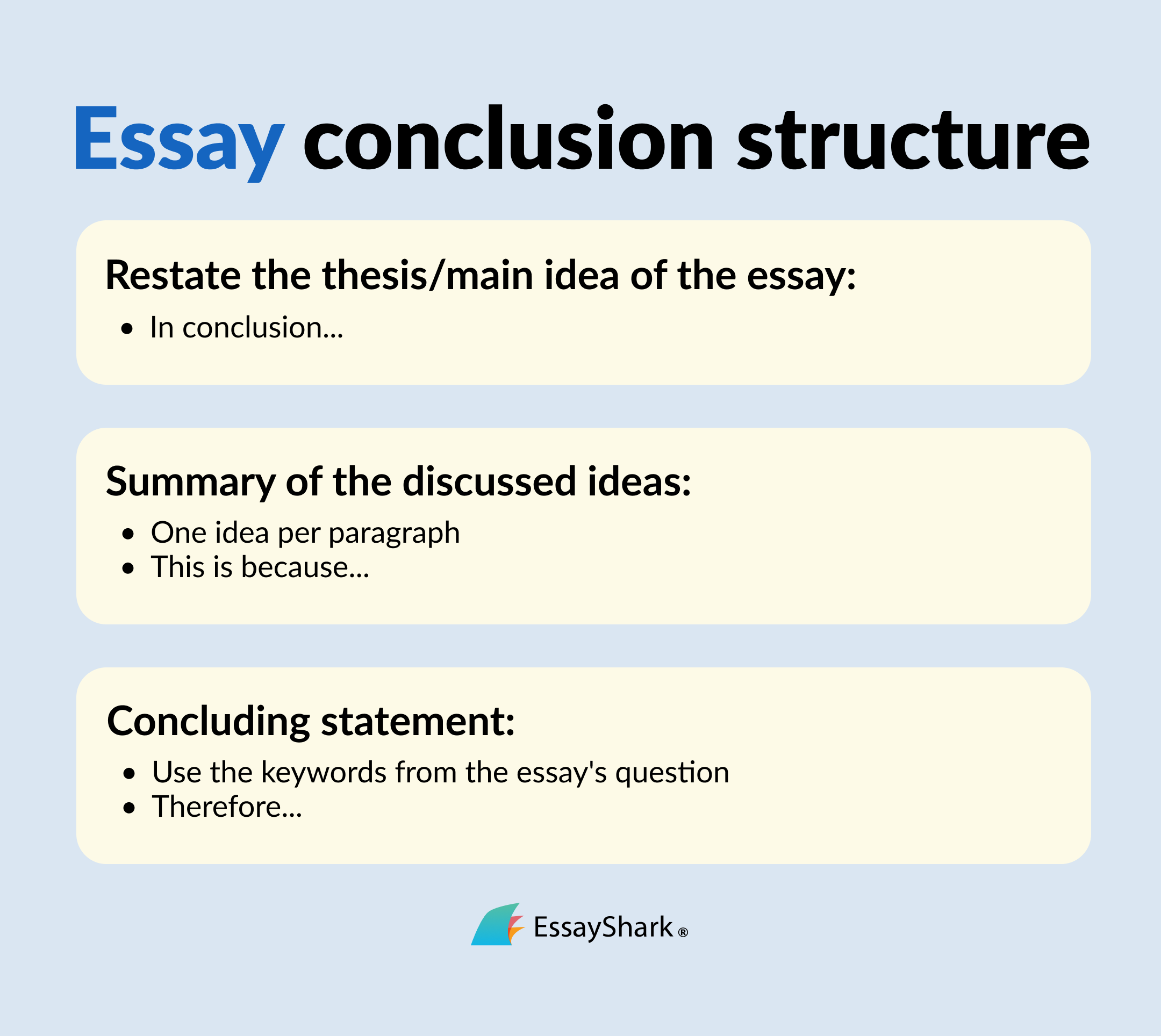
In summary, a conclusion in the context of brand strategy is the most critical tool for conversion and retention. It must synthesize the strategic objectives, evoke a strong emotional response, provide a transformative call to action, and set the stage for future growth.
What a conclusion should have, ultimately, is the power to make the brand’s presence felt long after the interaction has ended. It is the final brushstroke on the canvas that defines how the brand will be remembered. By focusing on these four pillars—Synthesis, Resonance, Transformation, and Evolution—marketers and brand strategists can ensure that their work doesn’t just end, but echoes. In the competitive landscape of the 21st century, the brand that knows how to close is the brand that will inevitably lead.
aViewFromTheCave is a participant in the Amazon Services LLC Associates Program, an affiliate advertising program designed to provide a means for sites to earn advertising fees by advertising and linking to Amazon.com. Amazon, the Amazon logo, AmazonSupply, and the AmazonSupply logo are trademarks of Amazon.com, Inc. or its affiliates. As an Amazon Associate we earn affiliate commissions from qualifying purchases.