
In an increasingly interconnected and digitized world, the seemingly simple act of “a battery charge” has become a cornerstone of our daily lives, quietly powering everything from the smartphones in our pockets to the global networks that facilitate modern commerce and communication. It’s far more than just replenishing a device’s power; it represents a convergence of cutting-edge technology, significant economic implications, and a critical component of brand identity and personal productivity. From the microscopic chemistry within a lithium-ion cell to the vast energy grids supporting our infrastructure, understanding “what a battery charge” truly entails reveals a complex ecosystem that touches upon every aspect of our existence, influencing how we work, play, connect, and invest. This exploration delves into the technological marvels that enable power, the financial currents it drives, and its profound impact on brand perception and even our personal well-being.
The Technological Core: Powering Our Digital Lives
At its heart, a battery charge is a technological phenomenon, a delicate dance of chemistry and physics harnessed to provide portable energy. The relentless march of innovation in this field is what allows our gadgets to become more powerful, our cars to go further, and our homes to become smarter. This foundation of energy storage is the bedrock upon which the entire digital revolution stands.
Evolution of Energy Storage: From Alkaline to Solid-State
For decades, the standard alkaline battery served us well, powering remote controls and flashlights with reliable if limited energy. However, the demands of portable electronics rapidly outpaced its capabilities. The advent of rechargeable nickel-cadmium (NiCd) and later nickel-metal hydride (NiMH) batteries offered a step-change, but it was the commercialization of lithium-ion (Li-ion) batteries in the early 1990s that truly revolutionized personal electronics. Li-ion batteries offered a superior energy density, meaning more power could be packed into a smaller, lighter package, alongside a longer cycle life. This innovation directly enabled the proliferation of laptops, smartphones, and ultimately, electric vehicles.
Today, the evolution continues at a breakneck pace. Researchers are constantly pushing the boundaries, exploring new chemistries and architectures. Solid-state batteries represent the next frontier, promising even higher energy densities, faster charging times, greater safety (eliminating flammable liquid electrolytes), and extended longevity. Beyond solid-state, other promising technologies like lithium-sulfur, magnesium-ion, and even exotic concepts like graphene and quantum batteries are in various stages of development. Each breakthrough not only enhances existing gadgets but also unlocks entirely new possibilities, driving down the size and increasing the power of wearable tech, advanced robotics, and sustainable energy grids. The quest for more efficient, safer, and longer-lasting energy storage is a perpetual engine of technological progress.
The Smart Charging Revolution: AI and Software Optimization
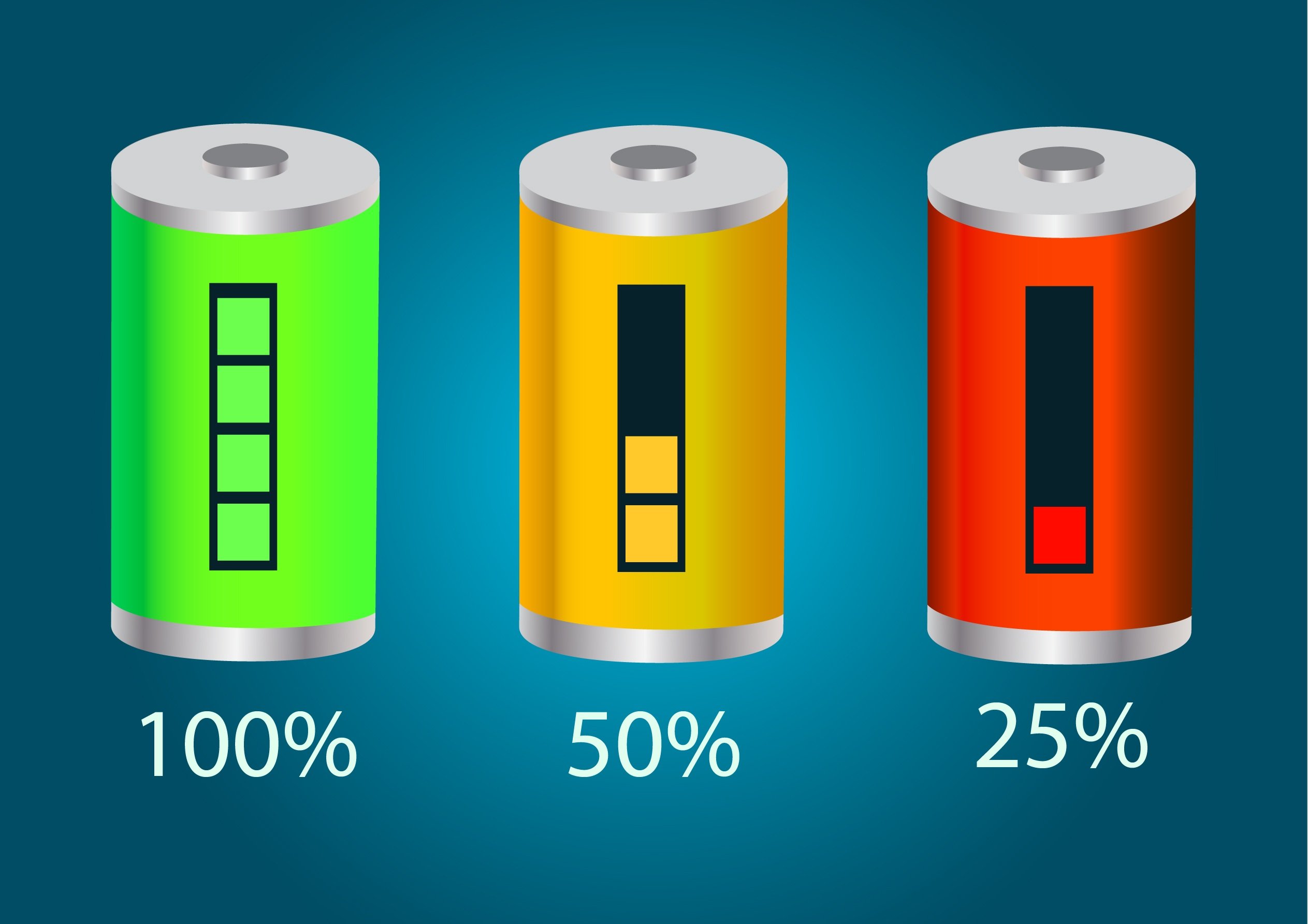
Charging a device is no longer just about plugging it into a wall. The concept of “smart charging” has emerged, leveraging sophisticated software algorithms and artificial intelligence (AI) to optimize the charging process, extending battery life and enhancing user experience. Modern smartphones and laptops, for instance, don’t always charge linearly to 100%. Instead, AI learns user patterns, often holding the charge at 80% and only completing it closer to when the device is typically unplugged. This minimizes the stress on the battery, as keeping a Li-ion battery at its peak charge for extended periods can accelerate degradation.
Furthermore, AI-driven charging extends beyond individual devices. In the realm of electric vehicles (EVs) and smart homes, AI can manage charging schedules based on electricity prices, grid demand, and renewable energy availability. This not only saves money for consumers but also contributes to grid stability and the integration of intermittent renewable sources like solar and wind power. Software solutions are also crucial for battery management systems (BMS) in large-scale applications, monitoring individual cell health, balancing loads, and predicting potential failures. This intelligent oversight transforms a simple “charge” into a highly optimized, dynamic process, ensuring both peak performance and extended longevity for our increasingly complex battery-powered world.
Security and Sustainability in Power Delivery
As our reliance on battery-powered devices grows, so too do concerns around security and sustainability. On the security front, digital security extends beyond data to the physical hardware that powers our lives. Vulnerabilities in connected charging infrastructure, smart plugs, or even integrated battery management systems could potentially be exploited, leading to device malfunction, data breaches, or even physical hazards. Secure charging protocols, encrypted communication between devices and chargers, and robust firmware updates are essential to mitigate these risks. The rise of public charging stations, especially for EVs, also necessitates careful consideration of cybersecurity, preventing “juice jacking” and ensuring data privacy.
From a sustainability perspective, the lifecycle of batteries presents both immense opportunities and significant challenges. While enabling renewable energy storage and electric transportation dramatically reduces carbon emissions, the extraction of raw materials like lithium, cobalt, and nickel can have environmental and social impacts. Moreover, the disposal of end-of-life batteries requires responsible recycling infrastructure to recover valuable materials and prevent hazardous waste from contaminating ecosystems. Innovators are actively pursuing more sustainable battery chemistries, improving recycling processes, and developing second-life applications for EV batteries in grid storage. A true “battery charge” in the modern era must account for its entire journey, from responsible sourcing to intelligent reuse and recycling, ensuring its positive impact far outweighs its environmental footprint.
The Economic Pulse: Batteries and the Bottom Line
Beyond its technological marvel, a battery charge resonates deeply within the economic landscape, influencing personal finance, shaping business strategies, and driving global investment trends. The energy stored within these cells represents both a personal asset and a monumental market force.
Personal Finance: Managing Your Device’s Lifespan and Energy Costs
For the average consumer, the immediate financial impact of a battery charge is often felt in two primary areas: the longevity of their devices and their electricity bill. The cost of replacing a smartphone or laptop battery, or indeed an entire device due to battery degradation, can be substantial. Understanding proper charging habits – avoiding extreme temperatures, not constantly draining to zero or charging to 100%, and utilizing smart charging features – can significantly extend the lifespan of expensive gadgets, translating directly into personal savings. Furthermore, the efficiency of a device’s battery and its charging speed influence daily energy consumption. While the individual cost of charging a phone is minimal, collectively, the energy demanded by billions of devices worldwide is enormous. Smart energy management, such as charging during off-peak hours or using energy-efficient chargers, can contribute to lower utility bills and a more responsible energy footprint. As more homes adopt EV charging and battery storage systems, these financial considerations become even more pronounced, making informed decisions about energy management a key aspect of modern personal finance.
Business Finance: The Electrification of Industry and New Opportunities
For businesses, the impact of a battery charge is transformative, opening up vast new markets and fundamentally altering existing industries. The most prominent example is the electrification of transportation. The rise of electric vehicles (EVs) has created entirely new sectors in battery manufacturing, charging infrastructure, and specialized vehicle design, while simultaneously disrupting the traditional automotive and oil industries. Companies that invest in robust battery technology and scalable charging solutions are poised for significant growth. Beyond transportation, battery technology is critical for grid-scale energy storage, enabling utilities to store excess renewable energy and stabilize grids, leading to new business models for energy providers and significant investments in infrastructure.
The demand for raw materials like lithium, cobalt, nickel, and graphite has also spurred massive investment in mining, processing, and supply chain management, creating new financial opportunities and geopolitical considerations. Businesses are also exploring how portable power can enable new service models, from mobile workshops to disaster relief operations, and how battery-powered robotics and drones can improve efficiency in logistics, agriculture, and construction. The ability to untether operations from fixed power sources, enabled by advanced battery technology, fundamentally reshapes business strategies and offers competitive advantages in an increasingly mobile world.
The Global Energy Market: Investment in Future Power

The global energy market is undergoing a seismic shift, with battery technology at its epicenter. Nations and corporations are pouring billions into research, development, and deployment of advanced energy storage solutions. This investment is driven by a dual imperative: the need to combat climate change through renewable energy integration and the pursuit of energy independence and security. Venture capitalists, private equity firms, and public markets are keenly focused on startups innovating in battery chemistry, manufacturing processes, and recycling technologies. Large corporations are forming strategic partnerships and acquisitions to secure their position in this burgeoning market.
The geopolitical landscape is also heavily influenced by battery technology. Control over critical raw material supplies and advanced manufacturing capabilities has become a strategic asset, leading to trade agreements, international collaborations, and sometimes, competition. The value chain of a battery charge, from resource extraction to final disposal, represents an intricate web of global economic dependencies and opportunities for investment. The future of energy, and indeed much of the global economy, is increasingly tied to the efficiency, accessibility, and sustainability of a battery charge, making it a critical area for both public and private sector investment.
The Brand Identity: Powering Perception and Performance
In a saturated marketplace, how a product performs — especially its battery life and charging experience — is intrinsically linked to its brand identity. A “battery charge” isn’t just a functional metric; it’s a powerful narrative element that shapes customer perception, dictates user experience, and influences reputation.
Brand Reputation: When Battery Life Defines User Experience
For consumer electronics, a device’s battery performance is often a primary determinant of user satisfaction and, consequently, brand reputation. A smartphone with a short battery life, a laptop that dies mid-meeting, or a wireless earbud that constantly needs recharging can quickly erode customer loyalty and lead to negative reviews. Brands like Apple, Samsung, and Google invest heavily not just in battery capacity but also in power management software, fast-charging capabilities, and overall efficiency, understanding that these factors are crucial to their perceived quality and premium positioning.
Conversely, brands that consistently deliver exceptional battery performance gain a significant competitive edge. Think of the long-standing reputation of certain fitness trackers or smartwatches for multi-day battery life, or the early successes of Tesla in demonstrating long-range EV capabilities. These experiences build trust and cultivate a loyal customer base. When a brand excels in this domain, it communicates reliability, thoughtfulness in design, and a commitment to seamless user experience. On the other hand, highly publicized battery recalls or performance issues can severely damage a brand’s reputation, illustrating just how critical this seemingly mundane component is to corporate identity and public trust.
Marketing the Charge: Innovations in Power and Portability
The way brands market their battery innovations speaks volumes about their product’s value proposition. “Fast charging,” “all-day battery life,” “wireless charging,” and “power sharing” have become common marketing buzzwords, each promising greater convenience and efficiency. Brands use sleek advertisements and technical specifications to highlight their superior charging speeds (e.g., “50% charge in 15 minutes”), extended usage times, or innovative charging accessories. Design elements, such as discreet wireless charging pads or integrated power banks, become extensions of the product’s appeal, emphasizing portability and freedom from cords.
Beyond specifications, marketing efforts often focus on the emotional benefits: the freedom to explore without fear of a dead phone, the uninterrupted productivity of a long-lasting laptop, or the environmental consciousness of an EV with impressive range. Case studies of users overcoming everyday challenges thanks to robust battery performance become compelling testimonials. Brands that successfully integrate these “charge” innovations into their overall marketing strategy, making them a cornerstone of their product story, are able to command higher prices, differentiate themselves in crowded markets, and build a stronger, more aspirational brand identity.
Personal Branding: Energy Management as a Productivity Hack
Moving beyond corporate entities, the concept of “charge” also extends to personal branding and productivity. In a world of constant digital demands, managing one’s personal energy — one’s “personal battery charge” — has become a critical skill for maintaining focus, creativity, and overall well-being. Digital detoxes, mindful breaks, and strategic downtime are increasingly recognized as essential to replenish one’s mental and emotional reserves, preventing burnout and enhancing productivity.
From a personal branding perspective, individuals who effectively manage their energy and demonstrate sustained high performance often attribute it to deliberate self-care and strategic “recharging.” This can include setting boundaries around work hours, prioritizing sleep, engaging in hobbies, or even consciously choosing which digital tools to engage with to avoid “energy drain.” Financial tools and apps, for instance, can help manage personal resources, much like a smart charger manages a device, ensuring that financial “batteries” are always sufficiently charged to pursue goals and seize opportunities. The ability to consistently show up as your best self, fully charged and engaged, becomes a powerful component of one’s personal brand, projecting reliability, resilience, and effectiveness in a demanding world.
The Future of Power: Beyond the Conventional Charge
As technology continues to accelerate, the concept of a battery charge is poised for even greater transformation. We are on the cusp of a future where energy is not just stored and delivered but is omnipresent, intelligent, and seamlessly integrated into the fabric of our environment.
Disruptive Technologies and Their Impact
The next wave of disruptive technologies promises to redefine how we conceive of “a battery charge.” Beyond the solid-state advancements mentioned earlier, breakthroughs in areas like lithium-air batteries could offer energy densities previously thought impossible, making electric flight and ultra-long-range EVs a reality. Even more futuristic are concepts like ambient energy harvesting, where devices could draw power from Wi-Fi signals, kinetic motion, or even temperature differentials, potentially eliminating the need for conventional charging altogether for low-power applications. Wireless power transmission over greater distances, utilizing technologies like focused microwaves or resonant inductive coupling, could lead to entire rooms or even urban zones that wirelessly charge devices as they move through them.
These technologies, still largely in R&D, carry immense implications for tech, money, and brand. For tech, they mean unparalleled freedom in device design and functionality. For money, they represent colossal investment opportunities and the potential to disrupt established energy markets. For brands, the ability to offer truly “always-on” or “never-charge” devices would be a revolutionary marketing proposition, fundamentally altering user expectations and device interaction. The impact on digital security and privacy for a world constantly transmitting power will also be a critical area of development.

A World Unplugged: Vision of Ubiquitous Energy
The ultimate vision for the future of “a battery charge” is a world that is, in essence, “unplugged.” This doesn’t mean a lack of power, but rather a seamless, ubiquitous energy ecosystem where devices are perpetually charged, often without conscious intervention. Smart cities powered by distributed energy grids, intelligent homes that manage their own power generation and consumption, and personal devices that draw energy from their surroundings paint a picture of effortless living. AI tools will play a central role in managing these complex energy networks, optimizing distribution, anticipating demand, and ensuring reliability.
This future isn’t just about convenience; it’s about enabling greater productivity, accessibility, and sustainability on a global scale. It envisions a world where energy poverty is diminished, where remote communities can access reliable power, and where our digital lives are no longer constrained by the nearest outlet. The journey from a simple battery charge to this vision of ubiquitous energy underscores the profound and multifaceted impact of this fundamental technology on every facet of our modern and future existence.
aViewFromTheCave is a participant in the Amazon Services LLC Associates Program, an affiliate advertising program designed to provide a means for sites to earn advertising fees by advertising and linking to Amazon.com. Amazon, the Amazon logo, AmazonSupply, and the AmazonSupply logo are trademarks of Amazon.com, Inc. or its affiliates. As an Amazon Associate we earn affiliate commissions from qualifying purchases.