
For decades, tracking a flight meant squinting at a flickering split-flap display in a crowded airport terminal or calling a dedicated airline hotline to speak with a representative. Today, the landscape of aviation intelligence has been completely transformed by the digital revolution. Whether you are a frequent business traveler, a concerned family member waiting for a loved one, or an aviation enthusiast (often called a “planespotter”), the technology available to track flights has become incredibly sophisticated, precise, and accessible.
In this comprehensive guide, we will explore the underlying technology that powers modern flight tracking, the best software tools currently dominating the market, and how artificial intelligence is shaping the future of global air traffic monitoring.
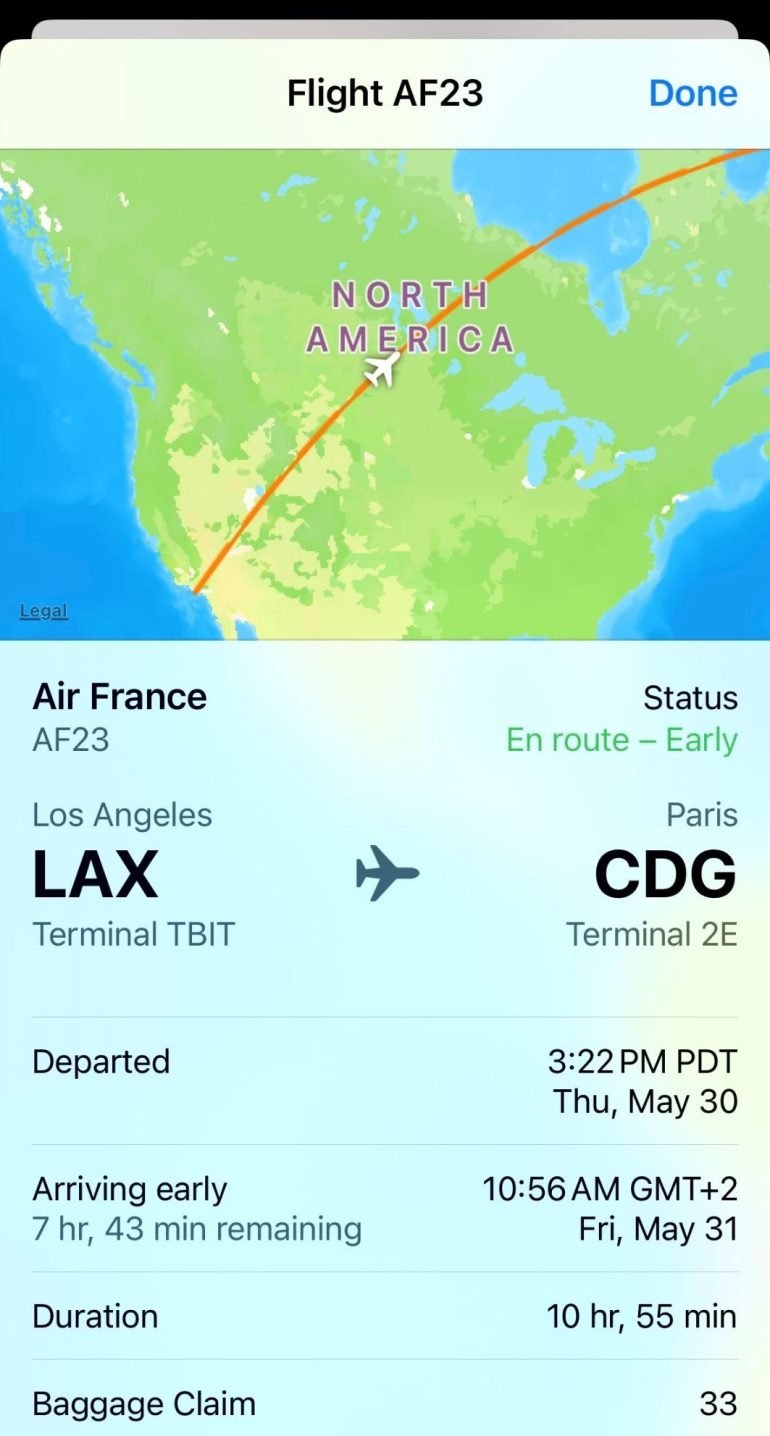
The Core Technology: How Modern Flight Tracking Works
To understand how to track a flight, one must first understand the invisible data streams flowing through our atmosphere. Modern flight tracking is not just about a single GPS signal; it is a complex orchestration of several hardware and software technologies working in tandem.
ADS-B (Automatic Dependent Surveillance-Broadcast)
The backbone of modern flight tracking is ADS-B technology. Unlike traditional radar, which “pings” an aircraft to determine its location, ADS-B-equipped aircraft automatically broadcast their GPS position, altitude, speed, and other data every second.
This technology is “Automatic” because it requires no pilot intervention, and “Dependent” because it relies on data from the aircraft’s navigation system. For tech enthusiasts, the beauty of ADS-B lies in its transparency. Because these signals are unencrypted and broadcast on the 1090 MHz frequency, they can be picked up by anyone with a relatively inexpensive receiver. This has led to the creation of massive, crowdsourced networks of ground stations hosted by volunteers around the globe.
Multilateration (MLAT) and Satellite Data
Not all aircraft are equipped with the latest ADS-B transponders, especially older models or smaller private planes. In these cases, tracking platforms use a technique called Multilateration (MLAT). By measuring the time difference of arrival of a signal at four or more separate ground stations, the software can triangulate the aircraft’s precise position.
Furthermore, in areas where ground stations cannot reach—such as the middle of the Atlantic or Pacific Oceans—trackers now utilize space-based ADS-B. Companies like Aireon have launched receivers on satellites (specifically the Iridium NEXT constellation), ensuring that there are no longer “black holes” in global flight coverage.
The Role of Ground-Based Receiver Networks
The democratization of flight data is largely due to the “Network Effect.” Platforms like Flightradar24 and FlightAware have distributed thousands of small receivers (often based on Raspberry Pi hardware) to volunteers worldwide. This global mesh network ensures that as long as a plane is within line-of-sight of a receiver, its data is uploaded to the cloud and visualized on your screen within milliseconds.
Top Software and Apps for Real-Time Monitoring
With the data infrastructure in place, the next step is the interface. Choosing the right software depends on whether you need a simple arrival time or a deep dive into the technical specifications of an airframe.
Flightradar24: The Industry Standard for Visualization
Flightradar24 is arguably the most popular flight tracking tool in the world, known for its sleek, real-time map interface. From a tech perspective, its standout feature is the “3D View.” By utilizing high-resolution satellite imagery and the real-time telemetry from the aircraft, the app simulates what the pilot is seeing out of the cockpit window.
For power users, Flightradar24 offers detailed filters. You can filter the map by altitude, speed, or even aircraft type (e.g., only show Boeing 747s currently in the air). The “Augmented Reality” (AR) feature is another tech marvel; by pointing your smartphone at a plane in the sky, the app uses your GPS and camera to identify the flight number, destination, and airline instantly.

FlightAware: Best for Commercial and Predictive Analytics
While Flightradar24 wins on visuals, FlightAware is often the choice for those who need deep data integration. It is widely used by the aviation industry for its predictive capabilities. Their “Where is my plane?” feature is particularly useful; it tracks the specific physical aircraft assigned to your flight number, allowing you to see if it is currently delayed at a previous airport, even before the airline updates its official status.
FlightAware also offers a robust “MiseryMap,” which uses big data to visualize airport delays across the country. This tool analyzes weather patterns and historical traffic data to provide a digital “heat map” of where the air travel system is currently failing or succeeding.
Specialized Tools: ADSBexchange and OpenSky Network
For those who value digital privacy and raw data over polished interfaces, ADSBexchange is a unique alternative. Unlike commercial trackers, it does not filter out “blocked” aircraft (such as private jets owned by celebrities or government entities). It is a “cooperative” of feeders who believe in the total transparency of the sky. Similarly, the OpenSky Network is a non-profit designed for academic and research purposes, providing massive datasets for those interested in analyzing air traffic trends or environmental impacts.
Integrating Flight Data into Your Digital Life
Flight tracking is most effective when it is proactive rather than reactive. Modern software allows users to automate the monitoring process through various digital integrations.
Calendar Sync and Automatic Notifications
The most basic tech integration is syncing your flight data with your digital ecosystem. Apps like “App in the Air” or “TripIt” can scan your email for booking confirmations and automatically populate your calendar. These tools use APIs (Application Programming Interfaces) to pull real-time data from flight trackers, sending you a push notification the moment your gate changes or your flight is cleared for takeoff.
Smart Home Integration (Alexa and Google Assistant)
The “Internet of Things” (IoT) has brought flight tracking into the living room. By enabling specific “skills” on Amazon Alexa or Google Home, you can ask, “Hey Google, what is the status of United flight 242?” The assistant queries the flight tracker’s database and provides a verbal update. For the more technically inclined, you can use IFTTT (If This Then That) to create custom triggers—for example, programming your smart lights to flash green when a specific flight enters a certain radius of your home.
API for Developers: Building Your Own Tools
For software developers, the availability of flight data APIs opens a world of possibilities. Companies like AeroDataBox or the FlightAware Firehose provide JSON-based data streams that allow developers to build custom dashboards. Whether it’s a digital “Arrivals Board” for a hotel lobby or a data-scraping script for market research, the “how” of tracking flights is now limited only by one’s coding ability.
The Future of Flight Tracking: AI and Predictive Intelligence
As we look toward the next decade, the tech behind flight tracking is moving from “What is happening now?” to “What will happen in three hours?”
Using Machine Learning to Predict Delays
The most significant advancement in flight tracking is the implementation of Machine Learning (ML). By feeding decades of historical flight data, weather patterns, and air traffic control (ATC) congestion logs into a neural network, software can now predict delays with startling accuracy.
These AI models can account for “rotational delays”—the ripple effect caused when one plane arrives late and affects every subsequent flight that day. Future tracking apps will likely provide a “Confidence Score” for your flight’s departure time, giving you a tech-backed reason to stay in the airport lounge a bit longer rather than rushing to the gate.
Enhanced Security and Digital Privacy in the Skies
As tracking tech becomes more pervasive, the industry is also grappling with the balance between transparency and security. The FAA recently introduced “PIA” (Privacy ICAO Address), a program that allows private aircraft owners to request a temporary, randomized digital identity to prevent them from being tracked by the public. This “digital cloaking” is a direct response to the efficiency of modern tracking software, sparking a fascinating tech-based cat-and-mouse game between privacy advocates and data transparency proponents.

Conclusion
Tracking a flight has evolved from a game of chance into a precise science powered by global sensor networks, satellite communication, and sophisticated mobile software. By understanding the tech—from ADS-B transponders to AI-driven predictive models—travelers and enthusiasts can navigate the skies with unprecedented clarity. As hardware continues to shrink and software becomes more intelligent, the “how” of flight tracking will only become more seamless, turning the vast expanse of the global sky into a transparent, data-rich map on our devices.
aViewFromTheCave is a participant in the Amazon Services LLC Associates Program, an affiliate advertising program designed to provide a means for sites to earn advertising fees by advertising and linking to Amazon.com. Amazon, the Amazon logo, AmazonSupply, and the AmazonSupply logo are trademarks of Amazon.com, Inc. or its affiliates. As an Amazon Associate we earn affiliate commissions from qualifying purchases.