
Investing in the stock market can seem like a daunting endeavor, a complex world reserved for financial gurus and high-rolling magnates. However, in reality, it’s an accessible path for anyone looking to grow their wealth over time. With the right knowledge and a disciplined approach, individuals from all walks of life can participate in the growth of companies they believe in and work towards achieving their financial goals. This comprehensive guide aims to demystify stock investing, providing a clear roadmap for beginners to navigate the market with confidence and insight.
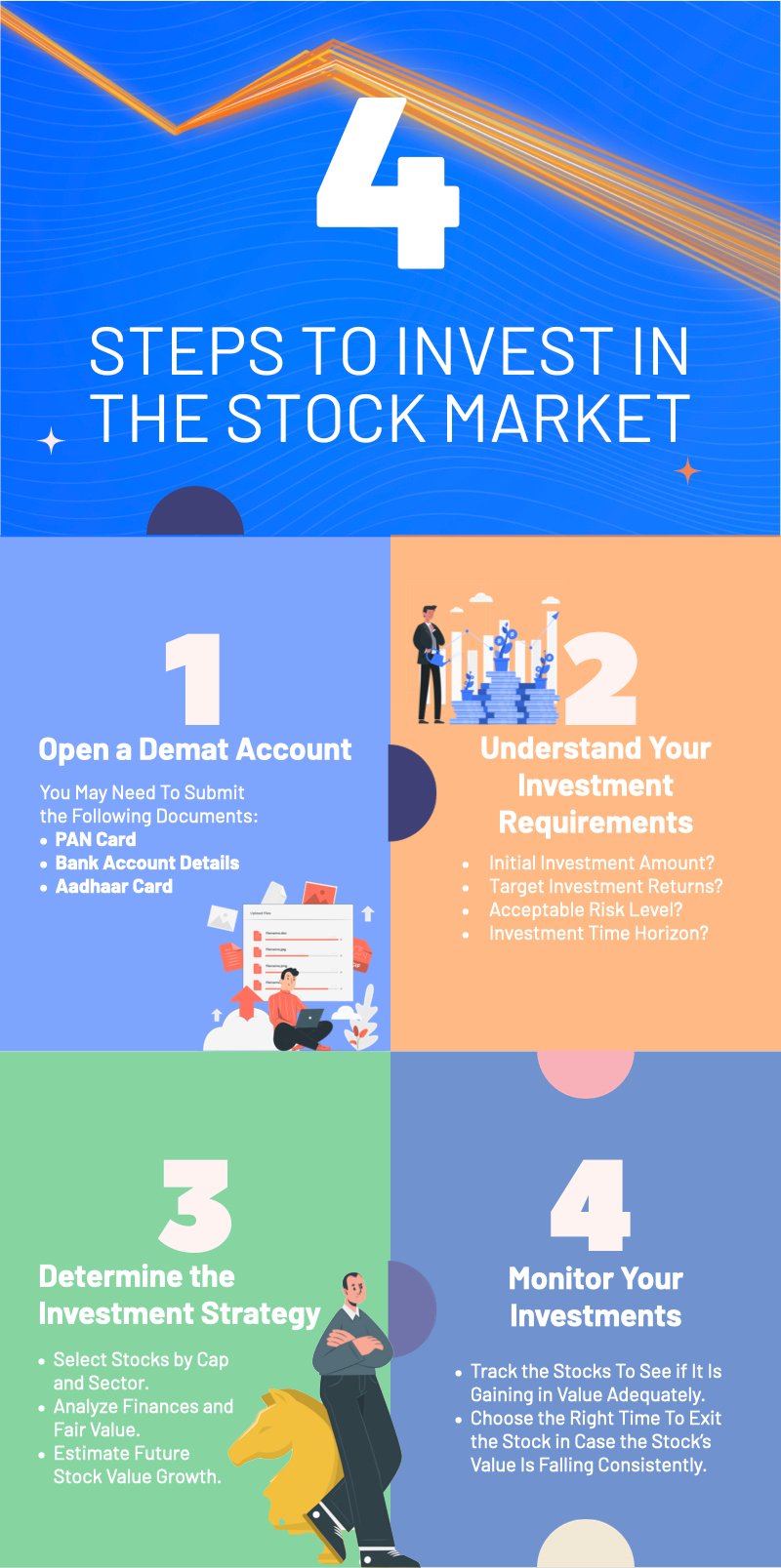
The journey into stock investing isn’t merely about buying shares; it’s about understanding the underlying principles, assessing risk, and making informed decisions that align with your personal financial objectives. Whether your goal is to save for retirement, fund a child’s education, or simply build a substantial nest egg, the stock market offers a powerful avenue for capital appreciation. This article will break down the essential steps, from understanding the basics to building and managing your portfolio, empowering you to take control of your financial future.
1. Laying the Foundation: Understanding the Basics of Stock Investing
Before you commit your hard-earned money, it’s crucial to grasp the fundamental concepts that govern the stock market. A solid understanding will serve as your compass, guiding your decisions and helping you avoid common pitfalls.
1.1 What Exactly is a Stock?
At its core, a stock (also known as a share or equity) represents a fractional ownership interest in a public company. When you buy a share of stock, you become a part-owner of that company. This ownership stake, however small, entitles you to a claim on the company’s assets and earnings, and often, a vote on corporate matters. Companies issue stocks to raise capital for various purposes, such as expanding operations, research and development, or paying off debt. As the company grows and becomes more profitable, the value of its shares typically increases, benefiting shareholders.
1.2 Why Invest in Stocks? The Potential for Growth
The primary allure of stock investing lies in its potential for significant capital appreciation. Historically, stocks have outperformed other asset classes like bonds and savings accounts over the long term. This growth comes from several sources:
- Capital Gains: If you buy a stock at one price and sell it later at a higher price, the difference is a capital gain.
- Dividends: Many companies distribute a portion of their profits to shareholders in the form of dividends, providing a regular income stream.
- Compounding: Reinvesting dividends and capital gains allows your earnings to generate further earnings, accelerating wealth accumulation through the power of compounding.
1.3 Navigating Risks and Rewards
While the rewards can be substantial, it’s imperative to acknowledge that stock investing carries inherent risks. Stock prices can be volatile, fluctuating daily due to market sentiment, economic news, company performance, or even global events.
- Market Risk: The overall stock market can decline, pulling down even good stocks with it.
- Company-Specific Risk: A particular company’s stock might perform poorly due to bad management, failed products, or industry disruption.
- Liquidity Risk: Some stocks might be difficult to sell quickly without affecting their price, especially for less common shares.
However, these risks can often be mitigated through diversification, long-term investing, and thorough research. Understanding that short-term volatility is normal and focusing on long-term goals can help investors weather market downturns.
2. Preparing for Your Investment Journey: Setting Yourself Up for Success
Before you even think about picking stocks, a critical preparatory phase is necessary. This involves assessing your financial health, defining your goals, and understanding your psychological comfort level with risk.
2.1 Assess Your Financial Health
Before allocating funds to the stock market, ensure your personal finances are in order.
- Emergency Fund: Have at least 3-6 months’ worth of living expenses saved in an easily accessible, liquid account. This fund acts as a financial safety net, preventing you from needing to sell investments during market downturns or personal crises.
- High-Interest Debt: Prioritize paying off high-interest debt (like credit card balances) before investing. The guaranteed return from eliminating high-interest debt often outperforms potential stock market returns.
- Budgeting: Establish a realistic budget to understand your income and expenses, identifying how much you can comfortably afford to invest regularly.
2.2 Define Your Investment Goals
What are you investing for? Your goals will dictate your investment horizon and strategy.
- Short-term (under 3 years): The stock market is generally not suitable for short-term goals due to its volatility. Consider high-yield savings accounts or short-term bonds instead.
- Medium-term (3-10 years): Goals like a down payment on a house or a child’s college fund might involve a balanced portfolio with a mix of stocks and bonds.
- Long-term (10+ years): Retirement savings is a classic long-term goal where stocks can play a dominant role due to their historical growth potential. Clearly defined goals help you stay focused and avoid impulsive decisions.
2.3 Understand Your Risk Tolerance
Risk tolerance is your psychological comfort level with the potential for losing money in exchange for higher returns.
- High Risk Tolerance: Comfortable with significant fluctuations, willing to endure large paper losses for potentially higher long-term gains.
- Medium Risk Tolerance: Seeks growth but prefers some stability, might opt for a balanced approach.
- Low Risk Tolerance: Prioritizes capital preservation, prefers lower returns over potential losses.
Being honest about your risk tolerance is crucial. Investing beyond your comfort level can lead to panic selling during market drops, locking in losses and derailing your long-term strategy. Many brokerage platforms offer questionnaires to help you assess your risk profile.
3. Choosing the Right Investment Strategy: Your Blueprint for Growth
With your financial foundation set, the next step is to formulate a strategy. This involves deciding how you will approach the market and what types of investments align with your goals and risk tolerance.
3.1 Active vs. Passive Investing
- Active Investing: Involves frequently buying and selling individual stocks, attempting to “beat the market” by timing movements or selecting undervalued securities. This requires significant research, time, and a high level of expertise, often leading to higher transaction costs and tax implications.
- Passive Investing: A strategy where investors buy and hold a diversified portfolio, typically through index funds or ETFs, aiming to match the market’s performance rather than beat it. This approach is generally favored by long-term investors due to its lower costs, less time commitment, and historical effectiveness. For most beginners, passive investing is the recommended starting point.
3.2 Diversification: The Golden Rule
“Don’t put all your eggs in one basket” is perhaps the most critical piece of advice in investing. Diversification means spreading your investments across various assets, industries, and geographies to reduce risk. If one investment performs poorly, others may perform well, cushioning the blow to your overall portfolio.
- Asset Diversification: Don’t just own stocks; consider bonds, real estate, or other assets.
- Sector Diversification: Don’t invest only in technology stocks; spread across healthcare, finance, consumer goods, etc.
- Geographic Diversification: Invest in companies from different countries to mitigate country-specific risks.
Exchange-Traded Funds (ETFs) and Mutual Funds are excellent tools for instant diversification, as they hold a basket of many stocks, often tracking an entire index or sector.
3.3 Dollar-Cost Averaging (DCA)
Dollar-cost averaging is a strategy where you invest a fixed amount of money at regular intervals (e.g., $100 every month), regardless of the stock’s price.
- When prices are high, your fixed amount buys fewer shares.
- When prices are low, your fixed amount buys more shares.
Over time, this strategy averages out your purchase price, reduces the impact of market volatility, and removes the emotional component of trying to “time the market.” It’s a powerful discipline for consistent, long-term investors.
4. Executing Your First Investment: From Account Opening to Placing an Order
Once you have a strategy, it’s time to put it into action. This involves choosing a brokerage, researching potential investments, and finally, making your first purchase.
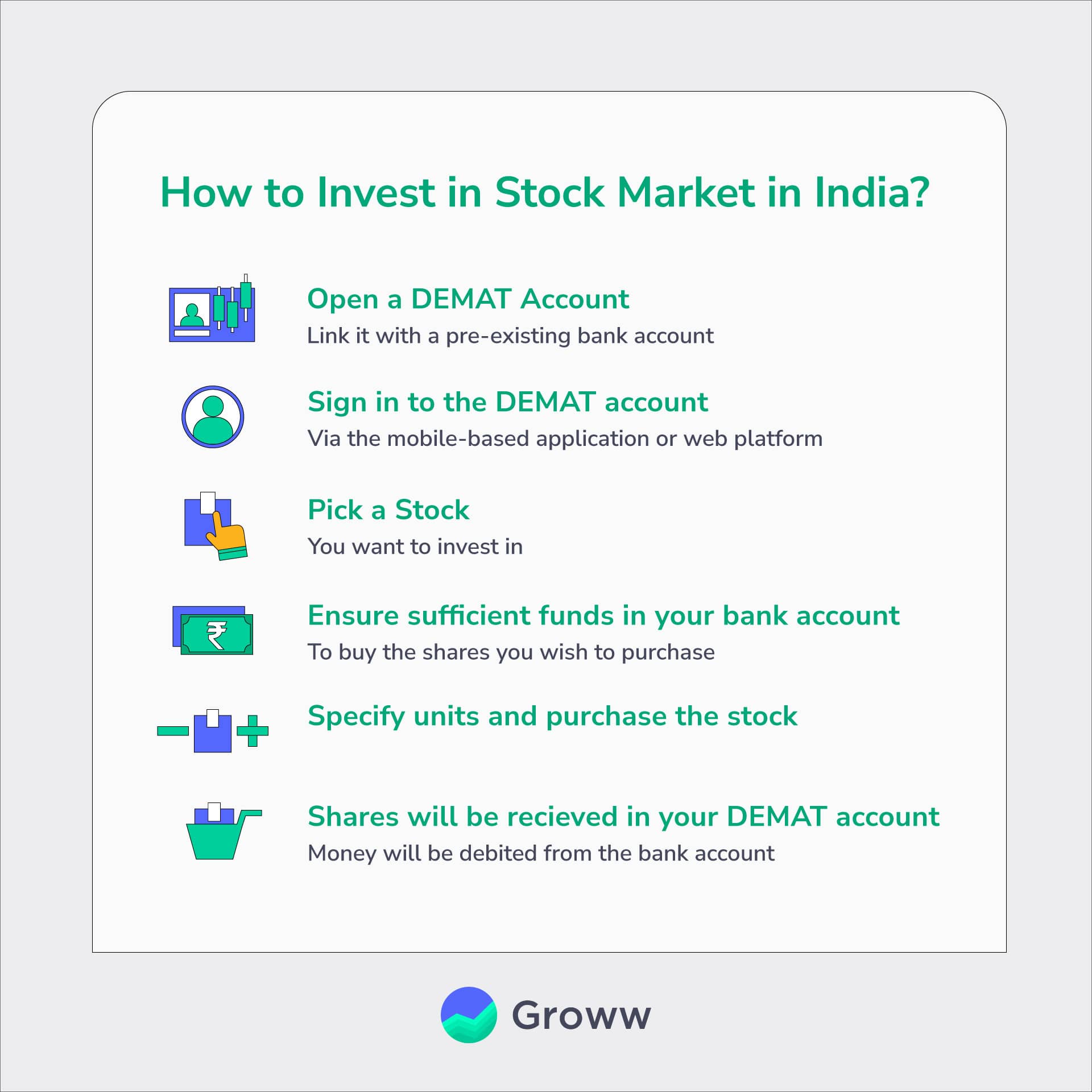
4.1 Opening a Brokerage Account
You’ll need an investment account to buy and sell stocks. Online discount brokers are popular for their low fees, user-friendly platforms, and educational resources.
- Types of Accounts:
- Taxable Brokerage Account: A standard investment account where gains are taxed.
- Retirement Accounts (e.g., 401(k), IRA): Offer significant tax advantages for retirement savings. Consider maxing these out first.
- Choosing a Broker: Look for platforms with low (or zero) trading commissions, a wide range of investment options, robust research tools, strong customer service, and an intuitive interface. Popular choices include Fidelity, Charles Schwab, Vanguard, E*TRADE, and Robinhood (though caution is advised with gamified platforms).
The account opening process typically involves providing personal information, verifying your identity, and linking your bank account for funding.
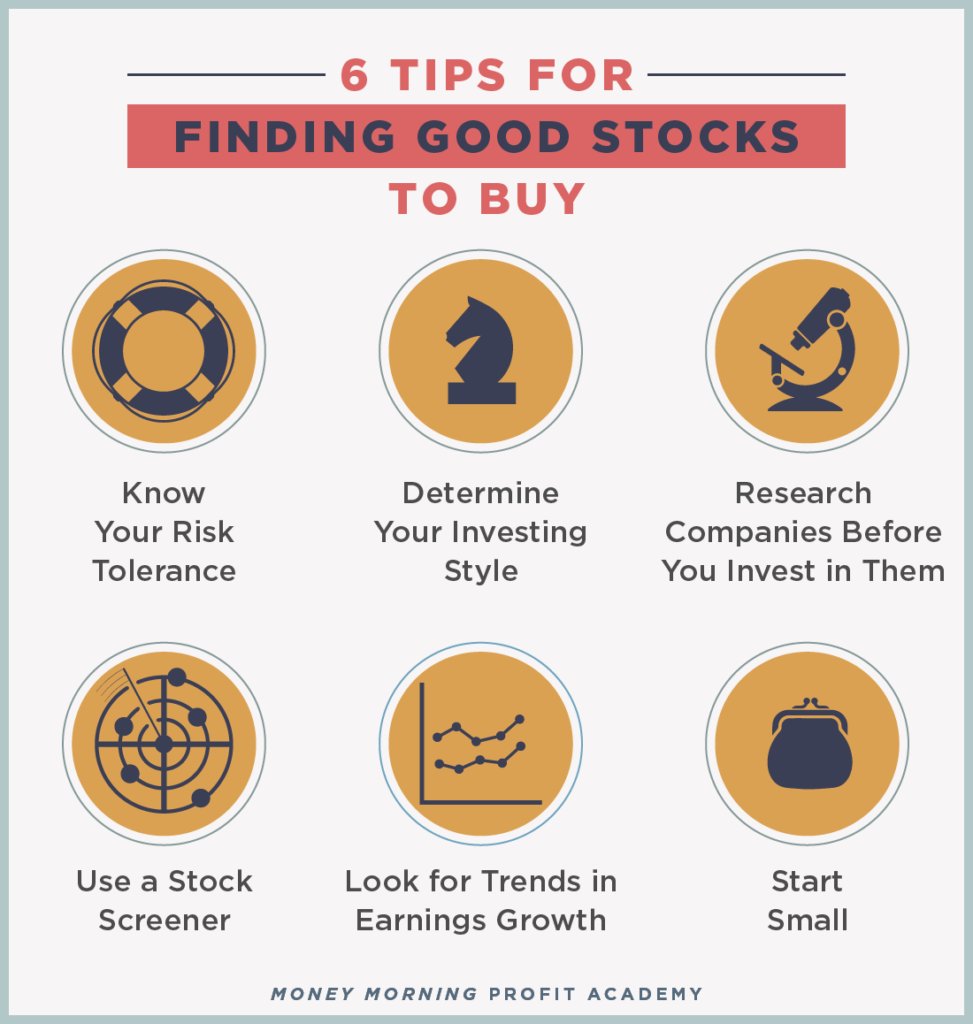
4.2 Researching Stocks and Funds
Before investing, thorough research is paramount.
- Fundamental Analysis: Focuses on a company’s intrinsic value by examining its financial statements (income statement, balance sheet, cash flow statement), management quality, competitive advantages, industry outlook, and economic factors. Key metrics include P/E ratio, revenue growth, profit margins, and debt levels.
- Technical Analysis: Studies past market data, primarily price and volume charts, to identify patterns and predict future price movements. While some traders use this exclusively, long-term investors often find fundamental analysis more relevant.
- ETFs and Mutual Funds: For passive investors, research focuses on the fund’s expense ratio, underlying holdings, historical performance, and the fund manager’s reputation (for actively managed mutual funds).
4.3 Placing an Order
Once you’ve chosen what to buy, you’ll place an order through your brokerage platform.
- Market Order: Buys or sells immediately at the best available current price. While quick, the execution price might differ slightly from what you see due to rapid market changes.
- Limit Order: Specifies a maximum price you’re willing to pay to buy or a minimum price you’re willing to accept to sell. Your order will only execute if the stock reaches your specified price, offering more control but potentially delaying or preventing execution.
For beginners, especially when buying highly liquid assets like major index ETFs, a market order is often acceptable. For individual stocks or less liquid assets, a limit order offers better price control.
5. Managing and Growing Your Portfolio: The Long Game of Investing
Investing is not a one-time event; it’s an ongoing process. Once your initial investments are made, continuous monitoring, rebalancing, and learning are essential for long-term success.
5.1 Monitoring and Reviewing Performance
Regularly review your portfolio’s performance, but avoid obsessing over daily fluctuations.
- Annual Review: At least once a year, assess whether your portfolio is still aligned with your financial goals, risk tolerance, and investment horizon.
- Performance Metrics: Compare your portfolio’s returns against relevant benchmarks (e.g., S&P 500 for US large-cap stocks).
- Stay Informed: Keep abreast of major economic news and developments that might impact your investments, but avoid knee-jerk reactions to every headline.
5.2 Rebalancing Your Portfolio
Over time, market movements can cause your asset allocation to drift from your target. Rebalancing involves adjusting your portfolio back to your desired allocation.
- How to Rebalance: If stocks have performed exceptionally well, you might sell some stock to buy bonds, bringing your percentages back into line. Conversely, if stocks have lagged, you might buy more.
- When to Rebalance: This can be done on a calendar basis (e.g., annually) or when an asset class deviates by a certain percentage from its target allocation (e.g., +/- 5%). Rebalancing ensures you don’t take on more risk than you’re comfortable with and helps you “buy low and sell high” systematically.
5.3 Continuous Learning and Adaptation
The financial markets are dynamic, constantly evolving. Successful investors commit to lifelong learning.
- Read Books and Articles: Delve into financial literature, economic reports, and reputable financial news sources.
- Follow Reputable Experts: Learn from experienced investors and financial educators, but always critically assess their advice.
- Understand Economic Cycles: Recognize how different economic conditions (recessions, booms, interest rate changes) can impact various sectors and asset classes.
- Stay Disciplined: Emotional decisions are the biggest enemy of long-term investing success. Stick to your plan, avoid panic selling during downturns, and resist the urge to chase fads.
5.4 Tax Implications
Understanding how investments are taxed is crucial for optimizing your returns.
- Capital Gains Tax: Profits from selling investments are subject to capital gains tax. Short-term gains (assets held for one year or less) are typically taxed at your ordinary income rate, while long-term gains (assets held for more than one year) usually qualify for lower tax rates.
- Dividend Tax: Dividends received from stocks are also taxable income.
- Tax-Advantaged Accounts: Utilizing accounts like 401(k)s and IRAs can offer significant tax deferral or tax-free growth, making them powerful tools for long-term investors. Consult with a tax professional to understand your specific situation and optimize your tax strategy.
Conclusion
Investing in stocks is a powerful tool for building wealth and achieving financial independence. While the journey requires patience, discipline, and continuous learning, it is entirely within reach for anyone willing to put in the effort. By understanding the basics, preparing your finances, choosing a suitable strategy, executing your investments wisely, and diligently managing your portfolio, you can confidently navigate the stock market. Remember that investing is a marathon, not a sprint. Focus on your long-term goals, embrace diversification, dollar-cost average consistently, and remain resilient through market fluctuations. With these principles as your guide, you are well-equipped to embark on a successful investment journey and unlock the full potential of the stock market.
aViewFromTheCave is a participant in the Amazon Services LLC Associates Program, an affiliate advertising program designed to provide a means for sites to earn advertising fees by advertising and linking to Amazon.com. Amazon, the Amazon logo, AmazonSupply, and the AmazonSupply logo are trademarks of Amazon.com, Inc. or its affiliates. As an Amazon Associate we earn affiliate commissions from qualifying purchases.