
In the decade and a half since its inception, Bitcoin has transitioned from a niche cryptographic experiment to a legitimate institutional asset class. Often referred to as “digital gold,” it has captured the attention of individual savers, hedge fund managers, and even sovereign nations. For the modern investor, understanding how to acquire Bitcoin is no longer just a technical hurdle; it is a fundamental aspect of contemporary wealth management and portfolio diversification.
Navigating the world of digital assets requires a blend of traditional financial literacy and an understanding of new-age security protocols. This guide outlines the strategic process of purchasing Bitcoin, from selecting the right brokerage to managing long-term storage and tax obligations.
Selecting the Right Platform for Your Investment Needs
The first step in any investment journey is choosing where to conduct your business. In the cryptocurrency ecosystem, your choice of platform—often called an exchange or brokerage—will dictate your fees, the security of your funds, and the ease of your user experience.
Centralized Exchanges (CEXs)
Centralized exchanges like Coinbase, Kraken, and Binance are the most common entry points for new investors. These platforms function similarly to traditional stock brokerages like E*TRADE or Charles Schwab. They provide high liquidity, meaning you can buy or sell large amounts of Bitcoin without significantly affecting the market price.
The primary advantage of a CEX is user-friendliness. They offer intuitive interfaces, mobile apps, and customer support. However, users must remember that when they keep funds on an exchange, the exchange technically controls the private keys to those assets. For those prioritizing convenience and deep liquidity, a reputable, regulated CEX is often the best starting point.
Financial Apps and Traditional Brokerages
For those who prefer to keep their investments within their existing financial ecosystem, traditional platforms have bridged the gap. Fidelity, Robinhood, and Cash App now allow users to buy Bitcoin directly alongside stocks and ETFs.
The benefit here is consolidation. You do not need to manage a separate set of login credentials or undergo a new verification process if you are already a client. However, some of these platforms may limit your ability to withdraw your Bitcoin to a private wallet, effectively locking your investment within their “walled garden.” This is a critical distinction for investors who value the sovereign ownership aspects of cryptocurrency.
Decentralized Exchanges (DEXs) and P2P Platforms
For the more advanced or privacy-conscious investor, Peer-to-Peer (P2P) platforms and Decentralized Exchanges allow for the acquisition of Bitcoin without a central intermediary. While these offer greater privacy and control, they come with a steeper learning curve and a higher risk of user error. For most individuals focused on personal finance and long-term investing, regulated centralized platforms provide a safer and more manageable environment.
Navigating the Registration and Funding Process
Once you have selected a platform, the next phase involves legal compliance and the movement of capital. Because Bitcoin is now heavily integrated into the global financial system, reputable platforms must adhere to strict regulatory standards.
The KYC and AML Process
Know Your Customer (KYC) and Anti-Money Laundering (AML) regulations are standard across the industry. When you sign up for a reputable exchange, you will be required to provide personal information, including a government-issued ID, proof of address, and sometimes a facial recognition scan. While this may feel intrusive to those used to the early days of anonymous internet use, these measures are designed to protect the integrity of the financial system and your personal account security.
Funding Your Account: Methods and Costs
After your identity is verified, you must transfer “fiat” currency (such as USD, EUR, or GBP) into your exchange account. The method you choose can significantly impact your initial investment return due to varying fee structures:
-
ACH Transfers: Generally the most cost-effective method. Most exchanges offer free or low-fee ACH transfers from your bank account, though it may take a few days for the funds to clear.
-
Wire Transfers: Best for large sums of money. Wires are faster than ACH but usually incur a flat fee from both your bank and the exchange.
-
Debit and Credit Cards: While these offer the most “instant” gratification, they should generally be avoided for serious investing. They often carry the highest fees (sometimes 3.99% or more) and, in the case of credit cards, may be treated as a cash advance by your bank, incurring high interest rates from day one.
Executing Your Purchase: Strategic Order Types
Buying Bitcoin is not just about clicking a “buy” button; it is about executing a trade that aligns with your financial strategy. Understanding how to interact with the market can save you money and reduce the emotional stress associated with Bitcoin’s price volatility.
Market Orders vs. Limit Orders
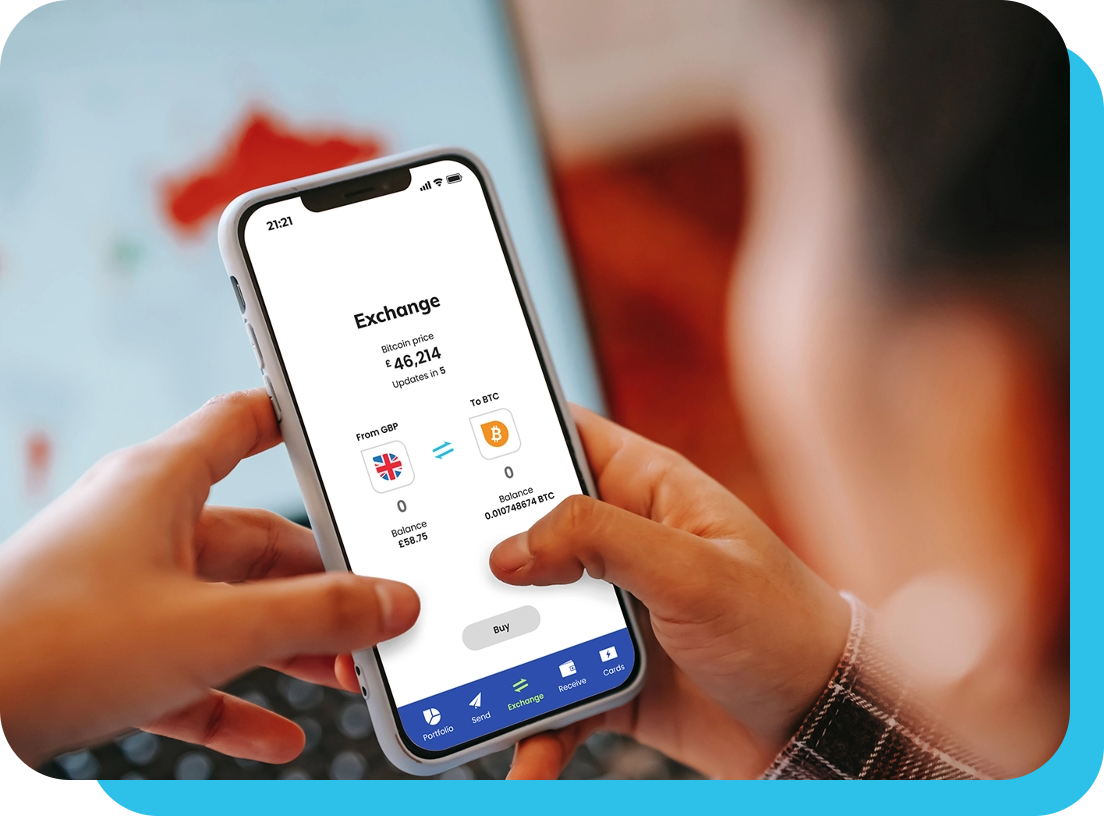
A Market Order is the simplest way to buy. You instruct the exchange to buy Bitcoin immediately at the best available current price. This is ideal if you are worried about the price moving up quickly, but it can be inefficient during periods of high volatility when the “spread” (the difference between the buy and sell price) widens.
A Limit Order allows you to set a specific price at which you are willing to buy. For example, if Bitcoin is trading at $65,000 but you believe it will dip, you can set a limit order at $63,500. Your order will only execute if the price hits that target. This provides more control over your entry point and often results in lower trading fees.
Dollar Cost Averaging (DCA)
One of the most effective strategies for the individual investor is Dollar Cost Averaging. Instead of trying to “time the market” with a single large purchase, you commit to buying a fixed dollar amount of Bitcoin at regular intervals (e.g., $100 every Monday).
This strategy mitigates the risk of a poorly timed entry. When the price is high, your $100 buys less Bitcoin; when the price is low, it buys more. Over time, this smooths out the volatility and often results in a lower average cost basis than a lump-sum investment made during a period of market euphoria.
Securing Your Assets: The Essentials of Custody
In the world of personal finance, the security of your assets is paramount. Bitcoin is unique because it allows for “self-custody,” meaning you can be your own bank. However, with this power comes significant responsibility.
Custodial vs. Non-Custodial Storage
When you leave your Bitcoin on an exchange, you are using a custodial service. The exchange is the custodian, much like a bank is the custodian of your cash. This is convenient but introduces “platform risk.” If the exchange is hacked or faces insolvency, your assets may be at risk.
Non-custodial storage involves moving your Bitcoin to a private wallet where you, and only you, hold the “private keys” (the digital equivalent of a vault combination).
Hot Wallets vs. Cold Storage
-
Hot Wallets: These are software applications on your phone or computer. They are connected to the internet, making them convenient for frequent transactions but more vulnerable to malware and phishing attacks.
-
Cold Storage (Hardware Wallets): These are physical devices, often resembling a USB drive, that keep your private keys offline. Cold storage is widely considered the gold standard for long-term security. Even if your computer is infected with a virus, your Bitcoin remains safe because the signing of transactions happens on the hardware device itself, away from the internet.
For a serious investor, a hybrid approach is often best: keep a small amount for liquidity in a hot wallet or on a trusted exchange, and move the bulk of your holdings into cold storage for long-term preservation.
Financial Management and Regulatory Considerations
Purchasing Bitcoin is only the beginning. As a responsible investor, you must integrate this asset into your broader financial plan and stay compliant with local laws.
Tax Implications
In many jurisdictions, including the United States, Bitcoin is treated as property for tax purposes. This means that every time you sell Bitcoin, or even use it to purchase a good or service, you trigger a taxable event.
If you sell Bitcoin for more than you paid for it, you owe capital gains tax. If you hold the asset for more than a year before selling, you typically qualify for lower long-term capital gains rates. It is essential to keep meticulous records of your purchase dates, price (cost basis), and sale dates. Many modern exchanges provide tax reporting tools to simplify this process, but consulting with a financial professional who understands digital assets is always recommended.
Portfolio Allocation and Risk Management
Bitcoin is a high-volatility asset. While its historical returns have been significant, its price swings can be jarring for those used to the relative stability of the bond market or blue-chip stocks.
Financial advisors often suggest a small allocation—typically between 1% and 5% of a total portfolio—for those looking to gain exposure to the upside while limiting the impact of a potential downturn. As your Bitcoin investment grows in value, it may become a larger percentage of your wealth, requiring you to “rebalance” by selling some Bitcoin to buy other assets, thereby maintaining your desired risk profile.

The Long-term Outlook
Buying Bitcoin is a vote on the future of the digital economy. As global debt increases and currencies fluctuate, the fixed supply of Bitcoin (capped at 21 million units) offers a compelling counter-narrative to inflationary monetary policy. By approaching the purchase process with discipline, focusing on security, and maintaining a long-term horizon, investors can successfully navigate this new frontier of personal finance.
The transition from a fiat-only portfolio to one that includes digital assets is a significant milestone. By following a structured approach to selection, execution, and custody, you ensure that your entry into the world of Bitcoin is built on a foundation of financial prudence and security.
aViewFromTheCave is a participant in the Amazon Services LLC Associates Program, an affiliate advertising program designed to provide a means for sites to earn advertising fees by advertising and linking to Amazon.com. Amazon, the Amazon logo, AmazonSupply, and the AmazonSupply logo are trademarks of Amazon.com, Inc. or its affiliates. As an Amazon Associate we earn affiliate commissions from qualifying purchases.