
In the dynamic world of entrepreneurship, a business plan stands not merely as a formal document but as an indispensable financial roadmap. It’s the blueprint that transforms nascent ideas into tangible, profitable ventures, charting a course through the often-treacherous waters of startup finance and market competition. For anyone aspiring to launch or scale a business, mastering the art of crafting a comprehensive business plan is paramount. It’s the bedrock upon which sound financial decisions are made, investments are secured, and sustained growth is achieved. This guide delves into the core aspects of developing a business plan, meticulously focusing on its financial implications and its pivotal role in the “Money” sphere of business.

The Financial Imperative: Why a Business Plan is Your Money Map
A business plan, at its heart, is a strategic financial document. It’s a compelling narrative, backed by data, that convinces stakeholders – from lenders to investors, and even your own management team – of the financial viability and profitability of your enterprise. Without it, you are navigating blind, risking precious capital and squandering opportunities.
Attracting Investment and Funding
Perhaps the most recognized function of a business plan within the money domain is its role in securing capital. Whether you’re seeking a bank loan, courting angel investors, or pitching to venture capitalists, a well-structured business plan is your primary tool for persuasion. It articulates not just what your business does, but how it will generate revenue, manage costs, and ultimately deliver a significant return on investment.
Investors scrutinize the financial projections, seeking clear indicators of profitability, scalability, and liquidity. They want to understand your capital requirements, how their funds will be deployed to achieve growth, and the projected timeline for their returns. A robust business plan provides these critical insights, demonstrating a clear path to financial success and mitigating perceived risks, thereby increasing your chances of securing the necessary funding to propel your venture forward.
Guiding Strategic Financial Decisions
Beyond external funding, a business plan serves as an internal compass for financial strategy. It forces entrepreneurs to meticulously analyze various financial aspects of their operations before committing resources. This includes forecasting sales, projecting operational expenses, estimating startup costs, and outlining cash flow. By undertaking this rigorous exercise, business owners can identify potential financial bottlenecks, optimize resource allocation, and develop contingency plans for unforeseen economic shifts.
This proactive financial planning helps in budgeting effectively, setting realistic pricing strategies, and making informed decisions about expansion, product development, or hiring. It’s about ensuring every dollar spent and earned contributes to the overarching financial health and long-term sustainability of the business, preventing costly missteps and promoting fiscal discipline.
Measuring Financial Performance and Milestones
A business plan isn’t a static document; it’s a living guide for financial performance. It establishes key financial performance indicators (KPIs) and milestones that enable you to track your progress against your initial projections. By regularly reviewing your actual financial results against your planned figures – such as revenue targets, profit margins, customer acquisition costs, or cash burn rates – you can quickly identify discrepancies.
This continuous financial assessment allows for timely adjustments to your strategies, whether it involves modifying pricing, streamlining operations to reduce costs, or reallocating marketing budgets for better ROI. It empowers you to maintain fiscal accountability, stay on track towards your financial goals, and demonstrate prudent financial management to investors and stakeholders alike.
Key Financial Components of a Robust Business Plan
While a business plan encompasses various sections, its financial elements are undeniably the most critical for demonstrating viability and attracting capital. These sections provide the quantitative backbone of your narrative, painting a clear picture of your past, present, and projected financial health.
Executive Summary: Your Financial Snapshot
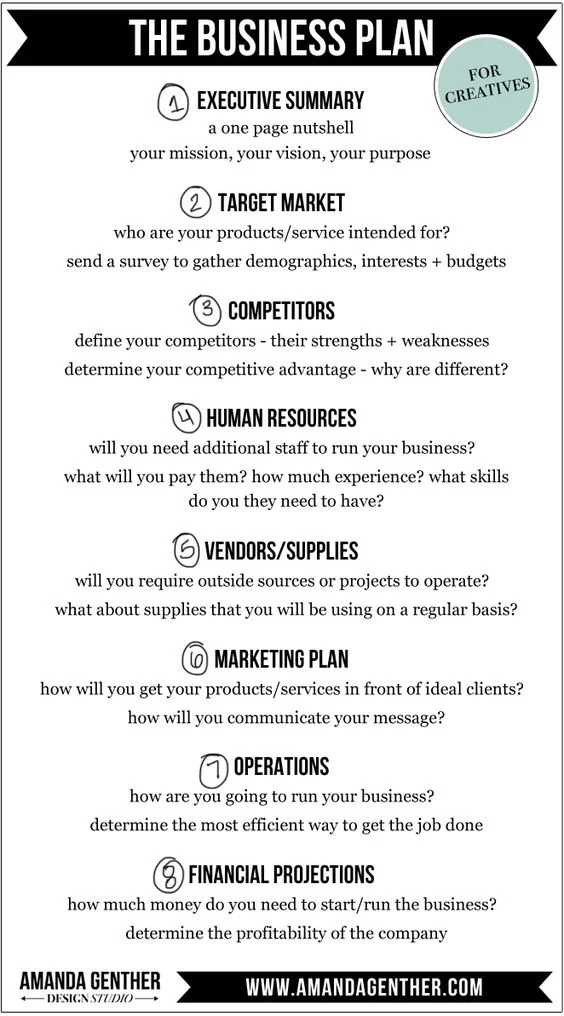
The Executive Summary is often the first, and sometimes the only, section an investor will read in detail. Therefore, it must encapsulate the financial essence of your business in a concise yet compelling manner. It should clearly state your funding request, highlight your most impressive financial projections (e.g., projected revenue, profit margins, break-even point), and briefly explain the compelling return on investment for potential funders.
Think of it as the financial elevator pitch for your entire business plan. It must immediately capture attention by showcasing a clear path to profitability and financial success, compelling the reader to delve deeper into the detailed financial statements.
Financial Projections: The Core of Your Money Story
This is arguably the most scrutinized section of any business plan from a financial perspective. It provides a forward-looking view of your company’s financial performance, typically over three to five years. Realistic and well-substantiated financial projections are crucial for gaining credibility and attracting investment.
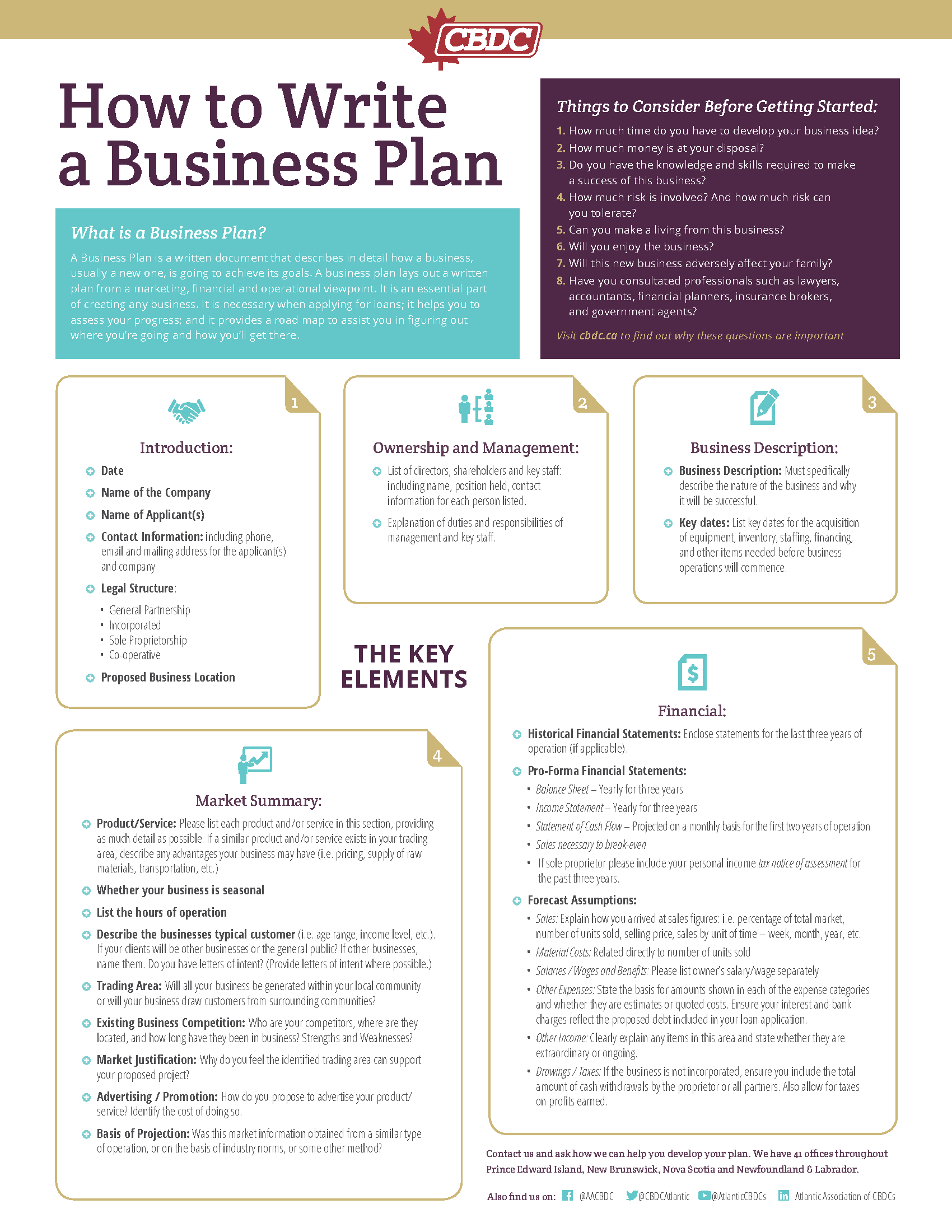
This section typically includes:
- Sales Forecast: Detailed projections of your revenue streams, broken down by product, service, or customer segment. Justify these numbers with market research, pricing strategy, and anticipated sales volume.
- Profit & Loss (Income) Statement: A projection of your revenues, costs of goods sold (COGS), operating expenses, and ultimately, your net profit or loss over specific periods (e.g., monthly for the first year, quarterly for the second, annually thereafter).
- Cash Flow Statement: Perhaps the most vital financial statement for a startup, as it tracks the actual movement of cash in and out of your business. It shows if you’ll have enough cash to pay your bills, irrespective of profitability, and is critical for managing liquidity.
- Balance Sheet: A snapshot of your company’s assets, liabilities, and owner’s equity at a specific point in time. It indicates the financial health and solvency of your business.
It is imperative that these projections are built on sound assumptions and supported by market data, industry benchmarks, and a clear understanding of your cost structure. Overly optimistic or unsubstantiated projections will quickly erode trust.
Funding Request: What You Need and How You’ll Use It
If you are seeking capital, this section is your direct appeal. Clearly articulate the exact amount of funding you require and, crucially, provide a detailed breakdown of how those funds will be allocated. Investors want to see a meticulous deployment strategy, ensuring their money is used efficiently and strategically to achieve key milestones and generate returns.
Specify how much will go towards working capital, equipment purchases (CAPEX), marketing campaigns, talent acquisition, research and development, or operational expenses (OPEX). Furthermore, outline your proposed exit strategy for investors (e.g., acquisition, IPO, dividend payouts) and the projected timeline for their return on investment. Transparency and precision here are non-negotiable.
Break-Even Analysis: Understanding Profitability Thresholds
A break-even analysis is a simple yet powerful financial tool that calculates the point at which your total revenues equal your total costs, meaning your business is neither making a profit nor incurring a loss. This analysis helps you understand the minimum sales volume or revenue needed to cover all your expenses.
By determining your fixed costs, variable costs per unit, and average selling price, you can calculate the break-even point. This insight is invaluable for setting realistic sales targets, evaluating pricing strategies, and understanding the inherent financial risks and opportunities associated with your business model. It offers a clear benchmark for when your business moves from burning cash to generating profit.
Structuring Your Business Plan for Financial Clarity
While the financial section itself is critical, other parts of your business plan must also be framed with a keen financial awareness, demonstrating how every aspect contributes to or impacts your overall financial health and projections.
Market Analysis with a Financial Lens
Your market analysis shouldn’t just describe your target audience; it must analyze their financial capacity and willingness to pay. How large is the market financially? What is the total addressable market (TAM) in monetary terms? What pricing strategies are viable, and how do they compare to competitors? Understanding market size, growth potential, and customer purchasing power directly informs your sales forecasts and revenue projections.
Additionally, analyze the financial health and pricing strategies of your competitors. What are their cost structures? How do they position themselves financially? This informs your own financial positioning and competitive advantages.
Management Team and Their Financial Acumen
Investors don’t just invest in ideas; they invest in people. Highlight the financial experience and capabilities of your leadership team. Does your team include members with a strong background in finance, accounting, fundraising, or successful management of profitable ventures? Demonstrate that your team possesses the necessary fiscal responsibility and strategic financial thinking to execute the business plan and achieve its financial objectives. Showcase any prior successes in securing funding, managing budgets, or driving revenue growth.
Operations Plan and Cost Management
Your operations plan describes how your business will function day-to-day. From a financial perspective, this section must detail how you will run your operations efficiently to minimize costs and maximize profitability. How will production, service delivery, or supply chain management impact your cost of goods sold (COGS) and operational expenses?
Highlight strategies for lean operations, inventory management, vendor negotiations, and technology adoption that contribute to cost efficiency. Every operational decision has a financial consequence, and articulating how you will manage these costs is crucial for inspiring confidence in your financial projections.
Leveraging Financial Tools and Best Practices
Writing a robust business plan, especially its financial components, can be daunting. Fortunately, numerous tools and practices can streamline the process and enhance the accuracy and professionalism of your financial narrative.
Software for Financial Modeling and Forecasting
Gone are the days when complex financial projections were solely the domain of expert accountants with ledger books. Today, a plethora of software tools can significantly assist in financial modeling and forecasting. Spreadsheet programs like Microsoft Excel or Google Sheets offer immense flexibility for custom models. Dedicated financial planning software such as LivePlan, QuickBooks, or Xero often include features for generating projections, creating financial statements, and even integrating with real-time accounting data.
These tools allow for scenario planning (“what-if” analysis), helping you understand the impact of different assumptions (e.g., changes in sales volume or operating costs) on your financial outcomes. Leveraging such software ensures greater accuracy, consistency, and professional presentation of your financial data.
Consulting Financial Experts
While software can guide you, the nuances of business finance often require professional expertise. Engaging with accountants, financial advisors, or business consultants can be an invaluable investment. These experts can help validate your assumptions, scrutinize your financial projections for realism, identify potential tax implications, and ensure compliance with financial regulations.
They can also provide insights into industry benchmarks, helping you set more credible financial targets and identify potential funding sources. Their objective perspective and specialized knowledge can significantly strengthen the financial integrity and persuasiveness of your business plan.
Continuous Financial Review and Adaptation
A business plan is not a static document to be filed away once funding is secured. It is a dynamic, living document, particularly its financial sections. The market evolves, economic conditions shift, and your business learns and grows. Therefore, continuous financial review and adaptation are essential.
Regularly update your financial projections with actual performance data. Re-evaluate your assumptions based on new market intelligence or operational realities. This iterative process ensures that your business plan remains relevant, accurate, and an effective tool for guiding financial decisions and managing resources. It allows you to pivot financially when necessary and capitalize on new opportunities as they arise.
Common Financial Pitfalls to Avoid
Even the most promising business ideas can falter due to common financial missteps in their planning. Being aware of these pitfalls can help you steer clear of them.
Overly Optimistic Financial Projections
One of the most frequent mistakes entrepreneurs make is presenting unrealistic, overly optimistic financial projections. While enthusiasm is commendable, investors value realism and conservatism. Unsubstantiated high growth rates, exorbitant profit margins, or minimal expense forecasts will immediately raise red flags. Base your projections on thorough market research, industry averages, and a clear understanding of your operational constraints. It’s often better to project conservative figures and exceed them than to promise the moon and fall short.
Underestimating Startup Costs and Working Capital
Many startups fail not because they lack a good product, but because they run out of cash. Underestimating initial startup costs (e.g., legal fees, equipment, initial inventory, permits) and, crucially, the amount of working capital required to sustain operations until profitability can be fatal. A thorough breakdown of all expenses, including a buffer for contingencies, is vital. Always plan for more working capital than you think you’ll need to cover initial operating losses and unexpected expenditures.
Neglecting Competitive Financial Analysis
Understanding your competitors is not just about their products or marketing; it’s also about their financial models. How do they price their offerings? What are their cost structures? What financial resources do they have? Neglecting to analyze the financial aspects of your competition can lead to an inadequate understanding of market pricing, potential profit margins, and the financial strength required to compete effectively. Incorporate this analysis to refine your own financial strategy and ensure your projections are robust in the face of market realities.
In conclusion, writing a business plan is far more than a bureaucratic exercise; it is the fundamental act of financial foresight and strategic planning. It is your ultimate “Money Map,” essential for attracting investment, guiding prudent financial decisions, and ensuring the long-term sustainability and profitability of your venture. By focusing intently on the financial components, leveraging appropriate tools, and avoiding common pitfalls, entrepreneurs can craft a compelling business plan that serves as a powerful catalyst for financial success.
aViewFromTheCave is a participant in the Amazon Services LLC Associates Program, an affiliate advertising program designed to provide a means for sites to earn advertising fees by advertising and linking to Amazon.com. Amazon, the Amazon logo, AmazonSupply, and the AmazonSupply logo are trademarks of Amazon.com, Inc. or its affiliates. As an Amazon Associate we earn affiliate commissions from qualifying purchases.