
In an increasingly digital financial landscape, the humble paper check might seem like a relic of the past. Yet, for many transactions, especially those involving significant sums, specific legal requirements, or personal preference, knowing how to properly write a check remains an essential skill. For Bank of America account holders, mastering the art of check writing ensures your payments are processed smoothly, securely, and without complications. This comprehensive guide will walk you through every step, offering insights into best practices and explaining why this traditional financial tool still holds relevance today.

The Enduring Relevance of Checks in a Digital Age
While digital payment methods like online banking, mobile apps, and direct transfers have become ubiquitous, paper checks have not entirely faded into obscurity. They continue to serve unique and important functions, making their proper execution a fundamental aspect of financial literacy. Understanding when and why to use a check can save you from potential headaches and ensure your financial transactions are handled effectively.
Why Checks Still Matter
Checks offer a unique combination of formality, traceability, and accessibility that digital methods sometimes lack. For instance, when paying a landlord who prefers physical checks, donating to certain charities, or settling a personal debt with someone who doesn’t use digital payment apps, a check is often the most straightforward solution. Furthermore, checks provide a tangible record of payment that can be invaluable for budgeting, tax purposes, or dispute resolution. The very act of writing a check can also foster a greater sense of financial mindfulness, as it requires a deliberate action and a clear understanding of the transaction details.
When to Use a Paper Check
There are several scenarios where a paper check from your Bank of America account might be the preferred or even necessary payment method:
-
Rent Payments: Many landlords, especially smaller property managers or individual owners, still prefer or require checks for rent payments.
-
Utility Bills: Some utility companies, particularly local ones, might offer a discount for check payments or have a system better suited for them.
-
Professional Services: Payments to certain professionals like lawyers, accountants, or home contractors often involve checks for their formal record-keeping needs.
-
Gifts or Donations: Checks are a traditional and often appreciated way to give monetary gifts or make donations to organizations.
-
Payments to Individuals Without Digital Apps: If the recipient doesn’t use Venmo, Zelle, or other digital payment platforms, a check is a reliable alternative.
-
Large Purchases: For significant transactions, a check provides a clear paper trail and can feel more secure than carrying large sums of cash.
-
When a Detailed Memo is Needed: The memo line allows for specific notes about the payment, which can be useful for record-keeping.
Understanding Your Bank of America Checkbook
Before you even begin writing, it’s crucial to familiarize yourself with the components of your Bank of America checkbook. Each check is a legal document packed with vital information. Your checks typically come bound in a book, often accompanied by a check register, which is an invaluable tool for tracking your expenditures. Your personal information (name, address), Bank of America’s name and logo, the check number, and your account and routing numbers are pre-printed on each check, providing the foundation for every transaction.
Decoding Your Bank of America Check: Key Components
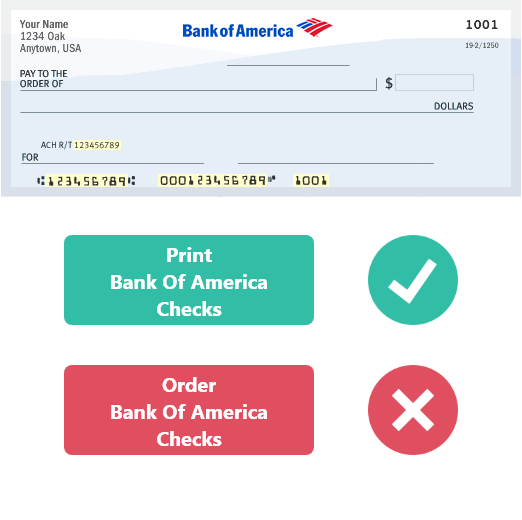
Every check, regardless of the bank, shares a common structure designed to convey specific information to financial institutions and recipients. Understanding each field is paramount to writing a check correctly and avoiding potential issues. Let’s break down the essential components you’ll find on a Bank of America check.
The Payee Line: To Whom Are You Paying?
Located prominently after the words “Pay to the Order of,” this is where you write the name of the person or organization receiving the money. It’s critical to write the full and correct legal name of the payee. For instance, if you’re paying a utility company, write “PG&E” or “Pacific Gas and Electric,” not just “Electric Bill.” Accuracy here prevents the check from being returned or cashed by the wrong party.
The Numeric Amount Box: Clarity is Key
This small box, usually located to the right of the payee line, is where you write the amount of the check using numbers (e.g., “$150.75”). Be sure to write clearly and legibly. It’s good practice to place the dollar sign immediately before the first digit and use decimals for cents, even if it’s a round dollar amount (e.g., “$150.00”). This helps prevent alteration.
The Written Amount Line: Preventing Tampering
Below the payee line, you’ll find a longer line where you write out the check amount in words (e.g., “One Hundred Fifty and 75/100 Dollars”). This is a crucial security measure. If there’s a discrepancy between the numeric and written amounts, the amount written in words is legally considered the correct one. Always start writing as far to the left as possible to prevent anyone from adding extra words, and draw a line through any remaining space to the right.
The Date Line: When Was the Payment Made?
Typically found in the top right corner, this is where you write the current date. You can write the date in various formats (e.g., MM/DD/YYYY, Month DD, YYYY), but consistency helps. While post-dating a check (writing a future date) is sometimes practiced, it doesn’t legally prevent the recipient from depositing it immediately, so use caution.
The Memo Line: For Your Records
This optional line, usually in the bottom left, is for your personal reference. You can use it to note the purpose of the payment (e.g., “July Rent,” “Car Repair,” “Invoice #12345”). This helps you and the payee keep track of what the payment is for, especially useful for budgeting or tax purposes.
Your Signature: Authorization and Validity
The signature line, in the bottom right corner, is where you sign your name exactly as it appears on your Bank of America account records. Your signature is what authorizes the bank to release funds from your account. An unsigned check is invalid and will be returned.
Understanding Routing and Account Numbers
While you don’t write these, they are critical components. The routing number (a nine-digit code) identifies Bank of America as the financial institution. The account number identifies your specific checking account. Both are printed at the bottom of your checks in magnetic ink, allowing them to be read by automated processing systems. Never share these numbers casually, as they can be used for unauthorized transactions.
Step-by-Step Guide to Writing a Bank of America Check
With a clear understanding of each component, writing a Bank of America check becomes a straightforward process. Follow these steps meticulously to ensure accuracy and avoid common mistakes.
Step 1: Date the Check
Start by writing the current date in the top right corner. Ensure it is clear and legible. Using the full month name can add clarity, e.g., “October 26, 2023.”
Step 2: Identify the Payee

On the line marked “Pay to the Order of,” carefully write the full and correct legal name of the person or organization you are paying. Double-check the spelling to prevent delays.
Step 3: Enter the Numeric Amount
In the small dollar box next to the payee line, write the numerical amount of the check. Start close to the dollar sign to prevent additions, and always include cents, even if they are “.00”. For example, “$250.00” or “$75.38.”
Step 4: Write Out the Word Amount
On the long line below the payee, write out the dollar amount in words. Begin at the far left to prevent alterations. For example, “Two Hundred Fifty and 00/100 Dollars” or “Seventy-Five and 38/100 Dollars.” Fill any remaining space with a line (e.g., “———–“) to prevent unauthorized additions.
Step 5: Add a Memo (Optional but Recommended)
On the memo line in the bottom left, write a brief description of the payment. This is for your records and helps both you and the recipient understand the purpose of the transaction. For example, “November Rent,” “Car Payment,” or “Invoice #456.”
Step 6: Sign the Check
Finally, sign your name on the signature line in the bottom right corner. Your signature must match the one on file with Bank of America for the check to be valid. An unsigned check is worthless.
Best Practices and Common Pitfalls
While the process of writing a check is simple, maintaining good habits and being aware of potential issues can significantly enhance your financial security and prevent future headaches.
Accuracy and Legibility: Avoiding Errors
Always write clearly and neatly. Illegible handwriting can lead to misinterpretation, delays, or even the check being returned unpaid. Double-check all figures and names before signing. If you make a minor mistake before signing, you can often cross it out, write the correction, and initial it. For major errors or if you’ve already signed, it’s best to void the check and start anew.
Protecting Your Checks: Security Measures
Your checks contain sensitive financial information. Treat them like cash. Store your checkbook in a secure location, never leave blank signed checks lying around, and be cautious about who you give checks to. If your checks are lost or stolen, report it to Bank of America immediately to prevent fraudulent activity.
Recording Your Transactions: The Check Register
Every Bank of America checkbook comes with a check register (or transaction log). Use it diligently! Immediately after writing a check, record the check number, date, payee, and amount. This helps you track your spending, reconcile your bank statements, and avoid accidental overdrafts.
When a Check Bounces: Understanding NSF Fees
A “bounced check” occurs when you write a check for an amount greater than the funds available in your Bank of America account. This results in a Non-Sufficient Funds (NSF) fee for you and potentially a fee for the recipient. Always ensure you have sufficient funds before writing a check. You can check your balance through online banking, the Bank of America mobile app, or by calling customer service.
Voiding a Check: Correcting Mistakes
If you make a significant error while writing a check, or if you need to cancel a check before it’s used (e.g., for direct deposit setup where you only need the account and routing numbers), you should void it. Write “VOID” in large letters across the front of the check, ensuring it covers the amount, payee, and signature lines. Then, record the voided check in your check register so you know it’s no longer usable. Do not tear it up and throw it away without voiding first.
Beyond Writing Checks: Modern Payment Alternatives with Bank of America
While knowing how to write a check is crucial, Bank of America also offers a suite of modern payment solutions that can be more convenient and faster for many transactions. Understanding these alternatives can help you choose the best payment method for each situation.
Online Bill Pay
Bank of America’s online bill pay service allows you to schedule and send payments directly from your checking account to companies and individuals. This can be more efficient than writing and mailing checks, as the bank handles the delivery, often electronically. It also provides an excellent digital record of all your payments.
Zelle® Transfers
For fast, free, and secure person-to-person payments, Zelle® (integrated within the Bank of America mobile app and online banking) is an excellent option. You can send money to friends, family, and others you trust directly from your account to theirs, typically within minutes, using just their email address or U.S. mobile number.
Debit and Credit Cards
For everyday purchases, Bank of America debit and credit cards offer instant payment capabilities, purchase protection, and often rewards. They are widely accepted and negate the need for cash or checks in most retail settings.
Mobile Banking
The Bank of America mobile app provides comprehensive financial management tools, including mobile check deposit (allowing you to deposit checks by simply taking a picture), balance inquiries, transaction history, and access to Zelle® and bill pay. Leveraging these tools can streamline your financial life.
In conclusion, while the world of finance continues to evolve, the ability to properly write a Bank of America check remains a valuable skill. It’s a testament to thoroughness, security, and a commitment to clear financial communication. By following these guidelines, you can confidently navigate those situations where a paper check is the most appropriate, or indeed, the only option, ensuring your financial transactions are always precise and secure.
aViewFromTheCave is a participant in the Amazon Services LLC Associates Program, an affiliate advertising program designed to provide a means for sites to earn advertising fees by advertising and linking to Amazon.com. Amazon, the Amazon logo, AmazonSupply, and the AmazonSupply logo are trademarks of Amazon.com, Inc. or its affiliates. As an Amazon Associate we earn affiliate commissions from qualifying purchases.