
Even in an increasingly digital world, where online banking, direct debits, and electronic payments have become the norm, there are still compelling reasons why taxpayers might choose to pay their federal taxes with a traditional paper check. Whether it’s a matter of personal preference, a lack of access to digital payment methods, or a specific requirement for a particular tax situation, understanding the correct procedure for writing a check to the Internal Revenue Service (IRS) is a vital skill for maintaining financial compliance. This guide will meticulously break down the steps, considerations, and best practices to ensure your tax payment is processed accurately and on time, safeguarding you from potential penalties and unnecessary complications.

Understanding Your Tax Obligation and Payment Options
Before you even pick up a pen, it’s crucial to have a clear understanding of your tax liability and the context of your payment. The IRS offers various methods for taxpayers to fulfill their obligations, and while checks are a valid option, they fit into a broader landscape of payment solutions.
Confirming Your Balance Due
The first step is always to verify the exact amount you owe. This figure can come from several sources:
- Your Filed Tax Return (e.g., Form 1040): If you’ve just completed your annual tax return and owe a balance, this is your primary reference.
- Estimated Tax Calculations: If you’re self-employed or have income not subject to withholding, you might be making quarterly estimated tax payments (using Form 1040-ES).
- IRS Notice or Bill: The IRS might send you a notice (e.g., CP14, CP2000) indicating an additional balance due from a prior year, an audit adjustment, or other discrepancies.
- Amended Return: If you’ve filed an amended return (Form 1040-X) that results in an additional tax liability.
Always double-check the figures to prevent overpayment or underpayment, both of which can lead to administrative headaches or penalties.
When to Pay by Check: A Practical Perspective
While electronic payment methods are often faster and provide instant confirmation, paying by check remains a suitable option in several scenarios:
- Preference for Physical Records: Many individuals prefer the tangible record of a canceled check or a check stub for their personal financial archives.
- Lack of Digital Access: Not everyone has access to or feels comfortable with online banking or electronic payment systems.
- Specific Tax Situations: Sometimes, the IRS might advise a check payment for certain complex or unusual situations, though this is less common.
- Paying Estimated Taxes: For those who prefer not to set up recurring electronic payments, sending a check with Form 1040-ES is a common practice for quarterly estimated taxes.
- Responding to an IRS Notice: When responding to an IRS notice or bill, enclosing a check with the required documentation can be a straightforward method.
Alternatives to Checks: A Brief Overview
It’s helpful to be aware of the other payment channels the IRS provides, just in case a check isn’t the most efficient method for your needs:
- IRS Direct Pay: A free, secure way to pay directly from your checking or savings account. No registration required.
- Debit Card, Credit Card, or Digital Wallet: Payments can be made via third-party processors, which usually charge a convenience fee.
- Electronic Federal Tax Payment System (EFTPS): A free online service for individuals and businesses to make all types of federal tax payments. Requires prior enrollment.
- Electronic Funds Withdrawal (EFW): If you e-file your tax return, you can authorize a direct debit from your bank account.
Understanding these alternatives helps reinforce why you might specifically choose a check for your payment.
Step-by-Step Guide to Writing Your Check
Writing a check to the IRS isn’t fundamentally different from writing any other check, but the details in the memo line are critically important for the IRS to correctly credit your payment. Accuracy here is paramount.
The Essential Elements of an IRS Check
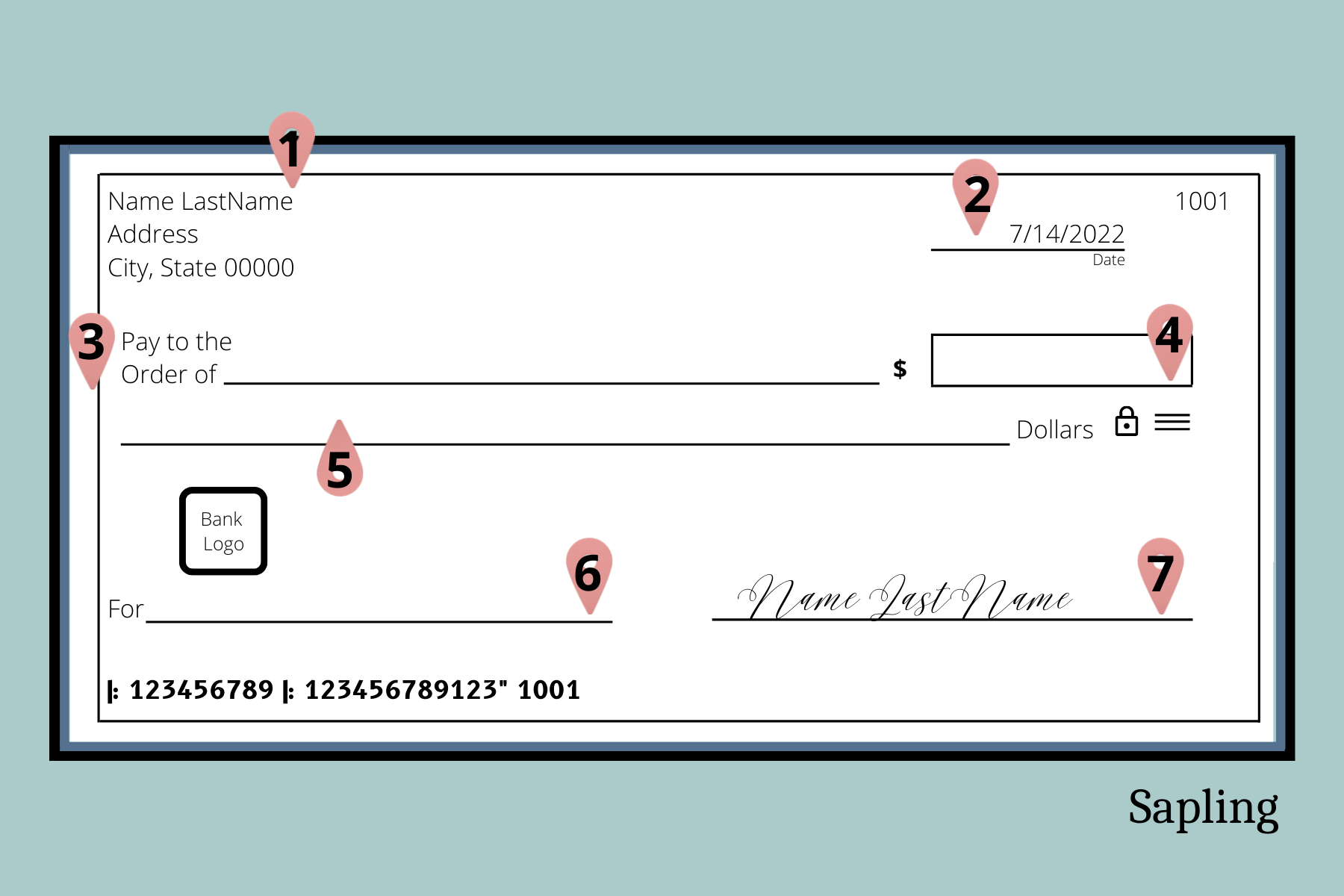
Every part of the check serves a purpose. Ensure each field is filled out clearly and correctly:
-
Date: Write the current date in the top right corner. Ensure it is the date you are mailing the check, not a future date.
-
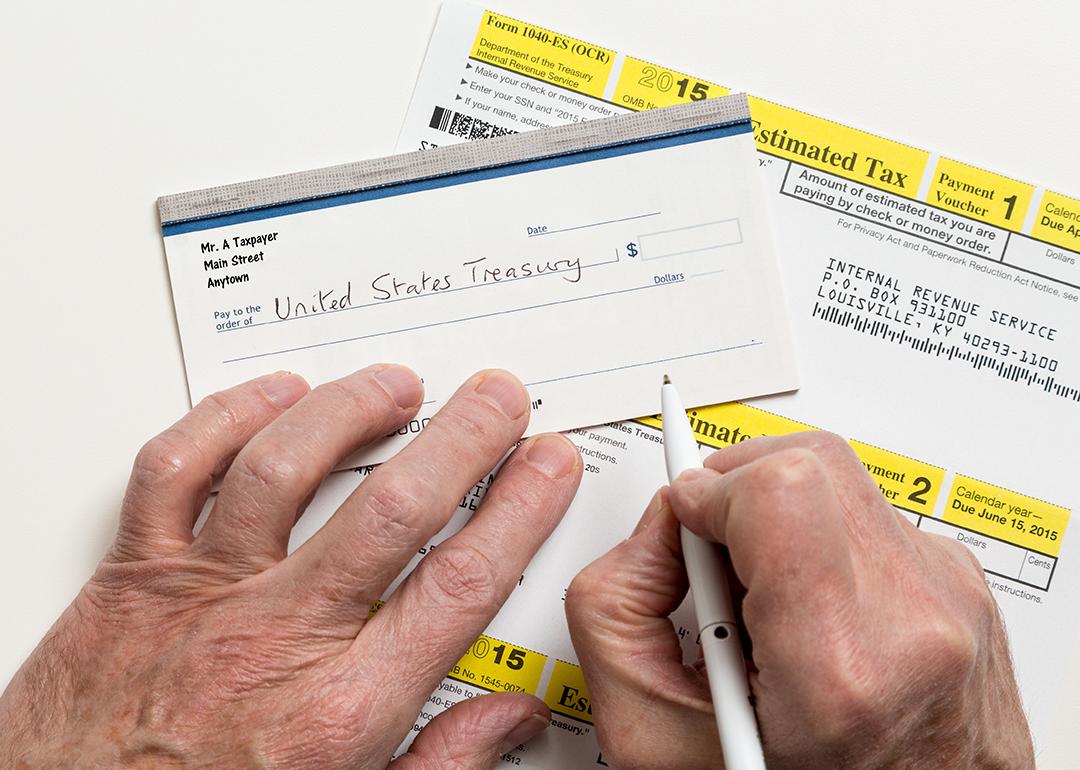
Payee Line: This is arguably the most crucial detail. Make the check payable to the “U.S. Treasury.” Do not use “IRS,” “Internal Revenue Service,” or any other variation.
-
Numeric Amount Box: Write the exact dollar amount of your payment in numbers (e.g., “$1,234.56”). Start as close to the dollar sign as possible to prevent alteration.
-
Written Amount Line: Write out the exact dollar amount in words (e.g., “One Thousand Two Hundred Thirty-Four and 56/100 Dollars”). Again, write clearly and fill the line completely to prevent alterations.
-
Signature: Sign the check in the bottom right corner, exactly as your signature appears on file with your bank. The check must be from an account in your name or your joint account.
-
Memo Line (Extremely Important): This is where you provide the IRS with the necessary information to correctly identify and apply your payment. Do not leave it blank. You must include:
- Your Tax ID Number: This is typically your Social Security Number (SSN) if paying personal income tax, or your Employer Identification Number (EIN) if paying business tax. If it’s a joint return, include the SSN of the primary filer (the one listed first on the return).
- The Tax Year: Specify the year for which the payment is being made (e.g., “2023”). This is critical, especially for estimated tax payments or payments for prior years.
- The Associated Tax Form Number: Indicate the form for which the payment applies (e.g., “Form 1040” for annual income tax, “Form 1040-ES” for estimated taxes, “Form 941” for employer’s quarterly federal tax return).
Example Memo Line: “SSN: XXX-XX-XXXX, 2023 Form 1040”
Specific Instructions for Different Payment Types
The information required in the memo line can vary slightly depending on the type of payment you’re making:
- Annual Income Tax (Form 1040 Balance Due):
- Payee: U.S. Treasury
- Memo: Your SSN (or primary SSN for joint return), the tax year (e.g., 2023), and “Form 1040.”
- Estimated Taxes (Form 1040-ES):
- Payee: U.S. Treasury
- Memo: Your SSN (or primary SSN), the tax year (e.g., 2024), and “Form 1040-ES.” It’s also helpful to note the payment quarter (e.g., “1st Qtr”).
- Business Taxes (e.g., Form 941, 1120):
- Payee: U.S. Treasury
- Memo: Your EIN, the tax year (and period if applicable, e.g., “Q1 2024”), and the specific form number (e.g., “Form 941”).
- Payments in Response to an IRS Notice:
- Payee: U.S. Treasury
- Memo: Your SSN/EIN, the tax year the notice pertains to, and the notice number (e.g., “CP14”).
Always ensure the information on your check matches any accompanying payment voucher or form.
Preparing Your Payment for Submission
Writing the check is only half the battle. How you package and mail it significantly impacts whether it reaches the IRS correctly and is processed efficiently.
Accompanying Forms and Vouchers
Most check payments to the IRS require an accompanying payment voucher or form. These vouchers are designed to help the IRS categorize your payment quickly.
- Form 1040-V (Payment Voucher): If you’re paying a balance due with your annual income tax return (Form 1040), you should include Form 1040-V. This voucher simply reiterates the key information from your check (SSN, tax year, amount) in a scannable format. Staple your check to the Form 1040-V, but do not staple it to your tax return itself.
- Form 1040-ES (Estimated Tax for Individuals) Payment Vouchers: For estimated tax payments, use the appropriate voucher from Form 1040-ES for the quarter you are paying. Again, attach your check to the voucher.
- No Specific Voucher: In some cases, such as responding to certain IRS notices or paying for a unique situation, there might not be a specific voucher. In these instances, ensure your memo line is extra clear, and consider including a cover letter if the situation is complex, referencing the relevant IRS notice or communication.
Always follow the instructions provided with your tax forms or IRS notices regarding whether to include a voucher and how to attach your payment.
Mailing Your Payment
The correct mailing address for the IRS can vary depending on your state of residence and the specific form you are filing.
-
Finding the Correct Address:
- Form 1040 Instructions: Consult the instructions for Form 1040 (or the specific form you are filing) for the correct mailing address based on your geographic location.
- IRS Website: The official IRS website (irs.gov) provides a comprehensive list of “Where to File” addresses for various forms and states. Use their search function to ensure you have the most up-to-date information.
- IRS Notices: If you are responding to an IRS notice, the correct payment address will typically be provided directly on the notice itself.
-
Sending Your Payment:
- Standard Mail: For most payments, standard first-class mail is acceptable, provided it is postmarked by the due date.
- Certified Mail with Return Receipt: For significant payments, or if you want irrefutable proof of mailing and delivery, consider using certified mail with a return receipt from the U.S. Postal Service. This provides a mailing date record and a signature upon delivery. This is highly recommended to protect yourself in case of a dispute or lost payment.
-
Keeping Records: Before mailing, make a copy of the front and back of your signed check. Keep this copy along with a copy of your tax return, any payment vouchers, and your certified mail receipt (if applicable). This documentation is invaluable for your records and for resolving any potential issues with the IRS.
Common Pitfalls and Best Practices
Paying taxes by check can be straightforward, but certain errors can lead to delays, penalties, or misapplication of your payment.
Avoiding Common Errors
- Incorrect Payee: Always “U.S. Treasury,” never “IRS.” This is one of the most frequent mistakes.
- Missing or Incomplete Memo Line: Without proper identification (SSN/EIN, tax year, form number), the IRS will have difficulty crediting your account. This can lead to delays, notices of unpaid tax, and even penalties, even if the check clears.
- Wrong Amount: Double-check your calculations. Discrepancies can lead to underpayment penalties or delays in processing.
- Late Payment: Payments must be postmarked by the due date. Mail early, especially if using standard mail, to avoid last-minute rush and potential delays.
- Unsigned Checks: An unsigned check is invalid and will be returned, leading to late payment.
- Stapling Mistakes: Only staple the check to the payment voucher (e.g., Form 1040-V). Do not staple it directly to your tax return unless instructed otherwise.
The Importance of Timeliness
Tax due dates are firm. The IRS follows the “postmark rule,” meaning your payment is considered timely if it is postmarked by the due date. However, mail delays can occur, especially around major tax deadlines. It is always advisable to mail your payment several days before the deadline. Penalties for late payment can accrue quickly, adding interest and fines to your original tax liability.
Thorough Record Keeping
Maintaining meticulous records is a cornerstone of sound financial management, especially concerning taxes. Keep copies of:
- The completed check (front and back).
- The payment voucher.
- Your tax return.
- Proof of mailing (certified mail receipt).
- Any correspondence with the IRS.
These records serve as your primary defense and reference if any questions or discrepancies arise in the future.
When to Seek Professional Help
If you find yourself overwhelmed, unsure about the correct payment amount, or dealing with complex tax situations, don’t hesitate to consult a qualified tax professional. A Certified Public Accountant (CPA), an Enrolled Agent (EA), or a tax attorney can provide expert guidance, ensure accuracy, and help you navigate the intricacies of tax compliance. Their expertise can save you time, stress, and potential financial penalties in the long run.
Paying your taxes is a fundamental civic duty, and ensuring that your payment reaches the IRS correctly is crucial. By following these detailed steps—from accurately identifying your obligation and correctly filling out your check to properly preparing and mailing your payment—you can confidently fulfill your tax responsibilities. While digital payment methods offer convenience, the trusty paper check remains a valid and reliable option when handled with precision and care.
aViewFromTheCave is a participant in the Amazon Services LLC Associates Program, an affiliate advertising program designed to provide a means for sites to earn advertising fees by advertising and linking to Amazon.com. Amazon, the Amazon logo, AmazonSupply, and the AmazonSupply logo are trademarks of Amazon.com, Inc. or its affiliates. As an Amazon Associate we earn affiliate commissions from qualifying purchases.