
In the evolving landscape of digital finance, cryptocurrencies have emerged as a significant asset class, capturing the interest of individual investors and institutional players alike. Coinbase stands as one of the largest and most widely recognized cryptocurrency exchanges, offering a user-friendly platform for buying, selling, and managing a diverse portfolio of digital assets. While the thrill of accumulating crypto can be compelling, a crucial aspect of responsible financial management involves understanding how to convert these digital holdings into tangible, usable funds. This process of withdrawal is fundamental to realizing profits, managing liquidity, or simply accessing your capital when needed.
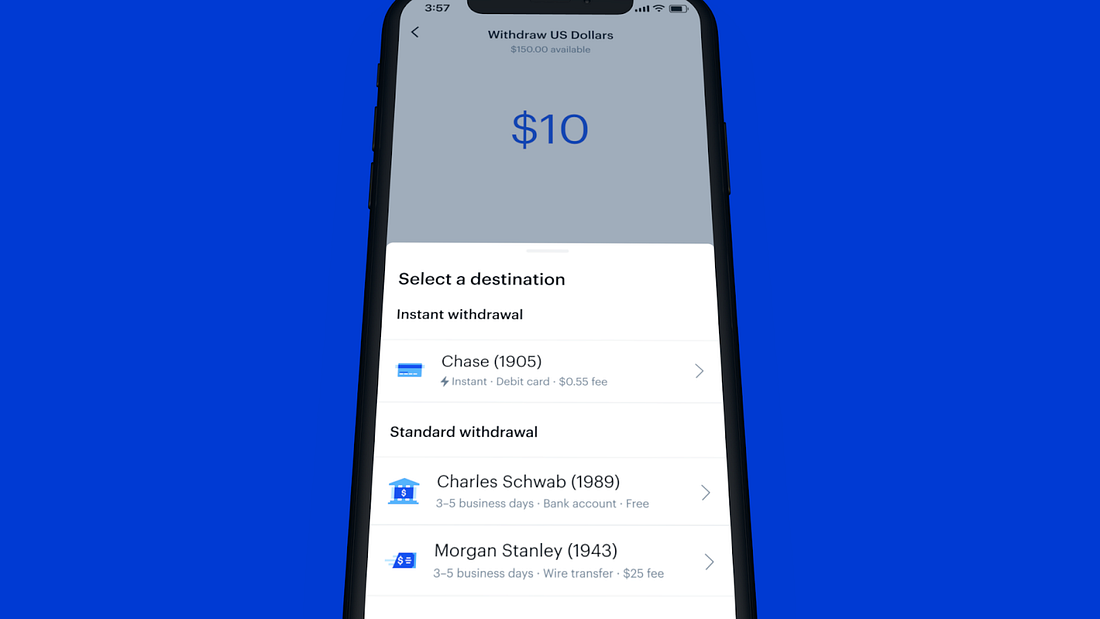
This comprehensive guide will demystify the process of withdrawing money from Coinbase, providing a clear, step-by-step walkthrough. We will delve into the various withdrawal options, discuss the financial considerations such as fees and limits, and offer best practices to ensure a secure and efficient transfer of your digital wealth into your traditional bank account or other preferred financial instruments. Whether you’re a seasoned crypto investor or new to the digital asset space, mastering the withdrawal process is an essential skill for navigating the modern financial ecosystem.
Understanding Your Funds and Withdrawal Options
Before initiating any withdrawal, it’s essential to have a clear understanding of the types of funds you hold on Coinbase and the available methods for cashing them out. This foundational knowledge will help you choose the most suitable and cost-effective approach for your financial needs.
Different Asset Types on Coinbase
Coinbase primarily deals with two types of assets: cryptocurrencies and fiat currencies.
- Cryptocurrencies: These are digital or virtual currencies that use cryptography for security and operate on decentralized networks. Examples include Bitcoin (BTC), Ethereum (ETH), Litecoin (LTC), and thousands of others. When you “withdraw money” in the context of cryptocurrencies, you are typically converting them into a fiat currency first.
- Fiat Currencies: These are government-issued currencies not backed by a physical commodity like gold or silver. Examples include the US Dollar (USD), Euro (EUR), British Pound (GBP), and others. Coinbase holds your fiat currency balances in your dedicated fiat wallet (e.g., USD Wallet, EUR Wallet). The ultimate goal of a withdrawal is usually to transfer these fiat balances out of Coinbase and into your traditional banking system.
Supported Withdrawal Methods
Coinbase offers several methods for withdrawing fiat currency, though availability may vary based on your geographical location and the specific fiat currency you are withdrawing.
- Bank Transfer (ACH/SEPA/Wire): This is the most common method.
- ACH (Automated Clearing House): Predominantly used in the United States, ACH transfers are generally free or low-cost but can take 3-5 business days to process.
- SEPA (Single Euro Payments Area): Standard for Eurozone countries, SEPA transfers are usually free or inexpensive and typically complete within 1-2 business days.
- Wire Transfer: Available in some regions for larger sums, wire transfers are faster (often same-day or next-day) but usually incur higher fees.
- PayPal: In certain regions, you can link your PayPal account to Coinbase for instant withdrawals. This can be a convenient option for smaller amounts due to potentially higher fees or limits compared to bank transfers.
- Debit Card: Less common for direct withdrawals of funds held on Coinbase, debit cards are primarily used for instant buys. However, some regions or specific promotions might allow instant cash-outs to linked debit cards, often with associated fees.
Key Considerations Before Withdrawing
Several financial and security parameters must be met or considered before you can successfully withdraw funds:
- Verification Status (KYC): Coinbase operates under Know Your Customer (KYC) regulations. Your account must be fully verified, including identity verification and often address verification, to unlock full withdrawal capabilities and higher limits.
- Withdrawal Limits: All accounts have daily, weekly, or monthly withdrawal limits, which increase with higher verification levels. Be mindful of these limits when planning your transactions.
- Holding Periods: If you’ve recently funded your Coinbase account via certain methods (e.g., ACH bank transfer), a temporary holding period (typically 3-7 days) may be imposed on those funds before you can withdraw them. This is a security measure to prevent fraud.
- Associated Fees: Each withdrawal method may have different fees. It’s crucial to review these fees before confirming your transaction to understand the net amount you will receive.
A Step-by-Step Guide to Fiat Withdrawals
The process of withdrawing money from Coinbase typically involves two main stages: first, converting your cryptocurrency into a fiat currency (if you haven’t already), and then transferring that fiat currency to your external bank account or linked payment method.
Initiating a Sell Order (Crypto to Fiat)
If your funds are currently held in cryptocurrency, you’ll need to sell them for your desired fiat currency.
- Log In and Navigate: Log into your Coinbase account. From the dashboard, look for a “Buy/Sell” or “Trade” option. On the mobile app, this is often represented by a central button.
- Select “Sell”: Choose the “Sell” option. You will then be prompted to select the cryptocurrency you wish to sell (e.g., Bitcoin, Ethereum) and the fiat currency you want to receive (e.g., USD, EUR).
- Enter Amount: Input the amount of cryptocurrency you want to sell, or the equivalent fiat amount you wish to receive. Coinbase will display the current conversion rate.
- Review and Confirm: Carefully review the transaction details, including the amount, the estimated fiat you will receive, and any associated fees. Coinbase clearly outlines these fees as part of the transaction breakdown. If everything looks correct, confirm the sell order. The fiat currency will then be credited to your Coinbase fiat wallet (e.g., USD Wallet).
Transferring Fiat to Your Bank Account
Once your funds are in fiat currency within your Coinbase account, you can proceed with withdrawing them to your linked external account.
- Access Your Fiat Wallet: From your Coinbase dashboard or portfolio, navigate to your fiat currency wallet (e.g., “USD Balance” or “EUR Wallet”).
- Select “Withdraw” or “Cash Out”: Within your fiat wallet, you will find an option to “Withdraw” or “Cash Out.” Click on this.
- Choose Withdrawal Method: Select your preferred linked bank account (e.g., checking account, savings account) or PayPal. If you haven’t linked one yet, you will be prompted to do so. Ensure the account details are accurate and that the account is in your name.
- Enter Withdrawal Amount: Specify the amount of fiat currency you wish to withdraw. Pay attention to your daily or weekly withdrawal limits.
- Review Transaction and Confirm: A summary of your withdrawal will be presented, showing the amount, the destination account, the estimated processing time, and any applicable fees. It is crucial to double-check all these details. Once satisfied, confirm the withdrawal. You may need to enter a 2FA code for security.
Monitoring Your Withdrawal Status
After confirming your withdrawal, you can track its progress within your Coinbase account.
- Transaction History: Navigate to your “Portfolio” or “Activity” section. Here, you will see a record of all your transactions, including pending and completed withdrawals.
- Email Notifications: Coinbase typically sends email notifications confirming your withdrawal request and another when the funds have been successfully sent from their end.
- Bank Account: Finally, monitor your external bank account or PayPal for the arrival of the funds. Remember to account for the estimated processing times.
Navigating Fees, Limits, and Timelines
Understanding the financial implications of withdrawing funds from Coinbase is crucial for effective money management. Fees, limits, and processing times can significantly impact the net amount you receive and when you receive it.

Understanding Coinbase Withdrawal Fees
Coinbase charges fees for various services, including selling cryptocurrencies and withdrawing fiat money. These fees can vary based on the specific transaction, your region, and the payment method chosen.
- Crypto Sell Fees: When you convert cryptocurrency to fiat, Coinbase applies a spread (difference between buy and sell price) and/or a flat transaction fee. This fee structure is displayed clearly before you confirm the sell order.
- Fiat Withdrawal Fees:
- ACH Transfers (US): Often free for standard withdrawals, making them the most cost-effective option for many users.
- SEPA Transfers (Europe): Typically free for standard withdrawals.
- Wire Transfers (US/International): These usually incur higher fees (e.g., $25 USD for outgoing wires) due to their speed and the associated banking network costs.
- PayPal: While instant, PayPal withdrawals can sometimes have higher percentage-based fees compared to bank transfers.
- Debit Card Withdrawals: If available, these often come with a percentage-based fee.
It is always advisable to review the exact fees displayed on the confirmation screen before executing any withdrawal. These fees directly impact your financial return.
Daily and Weekly Withdrawal Limits
To comply with regulatory requirements and mitigate risks, Coinbase imposes withdrawal limits on accounts. These limits are dynamic and depend on several factors:
- Account Verification Level: Fully verified accounts (those that have completed all KYC steps) typically have significantly higher limits than unverified or partially verified accounts.
- Account History: Longer-standing accounts with a history of legitimate transactions might also see higher limits over time.
- Region: Limits can vary by country or region due to local financial regulations.
- Method: Some withdrawal methods might have different limits than others.
It’s important for financial planning to be aware of your current limits. If you need to withdraw a sum exceeding your current limit, you may need to either upgrade your verification level or split the withdrawal into multiple transactions over several days or weeks.
Expected Withdrawal Timelines
The time it takes for withdrawn funds to reach your external account can vary considerably based on the chosen method and banking network processing times.
- ACH Transfers (US): Typically take 3-5 business days. This timeframe does not include weekends or public holidays.
- SEPA Transfers (Europe): Generally faster, completing within 1-2 business days.
- Wire Transfers: Often the quickest bank transfer method, usually processing within 1 business day, sometimes even same-day if initiated early.
- PayPal: Often instant, or within minutes, after Coinbase processes the request.
- Debit Card Withdrawals: Can be instant or within 30 minutes.
It’s crucial to set realistic expectations based on these timelines. While Coinbase usually processes withdrawal requests promptly, the actual arrival of funds in your bank account is dependent on the banking system’s clearing processes, which are outside of Coinbase’s direct control.
Best Practices for Secure and Efficient Withdrawals
Navigating the financial landscape of cryptocurrencies requires not only an understanding of the mechanics but also adherence to best practices that ensure the security and efficiency of your transactions. Thoughtful planning and vigilance are paramount when withdrawing money from any digital platform.
Importance of Account Security
Protecting your Coinbase account is synonymous with protecting your financial assets. Robust security measures are your first line of defense against unauthorized access and potential financial loss.
- Enable Two-Factor Authentication (2FA): This is non-negotiable. Use an authenticator app (like Google Authenticator or Authy) rather than SMS-based 2FA, as SMS can be vulnerable to SIM-swapping attacks. 2FA adds an essential layer of security by requiring a second verification step during login or transaction confirmation.
- Use Strong, Unique Passwords: Never reuse passwords, especially for financial accounts. Create complex passwords that combine uppercase and lowercase letters, numbers, and symbols. Consider using a reputable password manager.
- Be Wary of Phishing Attempts: Always double-check the URL before logging into Coinbase. Legitimate Coinbase emails will not ask for your password or 2FA codes. Phishing scams are designed to trick you into revealing your credentials, leading to financial compromise.
- Keep Software Updated: Ensure your operating system, browser, and antivirus software are up to date to protect against known vulnerabilities.
Verifying Linked Accounts
Accuracy and ownership of your linked external accounts are critical to preventing delays or, worse, funds being sent to the wrong destination.
- Ensure Correct Account Details: Before initiating a withdrawal, double-check that the bank account number, routing number, and account holder name are absolutely correct. Even a single digit error can cause significant problems.
- Account Ownership: The linked bank account or PayPal account must be in your name, matching the name on your Coinbase account. Coinbase enforces this to comply with anti-money laundering (AML) regulations and to protect against fraud. Attempting to withdraw to a third-party account will likely result in a rejection and potential account review.
- Test Small Withdrawals: For a new linked account or if you’re unsure about the process, consider making a small test withdrawal first to confirm everything works as expected before attempting a larger transfer.
Planning Your Withdrawals Strategically
Strategic financial planning can optimize your withdrawals, especially when dealing with volatile assets like cryptocurrencies and tax implications.
- Consider Market Volatility: If you are converting cryptocurrency to fiat, be mindful of market prices. Attempting to sell during a significant downturn could result in selling at a loss. Conversely, timing your sale during favorable market conditions can maximize your fiat return.
- Tax Implications: In many jurisdictions, selling cryptocurrency for a profit (or even converting one crypto to another) constitutes a taxable event. Keep meticulous records of all your transactions, including the purchase price, sale price, and dates. Consult with a tax professional to understand your specific obligations regarding capital gains or losses. Ignoring tax implications can lead to significant financial penalties.
- Urgent vs. Non-Urgent Needs: If you have an urgent need for funds, be aware of the processing timelines of different withdrawal methods. Wire transfers are faster but more expensive; ACH/SEPA are cheaper but slower. Plan accordingly to avoid financial stress.

Record Keeping for Tax Purposes
Comprehensive record-keeping is not just a best practice; it’s a financial necessity, especially with cryptocurrency transactions.
- Download Transaction History: Coinbase allows you to download your full transaction history. Do this regularly, especially at the end of each tax year.
- Document Cost Basis: Keep track of the price you paid for each cryptocurrency you acquired. This “cost basis” is crucial for calculating capital gains or losses when you sell or trade.
- Consult a Tax Professional: Cryptocurrency tax laws are complex and constantly evolving. Engaging a qualified tax advisor who specializes in digital assets can help ensure you remain compliant and optimize your financial outcomes. Proper record-keeping makes their job, and your tax filing, significantly easier.
In conclusion, withdrawing money from Coinbase is a straightforward process once you understand the steps, the associated financial considerations, and the best practices for security and efficiency. By being informed about asset types, withdrawal methods, fees, limits, and maintaining diligent financial records, you can confidently manage your cryptocurrency investments and seamlessly integrate them with your traditional financial life. Responsible financial stewardship in the digital age requires both technical understanding and a keen eye on the monetary implications of every transaction.
aViewFromTheCave is a participant in the Amazon Services LLC Associates Program, an affiliate advertising program designed to provide a means for sites to earn advertising fees by advertising and linking to Amazon.com. Amazon, the Amazon logo, AmazonSupply, and the AmazonSupply logo are trademarks of Amazon.com, Inc. or its affiliates. As an Amazon Associate we earn affiliate commissions from qualifying purchases.