
In an increasingly digital world, the need to access physical cash remains a fundamental aspect of personal finance for many. Whether it’s for small transactions, emergencies, or simply preferring tangible currency, knowing how to efficiently and securely withdraw money from your bank account is an essential financial skill. While the process might seem straightforward, understanding the various methods, necessary preparations, and best practices can empower you to manage your funds more effectively and avoid common pitfalls. This guide delves into the mechanics of bank withdrawals, offering insights designed to ensure a smooth, secure, and informed experience every time you need to convert your digital balance into spendable cash.
Understanding Your Options: Methods of Withdrawal
Accessing your money from a bank isn’t a one-size-fits-all process. Banks offer several distinct avenues for withdrawal, each with its own set of advantages, limitations, and operational nuances. Understanding these options is the first step towards choosing the most appropriate method for your specific needs, considering factors like the amount required, time constraints, and your comfort with technology versus human interaction.
Over-the-Counter (Teller) Withdrawals
The traditional method of withdrawing money involves interacting directly with a bank teller. This personal service is often preferred for larger sums, complex transactions, or when you require human assistance and verification. Tellers can also provide change denominations that ATMs cannot, or address specific account inquiries during the withdrawal process. While it typically requires a visit during banking hours and might involve waiting in a queue, the security and personalized service offered by a teller can be invaluable, especially for significant cash withdrawals or when you’ve forgotten your ATM card. For this method, you’ll generally need your account details and a valid form of identification.
ATM (Automated Teller Machine) Withdrawals
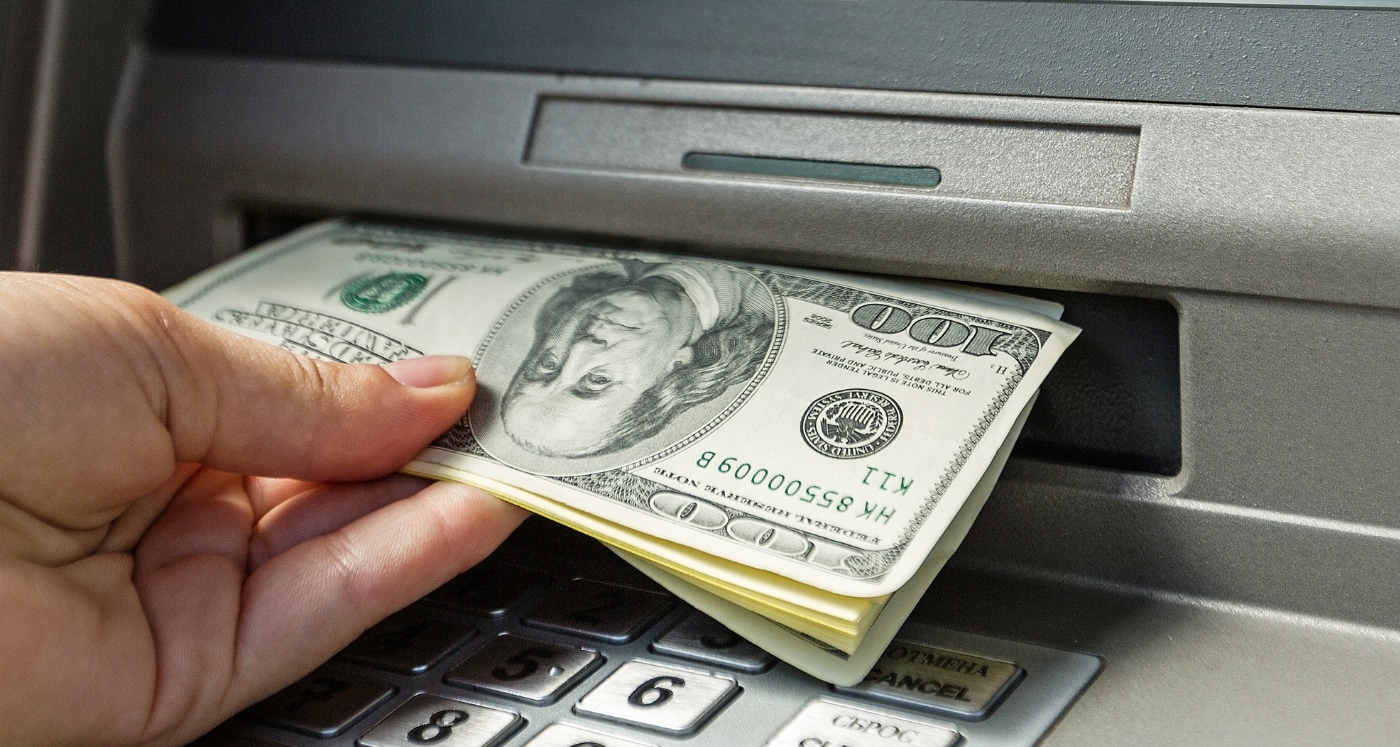
ATMs represent the ubiquitous and convenient face of modern banking, offering 24/7 access to your funds without the need for human intervention. These machines allow you to withdraw cash, check balances, transfer funds, and sometimes even deposit checks. ATMs are ideal for smaller to moderate cash needs, providing unparalleled convenience, especially outside of standard banking hours or when you’re on the go. To use an ATM, you’ll need your debit card and its associated Personal Identification Number (PIN). While highly convenient, ATM withdrawals are subject to daily limits set by your bank and the machine itself, and sometimes incur fees, particularly if you use an ATM outside your bank’s network.
Cash Back at Point-of-Sale (POS)
Though not a direct bank withdrawal in the traditional sense, obtaining “cash back” when making a purchase at a retail store (like a grocery store or pharmacy) is another common way to access small amounts of cash linked to your bank account. When paying with your debit card, many merchants offer the option to add a small cash increment to your transaction, which is then debited from your account along with your purchase total. This method bypasses the need to visit an ATM or bank branch, offering incredible convenience for quick, small cash needs. It typically involves no additional fees beyond your purchase and is subject to the retailer’s cash-back limits, which are usually quite modest.
Preparing for Your Bank Withdrawal
Before you even step foot in a bank or approach an ATM, a little preparation can save you time, prevent complications, and enhance the security of your transaction. Knowing what you need and what to expect is crucial for a smooth withdrawal process, ensuring you can access your funds without unnecessary delays or frustrations.
Knowing Your Account Details and Balance
Always have a clear understanding of which account you intend to withdraw from and its current balance. For teller withdrawals, knowing your account number (or having your debit card) is essential. For ATM withdrawals, your debit card is paramount. Crucially, verify your account balance beforehand, either through online banking, a mobile app, or an ATM inquiry. Attempting to withdraw more money than available in your account will result in a declined transaction, which can be an inconvenience and, in some cases, may trigger a fee from your bank.
Essential Identification Documents
When performing an over-the-counter withdrawal with a teller, presenting a valid form of identification is mandatory. This is a critical security measure designed to protect your account from unauthorized access. Acceptable forms of ID typically include a government-issued photo ID such as a driver’s license, state ID card, or passport. Ensure your ID is current and matches the name on your bank account. For ATM withdrawals, your debit card and PIN serve as your primary identification; however, it’s always wise to carry a secondary ID in case of card issues or if you need to go inside the branch afterwards.
Understanding Daily and Transaction Limits
Both banks and individual ATMs impose daily withdrawal limits, which are the maximum amount of cash you can take out within a 24-hour period. These limits vary significantly based on your account type and the bank’s policies, typically ranging from a few hundred to over a thousand dollars for ATMs. For teller withdrawals, limits are often higher but can still exist, particularly for very large sums where prior notification to the bank may be required. Be aware of these limits to plan your withdrawals accordingly. Attempting to exceed them will result in a rejected transaction. Also, note that some banks or specific ATMs may have per-transaction limits, requiring you to perform multiple withdrawals for larger amounts.
Security Measures to Consider
Security should be a paramount concern when withdrawing money. When using an ATM, always be aware of your surroundings and avoid machines in poorly lit or isolated areas, especially at night. Cover the keypad with your hand when entering your PIN to prevent “shoulder surfing.” For teller withdrawals, ensure you’re in a secure environment within the bank and are discreet when handling cash. After any withdrawal, promptly put your cash away in a secure location (e.g., wallet, purse) before leaving the premises. Never share your PIN with anyone, and report a lost or stolen debit card immediately to your bank.
The Step-by-Step Process: Navigating Each Method
Knowing what to do at each stage of the withdrawal process ensures efficiency and reduces the likelihood of errors. While the core objective remains the same – getting cash – the execution differs significantly between an ATM and a teller.
Withdrawing at an ATM
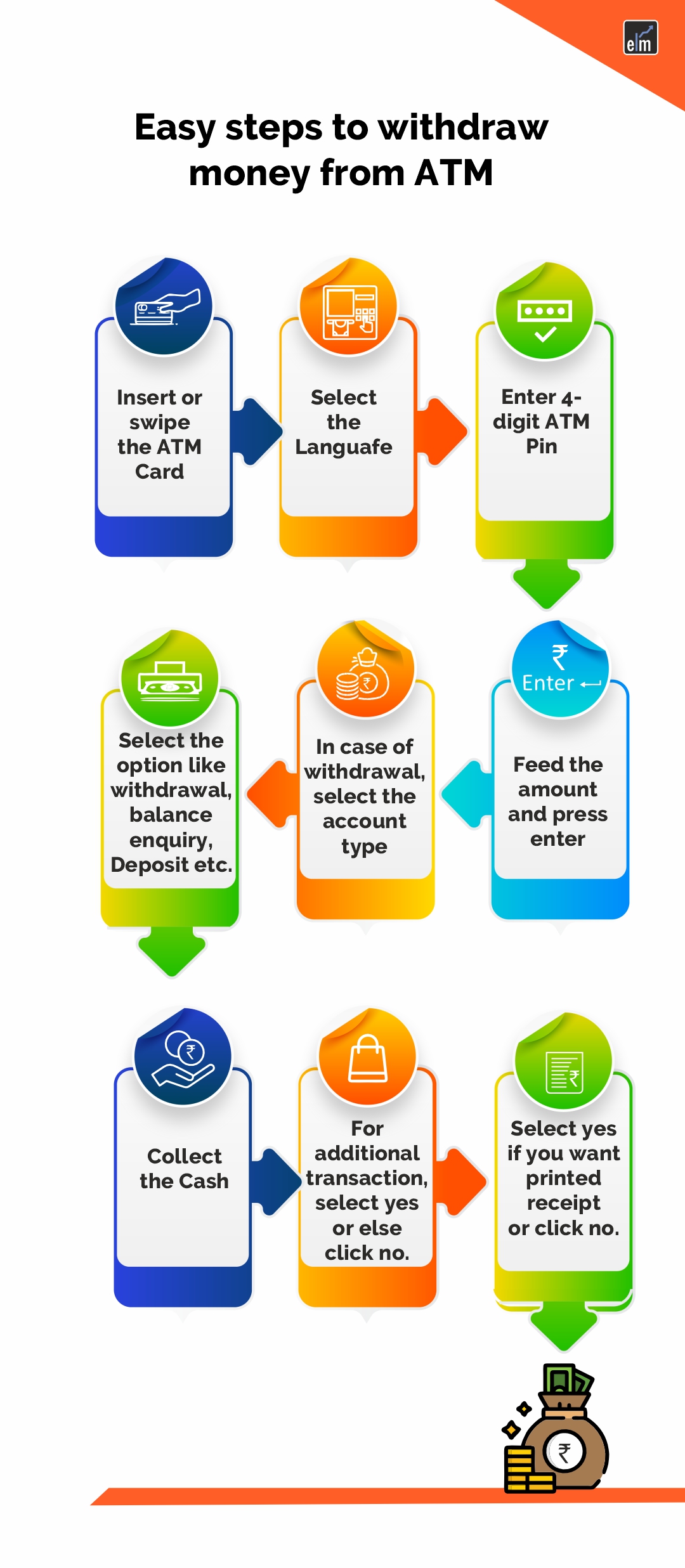
ATMs are designed for user-friendliness, but following the correct sequence is key to a successful transaction.
Locating an ATM
Start by finding an ATM that belongs to your bank or is part of a fee-free network to avoid extra charges. Many bank websites and mobile apps have ATM locators. Look for well-lit, secure locations.
Inserting Your Card and PIN
Insert your debit card into the designated slot. The ATM screen will then prompt you to enter your four-digit Personal Identification Number (PIN). Always shield the keypad with your hand while entering your PIN to protect it from onlookers or hidden cameras.
Selecting ‘Withdrawal’ and Amount
Once your PIN is accepted, you’ll be presented with a menu of options. Select “Withdrawal” or “Cash Withdrawal.” The machine will then ask you to choose the account (e.g., checking, savings) from which you wish to withdraw funds. Finally, enter the specific amount of cash you need. Most ATMs offer quick-cash options for common amounts, or you can input a custom amount. Be mindful of daily limits and the ATM’s cash availability.
Collecting Cash and Receipt
After processing, the machine will dispense your cash, usually from a slot at the bottom. Crucially, count the cash immediately to ensure the amount is correct. Following this, your debit card will be returned, often accompanied by a transaction receipt. Take both your card and receipt. The receipt is vital for record-keeping and resolving any discrepancies later.
Withdrawing with a Teller
For those preferring a human touch or needing to withdraw larger sums, the teller window is the place.
Approaching the Teller
Enter the bank and join the queue for the teller line. Have your debit card or account number, and your valid photo ID ready. When it’s your turn, approach the teller window, greet the teller, and state your intention to make a withdrawal.
Presenting ID and Account Information
Hand over your debit card (if you have it) or provide your account number. More importantly, present your government-issued photo identification. The teller will verify your identity against the account records. This step is non-negotiable for security and regulatory compliance.
Completing a Withdrawal Slip
In many banks, especially for larger withdrawals, you may be asked to fill out a withdrawal slip. This form typically requires your account number, the amount you wish to withdraw, and your signature. Fill it out clearly and accurately. The teller may also ask for the denominations you prefer (e.g., “Would you like twenties or hundreds?”).
Verifying Funds and Receipt
The teller will process your request, count out the cash, and hand it to you. Always count the cash at the window before stepping away to confirm it’s the correct amount. You will also receive a transaction receipt. Keep this receipt for your records. Before leaving the counter, ensure you have collected all your documents, ID, and the cash.
Important Considerations and Best Practices
Withdrawing money efficiently goes beyond just the mechanics; it involves adopting smart financial habits and being prepared for various scenarios. Proactive measures can prevent issues and safeguard your funds.
Security Tips for ATM and Teller Transactions
Vigilance is your best defense. When using an ATM, select machines in public, well-lit areas, preferably inside bank branches. Inspect the ATM for any suspicious attachments (skimmers on the card reader, cameras near the PIN pad). When entering your PIN, always shield the keypad. After completing the transaction, immediately put your cash and card away securely before leaving the ATM. For teller transactions, be discreet. Avoid openly displaying large amounts of cash. If you are withdrawing a significant sum, consider bringing a companion or using a withdrawal method that offers enhanced security, such as an armored transport service for businesses.
Managing Withdrawal Limits and Fees
Always be aware of your bank’s daily withdrawal limits for ATMs and tellers. If you need to withdraw a sum exceeding these limits, contact your bank in advance to make arrangements. They may require prior notification, especially for very large amounts, to ensure cash availability and to implement enhanced security protocols. Understand the fee structure for ATM usage; using an ATM outside your bank’s network often incurs fees from both your bank and the ATM owner. Plan your withdrawals to use in-network ATMs or choose methods like cash back at POS to avoid these extra costs.
Record Keeping and Reconciliation
Every withdrawal generates a record – either an ATM receipt or a teller receipt. Keep these receipts diligently. They are crucial for tracking your spending, balancing your checkbook or online accounts, and identifying any discrepancies. Regularly compare your withdrawal records with your bank statements to ensure accuracy. This practice helps in detecting unauthorized transactions or banking errors promptly, allowing you to dispute them within your bank’s timeframe.
What to Do in Case of Issues (e.g., Lost Card, Wrong Amount)
Despite precautions, issues can arise. If your ATM card is lost or stolen, report it to your bank immediately. Most banks have a 24/7 hotline for such emergencies. Prompt reporting helps limit your liability for unauthorized transactions. If an ATM malfunctions (e.g., doesn’t dispense cash or dispenses the wrong amount), do not leave the machine. Note the ATM number and time, and contact the bank (via the phone number on the ATM or your bank’s customer service) while still at the machine, if possible. For teller errors, if you notice a discrepancy with the cash amount, point it out immediately before leaving the teller window. Banks have protocols for investigating and rectifying such issues, but timely reporting is critical.
Beyond Basic Withdrawals: Strategic Money Access
While the primary goal of withdrawing money is simply to get cash, a thoughtful approach to this process can be an integral part of broader financial planning and management, particularly for larger needs or specific situations.
Planning for Large Cash Needs
Occasionally, you might require a substantial amount of cash – perhaps for a down payment, a significant purchase from a private seller, or a specific event. For such instances, a standard ATM withdrawal is insufficient due to daily limits. It’s imperative to plan ahead:
-
Contact your bank: Inform them of your intention to withdraw a large sum, specifying the amount and date. This allows the bank to ensure sufficient cash is available and to prepare any necessary paperwork.
-
Verify ID requirements: Large withdrawals almost always require robust identification.
-
Consider security: Discuss security measures with your bank. They might offer a private room for the transaction or advise on the best time to withdraw to minimize risk.
-
Alternatives: For extremely large sums, consider alternatives like cashier’s checks or wire transfers, which offer a more secure way to transfer funds without handling vast amounts of physical cash.
International Withdrawals
When traveling abroad, accessing cash involves additional considerations. Your debit card can typically be used at international ATMs, but be mindful of:
-
Foreign transaction fees: Your bank may charge a fee for withdrawals made outside your home country.
-
ATM operator fees: The foreign ATM owner might also charge a separate fee.
-
Currency conversion rates: The exchange rate applied to your withdrawal can impact the final cost.
-
Notifying your bank: Informing your bank of your travel dates and destinations prevents your card from being flagged for suspicious activity and temporarily frozen.
-
Daily limits: International ATM limits can vary.
Researching these factors with your bank before traveling can save you significant costs and headaches. Carrying a backup payment method, like a credit card, is also advisable.
Emergency Fund Access
Your emergency fund is typically held in a savings account, often with your primary bank. While the goal is to keep it separate and untouched, understanding how to access it swiftly in a genuine emergency is crucial. Accessing emergency funds might involve a transfer from savings to checking (which can sometimes be done instantly via mobile banking or ATM) followed by a standard withdrawal, or a direct withdrawal from savings at a teller. Familiarize yourself with the withdrawal methods for your savings account to ensure quick access when unforeseen circumstances demand it.

Understanding Digital Alternatives
While this guide focuses on physical cash withdrawals, it’s worth noting the increasing prevalence of digital payment alternatives. Mobile payment apps, contactless payments, and online transfers have significantly reduced the reliance on physical cash for many transactions. While not replacing the need for cash entirely, these alternatives can reduce the frequency of bank visits or ATM stops, offering convenience and often enhanced security for everyday purchases. Integrating these tools into your financial routine can optimize how you manage and access your money, reserving cash withdrawals for situations where only physical currency will suffice.
In conclusion, mastering the art of withdrawing money from a bank is a foundational element of effective personal finance. By understanding the available methods, preparing adequately, following security best practices, and considering strategic approaches for various scenarios, you empower yourself to manage your cash flow with confidence and efficiency in any situation.
aViewFromTheCave is a participant in the Amazon Services LLC Associates Program, an affiliate advertising program designed to provide a means for sites to earn advertising fees by advertising and linking to Amazon.com. Amazon, the Amazon logo, AmazonSupply, and the AmazonSupply logo are trademarks of Amazon.com, Inc. or its affiliates. As an Amazon Associate we earn affiliate commissions from qualifying purchases.