
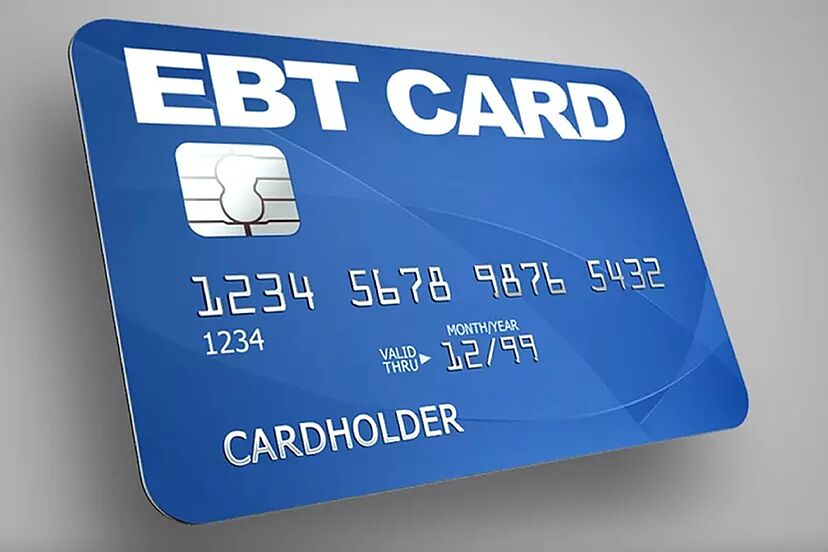
For many individuals and families across the United States, Electronic Benefits Transfer (EBT) cards are a crucial tool for accessing vital government assistance programs. While most commonly associated with food benefits (SNAP), a significant component of EBT functionality often includes cash assistance benefits, such as Temporary Assistance for Needy Families (TANF) or General Assistance (GA). Accessing these cash funds efficiently and securely is paramount for beneficiaries to manage their day-to-day financial needs, from paying bills to covering transportation costs.
This guide delves into the practical aspects of withdrawing cash from your EBT card, providing clear instructions, essential tips, and crucial insights to help you navigate the process effectively. Understanding the mechanisms, potential pitfalls, and best practices associated with EBT cash withdrawals is key to maximizing the utility of your benefits and ensuring financial stability. We will explore the different avenues available for cash withdrawal, shed light on associated fees and limits, and offer advice on safeguarding your funds. Our aim is to empower beneficiaries with the knowledge needed to confidently manage their EBT cash benefits.
Understanding Your EBT Cash Benefits
Before diving into the specifics of cash withdrawal, it’s critical to establish a clear understanding of what constitutes EBT cash benefits and how they differ from other forms of assistance. This foundational knowledge is essential for beneficiaries to utilize their cards correctly and avoid common misunderstandings.
Differentiating SNAP and Cash Assistance
One of the most frequent points of confusion for EBT cardholders is the distinction between Supplemental Nutrition Assistance Program (SNAP) benefits and cash assistance benefits. Both are often loaded onto the same EBT card, but they serve entirely different purposes and have distinct rules governing their use.
- SNAP Benefits (Food Stamps): These benefits are strictly for purchasing eligible food items at authorized retailers. They cannot be converted into cash, nor can they be used to buy non-food items like alcohol, tobacco, household supplies, or pet food. Attempts to withdraw cash from a SNAP balance will be unsuccessful, as the system is designed to prevent such transactions.
- Cash Assistance Benefits (TANF/GA): Unlike SNAP, cash assistance programs like TANF (Temporary Assistance for Needy Families) or state-specific General Assistance (GA) are designed to provide direct financial aid that can be used for a broader range of expenses. These funds are liquid and can be withdrawn as physical cash, used at point-of-sale (POS) terminals for eligible purchases, or even for certain bill payments. The specific programs and their availability vary by state and individual eligibility criteria, but the common thread is their designation as “cash benefits” on your EBT card.
It is vital for beneficiaries to understand which balance they are accessing when making a purchase or withdrawal. Many EBT cards will display separate balances for SNAP and cash benefits, or provide a way to check which balance is being debited during a transaction.
The Purpose and Scope of Cash Benefits
Cash assistance programs are fundamentally designed to provide a financial safety net for low-income families and individuals, helping them cover essential non-food expenses. The flexibility of cash benefits allows recipients to address a wide array of needs that SNAP benefits cannot, including:
- Housing Costs: Rent, mortgage payments, and utility bills (electricity, gas, water).
- Transportation: Gas for vehicles, public transport fares, and vehicle maintenance.
- Personal Care Items: Toiletries, hygiene products, and over-the-counter medications.
- Clothing: Essential apparel for adults and children.
- Household Supplies: Cleaning products, laundry detergent, and other non-food necessities.
- Education and Job Search Expenses: School supplies, job training fees, interview attire, and childcare costs while working or looking for employment.
This broad scope underscores the importance of cash benefits in promoting overall household stability and well-being. Effective management of these funds is not just about accessing them, but about strategically allocating them to meet critical financial obligations and improve quality of life. Understanding the permissible uses ensures that beneficiaries can make informed spending decisions that align with their household’s needs and the program’s intent.
Practical Methods for EBT Cash Withdrawal
Accessing the cash portion of your EBT benefits is designed to be straightforward, leveraging common financial infrastructure. There are primarily two main methods for withdrawing physical cash, along with a few less common alternatives. Each method comes with its own set of advantages, potential fees, and operational considerations.
Accessing Funds at ATMs
One of the most common and convenient ways to withdraw cash from your EBT card is through Automated Teller Machines (ATMs). This method offers 24/7 access to your funds, making it a flexible option for beneficiaries.
To withdraw cash from an ATM using your EBT card, you typically follow these steps:
- Locate a Compatible ATM: Look for ATMs that display the EBT logo or the logos of networks like Quest, Plus, or Cirrus. Most ATMs that accept standard debit cards will also accept EBT cash cards.
- Insert Your Card: Insert your EBT card into the ATM slot as you would a regular debit card.
- Enter Your PIN: You will be prompted to enter your four-digit Personal Identification Number (PIN). This PIN is crucial for securing your account and authorizing transactions.
- Select “Withdrawal”: From the menu options, select “Withdrawal.”
- Choose “Checking” or “Cash Benefits”: Depending on the ATM, you might be asked to select an account type. Choose “Checking” or specifically “Cash Benefits” if available. Do not select “Savings,” as this is not where your EBT cash benefits are held.
- Enter Amount: Input the desired cash amount you wish to withdraw. Be mindful of daily withdrawal limits and the ATM’s maximum dispensing limits per transaction.
- Confirm and Collect: Review the transaction details, confirm, and then collect your cash and receipt. The receipt is important for tracking your balance and transactions.
Important Considerations for ATM Withdrawals:
- Fees: While your EBT card issuer (the state) does not charge fees for cash withdrawals, many ATM owners (especially those not affiliated with the Quest network or your state’s preferred banks) will charge a surcharge. These fees typically range from $2 to $3 per transaction. To avoid these charges, try to use ATMs at banks that partner with your state’s EBT program or those that are part of the Quest network and explicitly state “no surcharge for EBT.” You can often find lists of surcharge-free ATMs on your state’s EBT website.
- Daily Limits: Most EBT programs impose daily withdrawal limits, which can vary by state but are typically around $500 or $1,000. Additionally, individual ATMs may have their own per-transaction limits, often $200 or $300.
- Balance Check: Many ATMs allow you to check your EBT cash balance, which is a good practice before making a withdrawal.
Utilizing Point-of-Sale (POS) Cash Back Services
Another widely accessible method for withdrawing EBT cash is by requesting “cash back” at participating retail stores. This option is often preferred as it frequently allows you to avoid ATM surcharges.
Here’s how to get cash back at a POS terminal:
- Locate a Participating Retailer: Many grocery stores, supermarkets, convenience stores, and discount stores offer EBT cash back. Look for stores that display the EBT logo or inquire at the customer service desk.
- Make a Purchase (Often Required): In most cases, you will need to make a small purchase with your EBT card (using your cash benefit balance) to be eligible for cash back. Some states or retailers might allow cash back without a purchase, but this is less common.
- Swipe Your EBT Card: At the checkout, swipe or insert your EBT card.
- Select “Cash Back”: When prompted, choose the “Cash Back” option.
- Enter Amount and PIN: Input the desired cash back amount and then enter your PIN.
- Complete Transaction: The cashier will provide you with the cash along with your purchased items and a receipt.
Benefits and Considerations for POS Cash Back:
- No Surcharges: Retailers generally do not charge additional fees for EBT cash back transactions, making it a cost-effective option.
- Convenience: Integrates with your regular shopping routine.
- Retailer Policies: Cash back limits can vary by store, often ranging from $20 to $100 per transaction. Some stores may also limit the total amount of cash back you can receive daily. It’s always a good idea to confirm the store’s policy beforehand.
- Availability of Funds: Retailers typically have a limited amount of cash in their registers, especially late in the day or during busy periods. If you request a large sum, they might not be able to fulfill it.
Other Less Common Withdrawal Options
While less prevalent, other methods may exist depending on your state’s EBT program:

- Bank Teller Withdrawals: In some states, you may be able to withdraw EBT cash directly from a teller at participating banks or credit unions, especially those that process EBT transactions for the state. You would present your EBT card and PIN, similar to a regular debit card withdrawal. This method can be useful for larger withdrawals or if you prefer face-to-face service, and typically incurs no fees. However, not all banks offer this service for EBT cards.
- Online Transfers/Direct Deposit: A few states are piloting programs that allow beneficiaries to transfer their cash benefits directly to a personal bank account or through services like PayPal, although this is still relatively rare and may come with specific eligibility requirements or fees. Always verify with your state’s EBT agency before attempting such transfers.
Navigating Fees, Limits, and Security
Responsible management of your EBT cash benefits extends beyond knowing where to withdraw funds; it also involves understanding the financial mechanics and security measures surrounding your card. Being aware of fees, transaction limits, and best practices for protecting your card can save you money and prevent unauthorized access to your funds.
Understanding Transaction Fees and Surcharges
Fees can erode your cash benefits, so understanding how to minimize or avoid them is crucial.
- ATM Surcharges: As mentioned, the most common fee is the ATM surcharge, levied by the ATM owner, not your EBT program. These can range from $1.50 to $3.50 per transaction. Your state’s EBT program typically allows a certain number of surcharge-free ATM transactions per month (e.g., 1-2 free withdrawals), but any beyond that may incur a state-mandated fee in addition to the ATM owner’s surcharge. Always check your state’s specific policies. To avoid these, prioritize surcharge-free ATMs or opt for POS cash back.
- Out-of-Network Fees: If you use an ATM outside of your state’s preferred network (e.g., Quest), you might face additional fees.
- POS Cash Back Fees: Generally, there are no fees for EBT cash back at retail stores, making it the most cost-effective option. If a retailer attempts to charge a fee for cash back, it’s usually against EBT regulations, and you should decline the transaction and report it to your state’s EBT customer service.
- Declined Transaction Fees: Some states may charge a small fee for declined transactions if the reason for the decline is insufficient funds. Always check your balance before attempting a withdrawal to avoid this.
Daily and Transaction Limits: What You Need to Know
EBT programs implement limits to manage fund distribution and prevent fraud.
- Daily Withdrawal Limits: Most states set a maximum amount of cash you can withdraw within a 24-hour period. This limit typically ranges from $500 to $1,000, though it can vary. These limits apply across all withdrawal methods (ATM, POS, bank teller).
- Per-Transaction Limits: ATMs also have their own per-transaction limits, often lower than the daily limit (e.g., $200 or $300). If you need more cash than an ATM can dispense in one go, you might need to make multiple withdrawals over a day or use a different method like POS cash back (if the store allows higher amounts) or a bank teller (if available).
- POS Cash Back Limits: Retailers also impose limits on the amount of cash back they will provide per transaction, usually $20-$100, due to cash availability in their registers.
- Monthly Limits: While less common for cash benefits, some states may have monthly limits on the total number of fee-free withdrawals or the total amount that can be withdrawn.
Always be aware of these limits to plan your withdrawals effectively and avoid unnecessary fees or inconvenience.
Safeguarding Your EBT Card and PIN
Protecting your EBT card and PIN is paramount to ensuring the security of your benefits. Fraudulent activity can lead to the loss of much-needed funds, which can be difficult and time-consuming to recover.
- Keep Your PIN Secret: Never share your PIN with anyone, not even family members or caseworkers. Your EBT PIN is like the PIN for a bank debit card; it’s the key to your funds.
- Memorize Your PIN: Avoid writing your PIN down, especially not on the card itself or on anything kept with the card.
- Be Vigilant at ATMs and POS:
- Cover the keypad when entering your PIN to prevent “shoulder surfing.”
- Check for any suspicious devices attached to the card slot or keypad (skimmers). If something looks unusual, do not use the ATM and report it.
- Be aware of your surroundings, especially when withdrawing cash in public places.
- Treat Your EBT Card Like Cash: If your card is lost or stolen, report it immediately to your state’s EBT customer service hotline. Prompt reporting is crucial to prevent unauthorized use. While most states offer card replacement, funds stolen before reporting might not be recoverable.
- Review Your Transactions: Regularly check your EBT account balance and transaction history (online, via phone, or through receipts) to spot any unauthorized activity. Report discrepancies immediately.
- Beware of Scams: Be cautious of phishing attempts via phone calls, texts, or emails asking for your EBT card number or PIN. Government agencies will never ask for your PIN.
Maximizing Your EBT Cash Experience
Beyond the mechanics of withdrawal, there are strategies and best practices that can help you manage your EBT cash benefits more effectively, ensuring they stretch further and provide sustained support.
Checking Your Balance and Transaction History
Regularly monitoring your EBT balance and transaction history is a fundamental aspect of financial management for beneficiaries. This practice helps prevent overspending, identifies errors, and alerts you to potential fraud.
- Online Portal: Most states provide an online EBT portal where you can securely log in to view your current SNAP and cash balances, as well as a detailed history of your transactions. This is often the most comprehensive way to track your funds.
- Mobile Apps: Some states or third-party providers offer mobile apps that allow for quick balance checks and transaction viewing on your smartphone.
- EBT Customer Service Hotline: Each state has a dedicated 24/7 EBT customer service number, usually found on the back of your card. You can call this number, enter your card number and PIN, and an automated system will provide your balances.
- ATM Receipts: When you make an ATM withdrawal, the receipt will typically show your remaining balance.
- POS Receipts: After a purchase or cash back transaction at a store, the receipt should also indicate your updated balance.
Make it a habit to check your balance before making a significant purchase or withdrawal to avoid declined transactions and potential fees. Reviewing your transaction history regularly can help you budget and quickly identify any unauthorized charges.
Finding EBT-Friendly Locations
Knowing where to access your EBT cash benefits conveniently and affordably is key to efficient fund management.
- State EBT Website: Your state’s EBT program website is often the best resource for finding surcharge-free ATMs and participating retailers that offer EBT cash back. They may provide an online locator tool.
- Quest Logo: Look for the Quest logo, which indicates a retailer or ATM is part of the EBT network.
- Signage: Many stores that offer EBT cash back will display signs at their entrance or checkout.
- Ask at the Store: When in doubt, simply ask a cashier or customer service representative if they offer EBT cash back.
- ATM Network Logos: For ATMs, look for logos like Plus, Cirrus, or specific bank names if your state partners with particular banks for surcharge-free access.
Planning your withdrawals by identifying these locations beforehand can save you time, travel, and unnecessary fees.
Best Practices for Managing Your Cash Benefits
Effectively managing your EBT cash benefits involves more than just knowing how to withdraw them; it’s about strategic planning and mindful spending.
- Budgeting: Treat your EBT cash benefits as a critical component of your household budget. Allocate funds for essential expenses like rent, utilities, transportation, and personal care items. Creating a simple monthly budget can help ensure that your benefits cover your most pressing needs.
- Prioritize Essential Expenses: Always prioritize critical needs first. If you have limited cash benefits, ensure they go towards housing, utilities, and other non-negotiable costs before discretionary spending.
- Avoid Excessive Withdrawals: Each ATM withdrawal, particularly those with surcharges, can chip away at your benefits. Plan to make fewer, larger withdrawals (within limits) if possible, or opt for fee-free POS cash back.
- Emergency Fund (if possible): While EBT benefits are often insufficient for savings, if you find yourself with a surplus, consider setting aside a very small amount for unexpected emergencies, if permitted by program rules.
- Seek Financial Counseling: If you consistently struggle to make your EBT cash benefits last, consider reaching out to local non-profit organizations or community centers that offer free financial literacy workshops or counseling. They can provide guidance on budgeting, debt management, and accessing additional resources.
- Understand Reporting Requirements: Be aware of any changes in income or household composition that could affect your EBT eligibility or benefit amount. Promptly report these changes to avoid overpayments or disruptions to your benefits.
By adopting these best practices, you can maximize the impact of your EBT cash benefits, using them as an effective tool to enhance your financial stability and meet your household’s essential needs.

Conclusion
Accessing cash from your EBT card is a fundamental aspect of utilizing your government assistance benefits effectively. By understanding the distinction between SNAP and cash benefits, knowing the various withdrawal methods—primarily ATMs and point-of-sale cash back—and being diligent about fees, limits, and security, beneficiaries can confidently manage their funds. Leveraging available tools like online portals and customer service hotlines for balance checks, and strategically identifying EBT-friendly locations, further enhances the user experience. Ultimately, the goal is to empower EBT cardholders with the knowledge to make informed financial decisions, safeguard their benefits, and ensure these critical resources contribute meaningfully to their household’s well-being and financial stability. Responsible management of EBT cash is not just about transactions; it’s about building a more secure and stable financial future.
aViewFromTheCave is a participant in the Amazon Services LLC Associates Program, an affiliate advertising program designed to provide a means for sites to earn advertising fees by advertising and linking to Amazon.com. Amazon, the Amazon logo, AmazonSupply, and the AmazonSupply logo are trademarks of Amazon.com, Inc. or its affiliates. As an Amazon Associate we earn affiliate commissions from qualifying purchases.