
In an increasingly interconnected world, the ability to transfer funds quickly and securely across distances, both domestically and internationally, is a fundamental financial necessity. Wire transfers, though sometimes misunderstood, remain one of the most reliable and expeditious methods for moving significant sums of money. As one of the largest financial institutions in the United States, Chase Bank facilitates countless wire transfers daily for its customers, ranging from individual personal transactions to complex business operations.
This comprehensive guide aims to demystify the process of wiring money from Chase. We will explore what wire transfers entail, when they are most appropriate, the step-by-step procedure for initiating one through Chase’s various channels, associated costs and timing, crucial security considerations, and viable alternatives. Whether you’re purchasing a home, sending funds to a loved one abroad, or managing business payments, understanding how to leverage Chase’s wire transfer services effectively is an invaluable aspect of modern financial literacy.
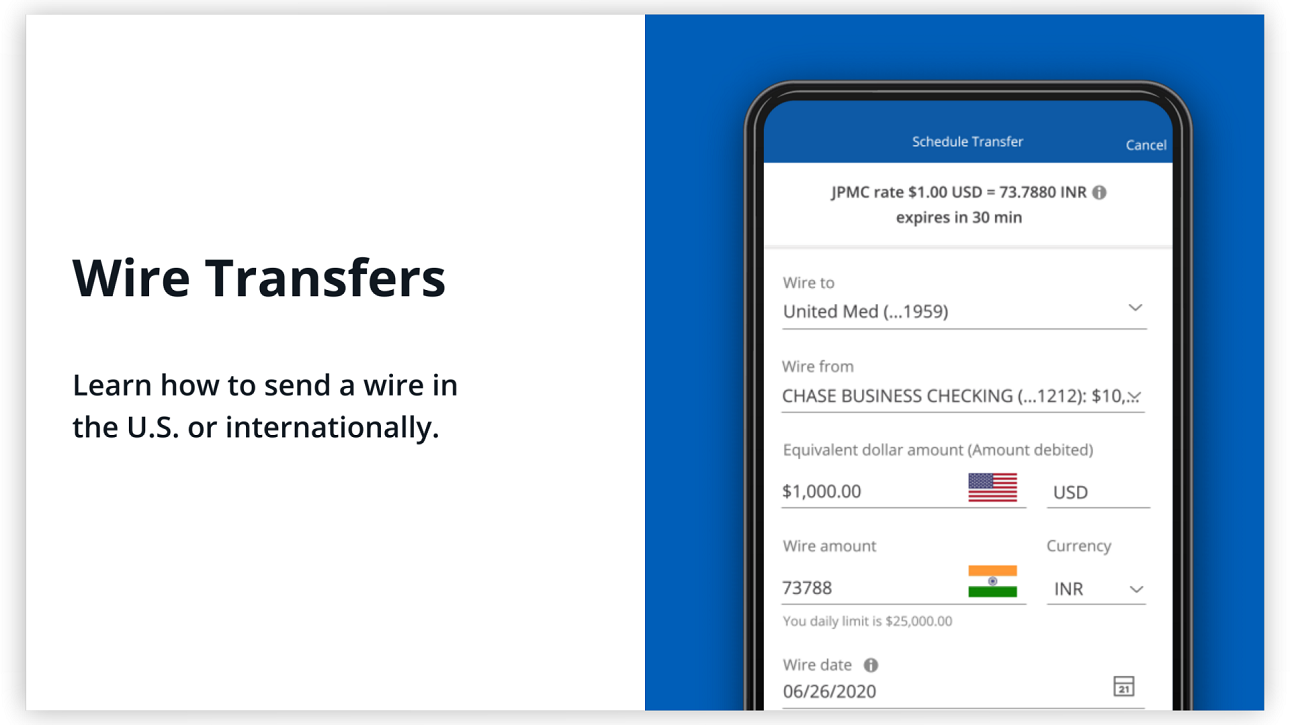
Understanding Wire Transfers: What They Are and Why They Matter
Wire transfers are a form of electronic payment service for transferring funds by wire or cable from one person or entity to another. Unlike other forms of electronic funds transfers, such as ACH payments or peer-to-peer (P2P) apps, wire transfers are known for their speed, finality, and often, their global reach. When you initiate a wire transfer through Chase, your bank directly communicates with the recipient’s bank to move the funds, cutting out intermediary steps that might delay other transaction types.
Definition and Mechanics
At its core, a wire transfer is a message sent from one financial institution to another, authorizing the transfer of funds. Once the sending bank verifies the availability of funds and processes the request, the money is electronically transmitted. This direct communication mechanism means that wire transfers are typically irrevocable once sent, making accuracy paramount. The funds are usually made available to the recipient within a few hours for domestic transfers and within one to five business days for international transfers, depending on currency conversion and banking holidays. This immediacy makes them ideal for time-sensitive payments where other methods might prove too slow. The process involves a robust network of banks using secure messaging systems, such as SWIFT (Society for Worldwide Interbank Financial Telecommunication) for international wires and the Federal Reserve Wire Network (Fedwire) for domestic transfers in the U.S. Each transaction is uniquely identified, providing a clear audit trail and enhancing security, though this does not entirely mitigate the risk of fraud if the initial information provided is incorrect.
Advantages Over Other Payment Methods
The primary advantage of a wire transfer lies in its speed and certainty. For urgent payments, particularly large sums that need to clear quickly, no other method offers comparable reliability. When buying a house, for instance, a wire transfer ensures the funds arrive at the closing attorney’s account immediately and are guaranteed to be there, allowing the transaction to finalize without delay. This contrasts sharply with checks, which can bounce, or even ACH transfers, which can take several days to settle. Furthermore, wire transfers are inherently secure in their transmission; the money doesn’t travel physically, and the electronic messages are encrypted. While the transmission itself is secure, the finality of a wire transfer is also a double-edged sword: once the funds are sent, it’s exceedingly difficult, if not impossible, to recall them. This makes them a trusted method for high-value transactions but also underscores the importance of stringent verification before initiating. Their international capability is another significant benefit, allowing individuals and businesses to send money across borders to almost any bank account globally, often in different currencies, facilitating international trade, education, and family support.
Key Scenarios for Using Wire Transfers
Wire transfers are commonly used in situations where speed, security, and the definitive arrival of funds are critical. One of the most frequent uses is in real estate transactions, such as making down payments or paying closing costs for a property. Given the large sums involved and the strict deadlines, a wire transfer provides the necessary assurance that funds will be available when needed. Similarly, for large asset purchases like vehicles, boats, or even artwork, a wire transfer offers a secure and swift payment method that both buyer and seller can trust. International tuition payments for students studying abroad frequently rely on wire transfers, ensuring that educational institutions receive payments promptly and in the correct currency. In emergency situations, such as supporting family members abroad who need immediate financial assistance, a wire transfer can be a lifeline. Businesses regularly use wire transfers for vendor payments, payroll, or settling international invoices, especially when dealing with high-value imports or exports where delays could incur significant penalties or affect supply chain continuity. In these scenarios, the cost associated with a wire transfer is often justified by the peace of mind and operational efficiency it provides.
Initiating a Wire Transfer from Chase: Step-by-Step Instructions
Sending a wire transfer through Chase requires meticulous attention to detail. Whether you choose to send it online, in person, or over the phone, having all the necessary information readily available will streamline the process and minimize potential errors.
Gather Necessary Information
Before you even begin the transfer process, the most crucial step is to gather all the recipient’s bank and personal details accurately. Any error, even a single digit, can lead to significant delays, fees, or worse, the funds being sent to the wrong account, potentially making them irrecoverable. For a domestic wire transfer (within the U.S.), you will typically need:
-
Beneficiary’s Full Name and Address: The exact legal name of the person or business receiving the funds, and their physical street address.
-
Beneficiary’s Bank Name and Address: The full name of the receiving bank and its physical branch address.
-
Beneficiary’s Account Number: The exact account number where the funds should be deposited.
-
ABA Routing Number: This nine-digit number identifies the beneficiary’s bank for domestic transfers.
For an international wire transfer, additional information is usually required:
-
SWIFT/BIC Code: The Society for Worldwide Interbank Financial Telecommunication (SWIFT) code, also known as a Bank Identifier Code (BIC), is a unique code that identifies the beneficiary’s bank internationally. This is crucial for routing international wires.
-
IBAN (International Bank Account Number): Required for transfers to many European countries and some other regions, the IBAN is a standardized international numbering system for bank accounts.
-
Purpose of Transfer: Chase, like many banks, may require you to state the reason for the international transfer due to regulatory compliance.
-
Intermediary Bank Information (if applicable): Sometimes, a transfer may go through one or more intermediary banks before reaching the final destination. While often handled automatically, having this information can sometimes speed up complex transfers.
Always double-check this information directly with the recipient, preferably through a verified channel, to ensure its accuracy. Scammers often provide incorrect information, and once a wire is sent, it’s nearly impossible to retrieve.
Methods to Send a Wire Through Chase
Chase offers multiple convenient ways to initiate a wire transfer, catering to different customer preferences and situations. Each method has its own set of rules, limits, and security protocols.
-
Chase Online Banking/Mobile App: For eligible customers, sending a wire transfer through Chase’s online banking portal or mobile app is often the quickest and most convenient option. This method allows you to initiate transfers from the comfort of your home or on the go, often with lower fees than in-person transfers. However, online wire transfers are typically subject to daily limits, which can vary based on your account type and relationship with Chase. For higher amounts, you might need to call customer service to verify identity or visit a branch. The online platform employs robust security measures, including multi-factor authentication, to protect your financial information and prevent unauthorized transactions. It also allows you to save recipient details for future, recurring transfers, simplifying the process.
-
Visiting a Chase Branch: For those who prefer face-to-face assistance, sending a wire transfer at a Chase branch is a reliable option. This method is particularly useful for first-time senders, very large transfers exceeding online limits, or when you need personal guidance to ensure all details are correct. You will need to bring a valid government-issued photo ID (such as a driver’s license or passport) and your Chase debit card or account information. A bank representative will assist you in filling out the wire transfer form, reviewing the details, and processing the transaction. This personal interaction provides an added layer of security and ensures compliance with all necessary regulations, especially for complex or international transfers.
-
Calling Chase Customer Service: In certain circumstances, especially if you have a specific banking relationship or if you are unable to access online banking or a physical branch, you might be able to initiate a wire transfer by calling Chase customer service. This method usually requires extensive identity verification to protect your account. It’s often reserved for specific account types or scenarios where a pre-existing arrangement has been made. However, for most routine wire transfers, online banking or a branch visit are the more standard and recommended approaches.
Navigating the Online/App Interface (Illustrative Steps)
If you opt for the convenience of Chase Online Banking or the mobile app, the process is designed to be intuitive:
-
Log In: Access your Chase account securely using your username and password. You may need to complete multi-factor authentication (e.g., a code sent to your phone).
-
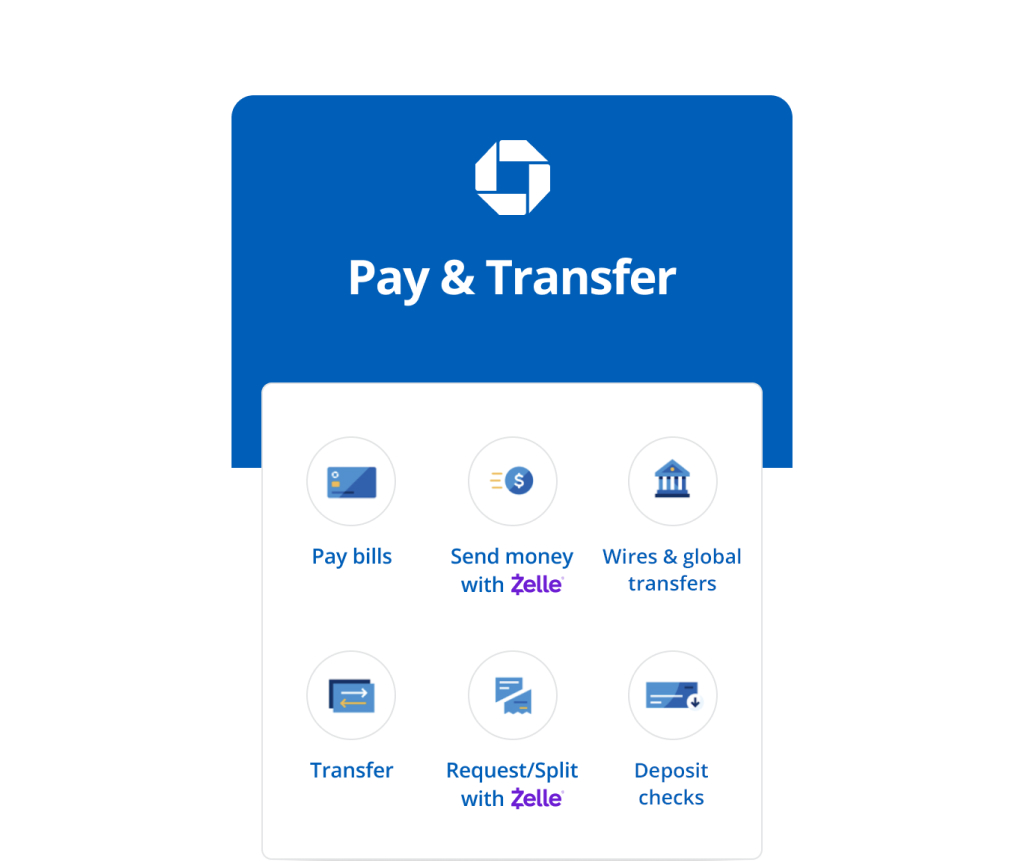
Navigate to Transfers: Look for a section labeled “Pay & Transfer,” “Wire Money,” or similar.
-
Select “Send a Wire”: Choose the option to initiate a new wire transfer.
-
Choose Account: Select the Chase account from which you wish to send the funds.
-
Enter Recipient Information: Carefully input all the details you gathered earlier: recipient’s name, address, bank name, bank address, account number, routing number (for domestic), and SWIFT/BIC/IBAN (for international). The system will usually guide you on which fields are mandatory based on whether it’s a domestic or international transfer.
-
Specify Amount and Currency: Enter the amount you wish to send and, for international transfers, specify the currency. Chase will often show you the exchange rate if converting currencies.
-
Select Transfer Type (if applicable): Choose between a domestic or international wire.
-
Review and Confirm: This is a critical step. Before authorizing, meticulously review every single detail – the recipient’s name, account number, routing/SWIFT code, amount, and currency. Once you click “send,” it’s very difficult to reverse.
-
Authorize: Confirm the transaction, often requiring another security verification step, such as entering a code from your phone.
-
Confirmation: You will receive a confirmation number. Save this number for your records and for tracking the transfer if needed.
Fees, Limits, and Timing: What to Expect When Wiring with Chase
Understanding the costs, limitations, and expected delivery times associated with Chase wire transfers is crucial for effective financial planning and avoiding unwelcome surprises. These factors can vary significantly depending on the type of transfer and the specific terms of your Chase account.
Chase Wire Transfer Fees
Chase, like most banks, charges fees for outgoing wire transfers, and sometimes for incoming ones as well. These fees are a significant consideration, especially for frequent senders or those moving smaller amounts where the fee could represent a substantial percentage of the transfer.
-
Domestic Outgoing Wires: Typically, Chase charges a flat fee for sending a domestic wire transfer. This fee can range from around $25 to $35 per transaction.
-
International Outgoing Wires: International wires usually incur a higher fee due to the more complex processing and the involvement of international banking networks. These fees can range from $40 to $50 per transaction. It’s also important to note that the recipient’s bank might impose its own receiving fees, and intermediary banks (if any) might deduct their charges from the principal amount, meaning the recipient might receive slightly less than the amount you sent.
-
Incoming Wires: While sending a wire has an explicit fee, receiving a wire, both domestic and international, also typically incurs a smaller fee from Chase, often around $15. This is less common among smaller financial institutions but standard for larger banks.
Always consult Chase’s official fee schedule or speak with a representative for the most current and accurate fee information, as these can change.
Daily and Transaction Limits
Chase imposes limits on wire transfers to mitigate risk and comply with regulatory requirements, particularly for transfers initiated online or via mobile. These limits are designed to protect both the bank and the customer from potential fraud.
-
Online/Mobile Limits: For most personal accounts, online wire transfer limits are typically lower than those available in-branch. These daily limits can range from a few thousand dollars up to tens of thousands of dollars, depending on your account type, your banking history with Chase, and whether the recipient is a known contact. For instance, a basic checking account might have a daily limit of $5,000 for domestic wires, while a premium account might allow up to $25,000. These limits are subject to change and may be temporarily adjusted based on security protocols.
-
In-Branch Limits: When initiating a wire transfer at a Chase branch, the limits are generally much higher, often allowing for transfers of hundreds of thousands or even millions of dollars, provided you have sufficient funds and can verify your identity. For exceptionally large transfers, you might need to speak with a bank manager or provide additional documentation.
-
International Limits: International wire transfer limits may also differ from domestic limits and can be influenced by the destination country and currency. If your transfer exceeds the online limit, you will typically be prompted to visit a branch or call customer service to complete the transaction.
Processing Times
The speed of a wire transfer is one of its most attractive features, but the exact timing can vary:
-
Domestic Wires: For transfers within the United States, if initiated before Chase’s daily cut-off time (often 4:00 PM or 5:00 PM ET on a business day), funds can often reach the recipient’s bank account within a few hours, sometimes even minutes. If sent after the cut-off time or on a weekend/holiday, the transfer will typically be processed on the next business day.
-
International Wires: International wire transfers generally take longer due to time zone differences, currency conversions, and the involvement of international banking networks. They typically arrive within 1 to 5 business days. The exact timeframe can depend on the destination country, the recipient’s bank, and any intermediary banks involved. Delays can also occur if there are discrepancies in the provided information or if the transfer is subject to additional scrutiny for regulatory compliance.
-
Tracking Your Wire Transfer: Once a wire transfer is initiated, you will receive a confirmation number. If there’s a delay or you need to confirm receipt, you can use this number to inquire about the status of the transfer with Chase customer service. For international wires, Chase may be able to provide a SWIFT Message Type (MT) number (e.g., MT103), which is a unique identifier used by banks globally to track international payments.
Ensuring Security and Avoiding Scams
While wire transfers are inherently secure in their electronic transmission, the finality of the transaction makes them a prime target for fraudsters. Protecting yourself requires vigilance and meticulous attention to detail.
Verifying Beneficiary Information
The single most critical step in preventing wire fraud is to meticulously verify the beneficiary’s information. Because wire transfers are nearly irreversible, sending money to the wrong account means your funds are likely lost forever.
-
Double-Check All Details: Before authorizing the transfer, confirm the recipient’s full name, address, account number, and bank details (routing, SWIFT/BIC, IBAN) directly with them. Do not rely solely on information from an email or text message, as these can be easily intercepted or spoofed by fraudsters.
-
Use a Verified Contact Method: If you receive instructions via email, call the recipient back using a previously known and verified phone number (not one provided in the suspicious email). Fraudsters often intercept emails and alter banking details. This is especially prevalent in real estate transactions, where scammers impersonate attorneys or closing agents.
-
Send a Small Test Amount (if feasible): For large, first-time international transfers, you might consider sending a minimal amount (e.g., $100) first to confirm it arrives correctly before sending the full sum. While this incurs two sets of fees, it can provide invaluable peace of mind.
Common Wire Transfer Scams
Scammers frequently exploit the speed and irrevocability of wire transfers. Awareness of common schemes is your first line of defense:
-
Romance Scams: Scammers build emotional relationships online, then create urgent financial emergencies (e.g., medical bills, travel expenses) to solicit funds via wire.
-
Lottery or Inheritance Scams: You’re told you’ve won a large sum or inherited money, but need to wire “fees” or “taxes” to release the funds.
-
Tech Support Scams: Fraudsters impersonate tech companies, claiming your computer is infected, and convince you to wire money for “repairs” or “software.”
-
Imposter Scams: The scammer impersonates someone you trust (e.g., a family member in distress, a business associate, or even a government agency) and pressures you to wire money immediately.
-
Business Email Compromise (BEC) / Invoice Fraud: Scammers hack into email accounts or spoof legitimate company emails to send fraudulent invoices or payment instructions, often changing bank details for legitimate vendors.
Never wire money to someone you haven’t met in person, whose identity you can’t verify independently, or for a “too good to be true” offer. Be skeptical of urgent requests that demand immediate payment via wire transfer.
Chase’s Security Measures
Chase implements several robust security measures to protect its customers and prevent fraudulent wire transfers:
-
Multi-Factor Authentication (MFA): When logging into online banking or authorizing a wire, Chase often requires MFA (e.g., a one-time code sent to your phone) to verify your identity.
-
Fraud Monitoring: Chase’s sophisticated fraud detection systems continuously monitor transactions for unusual activity. If a suspicious wire transfer is detected, Chase may flag it, contact you for verification, or temporarily hold the transaction.
-
Encryption: All online and app-based communications with Chase are encrypted to protect your personal and financial data from interception.
-
Secure Browsing Environment: Chase’s online banking platform is designed with a secure infrastructure, and they provide advice on how to identify a secure connection (e.g., “https” in the URL and a padlock icon).
-
Educational Resources: Chase often provides educational content on its website or within its banking portals to inform customers about common scams and best practices for secure transactions.
What to Do if You Suspect Fraud
If you believe you have been targeted by a scam or have inadvertently sent a wire transfer to a fraudulent recipient, immediate action is crucial:
-
Contact Chase Immediately: Call Chase’s fraud department or customer service hotline as soon as you realize something is wrong. Provide them with all the details of the wire transfer and explain your suspicions. The sooner you act, the higher the (albeit slim) chance of intervention, especially if the funds haven’t yet been credited to the recipient’s account.
-
File a Police Report: Report the incident to your local law enforcement agency. While they may not always be able to recover funds, a police report is often necessary for various other recovery or investigation efforts.
-
Report to Relevant Authorities: Depending on the nature of the scam, you might also want to report it to the FBI’s Internet Crime Complaint Center (IC3), the Federal Trade Commission (FTC), or other consumer protection agencies.
-
Change Passwords: If you suspect your email or other online accounts were compromised, change your passwords immediately.
Alternatives to Wire Transfers for Different Needs
While wire transfers excel in speed and security for large, urgent payments, they are not always the most economical or convenient option for every situation. Chase and other financial institutions offer a range of alternatives that might be better suited for different needs, amounts, and urgency levels.
Zelle and Other P2P Payment Apps
For smaller, everyday transfers to individuals, Zelle (integrated directly into the Chase mobile app) and other peer-to-peer (P2P) payment apps like Venmo or PayPal are excellent alternatives.
-
Speed and Convenience: Zelle transfers are typically processed within minutes, even between different banks, making them almost as fast as a wire transfer for domestic transactions.
-
No Fees (Often): Most P2P apps, including Zelle, do not charge fees for standard personal transfers, making them a much more cost-effective option than wire transfers.
-
Lower Limits: P2P apps generally have significantly lower daily transaction limits compared to wire transfers, typically ranging from a few hundred to a few thousand dollars. They are not designed for large sums like down payments on a house.
-
Irreversibility: Like wire transfers, Zelle payments are generally irreversible, so you must still verify the recipient’s information (usually their email or phone number) before sending. These are ideal for splitting bills, sending money to friends or family, or paying for small services.
ACH Transfers
Automated Clearing House (ACH) transfers are electronic payments that move funds between bank accounts through a centralized batch processing system.
-
Lower Cost: ACH transfers are significantly cheaper than wire transfers, often free or costing only a few dollars, making them ideal for recurring payments or less urgent larger transactions.
-
Slower Processing: ACH transfers typically take 1 to 3 business days to clear, as they are processed in batches rather than individually in real-time. Same-day ACH options exist but might come with a small fee.
-
Reversibility (in some cases): Unlike wire transfers, ACH payments can sometimes be reversed under specific circumstances (e.g., unauthorized transactions), offering a bit more flexibility.
-
Common Uses: ACH is widely used for direct deposits (paychecks), bill payments, and interbank transfers between your own accounts at different institutions. For example, if you’re transferring money from your Chase savings account to your checking account at another bank, an ACH transfer is usually the default and most cost-effective method.
Bill Pay and Online Transfers
Chase’s online banking platform offers robust Bill Pay services, allowing you to schedule and send payments to utility companies, credit card providers, and other businesses.
-
Scheduled Payments: You can set up one-time or recurring payments, ensuring bills are paid on time without manual intervention.
-
No Fees: Bill Pay is typically free for Chase customers.
-
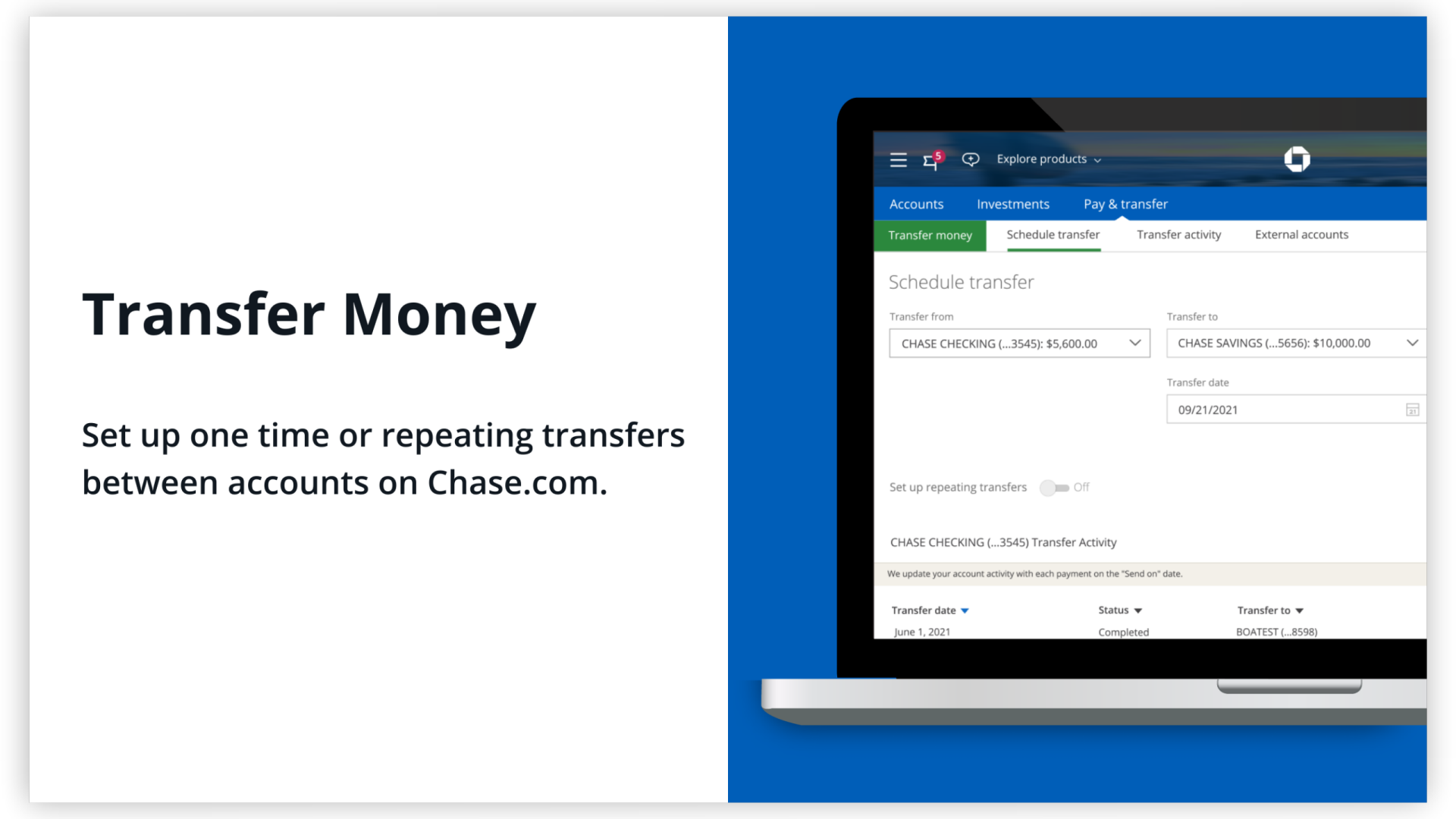
Online Transfers: Within Chase Online Banking, you can also easily transfer money between your own Chase accounts or to linked external accounts at other banks. These transfers often utilize the ACH network.
-
Checks by Mail: For recipients who don’t accept electronic payments, Chase Bill Pay can even send a physical check on your behalf. These methods are excellent for routine, non-urgent payments, providing a clear record and automating your financial obligations.
International Money Transfer Services
For international transfers, dedicated money transfer services often provide more competitive exchange rates and lower fees than traditional bank wire transfers, especially for medium-sized amounts.
-
Specialized Services: Companies like Wise (formerly TransferWise), Xoom (a PayPal service), Remitly, or WorldRemit specialize in international money transfers.
-
Competitive Exchange Rates: These services often offer mid-market exchange rates with transparent fees, which can result in the recipient receiving more money than through a bank wire, even if the service charges a small percentage or flat fee.
-
Various Delivery Options: Besides bank deposits, many offer cash pickup, mobile wallet transfers, or even home delivery in some regions.
-
Speed: While often faster than traditional international wires, speeds can vary. Some can be as fast as a few minutes, while others might take 1-3 business days. These services are particularly beneficial for individuals sending money to family abroad, paying international freelancers, or making smaller international purchases, offering a cost-effective and often more transparent alternative to bank wires.
By understanding the distinct features, benefits, and drawbacks of each payment method, you can make informed decisions and choose the most appropriate tool for your specific financial transfer needs, optimizing for cost, speed, and security.
aViewFromTheCave is a participant in the Amazon Services LLC Associates Program, an affiliate advertising program designed to provide a means for sites to earn advertising fees by advertising and linking to Amazon.com. Amazon, the Amazon logo, AmazonSupply, and the AmazonSupply logo are trademarks of Amazon.com, Inc. or its affiliates. As an Amazon Associate we earn affiliate commissions from qualifying purchases.