
In the intricate tapestry of modern finance, your account number stands as a fundamental identifier, a unique sequence of digits that delineates your financial relationship with a specific institution. Whether you’re setting up direct deposit for your paycheck, facilitating a wire transfer, paying bills, or simply reconciling your finances, knowing where and how to access this critical information is paramount. While seemingly a straightforward task, the nuances of locating your account number across various financial products and safeguarding it against potential misuse demand a clear understanding.
This guide will demystify the process, offering practical, step-by-step instructions for retrieving your account number from a variety of sources. We’ll delve into the importance of this number, differentiate it from other common financial identifiers, and provide crucial insights into protecting your financial data. In an era where financial transactions are increasingly digital, mastering the ability to securely view your account number is not just a convenience but a cornerstone of responsible personal finance management.
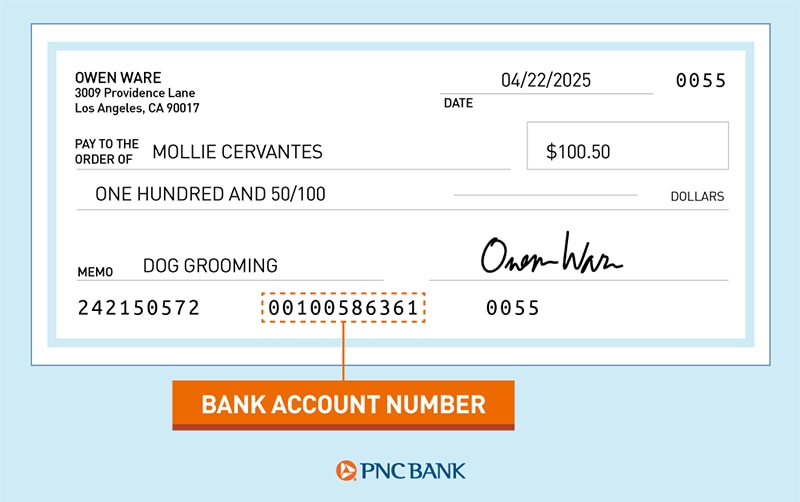
Understanding What an Account Number Is and Why It Matters
Before diving into how to find your account number, it’s essential to grasp what it truly represents and its significance in your financial life. An account number is a specific identifier assigned by a financial institution (like a bank, credit union, or brokerage firm) to uniquely identify your individual account. It’s the key that unlocks transactions, directs funds, and ensures that your money goes precisely where it’s intended.
Distinguishing Account Numbers from Other Identifiers
It’s common for individuals to confuse their account number with other financial identifiers, which, while related, serve distinct purposes. Understanding these differences is crucial for accurate and secure financial operations.
- Account Number: This is the primary identifier for your specific checking, savings, loan, or investment account. It’s unique to your account within the financial institution.
- Routing Number (ABA Transit Number): Predominantly used in the U.S., a routing number is a nine-digit code that identifies the specific financial institution (bank or credit union) where your account is held. It’s used in conjunction with your account number for domestic transactions like direct deposits, wire transfers, and electronic checks. Think of the routing number as the “street address” of your bank and the account number as your “apartment number” within that building.
- Credit Card Number: While also an account number in a broader sense, this typically refers to the 16-digit (or sometimes 15 or 19) number embossed on your credit or debit card. This number is primarily for point-of-sale transactions and online purchases. Your bank account number for a checking or savings account is distinct from your credit card number, even if both are from the same bank.
- Card Verification Value (CVV/CVC/CID): This is a 3 or 4-digit security code found on the back or front of your credit/debit card. It’s used to verify card ownership during online or phone transactions and should never be confused with an account number.
- International Bank Account Number (IBAN): Used primarily in Europe and many other parts of the world, an IBAN is an internationally agreed-upon system for identifying bank accounts across national borders. It incorporates country code, bank code, and the individual account number, making it a longer, more complex identifier designed for international transfers.
- SWIFT/BIC Code: The Society for Worldwide Interbank Financial Telecommunication (SWIFT) code, also known as a Bank Identifier Code (BIC), is an international standard identifier for banks. It’s used in conjunction with IBANs or other international account numbers to facilitate international wire transfers, ensuring the money reaches the correct banking institution globally.
Common Scenarios Requiring Your Account Number
The instances where you’ll need your account number are numerous and varied, touching almost every aspect of your financial life.
- Setting Up Direct Deposit: For paychecks, government benefits (like social security), or tax refunds, your employer or the relevant agency will require your account and routing numbers to electronically deposit funds directly into your bank account.
- Wire Transfers: Both sending and receiving domestic or international wire transfers necessitate your account number (and often the routing number, IBAN, or SWIFT/BIC code for international transfers).
- Automated Bill Payments: When setting up recurring payments for utilities, loans, or subscriptions directly from your bank account (ACH debits), you’ll typically provide your account and routing numbers.
- Linking Financial Apps: Many budgeting apps, investment platforms, or peer-to-peer payment services allow you to link your bank account, which often involves entering your account and routing numbers.
- Tax Forms and Government Applications: Certain tax forms (e.g., for tax refunds) or government applications may require your account details.
- International Transactions: If you’re receiving money from abroad or sending funds to an international recipient, you’ll need the appropriate international account identifiers.
Security Implications of Knowing Your Account Number
While essential, your account number is sensitive information. Knowing how to access it securely is paramount, as is understanding the risks associated with its compromise. While less dangerous than, say, a credit card number paired with a CVV, a compromised account number (especially with a routing number) could theoretically be used for unauthorized ACH withdrawals or fraudulent checks. Therefore, always exercise caution when sharing it and ensure you’re dealing with legitimate entities.
Practical Methods for Locating Your Account Number
Fortunately, financial institutions provide multiple convenient ways to access your account number, catering to various preferences and circumstances.
The Classic Paper Trail: Checks and Statements
Even in our digital age, traditional paper documents remain a reliable source for your account number.
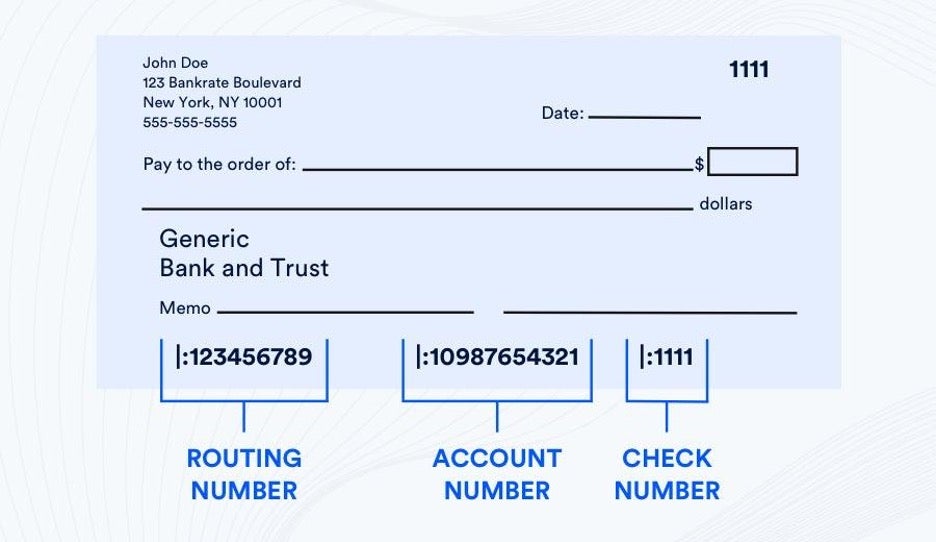
- On a Physical Check: If you have a physical checkbook, your account number is prominently displayed on the bottom of your checks. It’s part of the Magnetic Ink Character Recognition (MICR) line. From left to right, you’ll typically see:
- The routing number (nine digits)
- Your account number (usually 10-12 digits, though this can vary)
- The check number
It’s crucial to correctly identify which sequence is your account number, as the length can differ between banks. Usually, the middle sequence is your account number.
- Paper Bank Statements: Your monthly or quarterly bank statements are another excellent source. Your account number is almost always printed near the top of the statement, often close to your name and address. Look under a section labeled “Account Details,” “Summary,” or similar. Ensure you’re looking at a statement for the correct account (checking vs. savings).
Digital Access: Online Banking Portals
For most people, online banking portals are the quickest and most frequently used method to find account information.
- Log In Securely: Navigate to your bank’s official website and log in using your unique username and password. Always ensure the website address is legitimate (look for “https://” and a padlock icon).
- Navigate to Account Details: Once logged in, you’ll typically see a dashboard or summary of all your accounts.
- Click on the specific account (e.g., “Checking Account,” “Savings Account”) for which you need the number.
- Look for an option like “Account Details,” “Account Summary,” “View Account Number,” “Statements,” or similar. This might be found in a dropdown menu, a tab, or a link within the account overview.
- Some banks may require you to click a separate “Show Account Number” button or verify your identity (e.g., through a one-time passcode) before displaying the full number for security reasons.
- Downloading Statements: If you can’t find it directly on the account details page, you can usually download a PDF version of your bank statement through the online portal. Your account number will be on the downloaded statement, just as it would be on a paper statement.
Mobile Banking Apps
Mobile banking apps offer an even more convenient way to access your account information on the go.
- Launch and Log In: Open your bank’s official mobile app and log in using your credentials, fingerprint, or facial recognition.
- Select Account: Tap on the specific account whose number you need.
- Find Account Details: Look for a section like “Account Details,” “Account Info,” “Statement,” or a settings/menu icon associated with that account. Similar to online banking, you might need to tap a “Show Account Number” button or complete a quick security verification.
- App Limitations: Be aware that some mobile apps, for enhanced security, might only display the last few digits of your account number or redirect you to the full online banking portal for sensitive information.
Contacting Your Financial Institution Directly
When all else fails, or if you prefer a human touch, contacting your bank or credit union directly is a reliable option.
- Phone Support: Call your bank’s customer service number (found on their website, the back of your debit card, or a statement). Be prepared to verify your identity by answering security questions, providing your full name, address, date of birth, and possibly the last four digits of your Social Security Number or other personal information.
- In-Branch Visit: If you’re near a branch, you can visit a teller or customer service representative in person. Bring a valid form of photo identification (driver’s license, passport) to verify your identity. They will be able to provide your account number or print a statement for you.
Safeguarding Your Account Number and Related Information
Accessing your account number securely is only half the battle; protecting it from unauthorized access is equally critical.
Best Practices for Digital Security
Given the increasing reliance on digital banking, robust digital security is non-negotiable.
- Strong, Unique Passwords: Use complex passwords for your online banking accounts, combining uppercase and lowercase letters, numbers, and symbols. Never reuse passwords across different platforms.
- Two-Factor Authentication (2FA): Always enable 2FA if your bank offers it. This adds an extra layer of security, requiring a second verification step (like a code sent to your phone) in addition to your password.
- Secure Networks: Only access your online banking or mobile app over secure, private Wi-Fi networks. Avoid public Wi-Fi networks (e.g., at coffee shops or airports) for sensitive financial transactions, as they are more vulnerable to eavesdropping.
- Beware of Phishing and Scams: Be vigilant about emails, texts, or calls requesting your account number or other personal financial information. Banks will never ask for your full account number or password via unsecured email or text. Always verify the sender and URL.
- Keep Software Updated: Ensure your operating system, web browser, and antivirus software are always up to date to protect against known vulnerabilities.
Physical Security Considerations
Even in a digital world, physical security remains important for paper documents containing your account number.
- Shred Old Statements and Checks: Don’t just toss old bank statements, voided checks, or deposit slips in the trash. Shred them thoroughly to prevent identity thieves from retrieving your account information.
- Secure Storage: Store current physical financial documents in a safe and secure location at home.
- Monitor Mailbox: Promptly retrieve mail containing bank statements or other financial documents to prevent theft.
What to Do If Your Account Number Is Compromised
Despite your best efforts, sometimes data breaches or scams can expose your information. If you suspect your account number has been compromised:
- Contact Your Bank Immediately: Report the potential breach to your financial institution without delay. They can guide you on the next steps, which may include closing the compromised account and opening a new one.
- Monitor Your Accounts: Scrutinize your bank statements and online transaction history frequently for any unauthorized activity. Report suspicious transactions immediately.
- Change Passwords: Update your online banking password and any other related passwords.
- Consider Credit Monitoring: If other personal information (like your Social Security Number) was also compromised, consider placing a fraud alert on your credit report and utilizing credit monitoring services.
Specific Account Types: Beyond Standard Checking/Savings
While the general principles apply, specific account types might have slightly different ways of displaying their unique identifiers.
Credit Card Account Numbers
As mentioned, your credit card number (the 16-digit number on the front) is distinct from a traditional bank account number. To access “account level” information related to your credit card, like making a payment from a separate bank account or setting up an auto-pay, you typically use your credit card account number which is often different from the 16-digit number itself. This internal account number is usually found:
- On your monthly credit card statement: Often listed prominently with your balance and payment due date.
- Through your online credit card portal: After logging in, navigate to “Account Details,” “Statement,” or “Payments.”
- By calling customer service: They can verify your account and provide the number.
Investment Account Numbers (Brokerage, Retirement)
If you have brokerage accounts, Roth IRAs, 401(k)s, or other investment vehicles, they will also have unique account numbers.
- Investment Statements: Your quarterly or annual investment statements are the primary source for these numbers.
- Online Brokerage Portal: Log in to your investment firm’s website. Your account numbers will be displayed in your portfolio summary or under a “Account Details” section for each specific investment account.
- Customer Service: Your brokerage firm’s customer service can provide this information after identity verification.
Loan Account Numbers (Mortgage, Auto, Personal)
For various types of loans, your loan account number is crucial for making payments and managing your debt.
- Loan Statements/Coupon Books: Monthly statements or payment coupon books for mortgages, auto loans, or personal loans will prominently display your loan account number.
- Online Loan Servicing Portal: Log in to the website of your loan servicer (this might be different from the original lender). Your loan account number will be visible in your account dashboard.
- Customer Service: Call your loan servicer’s customer support line.

Conclusion
Your account number is a critical piece of your financial identity, enabling a vast array of transactions and services. From setting up direct deposits to managing various financial accounts, knowing how to locate it quickly and securely is an indispensable skill in today’s financial landscape. By understanding the various methods of retrieval—from the traditional paper trail of checks and statements to the modern convenience of online and mobile banking—you empower yourself to navigate your finances with confidence.
Crucially, this knowledge must be coupled with an unwavering commitment to security. Adopting robust digital hygiene, protecting physical documents, and knowing the steps to take if your information is compromised are not merely recommendations but necessities. In an age where financial data is both valuable and vulnerable, mastering the art of viewing and safeguarding your account number is a cornerstone of sound personal finance management, ensuring your money remains secure and accessible only to you.
aViewFromTheCave is a participant in the Amazon Services LLC Associates Program, an affiliate advertising program designed to provide a means for sites to earn advertising fees by advertising and linking to Amazon.com. Amazon, the Amazon logo, AmazonSupply, and the AmazonSupply logo are trademarks of Amazon.com, Inc. or its affiliates. As an Amazon Associate we earn affiliate commissions from qualifying purchases.