
Cash App has revolutionized peer-to-peer payments and personal finance management for millions, offering a streamlined way to send, receive, and manage money. Its ease of use and broad accessibility have made it a go-to platform, particularly among younger demographics and those seeking quick digital transactions. However, like all financial technology (FinTech) applications, Cash App operates within a stringent regulatory environment designed to prevent fraud, money laundering, and other illicit activities. This often brings users to a common question: how can one fully utilize Cash App’s features, or even get started, without undergoing a comprehensive identity verification process?

The notion of “verifying Cash App without ID” taps into a desire for simplicity and, for some, a degree of privacy. While Cash App does offer limited functionality to users who haven’t completed full identity verification, it’s crucial to understand the nuances of what “without ID” truly entails in the context of digital financial services. This article delves into the technological mechanisms of Cash App’s verification system, the capabilities available to partially verified users, and the essential reasons why full verification, including government-issued ID, is generally a cornerstone of secure and feature-rich FinTech experiences.
Understanding Cash App’s Verification Ecosystem
At its core, Cash App, like any regulated financial application, operates under strict “Know Your Customer” (KYC) and “Anti-Money Laundering” (AML) regulations. These compliance frameworks are mandated by governmental bodies to ensure transparency in financial transactions and combat illegal activities. For users, this translates into a multi-tiered verification system designed to match the user’s identity to their financial activities.
The Two Tiers of Cash App Accounts
Cash App primarily distinguishes between two types of user accounts based on their verification status:
- Unverified (Limited) Accounts: These accounts are typically set up with just a phone number or email address, sometimes linked to a debit card or bank account without requiring a direct upload of government-issued ID or a Social Security Number (SSN). They come with significant limitations on transaction amounts and available features.
- Verified (Full Access) Accounts: To unlock the full suite of Cash App services, users must complete a more thorough verification process. This usually involves providing their full legal name, date of birth, mailing address, and the last four digits or full nine digits of their Social Security Number. In some cases, photo identification (like a driver’s license or passport) might be requested directly.
This tiered system is a standard technological approach in the FinTech industry, balancing initial accessibility with the need for robust security and regulatory compliance as users demand more extensive financial services.
Why Verification is Technologically Necessary
From a technological and regulatory standpoint, identity verification isn’t just a hurdle; it’s a fundamental security measure. It performs several critical functions:
- Fraud Prevention: By linking an account to a verifiable identity, Cash App can significantly reduce the risk of fraudulent transactions, identity theft, and unauthorized access.
- Regulatory Compliance: As mentioned, KYC and AML laws require financial institutions to know who their customers are. This prevents the platform from being used for illicit financing.
- Transaction Limits Management: Verification allows Cash App to confidently raise transaction limits, as the risk associated with larger sums is mitigated by knowing the user’s identity. Without verification, limits are kept low to minimize potential losses from fraud.
- Dispute Resolution: In cases of transaction disputes or account issues, a verified identity provides the necessary information for Cash App’s support team to investigate and resolve problems efficiently and fairly.
Functionality Without Full ID Verification: The “Limited Access” Experience
For users wondering “how to verify Cash App without ID,” the primary answer lies in understanding the limited functionalities available. While a government-issued ID or SSN may not be required for initial setup, linking a debit card or bank account acts as a critical intermediary step that provides a layer of verification without a direct ID upload.
Initial Setup and Basic Transactions
Users can indeed register for a Cash App account using just their phone number or email address. Once registered, they can link a debit card or bank account to their profile. This step is crucial because it leverages the existing verification performed by the user’s bank or credit union. When you link a card or account, Cash App typically verifies ownership by performing small test deposits/withdrawals or by requesting login credentials for your online banking portal (via secure third-party aggregators). This process confirms that you are the legitimate owner of the linked financial instrument, thereby offering a foundational level of trust without directly asking for a photo ID.
With this level of “partial” verification, users can typically:
- Send and Receive Funds: You can send money to other Cash App users and receive funds into your account. However, these transactions are subject to strict limits. Typically, unverified accounts might be limited to sending around $250 per week and receiving $1,000 per month. These limits are dynamic and subject to change by Cash App.
- Link External Accounts: Successfully link a debit card from a bank or credit union, allowing for funds to be pulled from or sent to that external account.
Key Limitations for Unverified Accounts

The trade-off for not providing full ID verification is a significantly restricted experience. Users with unverified accounts will encounter several technological and functional limitations:
- Strict Transaction Limits: As mentioned, sending and receiving limits are substantially lower compared to verified accounts. This can be a major impediment for users needing to handle larger sums.
- No Access to the Cash Card: The popular Cash Card, a free, customizable debit card linked to your Cash App balance, is exclusively available to fully verified users. This means unverified users cannot make purchases directly from their Cash App balance in physical stores or online using the card.
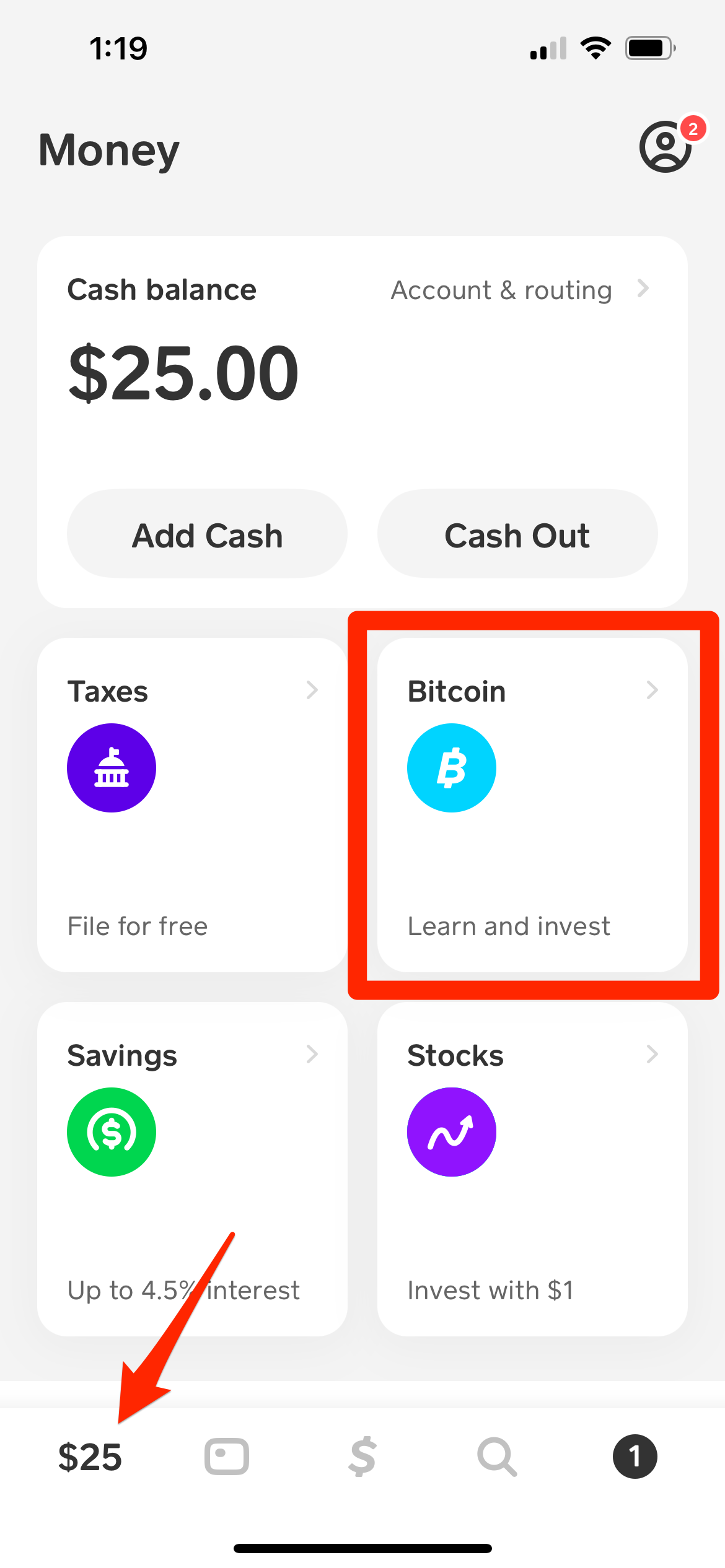
- Inability to Buy or Sell Bitcoin: One of Cash App’s appealing features is its integrated Bitcoin buying and selling capability. This feature is a regulated financial service and requires full identity verification due to the volatile nature and regulatory scrutiny of cryptocurrency.
- No Direct Deposit: Verified users can set up direct deposit to receive paychecks, tax refunds, and other payments directly into their Cash App account. This feature is unavailable to unverified users.
- Cash Out Restrictions: While you can receive money, withdrawing large sums to your linked bank account may also be limited or trigger a request for full verification.
- Limited Customer Support: In case of complex account issues or disputes, Cash App’s support might require full identity verification to proceed, leaving unverified users with fewer options.
The Critical Role of Full Verification for Enhanced Functionality
While the initial setup without traditional ID verification offers a basic entry point, it’s clear that the full power and security of Cash App are unlocked only through comprehensive identity verification. This process is not merely a formality but a gateway to a richer, more secure, and compliant FinTech experience.
Unlocking Advanced Features
Providing your SSN and other personal details for full verification immediately expands your Cash App capabilities:
- Increased Transaction Limits: Both sending and receiving limits are significantly raised, allowing for much larger sums to be transacted without issue. This is crucial for users who rely on Cash App for larger personal or business-related payments.
- Cash Card Access: Full verification enables you to order and activate a personalized Cash Card. This card functions like a regular debit card, drawing funds directly from your Cash App balance, and can be used for online purchases, in-store transactions, and ATM withdrawals.
- Cryptocurrency Trading: The ability to buy, sell, and withdraw Bitcoin directly within the app becomes available. This feature is heavily regulated, and robust identity verification is a prerequisite.
- Direct Deposit Services: Users can receive their paychecks and other direct deposits directly into their Cash App account, effectively making Cash App a primary banking alternative for some. This requires a verified account to generate unique routing and account numbers.
Security, Trust, and Compliance
From a technological and user trust perspective, full verification strengthens the entire ecosystem:
- Enhanced Security Protocols: Verified accounts benefit from stronger fraud monitoring and protection measures. Cash App’s systems can more effectively detect and prevent unauthorized activity when a clear, verified identity is linked to the account.
- Regulatory Peace of Mind: For both Cash App and its users, compliance with KYC and AML regulations provides legal protection and ensures that the platform remains a legitimate and safe financial tool. Non-compliance could lead to severe penalties for the platform and potential service disruptions for users.
- Faster Dispute Resolution: With a verified identity, resolving issues like unauthorized transactions or account access becomes much more straightforward, as Cash App has the necessary information to confirm ownership and take action.
- Building Trust in the Digital Economy: By adhering to verification standards, FinTech platforms like Cash App contribute to building trust in the broader digital economy. This encourages wider adoption and innovation while mitigating risks associated with anonymous transactions.
Navigating the Verification Process: Best Practices and Considerations
For users who initially opted for limited functionality but now wish to unlock Cash App’s full potential, the verification process is typically straightforward and integrated directly into the app.
Steps for Full Verification
- Initiate Verification: Navigate to your profile icon (top right corner) and look for a section related to “Personal” or “Verify Identity.” Cash App will often prompt you directly when you try to use a feature that requires verification.
- Provide Personal Details: You will be asked to enter your full legal name, date of birth, mailing address, and the last four digits of your Social Security Number. Ensure this information exactly matches your official records.
- SSN Details: While sometimes only the last four digits are initially requested, Cash App may eventually require the full SSN to fully comply with federal regulations, especially if you intend to use advanced features like investing or higher transaction limits.
- Identity Document Upload (If Requested): In some cases, or if there are issues verifying your identity through the SSN and personal details alone, Cash App might request a photo of a government-issued ID (e.g., driver’s license, state ID, passport). This is a common step for robust identity proof. The app will guide you through taking clear photos of your document.
- Review and Confirmation: Once submitted, Cash App’s automated systems typically process the information quickly, often within minutes or a few business days. You will receive a notification once your account is fully verified.
Considerations for Users
- Accuracy is Key: Always provide accurate and up-to-date information. Discrepancies between the data you provide and official records can cause delays or outright rejection of your verification attempt.
- Privacy vs. Functionality: Understand that in the realm of financial technology, a certain level of personal data sharing is a necessary trade-off for robust functionality, security, and regulatory compliance.
- Secure Environment: Always perform verification within the official Cash App, ensuring you are using a secure internet connection and avoiding public Wi-Fi networks when handling sensitive personal information.
- Contact Support for Issues: If you encounter problems during the verification process, Cash App’s customer support can provide guidance. However, be prepared for them to ask for the very identity documents you might have initially sought to avoid providing.
Conclusion
The question of “how to verify Cash App without ID” reveals a common desire for simplicity and immediate access in the digital payment landscape. While Cash App technically allows for initial setup and limited transactional capabilities by linking a debit card or bank account, thereby leveraging existing bank verification, it’s crucial to understand that this does not constitute a truly “unverified” or anonymous account. The real depth of Cash App’s features—from higher transaction limits and the Cash Card to Bitcoin trading and direct deposits—is intrinsically linked to full identity verification, including the provision of a Social Security Number and potentially a government-issued ID.
From a technological standpoint, this layered approach to verification is essential. It upholds the integrity of the financial system, protects users from fraud, and ensures that FinTech innovations like Cash App operate within the bounds of global regulatory frameworks. For users seeking the most robust, secure, and feature-rich experience, embracing the full verification process is not just recommended, but a necessary step to fully leverage the capabilities of this powerful digital payment tool.
aViewFromTheCave is a participant in the Amazon Services LLC Associates Program, an affiliate advertising program designed to provide a means for sites to earn advertising fees by advertising and linking to Amazon.com. Amazon, the Amazon logo, AmazonSupply, and the AmazonSupply logo are trademarks of Amazon.com, Inc. or its affiliates. As an Amazon Associate we earn affiliate commissions from qualifying purchases.