
The era of the bulging physical wallet is rapidly coming to a close. As smartphones have evolved from simple communication devices into powerful pocket computers, they have subsumed the roles of our cameras, maps, and music libraries. Now, they are replacing our credit cards and cash. Mobile payment technology has reached a tipping point of global ubiquity, driven by advancements in Near Field Communication (NFC), biometric security, and a sophisticated infrastructure of digital encryption. Transitioning to a mobile-first payment lifestyle is not merely a matter of convenience; it is an upgrade to your digital security and personal efficiency.
The Technology Powering Your Mobile Payments
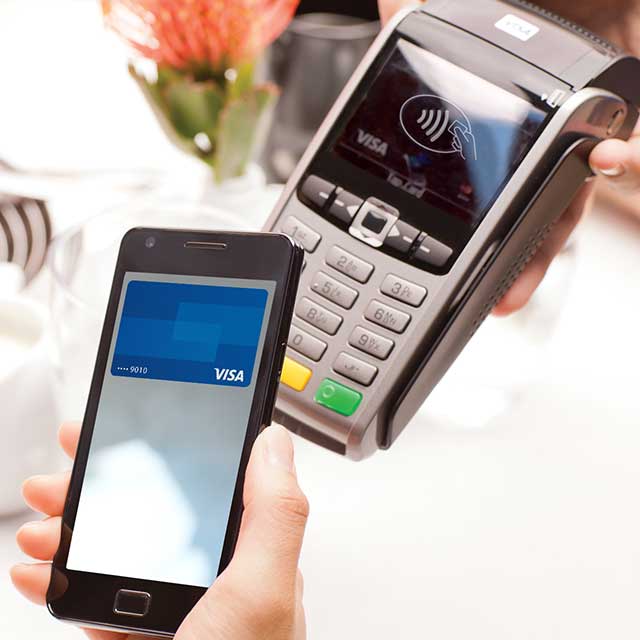
To understand how to use your phone to pay, it is essential to understand the underlying hardware and software that make these transactions possible. Unlike traditional credit cards that rely on a magnetic stripe or a physical EMV chip, mobile payments utilize several distinct technologies to bridge the gap between your device and the merchant’s point-of-sale (POS) terminal.
Near Field Communication (NFC)
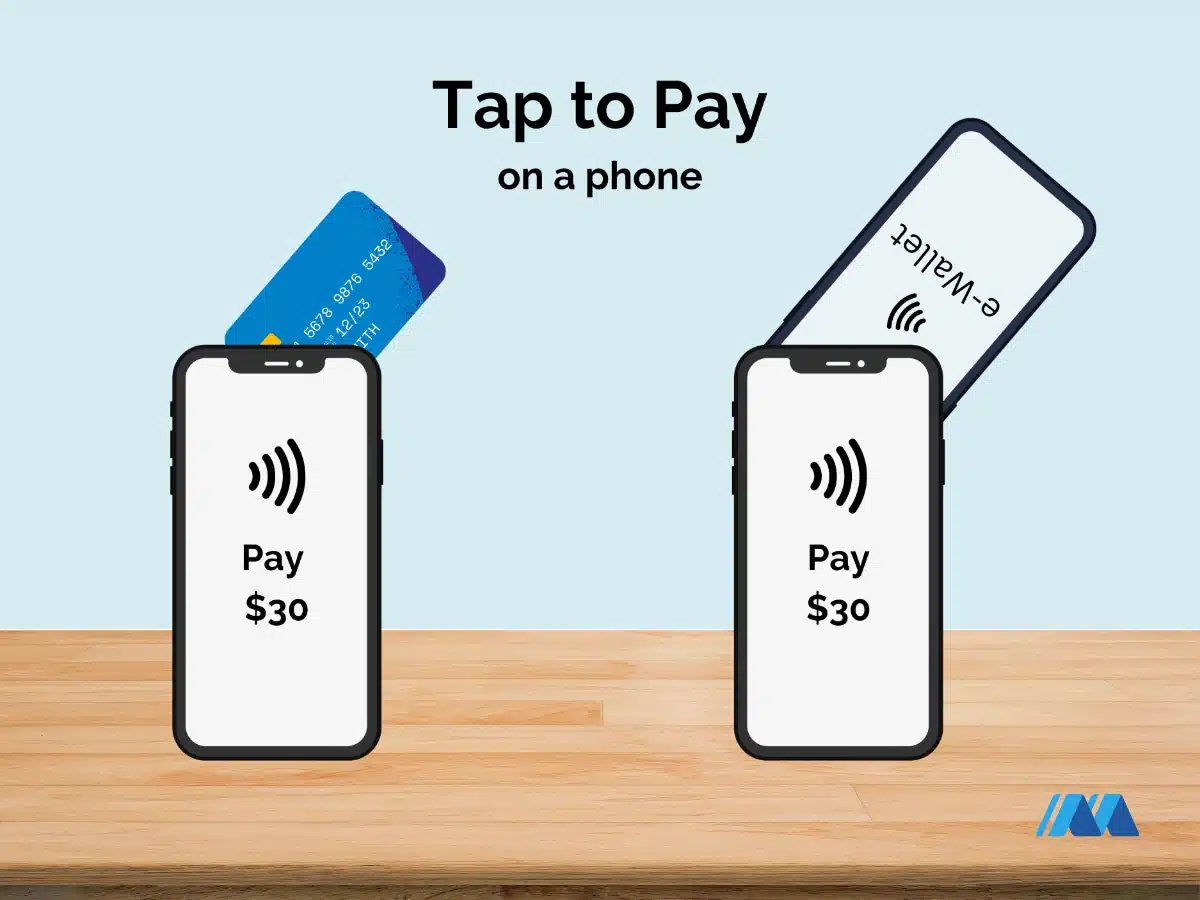
The most common technology used for “tap-to-pay” transactions is Near Field Communication (NFC). This is a short-range wireless communication standard that allows two devices to exchange data when they are within four centimeters of each other. When you hold your phone near a contactless reader, the NFC chips in both devices initiate a high-frequency radio link. This technology is designed for speed and simplicity, requiring no manual pairing like Bluetooth.
Magnetic Secure Transmission (MST)
While rarer in the latest flagship devices, some technologies, particularly those developed by Samsung, utilized Magnetic Secure Transmission (MST). This technology mimics the magnetic signal of a traditional credit card stripe. By emitting a magnetic signal, the phone can communicate with older credit card readers that do not have NFC capabilities. However, as the world moves toward universal NFC adoption, MST is being phased out in favor of the more secure and standardized NFC protocol.
QR Code and Software-Based Payments
In many regions, particularly across Asia and in specific retail apps like Starbucks, payments are handled via QR codes. This software-based approach does not require specific hardware like an NFC chip. Instead, your phone generates a unique, time-sensitive QR code on its screen, which the merchant scans, or you scan a static QR code provided by the merchant. This triggers a cloud-based transaction through the app’s server.
Setting Up and Configuring Your Digital Wallet
Transforming your smartphone into a payment tool requires the configuration of a “digital wallet.” Depending on your device’s operating system, you will likely use one of three major platforms: Apple Pay, Google Pay, or Samsung Pay.
Configuring Apple Pay (iOS)
For iPhone users, the Wallet app is the central hub for mobile payments. To set it up, open the Wallet app and tap the “+” icon. You can use your camera to scan your physical card or enter the details manually. Your bank will then verify the information, often through a one-time code sent via SMS or email. Once verified, the card is stored as a digital token within the iPhone’s “Secure Element,” a dedicated hardware chip that is isolated from the rest of the operating system for maximum security.
Setting Up Google Pay (Android)
Google Pay (now often integrated into the Google Wallet app) is the standard for the Android ecosystem. Similar to iOS, you add a card by scanning it or entering the details. Google Pay is highly integrated with the broader Google ecosystem, allowing for seamless payments not only at physical terminals but also within the Chrome browser and across various Android apps. One of the technical advantages of Google Pay is its use of Cloud-Based Element Emulation (HCE), which allows the software to securely manage the payment process even on devices that lack a specific hardware-bound Secure Element.
Utilizing Third-Party and Banking Apps
Beyond the OS-level wallets, many individual banks and fintech companies offer their own payment solutions. Apps like PayPal, Venmo, and Cash App allow for peer-to-peer (P2P) transfers and are increasingly accepted at retail checkouts. To use these, you link your bank account or debit card directly to the app’s interface. When paying in-store, these apps often rely on the aforementioned QR code technology or integrated NFC hooks within the Android framework.

The Security Architecture: Why Mobile is Safer Than Plastic
One of the most common hurdles to adopting mobile payments is the concern over digital security. However, from a technical perspective, paying with your phone is significantly more secure than using a physical credit card.
Tokenization: Hiding Your Real Numbers
The cornerstone of mobile payment security is “tokenization.” When you load a card into your digital wallet, the app does not store your actual 16-digit credit card number on the device. Instead, it replaces that sensitive data with a “token”—a unique, randomly generated digital identifier. When you make a purchase, the phone transmits this token to the merchant. If a hacker were to intercept the transmission or breach the merchant’s database, they would only find a useless string of numbers that cannot be used for any other transaction or on any other device.
Biometric Authentication
Physical cards are vulnerable because anyone who holds the card can theoretically use it. Mobile payments require an extra layer of active authentication. Before a transaction is authorized, the user must provide a biometric “handshake.” This is typically handled via:
-
FaceID/Facial Recognition: Using infrared sensors to map the geometry of your face.
-
TouchID/Fingerprint Sensors: Scanning the unique ridges of your fingertip.
-
Secure Passcodes: A fallback for when biometrics are unavailable.
Because these authentication methods are required for every single transaction, the risk of unauthorized use in the event of device theft is virtually non-existent.
The “Find My” Ecosystem
In the event that you lose your phone, the tech infrastructure provides an immediate “kill switch.” Through services like Apple’s “Find My” or Google’s “Find My Device,” you can remotely lock your wallet or wipe your payment information entirely. Unlike a lost physical wallet, which requires you to call every individual bank to cancel cards, a digital wallet can be deactivated globally with a few clicks from any web browser.
Maximizing the Utility of Mobile Payments
Using your phone to pay extends far beyond the simple act of buying groceries. The integration of software and hardware allows for a more streamlined commerce experience.
Loyalty Programs and Digital Receipts
Modern digital wallets are designed to automatically integrate loyalty cards and rewards programs. When you tap to pay at a supported merchant, the terminal can simultaneously process your payment and apply your rewards points or membership discounts. This eliminates the need to carry physical key fobs or scan separate barcodes. Furthermore, many digital wallets provide an instant, searchable history of your transactions, often including the precise GPS location of where the purchase occurred, which is invaluable for tracking business expenses or identifying fraudulent activity.
Wearables and the Internet of Things (IoT)
The technology used in smartphones has migrated to wearables, such as the Apple Watch and various Wear OS devices. Paying with a smartwatch utilizes the same NFC and tokenization protocols as the phone but offers an even higher level of friction-less interaction. By double-clicking a side button and holding your wrist to the reader, you can complete a transaction without even reaching into your pocket. This represents the current peak of “invisible payments,” where the technology fades into the background of daily life.
Transit and Commuting
In major metropolitan areas, mobile payment tech has been integrated into public infrastructure. “Express Transit” features allow commuters to tap their phones or watches at turnstiles without even waking the device or authenticating with biometrics. The system recognizes the transit terminal and processes the payment in milliseconds, significantly reducing congestion in high-traffic environments like subway stations and bus stops.
Future Trends: The Road to a Cashless Society
As we look toward the future of mobile payments, we are seeing the integration of even more advanced technologies. Ultra-Wideband (UWB) technology is being explored to allow for “hands-free” payments, where a terminal can detect your authorized device as you walk past it, potentially eliminating the need to “tap” altogether. Additionally, the rise of Central Bank Digital Currencies (CBDCs) and integrated cryptocurrency wallets suggests that the definition of “money” within our phones will continue to expand.
Mastering the use of your phone for payments is not just about keeping up with a trend; it is about adopting a more secure, efficient, and data-rich way of interacting with the global economy. By leveraging NFC, tokenization, and biometric security, the smartphone has become the most sophisticated financial tool ever devised, offering a level of protection and convenience that traditional physical currency simply cannot match. Regardless of the platform you choose, the transition to digital payments is a foundational step into the future of personal technology.
aViewFromTheCave is a participant in the Amazon Services LLC Associates Program, an affiliate advertising program designed to provide a means for sites to earn advertising fees by advertising and linking to Amazon.com. Amazon, the Amazon logo, AmazonSupply, and the AmazonSupply logo are trademarks of Amazon.com, Inc. or its affiliates. As an Amazon Associate we earn affiliate commissions from qualifying purchases.