
Venmo has transformed the landscape of peer-to-peer payments, making it remarkably simple to send and receive money. Beyond merely facilitating transfers, the platform allows users to hold a “Venmo balance,” a digital store of funds that can be utilized in various ways. Understanding how to effectively manage and leverage this balance is crucial for optimizing your personal finance strategies within the digital realm. This article delves into the practicalities and strategic considerations of using your Venmo balance, positioning it as more than just a transient holding account but a functional component of your financial toolkit.
Understanding Your Venmo Balance
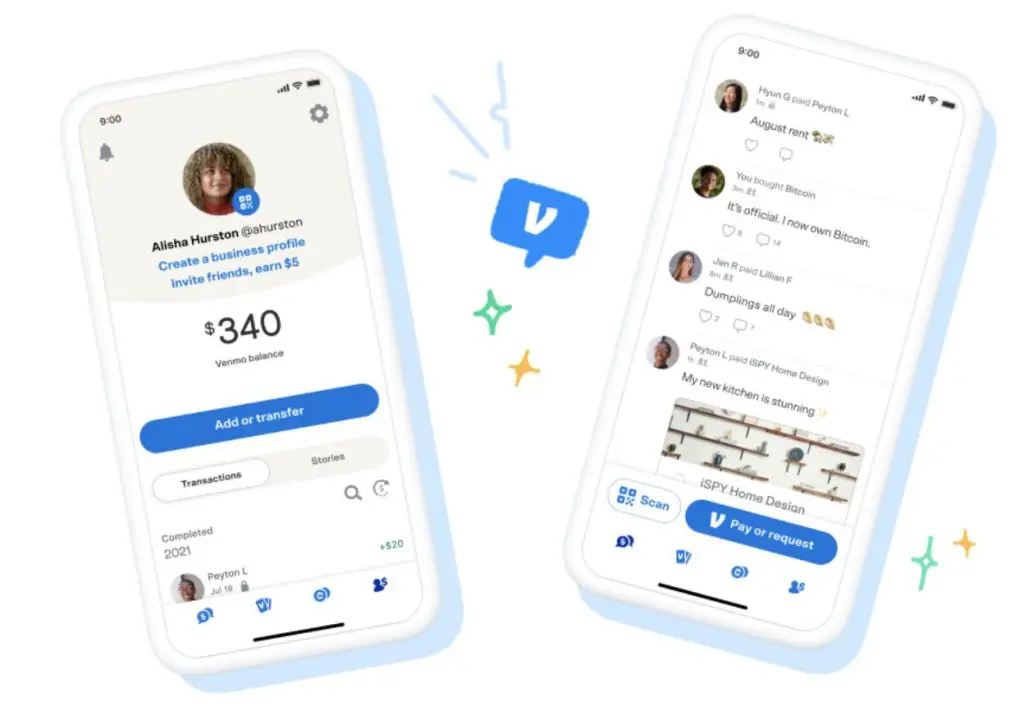
At its core, your Venmo balance represents funds available within your Venmo account that are distinct from money held in your linked bank accounts or debit cards. It functions much like a digital wallet, providing immediate access to money received or directly deposited into the platform.
What is a Venmo Balance?
A Venmo balance is the sum of all funds you have received from other users, been refunded, or directly deposited into your Venmo account, less any money you have spent or transferred out. Unlike a traditional bank account, it typically doesn’t earn interest, nor does it carry the same level of federal deposit insurance (though Venmo implements various security measures). It acts as a convenient intermediary for your funds within the Venmo ecosystem. When someone pays you on Venmo, those funds automatically populate your Venmo balance, ready for your next transaction.
Funding Your Venmo Balance
While most people acquire a Venmo balance by receiving payments from friends or family, there are several intentional ways to fund it:
- Receiving Peer-to-Peer Payments: This is the most common method. When another Venmo user sends you money, it lands directly in your Venmo balance.
- Direct Deposit: Venmo offers a direct deposit feature, allowing you to have portions of your paycheck, government benefits, or tax refunds sent directly to your Venmo account. This can be an efficient way to allocate funds for specific spending categories or to build a consistent balance for everyday use. Setting up direct deposit involves providing your Venmo account and routing numbers to your employer or payer, similar to setting up direct deposit to a traditional bank account.
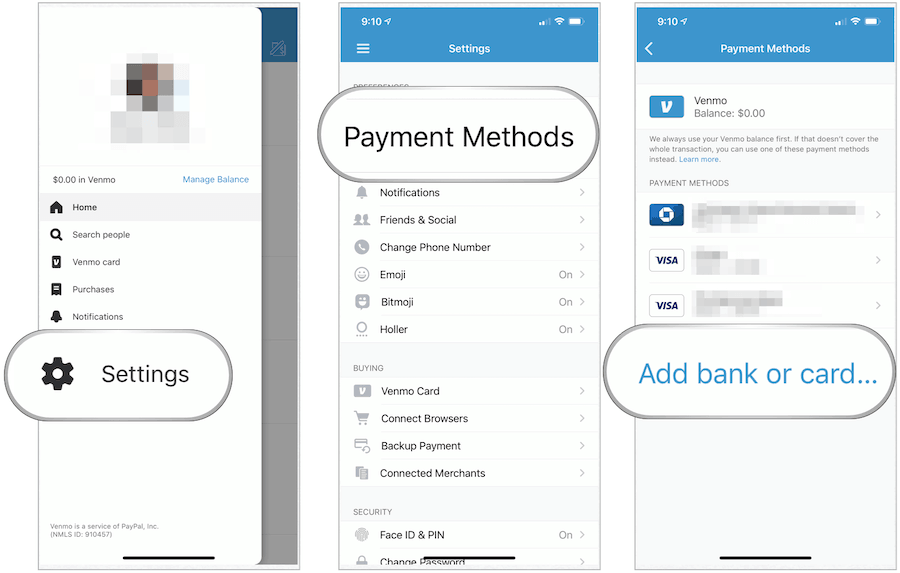
- Adding Funds from a Linked Bank Account: While funds added this way primarily serve to cover payments that exceed your Venmo balance, you can intentionally add funds to bolster your balance. This is particularly useful if you plan to use the Venmo Debit Card extensively or make several upcoming Venmo payments.
Why Hold a Balance?
Keeping a balance on Venmo offers several advantages. Firstly, it provides immediate access to funds for peer-to-peer payments without waiting for bank transfers. Secondly, for users of the Venmo Debit Card, having a balance ensures seamless transactions, as the card draws directly from these funds before tapping into linked bank accounts. Lastly, some users find it helpful for segregating funds for specific purposes, such as social spending, avoiding the commingling of these funds with their primary bank accounts.
Spending Your Venmo Balance
Once you have a Venmo balance, its utility extends far beyond merely receiving money. It can be used for a wide array of financial transactions, making it a versatile tool for managing everyday expenses.
Paying Friends and Family
The quintessential use of Venmo is sending money to friends and family. When you initiate a payment, Venmo automatically prioritizes your existing balance. If the payment amount exceeds your balance, the remaining sum will be drawn from your linked bank account or debit card. This seamless integration ensures that you can always make a payment, provided you have sufficient funds across your linked sources.
Making Purchases with the Venmo Debit Card
The Venmo Debit Card, issued by Mastercard, allows you to spend your Venmo balance wherever Mastercard is accepted, both online and in physical stores. This card is a powerful tool for utilizing your digital funds in the real world. It draws directly from your Venmo balance first. Should your balance be insufficient, it can be configured to automatically pull the remaining amount from your linked bank account. This feature makes the Venmo Debit Card an excellent way to consolidate your spending, effectively using your Venmo balance for daily purchases like groceries, coffee, or online shopping.
Paying Merchants Directly
Many businesses, particularly small enterprises and online retailers, now accept Venmo as a direct payment method. When checking out, look for the Venmo payment option. Selecting it will allow you to authorize the payment directly through your Venmo app, drawing funds primarily from your Venmo balance. This method offers a secure and convenient way to complete transactions without sharing your bank details with multiple vendors.
In-App Purchases and QR Code Payments
Venmo has expanded its utility through integrations with various apps and by promoting QR code payments. You can use your Venmo balance to complete purchases within participating apps, from food delivery services to ticketing platforms. Similarly, many physical merchants display Venmo QR codes, enabling customers to scan and pay directly from their Venmo balance. Both methods leverage your existing Venmo funds for quick, contactless, and secure transactions.
Managing and Optimizing Your Venmo Funds
Effective management of your Venmo balance involves not just spending, but also strategic planning around how funds enter and exit the platform. This ensures your money is always where you need it, when you need it.
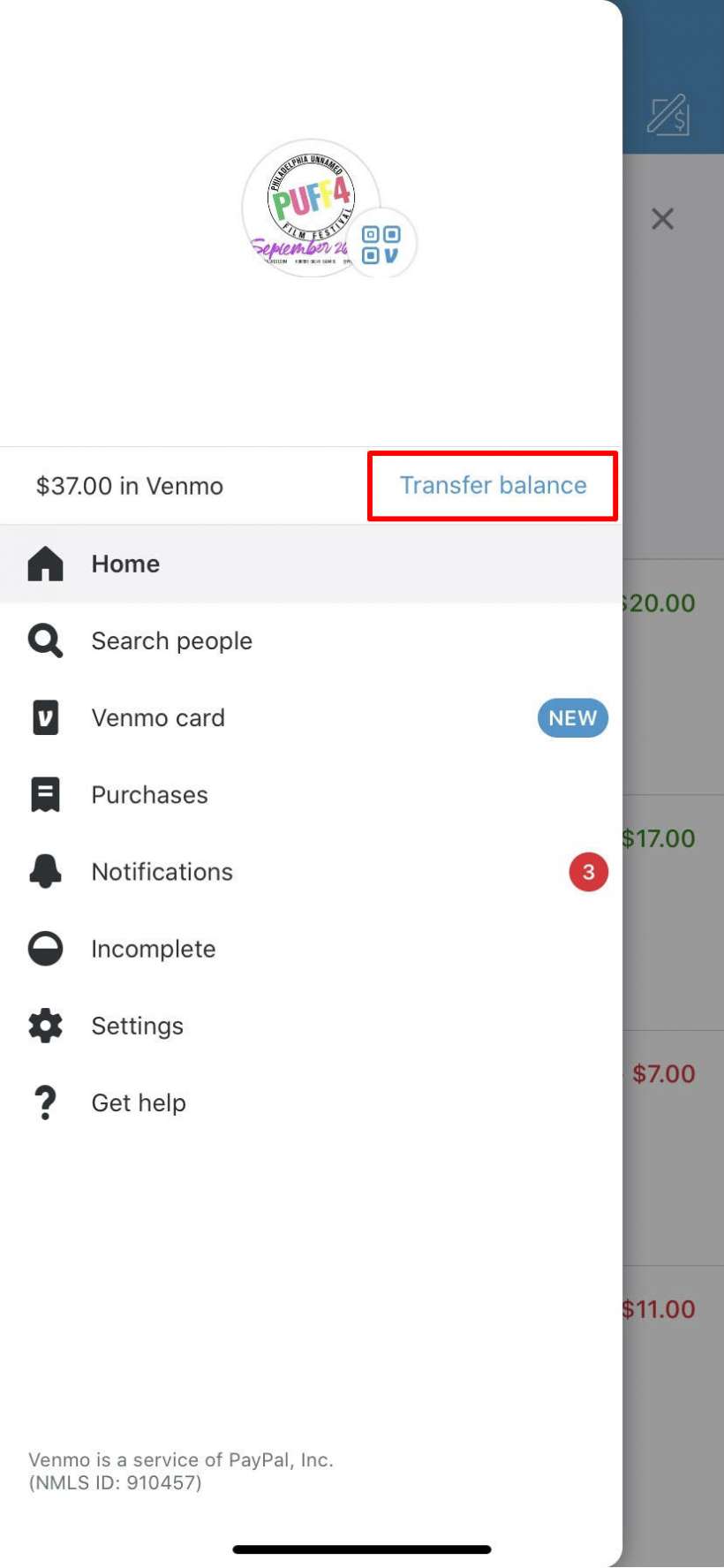
Transferring Funds to Your Bank
While convenient for immediate spending, you might not always want to keep a large balance on Venmo. You have two primary options for moving funds from Venmo to your linked bank account:
- Standard Transfer: This method is free and typically takes 1-3 business days for the funds to appear in your bank account. It’s suitable for funds you don’t need access to immediately.
- Instant Transfer: For a small fee (usually 1.75%, with a minimum fee of $0.25 and a maximum fee of $25), you can transfer funds to your linked debit card or bank account within minutes, often within 30 minutes. This option is invaluable for urgent financial needs.
Understanding the trade-off between speed and cost is essential for wise financial planning.
Auto-Reload for Seamless Spending
For users who frequently use their Venmo Debit Card, the auto-reload feature can prevent transaction declines. You can set it up to automatically transfer a predetermined amount from your linked bank account to your Venmo balance whenever your balance falls below a certain threshold. While this doesn’t directly manage your existing balance, it ensures you always have funds available for your Venmo Debit Card, integrating your bank account with your Venmo spending habits.
Setting Up Direct Deposit
As mentioned, setting up direct deposit can be a proactive way to fund your Venmo balance regularly. This is particularly useful for budgeting, allowing you to designate a portion of your income specifically for Venmo-related expenses or peer-to-peer transactions. It provides a consistent stream of funds directly into your Venmo account, bypassing the need for manual transfers or receiving payments from others.
Monitoring Your Transactions and Security
Good financial hygiene dictates regular monitoring of all your accounts, including Venmo. Keep track of your transaction history within the app to ensure all activities are legitimate. Enable notifications for incoming and outgoing payments to stay informed in real-time. Additionally, familiarize yourself with Venmo’s security features, such as PINs, multi-factor authentication, and privacy settings, to safeguard your funds and personal information.
Strategic Considerations for Your Venmo Balance
Beyond the mechanics of using your Venmo balance, there are broader financial strategies to consider that can help integrate Venmo more effectively into your overall personal finance picture.
Venmo as a Budgeting Tool
For some individuals, a Venmo balance can serve as a simple, informal budgeting tool. By keeping a specific amount on Venmo for discretionary spending—like dining out, entertainment, or shared household expenses—users can visually track and limit spending in certain categories. This approach can help prevent overspending by creating a psychological barrier between funds allocated for social activities and those held in a primary bank account for bills and savings. It acts as a dedicated pocket of money for specific expenses.
The Convenience vs. Opportunity Cost Debate
While the convenience of a Venmo balance is undeniable, it’s crucial to consider the financial opportunity cost, especially for larger sums. Funds held in a Venmo balance typically do not earn interest, unlike money in a high-yield savings account or certain checking accounts. For substantial amounts or funds you don’t anticipate spending immediately, transferring them to an interest-bearing account in your bank might be a more financially savvy decision. The decision to hold a balance on Venmo should weigh the benefit of immediate accessibility against the potential for lost interest earnings. For smaller, frequently used amounts, convenience often outweighs the minimal opportunity cost.
Understanding Fees (Instant Transfers, etc.)
Being acutely aware of Venmo’s fee structure is vital for smart financial management. While standard peer-to-peer payments and bank transfers are free, certain expedited services incur charges. The most common fee is for instant transfers to your bank account or debit card. There are also fees for using a credit card to send money. Integrating these potential costs into your financial planning ensures that you make informed decisions about how and when to move or spend your money through Venmo. Avoiding unnecessary fees can contribute to better overall financial health.
By understanding these various facets of managing and using your Venmo balance, you can transform it from a simple payment app into a strategic financial tool that supports your personal budgeting, spending, and money management goals.
aViewFromTheCave is a participant in the Amazon Services LLC Associates Program, an affiliate advertising program designed to provide a means for sites to earn advertising fees by advertising and linking to Amazon.com. Amazon, the Amazon logo, AmazonSupply, and the AmazonSupply logo are trademarks of Amazon.com, Inc. or its affiliates. As an Amazon Associate we earn affiliate commissions from qualifying purchases.