
The acquisition of Whole Foods Market by Amazon in 2017 represented a landmark shift in the retail landscape, marking the convergence of e-commerce dominance and premium physical grocery services. For the modern consumer, this partnership is more than a branding exercise; it is a sophisticated integration of software, hardware, and data science designed to streamline the “phygital”—physical plus digital—shopping experience.
Understanding how to use Prime at Whole Foods is no longer just about showing a card at the register; it is about navigating a complex technological ecosystem that rewards digital loyalty. This guide explores the technical mechanisms, biometric innovations, and app-based integrations that define the Amazon-Whole Foods experience.

The Digital Gateway: Setting Up the Amazon App and Identity Integration
At the heart of the Whole Foods tech experience lies the Amazon Shopping app. Unlike traditional grocery loyalty programs that rely on plastic key tags or phone number entries, Amazon has built a sophisticated digital identity layer that bridges your online account with in-store actions.
Optimizing the Amazon Shopping App for In-Store Use
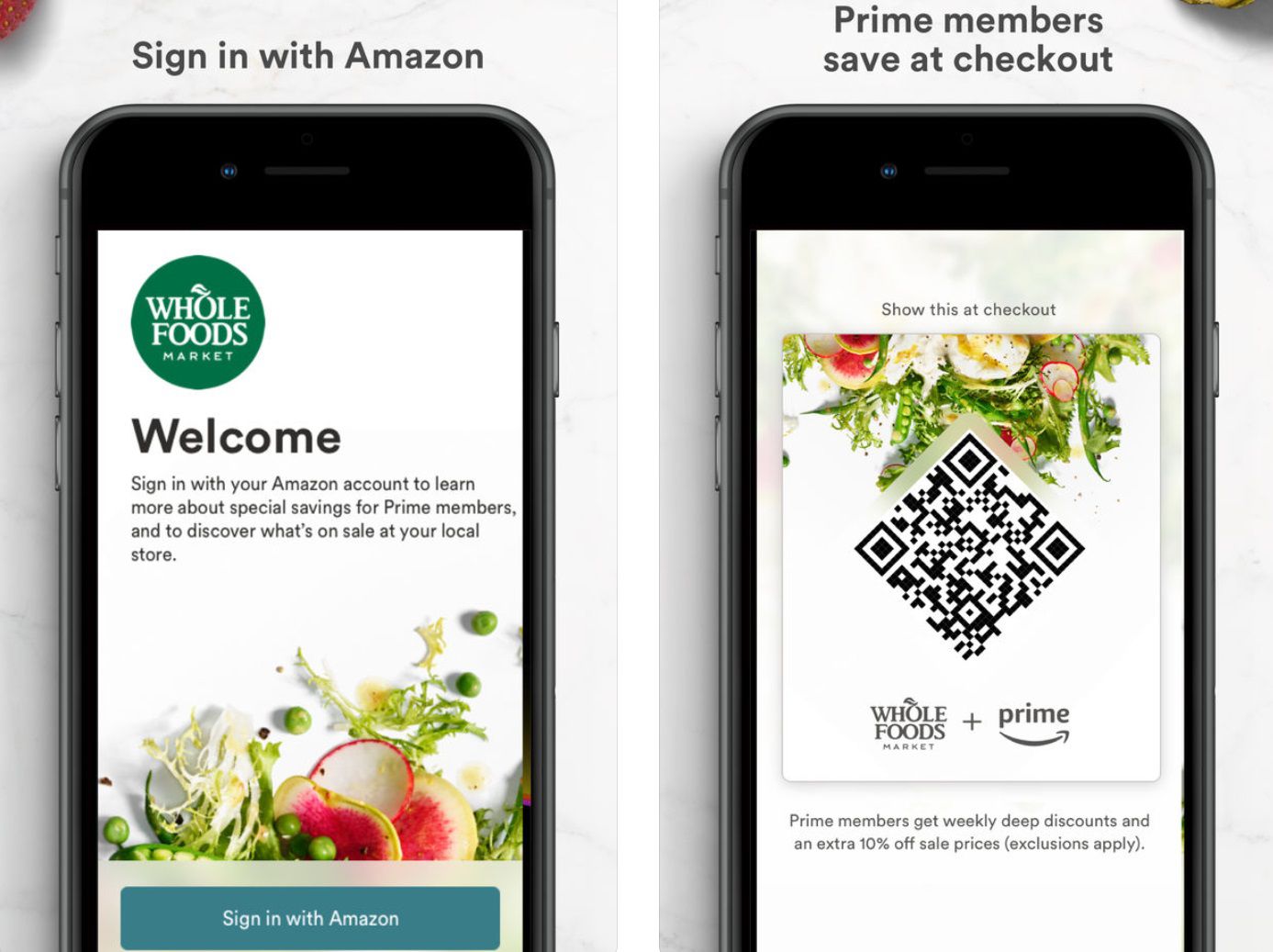
The primary tool for any Prime member entering a Whole Foods Market is the mobile application. Amazon has integrated a dedicated “Whole Foods” tab within its main shopping app, utilizing geolocation services to provide store-specific information. Upon entering the store, the app can utilize geofencing technology to surface the “In-Store Code” immediately. This ensures that the user interface (UI) adapts to the user’s physical context, reducing friction at the point of sale.
To maximize this tech, users should ensure that the app has permission to access location services. This allows the software to pre-load local inventory data and specific “Yellow Sign” deals unique to that branch, optimizing the cache and ensuring the app performs fluidly even in areas of the store with poor cellular reception.
Linking Accounts and Digital Wallet Management
Behind the scenes, the integration relies on robust API calls that link your Amazon Prime subscription status to your retail identity. When you scan your code, the Point of Sale (POS) system communicates with Amazon’s central servers to verify membership status in real-time. This digital handshake also connects your preferred payment method—stored in your Amazon Wallet—to the in-store transaction if you choose to use the “Scan & Pay” features. For tech-savvy users, ensuring that your Amazon account is secured with Multi-Factor Authentication (MFA) is a critical step, as your digital grocery identity is intrinsically linked to your broader Amazon financial profile.
The Security Protocols of Digital Membership Verification
Amazon utilizes dynamic QR codes for its in-store identification. Unlike a static barcode, which can be easily screenshotted or spoofed, the QR code in the Amazon app refreshes periodically. This security measure prevents unauthorized use of a Prime account and ensures that the data transmitted to the scanner is encrypted. This high-frequency rotation of identifiers is a hallmark of modern digital security, protecting the user’s account integrity during every transaction.
Seamless Point-of-Sale Interaction: QR Codes and Biometric Innovation
The most visible aspect of the Prime-Whole Foods integration occurs at the checkout counter. Amazon has introduced various hardware solutions to make the identification process as instantaneous as possible.
The In-App QR Code: How Optical Scanning Bridges the Gap
The standard method of utilizing Prime benefits involves the optical scanning of the In-Store Code. The scanners at Whole Foods registers are designed to read high-resolution displays, even through privacy screen protectors. When the scanner captures the QR code, it triggers an instantaneous query to the cloud. If the membership is valid, the POS system applies a “Prime Member” flag to the current session, automatically recalculating the total based on member-exclusive price tiers.
Amazon One: The Future of Biometric Palm-Recognition Technology
Perhaps the most significant technological leap in the grocery sector is Amazon One. This biometric service allows customers to link their Amazon account—and their Prime status—to the unique surface and sub-surface features of their palm.
From a technical perspective, Amazon One uses a combination of computer vision and infrared imaging to create a “palm signature.” It doesn’t just look at lines; it maps the vascular patterns under the skin. When you hover your hand over the Amazon One device at a Whole Foods register, the hardware captures these images and matches them against an encrypted vector stored in the cloud. This allows for a “frictionless” checkout where no phone or wallet is required, representing the pinnacle of biometric retail integration.
Troubleshooting Synchronization Issues at the Register
Occasionally, the handshake between the mobile app and the store’s local area network (LAN) can experience latency. If a Prime discount fails to trigger, it is often a synchronization error between the store’s local server and Amazon’s global membership database. Tech-forward shoppers can often resolve this by refreshing the app to force a new QR code generation or by ensuring they are connected to the “Whole Foods Market” guest Wi-Fi, which is optimized for in-store app performance.
The Algorithm of Savings: How Tech Drives Personalized Discounts
Using Prime at Whole Foods isn’t just about the checkout; it’s about how data science informs the prices you see on the shelves.
Understanding the “Blue Sign” Ecosystem and Electronic Shelf Labels
Whole Foods has transitioned many of its locations to Electronic Shelf Labels (ESLs). These digital displays allow the store to update pricing dynamically. When you see a “Prime Member Deal” (often indicated by a blue or yellow sign), that price point is managed by a centralized pricing engine. This software ensures that the discount you see on your app matches the price reflected at the register. The use of ESLs reduces manual errors and allows Amazon to implement agile pricing strategies similar to those used on their website.
Data Integration: How Past Purchases Influence App-Based Coupons
The “How” of using Prime also involves the “What.” By scanning your Prime code, you feed data into Amazon’s recommendation algorithms. If you frequently purchase organic almond milk, the Amazon app’s “Whole Foods” section will begin to prioritize coupons and deals for similar or complementary products. This is a sophisticated application of machine learning (ML), where your physical shopping habits inform your digital profile, creating a personalized feedback loop.
Prime Member Deals vs. Public Pricing Logic
The backend software at Whole Foods operates on a tiered pricing logic. There is the “MSRP” (Manufacturer’s Suggested Retail Price), the “Store Sale” price available to all, and the “Prime Member” price, which is typically an additional 10% off sale items plus exclusive deep discounts. The POS system’s ability to stack these discounts in real-time is a testament to the robust database architecture that handles thousands of concurrent transactions across hundreds of stores.
Ecosystem Expansion: Prime Tech Beyond the Checkout Counter
The utility of a Prime membership at Whole Foods extends beyond the physical aisles into the broader Amazon ecosystem, utilizing voice tech and automated logistics.
Alexa Integration and Voice-Controlled List Management
For users with Echo devices, the integration allows for seamless list management. By saying, “Alexa, add avocados to my Whole Foods list,” the item is instantly synced to the Whole Foods section of the Amazon app. This synchronization uses cloud-based state management to ensure that the list you see on your refrigerator-mounted tablet is the same one you see on your smartphone when you reach the produce aisle.
Smart Delivery and In-Store Pickup Logistics
Prime members also have access to technological perks regarding fulfillment. The “Pick Up” service utilizes the app’s location tracking to notify store associates when you are nearing the store. This “I’m on my way” feature reduces wait times and optimizes the store’s internal logistics. Behind the scenes, sophisticated inventory management software ensures that the items you ordered online are pulled from the shelves in the most efficient route possible, a process known as “pick-path optimization.”
The Future of Autonomous Retail: “Just Walk Out” Technology
In select Whole Foods locations, Amazon has implemented “Just Walk Out” technology. This is the most advanced way to use Prime. Using a combination of overhead cameras, weight sensors on shelves, and deep learning algorithms, the store tracks what you take. You enter by scanning your Prime QR code or your palm via Amazon One. The system creates a “virtual cart” for you in real-time. When you leave, the tech detects your exit and automatically charges the card associated with your Prime account. This removes the POS bottleneck entirely, relying 100% on computer vision and AI.

Conclusion: The Evolution of the Smart Grocer
Learning how to use Prime at Whole Foods is an invitation to participate in a retail revolution. It is an experience defined by the seamless blending of digital identity and physical necessity. By mastering the Amazon app, embracing biometric options like Amazon One, and understanding the data-driven nature of member discounts, consumers can turn a routine chore into a streamlined, high-tech experience. As Amazon continues to iterate on its “Just Walk Out” tech and AI-driven personalization, the Prime membership will continue to evolve from a simple discount program into a comprehensive digital key that unlocks the future of retail.
aViewFromTheCave is a participant in the Amazon Services LLC Associates Program, an affiliate advertising program designed to provide a means for sites to earn advertising fees by advertising and linking to Amazon.com. Amazon, the Amazon logo, AmazonSupply, and the AmazonSupply logo are trademarks of Amazon.com, Inc. or its affiliates. As an Amazon Associate we earn affiliate commissions from qualifying purchases.