
In the rapidly evolving landscape of digital finance, tools like Cash App have emerged as indispensable for managing personal funds, sending money, and even investing. At the heart of Cash App’s versatility is its symbiotic relationship with the Cash Card – a free, customizable debit card linked directly to your Cash App balance. This powerful duo transforms your smartphone into a financial hub, offering convenience, control, and accessibility to a broad spectrum of digital transactions. Understanding how to effectively leverage both the Cash App and its physical Cash Card is crucial for anyone looking to navigate modern money management with ease and security.
This comprehensive guide will demystify the Cash App ecosystem, walking you through everything from initial setup and card activation to advanced features and crucial security practices. Whether you’re a new user eager to explore its functionalities or an existing user seeking to optimize your experience, mastering the Cash Card and Cash App will empower you to take full advantage of this innovative financial technology. We’ll dive into the intricacies of its interface, explore the practical applications of its features, and equip you with the knowledge to use it confidently in your daily financial interactions, all while staying firmly within the realm of technological utilization and app functionality.
I. Understanding the Cash App Ecosystem: Your Digital Wallet & Physical Card
The journey to mastering Cash App begins with a clear understanding of what it is and how its core components, the app itself and the Cash Card, work in tandem. Far more than just a peer-to-peer payment service, Cash App has evolved into a full-fledged financial platform, offering a suite of services designed for the digital age.
The Fusion of Digital Wallet and Physical Card
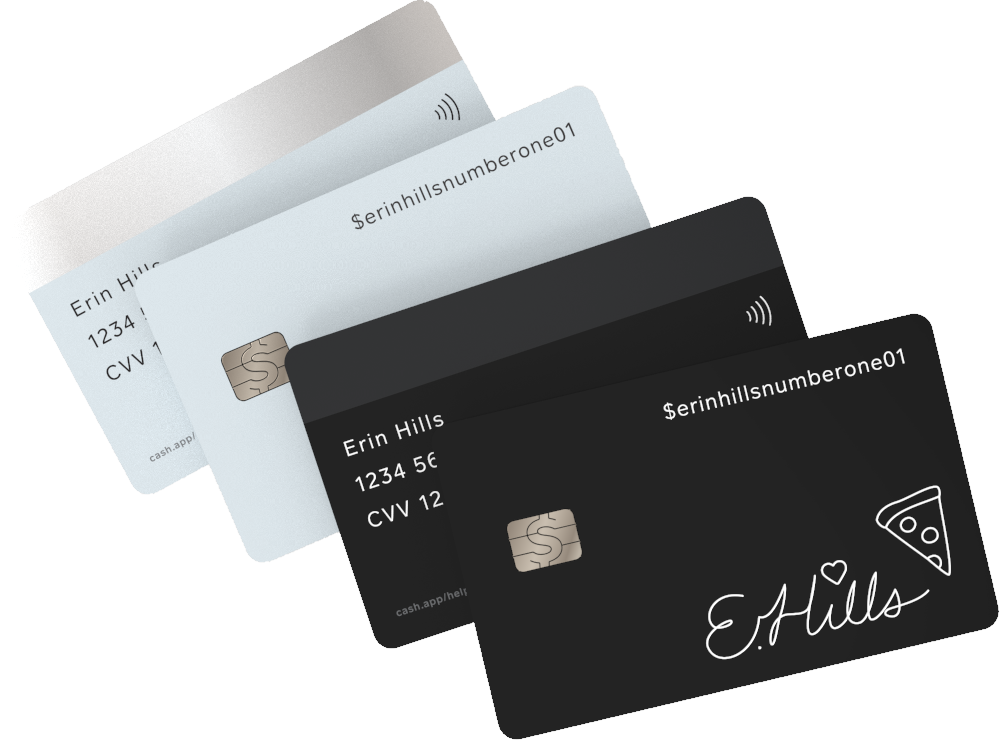
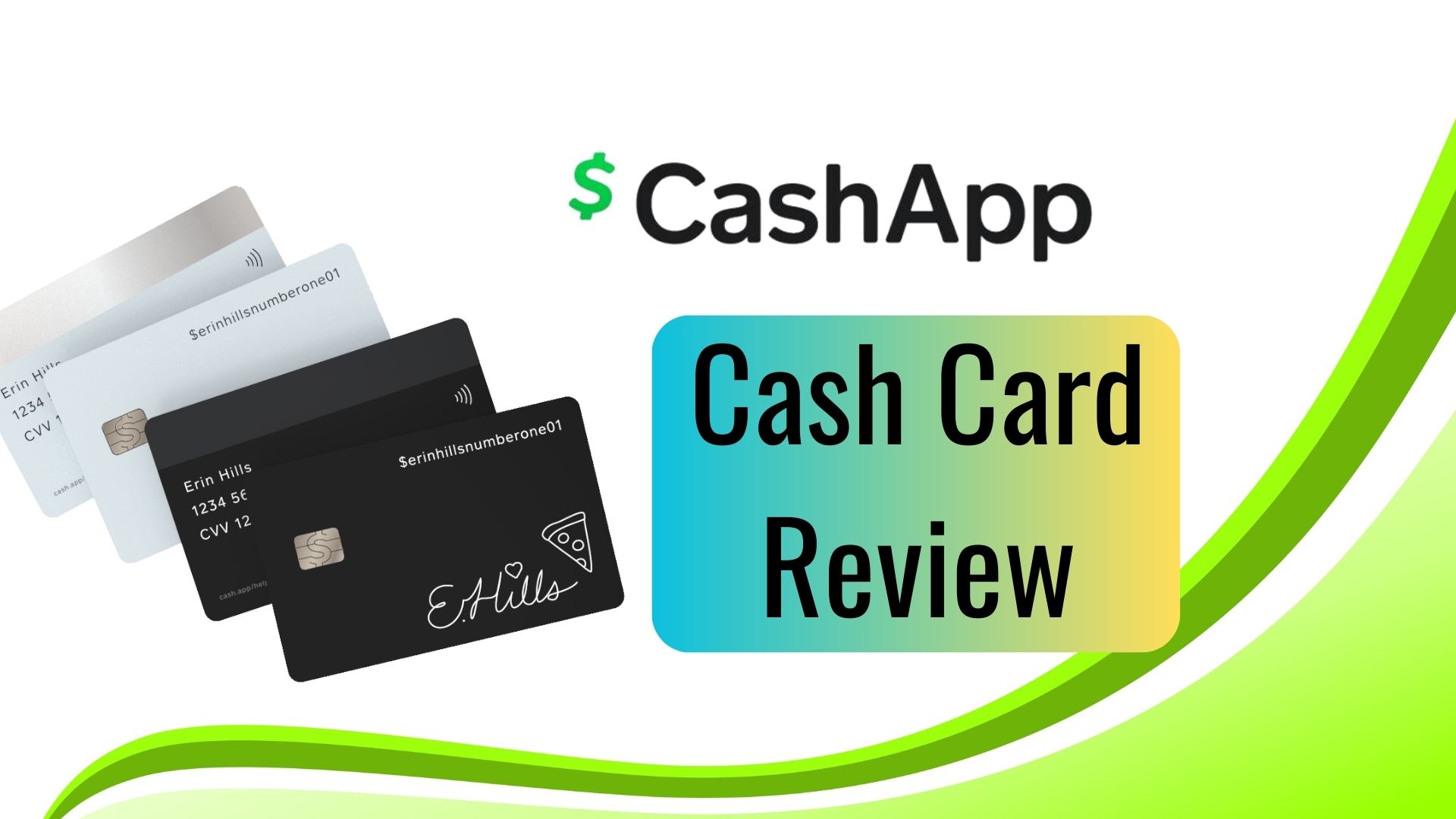
Cash App, developed by Square (now Block, Inc.), is primarily a mobile payment service that allows users to send and receive money, much like traditional banking apps. What sets it apart and makes it incredibly versatile is the Cash Card. This is a customizable Visa debit card directly linked to your Cash App balance. It functions exactly like any other debit card, allowing you to make purchases in stores, online, and withdraw cash from ATMs, all drawing directly from the funds you hold in your Cash App. This seamless integration means your digital balance isn’t confined to your phone; it’s tangible and spendable wherever Visa is accepted. This fusion eliminates the need to transfer funds to a traditional bank account before spending, streamlining your financial activities significantly. For tech enthusiasts, it represents a remarkable integration of software (the app) and hardware (the card), creating a powerful, interconnected financial tool.
Getting Started: Downloading and Account Setup
Embarking on your Cash App journey is straightforward, focusing on user accessibility from the outset.
First, download the Cash App from your device’s app store (available for both iOS and Android). Once installed, you’ll be prompted to create an account. This typically involves entering your phone number or email address, which serves as your unique identifier. You’ll then create a “Cashtag” – a unique username (e.g., “$YourName”) that people can use to send you money, akin to a social media handle but for financial transactions.
To unlock the full potential of Cash App, including higher sending limits, direct deposit, and the ability to order a Cash Card, you’ll need to verify your identity. This usually requires providing your full name, date of birth, and the last four digits of your Social Security Number (SSN). Cash App employs robust encryption and security protocols to protect this sensitive information, aligning with industry best practices for digital financial platforms. The emphasis here is on the technical process of setting up and securing your digital identity within the application.
Ordering Your Cash Card
Once your account is set up and verified, ordering your Cash Card is a simple process within the app. Navigate to the “Cash Card” tab (usually represented by a card icon). You’ll be presented with options to design your card, including custom colors, emojis, and even a unique signature. This personalization feature is a fun touch, allowing users to express themselves through their financial tool. After finalizing your design, confirm your shipping address, and the card will be mailed to you, typically arriving within 5-10 business days. There are no monthly fees associated with the Cash Card, making it an attractive option for users seeking a low-cost debit solution. This step highlights the user interface and customization features of the app’s services.
II. Activating and Managing Your Cash Card
Receiving your Cash Card is an exciting step, but it’s just the beginning. The next crucial phase involves activating it and learning how to manage its features to maximize its utility and maintain security.
Seamless Card Activation
Upon receiving your physical Cash Card, activation is mandatory before you can use it. The process is designed to be quick and intuitive, ensuring your card is ready for use without delay.
Open your Cash App and go to the “Cash Card” tab. You’ll see an option to “Activate Cash Card.” The app will then prompt you to either scan the QR code located on the packaging your card arrived in, or manually enter the CVV and expiration date from the back of your card. Follow the on-screen instructions, and your card will be instantly linked to your Cash App balance. This immediate digital activation highlights the seamless integration between the physical card and its controlling software.
Personalizing Your Card Experience: Boosts and PIN Management
The Cash Card offers unique features that go beyond standard debit card functionality. “Boosts” are instant discounts applied directly to your purchases when you use your Cash Card at specific merchants. These can range from a percentage off at coffee shops to discounts on online streaming services. You can select and change your Boosts directly within the Cash App, making them a dynamic feature you can tailor to your spending habits. Regularly checking and swapping Boosts can lead to significant savings.
Additionally, managing your PIN is straightforward through the app. You can set or change your PIN at any time, adding an extra layer of security for ATM withdrawals and point-of-sale transactions that require PIN verification. The app provides a secure interface for these critical security settings, empowering users with immediate control.
Monitoring Transactions and Card Security
Effective management of your Cash Card also involves diligent monitoring of your transactions and implementing robust security measures. All transactions made with your Cash Card are instantly reflected in your Cash App activity feed, providing real-time oversight of your spending. This digital ledger is an invaluable tool for budgeting and detecting unauthorized activity quickly.
For enhanced security, Cash App allows you to lock your Cash Card directly from the app if it’s lost or stolen. This feature immediately prevents any new transactions, protecting your funds. You can unlock it just as easily if you find it. Furthermore, Cash App offers notifications for every transaction, giving you instant alerts about your spending and any potential fraudulent activity. Understanding and utilizing these in-app security features is paramount for safeguarding your digital finances. This aspect focuses on the app’s security architecture and user-facing controls.
III. Leveraging Cash App for Digital Transactions
Beyond the physical Cash Card, the Cash App itself is a powerhouse for various digital transactions. Its user-friendly interface simplifies tasks that traditionally required logging into a bank portal or visiting a physical branch.
Sending and Receiving Money
The core functionality of Cash App lies in its ability to facilitate peer-to-peer payments. Sending money is as simple as entering the recipient’s Cashtag, phone number, or email, typing in the amount, and hitting “Pay.” Funds are typically transferred instantly. Receiving money is equally effortless; once someone sends you funds, they appear in your Cash App balance immediately. This instantaneity is a key technological advantage, distinguishing it from slower traditional bank transfers. For transactions with non-Cash App users, you can also send money via a link, which they can use to claim the funds. This showcases the app’s connectivity and interoperability within the digital payments ecosystem.
Direct Deposit and Bill Pay
Cash App isn’t just for casual transfers; it can serve as a primary banking solution for many. You can set up direct deposit for your paycheck, tax refunds, or government benefits directly into your Cash App balance. The app provides you with an account number and routing number, just like a traditional bank account. This feature transforms Cash App into a versatile digital account, allowing you to manage incoming funds directly.
While Cash App doesn’t have a dedicated “bill pay” feature in the traditional sense, you can use your Cash Card details (card number, expiration date, CVV) to pay bills online or over the phone wherever Visa debit cards are accepted. For recurring payments, you can link your Cash Card to subscription services or utility providers, making it a convenient hub for managing your monthly expenditures. The ease of access to virtual card details within the app enhances this functionality.
Investing with Cash App: Stocks & Bitcoin
A significant technological leap for Cash App is its integration of investing features, making stock and Bitcoin trading accessible to a broader audience. Within the app, users can buy fractional shares of stocks with as little as $1, removing traditional barriers to entry in the stock market. The interface is designed for simplicity, showing price movements and allowing quick buy/sell orders.
Similarly, Cash App allows users to buy, sell, and store Bitcoin directly within the app. This feature caters to the growing interest in cryptocurrencies, providing a straightforward, regulated platform for engaging with digital assets. While investing carries inherent risks, the integration of these features within a widely used payment app highlights Cash App’s ambition to be a comprehensive financial technology platform. For tech-savvy users, this represents an exciting blend of payment processing and investment tools within a single, streamlined application.
IV. Advanced Features and Security Best Practices
To fully leverage Cash App and its Cash Card, it’s essential to delve into its advanced features and, critically, understand how to maintain robust security for your digital assets.
Customizing Your Cash App Experience
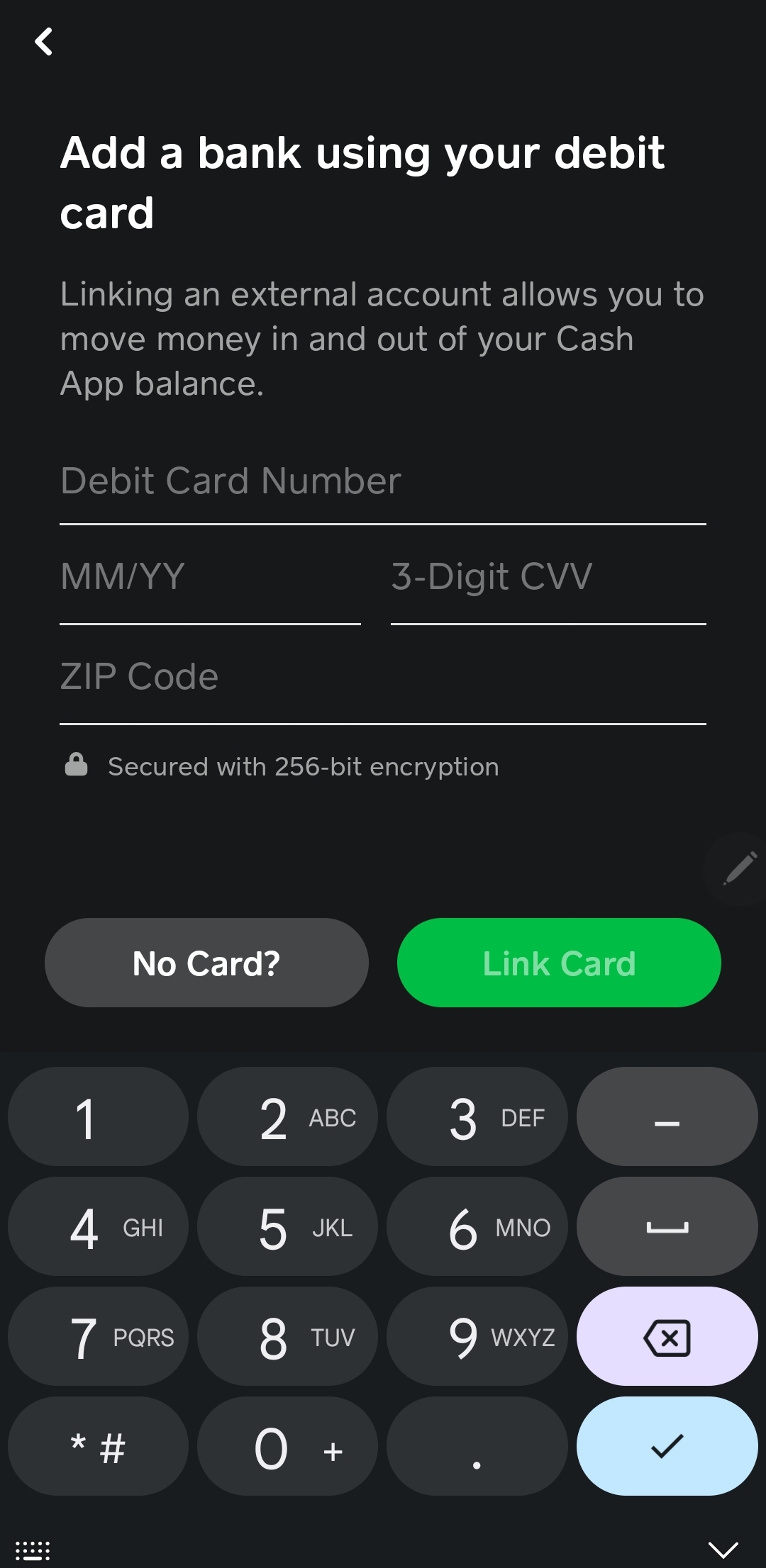
Cash App offers several customization options beyond the physical appearance of your Cash Card. You can manage your notification preferences, choosing to receive alerts for specific types of transactions or updates. The app also allows you to link multiple bank accounts or credit cards, providing flexibility in how you add funds to your Cash App balance or cash out funds to an external account. This multi-account linking feature showcases the app’s sophisticated backend for managing diverse financial connections. Exploring the “Profile” or “Settings” section within the app will reveal these various options, allowing you to tailor the app’s behavior to your personal preferences and needs, optimizing your user experience.
Enhancing Account Security
Given that Cash App deals with your money, security is paramount. Cash App implements several features to protect your account. Enabling two-factor authentication (2FA) is highly recommended. This adds an extra layer of security, requiring a code sent to your phone or email in addition to your password when logging in or making significant changes.
Another critical feature is the ability to enable a “Security Lock” or PIN for all transactions. This means you’ll need to enter your PIN or use biometric authentication (fingerprint or face ID) before completing any payment, adding a robust barrier against unauthorized use. Regularly reviewing your connected devices and revoking access for unrecognized devices further fortifies your account. These security measures are integral components of the app’s design, aiming to provide enterprise-level protection for individual users.
Understanding Privacy Settings
Cash App, like any digital platform, collects certain user data. Understanding its privacy settings and policies is crucial for managing your digital footprint. Review the privacy policy accessible through the app’s settings to understand what data is collected and how it’s used. You can often control certain aspects of data sharing or personalization through your device’s app permissions. While Cash App is designed for convenience, being an informed user about its privacy protocols is key to maintaining control over your personal information within the technological ecosystem. This section emphasizes the user’s role in managing their data within the app’s framework.
V. Troubleshooting and Support
Even with robust technology, issues can occasionally arise. Knowing how to troubleshoot common problems and access support is an important part of a seamless Cash App experience.
Common Issues and Solutions
Many common Cash App issues can be resolved quickly. If a payment is pending, it might be due to a network delay or a security review; waiting a few minutes or checking your internet connection often helps. If your Cash Card is declined, ensure you have sufficient funds in your Cash App balance and that the card is active and not locked. For issues with Boosts not applying, double-check that the correct Boost is selected and that you meet any specific merchant requirements. The app itself often provides real-time notifications and explanations for transaction statuses, which are invaluable for quick self-diagnosis. Familiarity with the app’s notification system is a key troubleshooting skill.
Contacting Cash App Support
If self-troubleshooting doesn’t resolve your issue, Cash App offers multiple channels for customer support. The most direct way is often through the app itself. Navigate to the “Profile” icon (top right corner), scroll down, and select “Support.” From there, you can browse FAQs or initiate a chat with a support agent. This in-app support system is designed for quick access and secure communication. For less urgent matters, you can also reach out via their official website or social media channels. Be wary of unofficial support numbers or phishing attempts; always verify you are interacting with legitimate Cash App representatives. The efficiency of the in-app support function is a testament to the app’s thoughtful design, aiming to keep users within its secure environment even when seeking help.
Future-Proofing Your Cash App Usage
As technology evolves, so too will financial apps like Cash App. Staying current with app updates is critical, as these often include new features, security enhancements, and bug fixes. Regularly reviewing Cash App’s official blog or news announcements can keep you informed about upcoming changes or new functionalities. Understanding the platform’s terms of service and any changes to them ensures you’re always in compliance and aware of the latest operational guidelines. Embracing continuous learning about the app’s capabilities and its underlying technology will ensure you always get the most out of your Cash Card and Cash App experience, keeping you at the forefront of digital financial management.
In conclusion, the Cash App and its accompanying Cash Card represent a powerful synergy of software and service, offering a comprehensive solution for modern financial needs. By understanding its setup, leveraging its features, prioritizing security, and knowing how to navigate support, users can harness the full potential of this technological marvel, making everyday financial transactions simpler, faster, and more integrated into the digital world.
aViewFromTheCave is a participant in the Amazon Services LLC Associates Program, an affiliate advertising program designed to provide a means for sites to earn advertising fees by advertising and linking to Amazon.com. Amazon, the Amazon logo, AmazonSupply, and the AmazonSupply logo are trademarks of Amazon.com, Inc. or its affiliates. As an Amazon Associate we earn affiliate commissions from qualifying purchases.