
In the rapidly evolving landscape of digital finance, Cash App has emerged as more than just a peer-to-peer (P2P) payment utility; it has become a multifaceted financial ecosystem. Originally launched to simplify the way friends split dinner bills, the platform now serves as a robust tool for personal banking, stock market participation, and cryptocurrency management. For anyone looking to optimize their personal finances, understanding the full breadth of Cash App’s capabilities is essential. This guide explores how to leverage the platform to manage liquidity, invest for the future, and secure your digital assets.

Navigating the Fundamentals of Your Digital Wallet
At its core, Cash App functions as a high-liquidity digital wallet designed for the speed of the modern economy. Unlike traditional banking institutions that may require days to process transfers or clear checks, Cash App prioritizes near-instantaneous movement of capital.
Setting Up Your Financial Profile
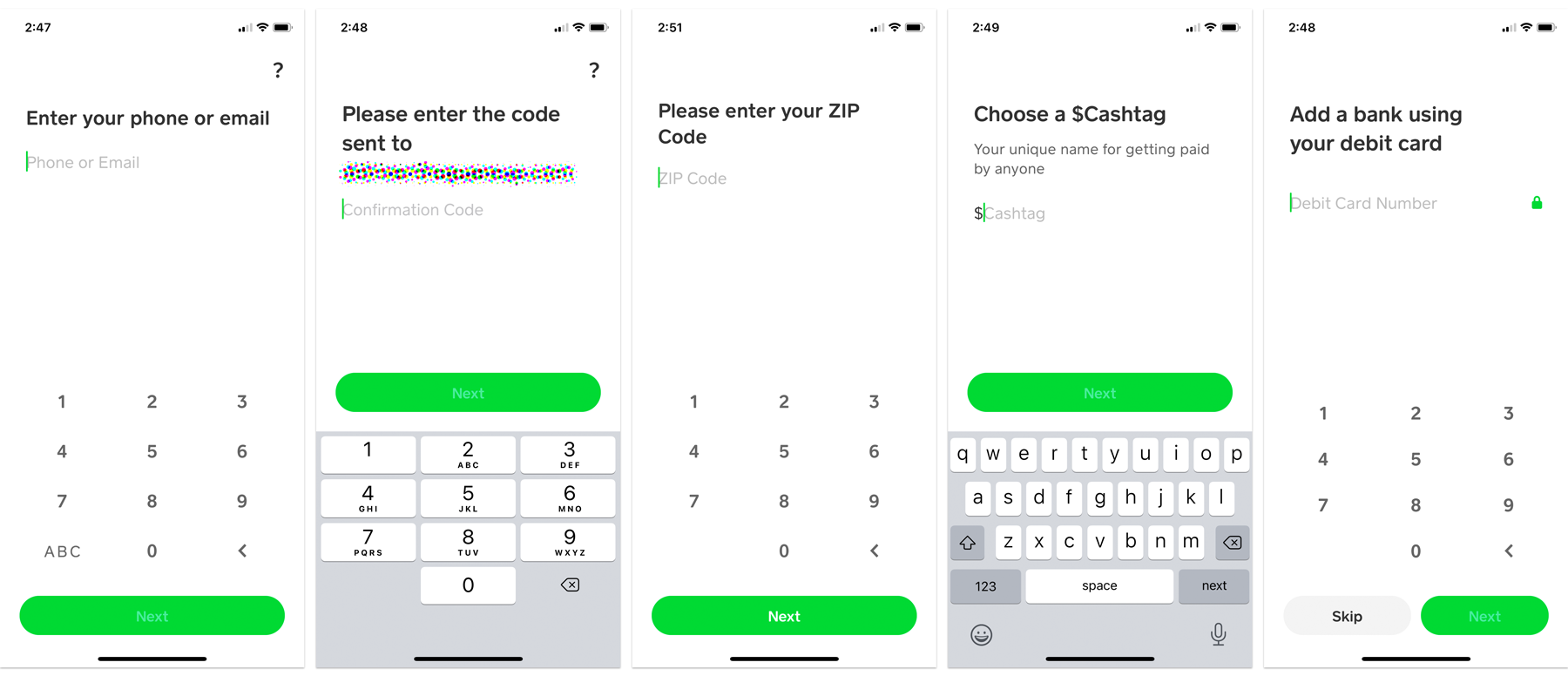
The onboarding process is the foundation of your experience. To begin, users link a primary debit card or bank account. From a financial management perspective, this connection is the bridge between your traditional holdings and your digital spending power. During setup, you are prompted to choose a unique identifier known as a $Cashtag. This tag acts as your financial signature, allowing you to receive payments without disclosing sensitive bank account details or phone numbers. This layer of privacy is a significant advantage in the gig economy and for freelancers who require a professional yet streamlined way to invoice clients.
Understanding the Mechanics of Sending and Receiving
The primary utility of Cash App is its P2P functionality. When you send money, the platform draws from your Cash App balance first; if that is insufficient, it pulls from your linked debit card. It is important to distinguish between “Standard” and “Instant” transfers. Standard transfers to your bank account are free but take one to three business days, whereas Instant transfers incur a small percentage fee for immediate liquidity. For those practicing disciplined cash flow management, opting for Standard transfers is a simple way to avoid unnecessary micro-fees that can erode your capital over time.
Managing Your Cash Balance
Your Cash App balance represents your immediate purchasing power within the app. While it is convenient to keep funds here for quick access, financial experts often recommend treating it like a checking account rather than a long-term savings vehicle. Because funds held in a Cash App balance are not automatically interest-bearing in the way a high-yield savings account (HYSA) might be, it is wise to maintain only what is necessary for weekly expenses and move surplus capital into investment or savings vehicles.
Leveraging the Cash Card for Smart Spending
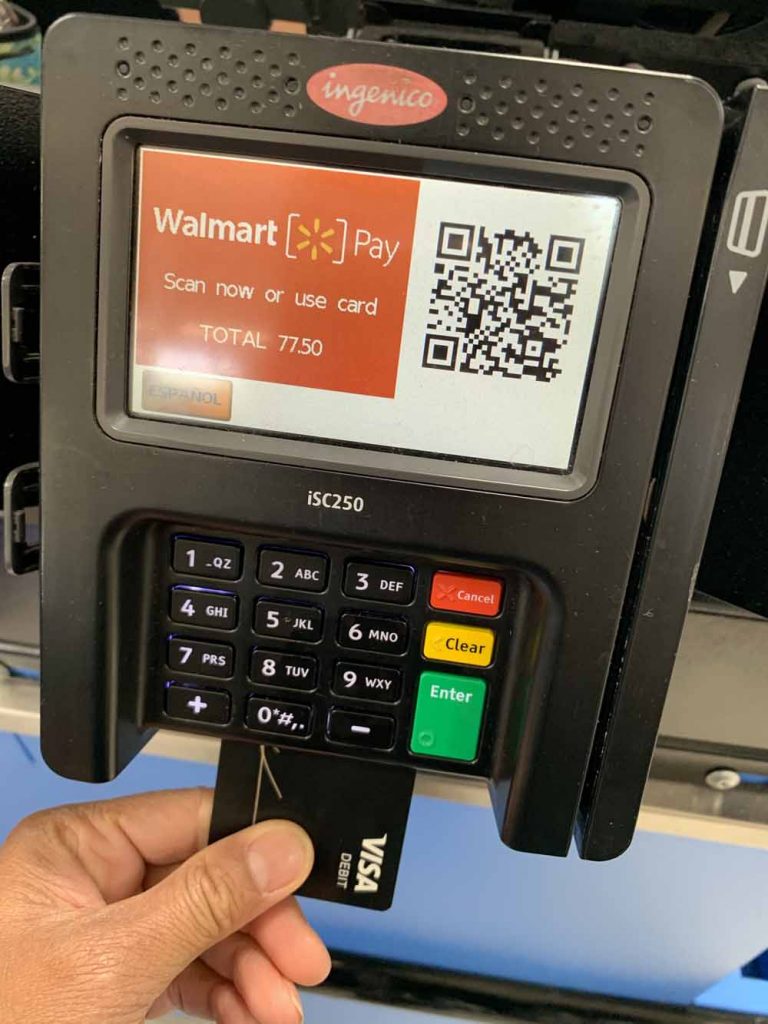
One of the most powerful “Money” features of Cash App is the Cash Card—a customizable Visa debit card linked directly to your app balance. This card bridges the gap between digital funds and physical world commerce.
Maximizing Value via the Boost Program
The “Boost” feature is perhaps the most significant benefit for the budget-conscious user. Boosts are instant rewards or discounts applied when you use your Cash Card at specific merchants, such as grocery stores, coffee shops, or popular retailers. Unlike traditional credit card rewards that accumulate points over months, Boosts provide immediate savings. For example, applying a “10% off any grocery store” Boost can result in significant monthly savings on essential expenses. Integrating these Boosts into your weekly budgeting strategy allows for a more proactive approach to reducing overhead.
Utilizing Round-Ups for Passive Saving
Cash App facilitates a “set it and forget it” approach to saving through its Round-Up feature. Every time you make a purchase with the Cash Card, the app rounds the transaction to the nearest dollar and diverts the difference into a designated savings goal or even into a Bitcoin or stock investment. While a few cents per transaction may seem negligible, the cumulative effect over a year can result in hundreds of dollars in automated savings, illustrating the power of compound micro-contributions.
Physical Security and ATM Access
The Cash Card also provides access to ATMs. While Cash App charges a fee for withdrawals, these fees are often reimbursed if you receive a minimum amount of direct deposits into your account each month. This makes the Cash Card a viable alternative to traditional bank cards, especially for those who prefer an all-in-one digital interface for their daily financial life.
Expanding Your Portfolio through Fractional Investing
Beyond daily transactions, Cash App has democratized access to the financial markets. It removes the barriers of high entry costs and complex brokerage interfaces, allowing users to build wealth directly from their mobile device.
Entering the Stock Market with Fractional Shares
One of the greatest hurdles for new investors is the high price of individual shares in major tech or retail companies. Cash App solves this by offering fractional shares. You can invest as little as $1 in a company like Amazon or Berkshire Hathaway, even if their full share price is in the thousands. This allows for diversification even with limited capital. From a financial strategy standpoint, this enables “Dollar Cost Averaging” (DCA)—the practice of investing a fixed amount of money at regular intervals, regardless of the stock’s price, which reduces the risk of market volatility.
Bitcoin Integration and the Digital Gold Thesis
Cash App was one of the first major financial apps to embrace Bitcoin. It provides a highly simplified interface for buying, selling, and even withdrawing Bitcoin to an external private wallet. For users looking to hedge against inflation or diversify their portfolio with digital assets, the app offers tools to set up “Auto-Invest” orders. This allows you to purchase Bitcoin daily, weekly, or bi-weekly. However, as with any investment, it is crucial to understand the volatility of the crypto market and only allocate a small percentage of your total net worth to such speculative assets.
Portfolio Tracking and Transparency
The app provides a clear, visual representation of your investment performance. Users can view their total gains or losses over different timeframes—one day, one week, one year, or all-time. This transparency is vital for maintaining a healthy relationship with your money, as it encourages long-term thinking rather than emotional reactions to daily market swings.
Streamlining Income with Direct Deposits and Tax Tools
To truly use Cash App as a primary financial hub, one must look at how it handles incoming revenue and government obligations.
Direct Deposit and Early Payroll Access
Cash App provides users with a routing and account number, much like a traditional bank. By setting up direct deposit with your employer, you can have your paycheck sent directly to the app. A significant financial advantage here is that Cash App often makes these funds available up to two days earlier than traditional banks. For individuals living paycheck to paycheck or those who want to get their money working in the market as soon as possible, this accelerated access to capital is a major benefit.
Simplified Tax Filing with Cash App Taxes
A often-overlooked feature is Cash App Taxes (formerly Credit Karma Tax). This service allows users to file their federal and state taxes for free. In a world where many tax preparation services charge significant fees for even simple filings, this tool is a massive value-add. It integrates seamlessly with your financial data, making the annual tax season less of a burden on your wallet and your schedule.
Business Accounts for Entrepreneurs
For those running a side hustle or a small business, Cash App offers specialized “Business Accounts.” These accounts allow for unlimited incoming payments from customers for a small transaction fee. This separates personal and professional finances, which is a critical step for tax compliance and financial organization. It also allows you to accept payments via unique QR codes, making the point-of-sale process seamless for physical pop-up shops or service-based businesses.
Best Practices for Financial Security and Protection
With the convenience of digital finance comes the responsibility of security. Managing your money effectively requires a proactive stance against fraud and unauthorized access.
Activating Advanced Security Features
Every Cash App user should prioritize the “Security Lock” feature, which requires a passcode, Touch ID, or Face ID for every payment. Furthermore, enabling notification alerts for every transaction ensures that you are immediately aware of any activity on your account. From a financial safety perspective, these hurdles are the first line of defense against capital loss.
Navigating the Nuances of FDIC Insurance
It is a common misconception that all digital wallets are banks. While Cash App is not a bank itself, its banking services are provided by partner banks (like Wells Fargo or Lincoln Savings Bank). Your funds are generally FDIC-insured up to $250,000, but this typically only applies if you have a Cash Card or have verified your identity. Ensuring your account is fully verified is not just about unlocking higher spending limits; it is about ensuring your capital is protected by federal safeguards.
Recognizing and Avoiding Scams
The speed of Cash App transactions is a double-edged sword. Once money is sent, it is often impossible to reverse. Users must be vigilant against “cash flipping” scams, fraudulent “customer support” accounts on social media, or requests for payment from unverified sources. A golden rule of modern money management: treat your Cash App payments like physical cash. Once it leaves your hand, it is gone. Only send money to individuals and businesses you know and trust.
In conclusion, Cash App is a versatile instrument in the modern financial toolkit. By mastering its P2P features, utilizing the Cash Card for strategic spending, and engaging with its investing platforms, users can transform a simple app into a comprehensive command center for their personal wealth. As with any financial tool, the key to success lies in disciplined use, consistent monitoring, and a commitment to security.
aViewFromTheCave is a participant in the Amazon Services LLC Associates Program, an affiliate advertising program designed to provide a means for sites to earn advertising fees by advertising and linking to Amazon.com. Amazon, the Amazon logo, AmazonSupply, and the AmazonSupply logo are trademarks of Amazon.com, Inc. or its affiliates. As an Amazon Associate we earn affiliate commissions from qualifying purchases.